

In The Media
Josh Kurlantzick
{
  "authors": [
    "Josh Kurlantzick"
  ],
  "type": "legacyinthemedia",
  "centerAffiliationAll": "dc",
  "centers": [
    "Carnegie Endowment for International Peace"
  ],
  "collections": [],
  "englishNewsletterAll": "asia",
  "nonEnglishNewsletterAll": "",
  "primaryCenter": "Carnegie Endowment for International Peace",
  "programAffiliation": "AP",
  "programs": [
    "Asia"
  ],
  "projects": [],
  "regions": [
    "North Africa",
    "Sudan",
    "Southern, Eastern, and Western Africa",
    "China"
  ],
  "topics": [
    "Political Reform",
    "Economy",
    "Trade",
    "Security",
    "Military"
  ]
}
Source: Getty
African activists are resisting China’s growing presence in Africa, citing China’s support for autocrats like Zimbabwe’s Robert Mugabe and importation of Chinese labor as primary concerns. Western concerns about Chinese influence in Africa have nevertheless intensified.
Source: Time Magazine

Western worries about undue Chinese influence in Africa have nevertheless intensified. Though some fears are legitimate, Kurlantzick argues that many Western concerns are absurd. China’s appetite for African commodities has fueled some of Africa’s strongest growth since independence, and the West has its own ties to corrupt African regimes. Most important, however, is the fact that Beijing’s position in Africa is evolving in response to African complaints. Kurlantzick concludes that China may yet rekindle its African romance.
Click here for full text of the article
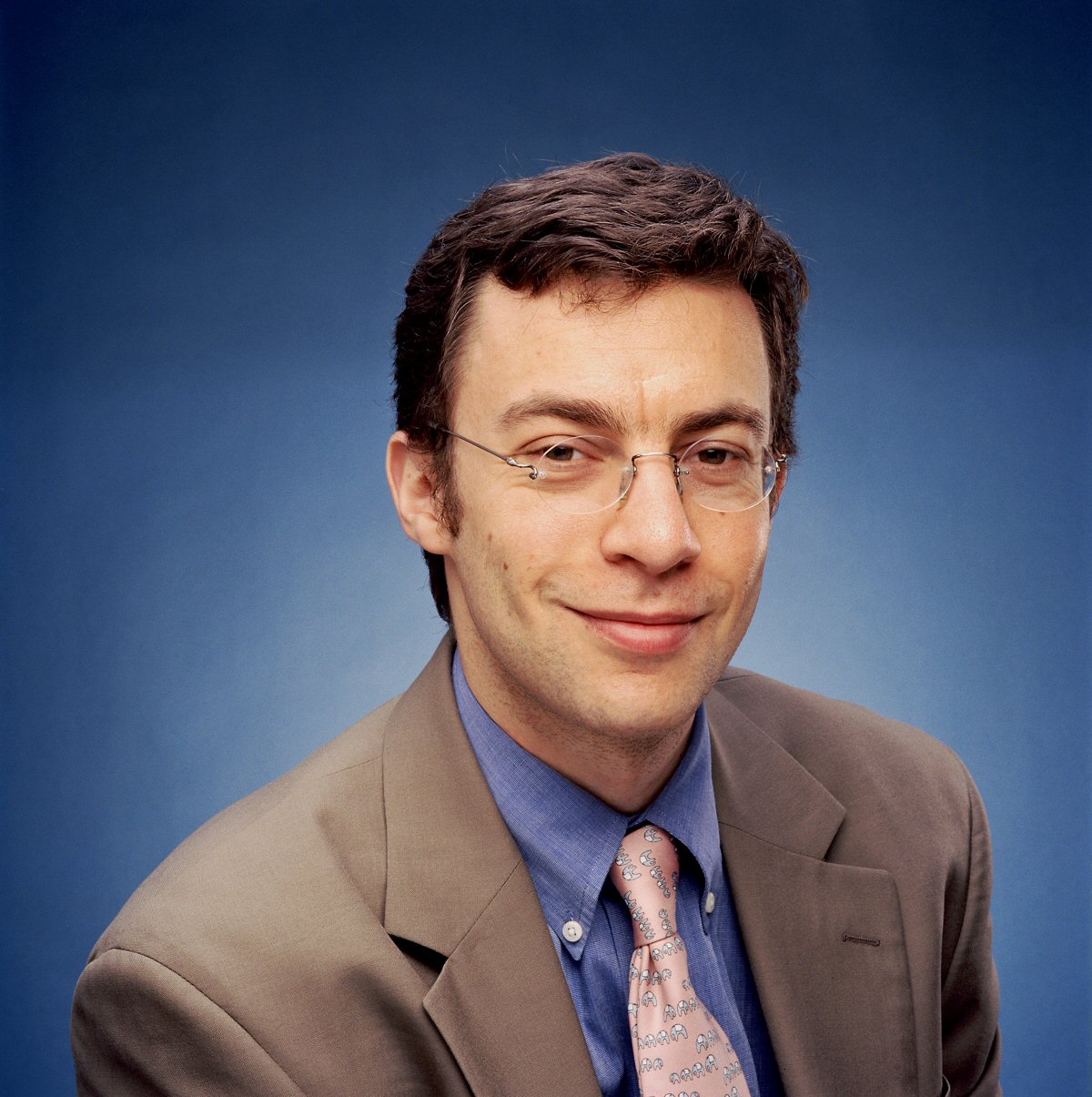
Former Visiting Scholar, China Program
A special correspondent for The New Republic, a columnist for Time, and a senior correspondent for The American Prospect, Kurlantzick assesses China’s relationship with the developing world, including Southeast Asia, Africa, and Latin America.
Recent Work
Josh Kurlantzick
Carnegie does not take institutional positions on public policy issues; the views represented herein are those of the author(s) and do not necessarily reflect the views of Carnegie, its staff, or its trustees.
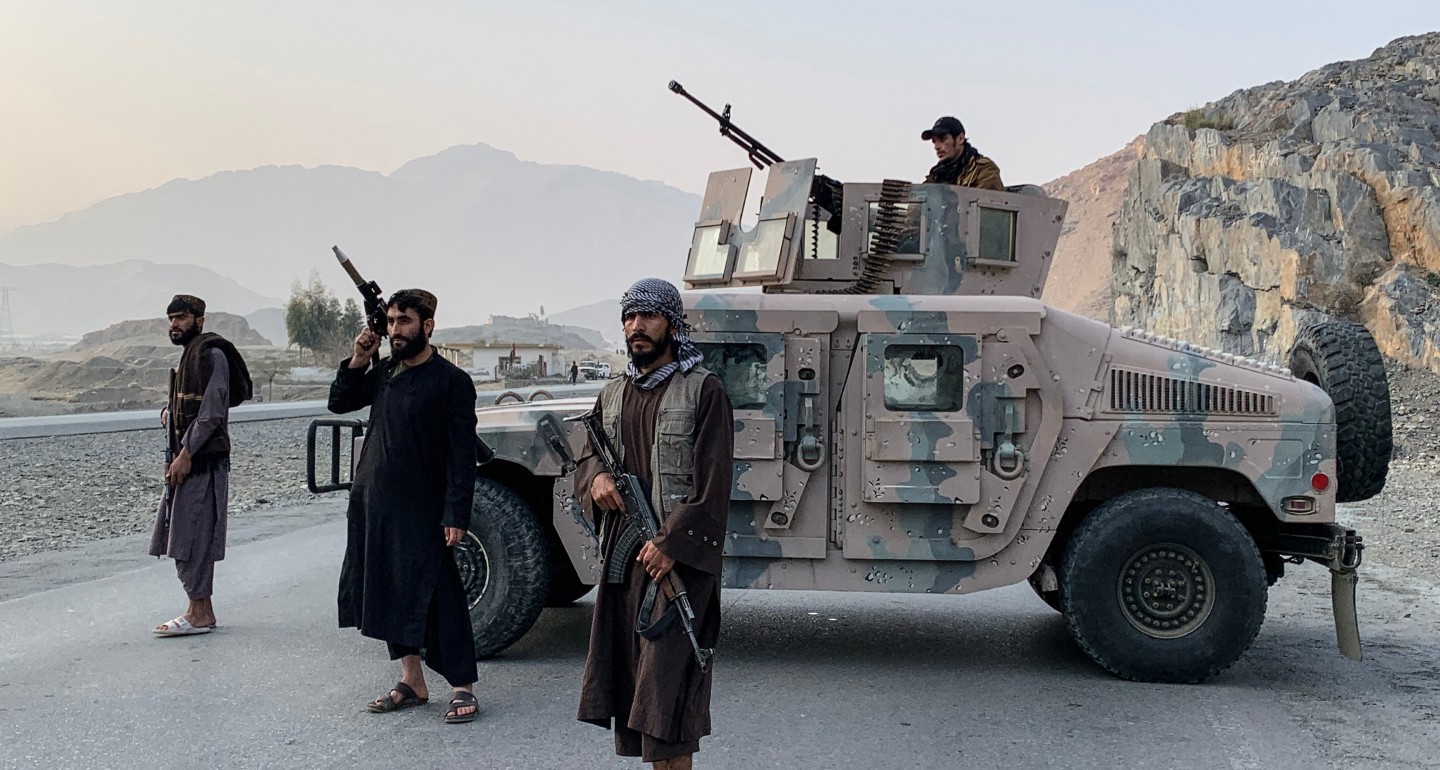
Not only does the fighting jeopardize regional security, it undermines Russian attempts to promote alternatives to the Western-dominated world order.
Ruslan Suleymanov
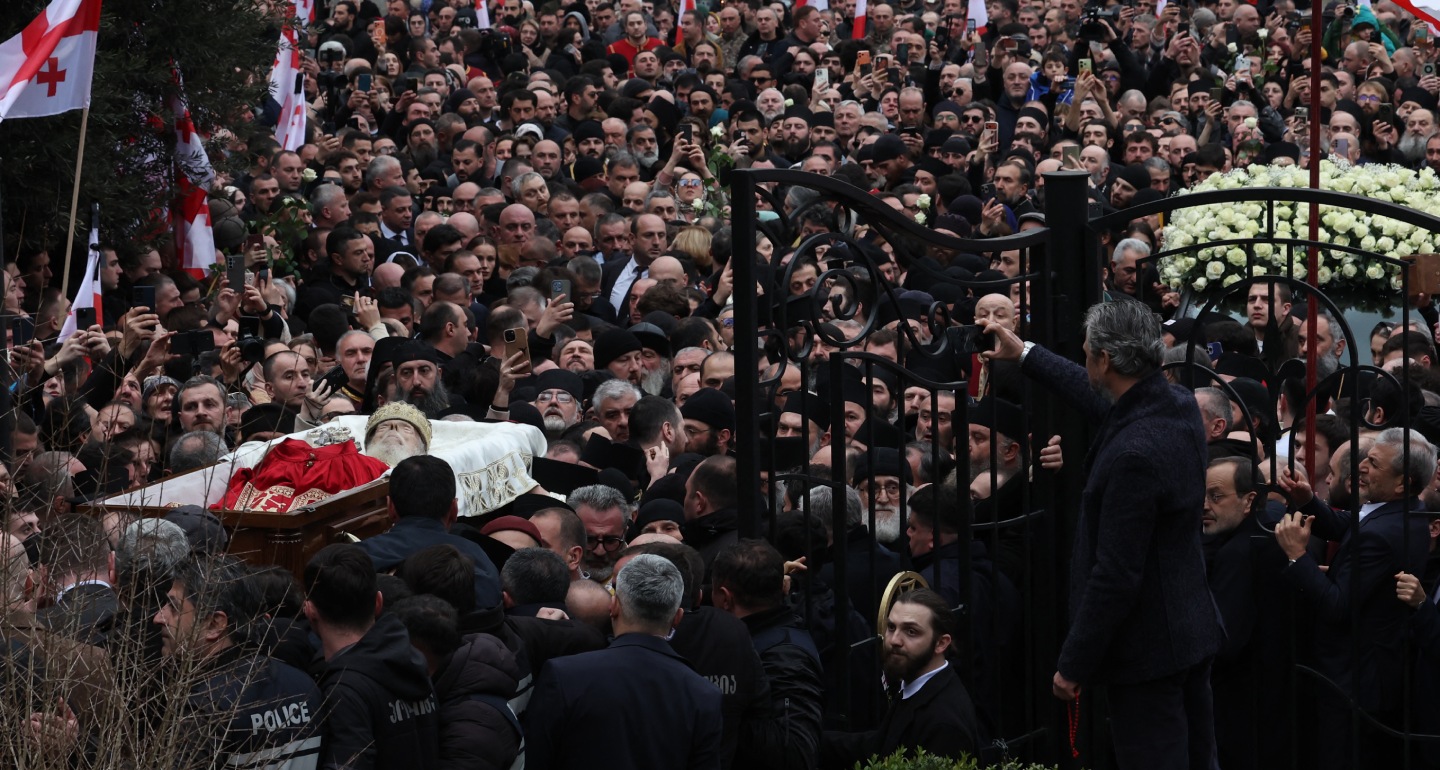
The front-runner to succeed Ilia II, Metropolitan Shio, is prone to harsh anti-Western rhetoric and frequent criticism of “liberal ideologies” that he claims threaten the Georgian state. This raises fears that under his leadership the Georgian Orthodox Church will lose its unifying role and become an instrument of ultraconservative ideology.

Bashir Kitachaev
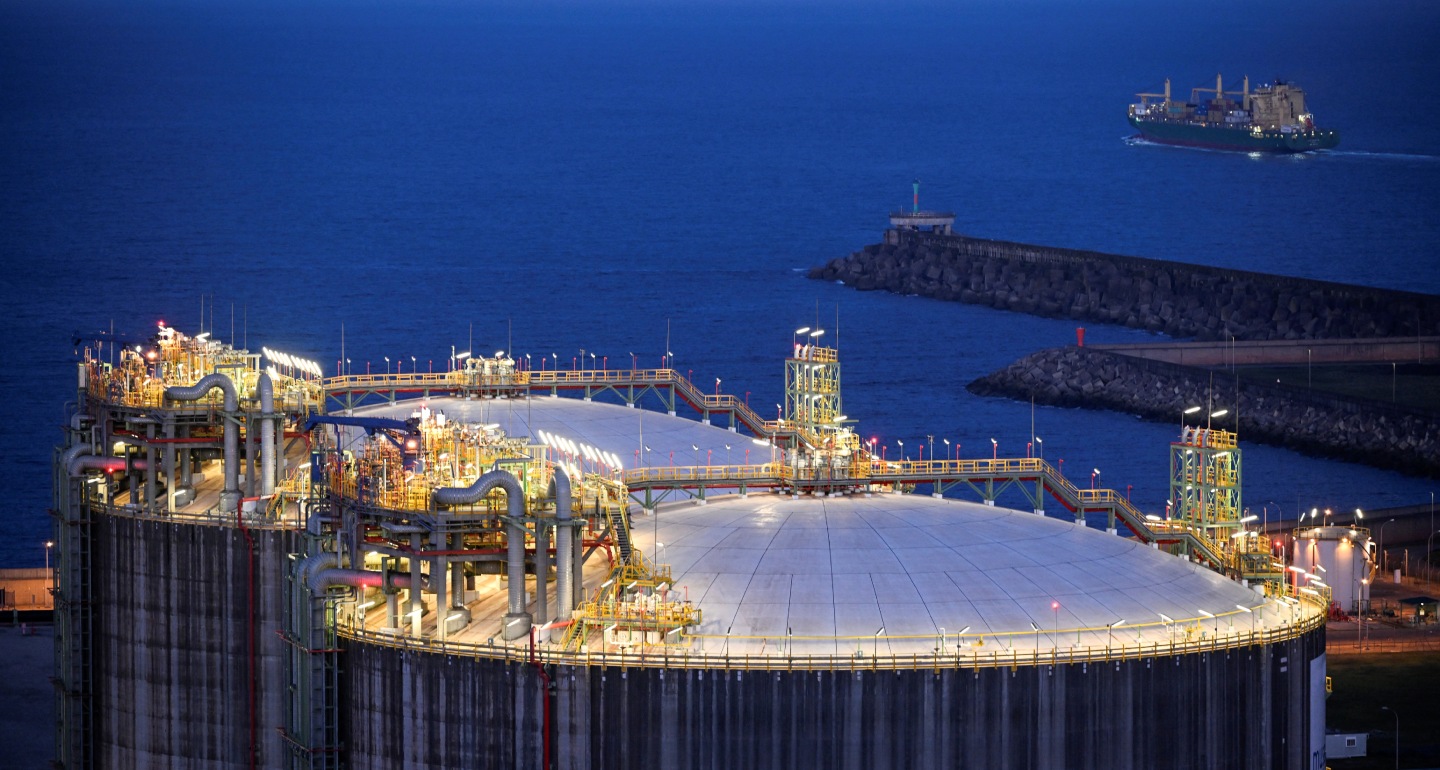
The future trajectory of the U.S.-Iran war remains uncertain, but its impact on global energy trade flows and ties will be far-reaching. Moscow is likely to become a key beneficiary of these changes; the crisis in the Gulf also strengthens Russia’s hand in its relationships with China and India, where advantages might prove more durable.

Sergey Vakulenko
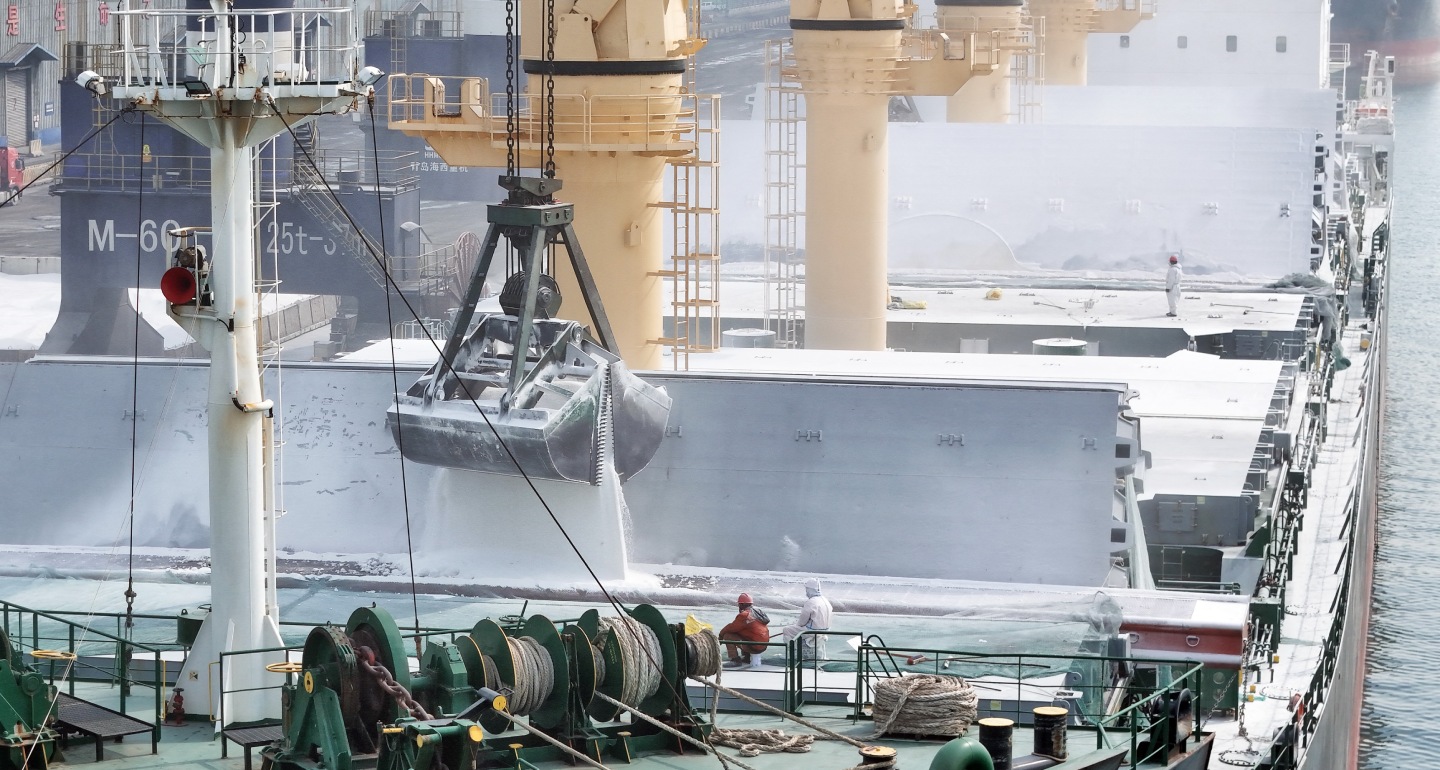
The Kremlin expects to not only profit from rising fertilizer prices but also exact revenge for the collapse of the 2023 grain deal.
Alexandra Prokopenko
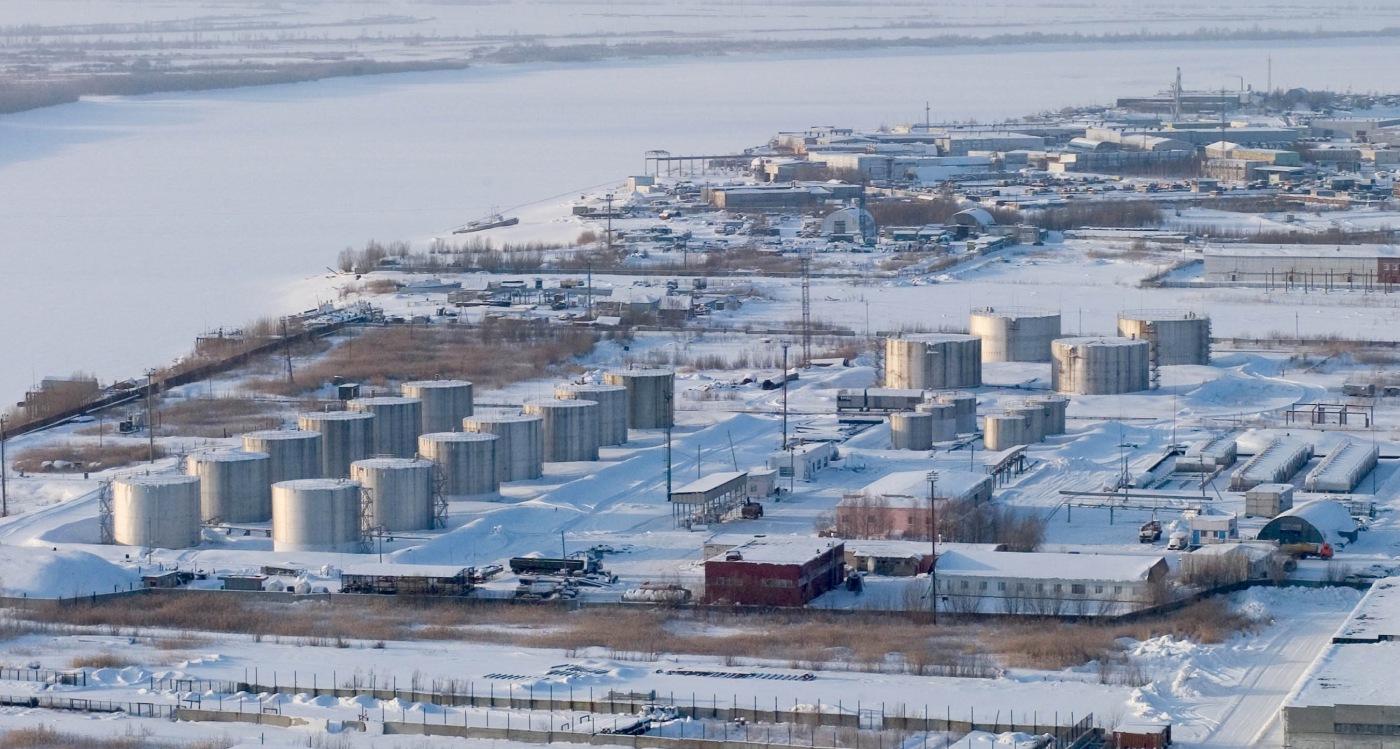
Russian oil production is remarkably resilient to significant price changes, but significant political headwinds may lead to a drop regardless of economics.
Sergey Vakulenko