

Commentary
Russia looks set to reap economic benefits from closer ties with Southeast Asian countries that are keen to find reliable energy suppliers and diversify trade ties.
Alexander Gabuev
{
  "authors": [],
  "type": "pressRelease",
  "centerAffiliationAll": "dc",
  "centers": [
    "Carnegie Endowment for International Peace"
  ],
  "collections": [],
  "englishNewsletterAll": "menaTransitions",
  "nonEnglishNewsletterAll": "",
  "primaryCenter": "Carnegie Endowment for International Peace",
  "programAffiliation": "MEP",
  "programs": [
    "Middle East"
  ],
  "projects": [],
  "regions": [
    "Middle East",
    "Iran",
    "Israel",
    "Egypt",
    "Iraq",
    "Lebanon",
    "Jordan"
  ],
  "topics": [
    "Economy",
    "Trade"
  ]
}
REQUIRED IMAGE
Arab governments tempered public anger at rising food prices by increasing wages and subsidies, but their approach is not sustainable without raising taxes. Instead they should revise agricultural policies, expand social safety nets, and curb excessive energy consumption, argues Carnegie Middle East Center economist Ibrahim Saif.
BEIRUT, June 23—Arab governments tempered public anger at rising food prices by increasing wages and subsidies, but their approach is not sustainable without raising taxes. Instead they should revise agricultural policies, expand social safety nets, and curb excessive energy consumption, argues Carnegie Middle East Center economist Ibrahim Saif.
Examining the response to the crisis by both oil-producing Gulf countries and populous non-oil exporting countries, Saif recommends sustainable alternative policies in his new commentary, The Food Price Crisis in the Arab Countries: Short Term Responses to a Lasting Challenge.
Key Conclusions:
He concludes:
“In the short run, there is no quick fix for the crisis created by rising food prices. Particularly in non-oil producing countries, there remains a real danger that people will take to the streets in increasing numbers when they see their livelihoods threatened. And in the Arab countries, the consequences of discontent and anger can easily acquire a geopolitical angle.”
###

Direct link to the PDF: www.carnegieendowment.org/files/saif_food_prices_final.pdf
Direct link to the Arabic PDF: Click Here
Ibrahim Saif is a resident scholar in economic policy at the Carnegie Middle East Center in Beirut, Lebanon. He specializes in the political economy of the Middle East. He has served as a consultant to international organizations such as the World Bank, the International Monetary Fund, and the International Labor Organization. He is a fellow with the Economic Research Forum and a member of the Global Development Network. Before joining Carnegie, Saif was the director of the Center for Strategic Studies at the University of Jordan.
The Carnegie Middle East Center is a public policy think tank and research center based in Beirut, Lebanon. Bringing together senior researchers from the region, the Carnegie Middle East Center aims to better inform the process of political change in the Middle East and deepen understanding of the issues the region and its people face.
The Carnegie Middle East Program combines in-depth local knowledge with incisive comparative analysis to examine economic, socio-political, and strategic interests in the Arab world. Through detailed country studies and the exploration of key cross-cutting themes, the Carnegie Middle East Program, in coordination with the Carnegie Middle East Center, provides analysis and recommendations in both English and Arabic that are deeply informed by knowledge and views from the region. The Carnegie Middle East Program has special expertise in political reform and Islamist participation in pluralistic politics throughout the region.
The Arab Reform Bulletin addresses political reform in the Middle East. Sent monthly, it offers analysis from U.S.-based and Middle Eastern political experts in English and Arabic, as well as news synopses and resource guides.
Press Contact: Trent Perrotto, 202/939-2372, tperrotto@ceip.org
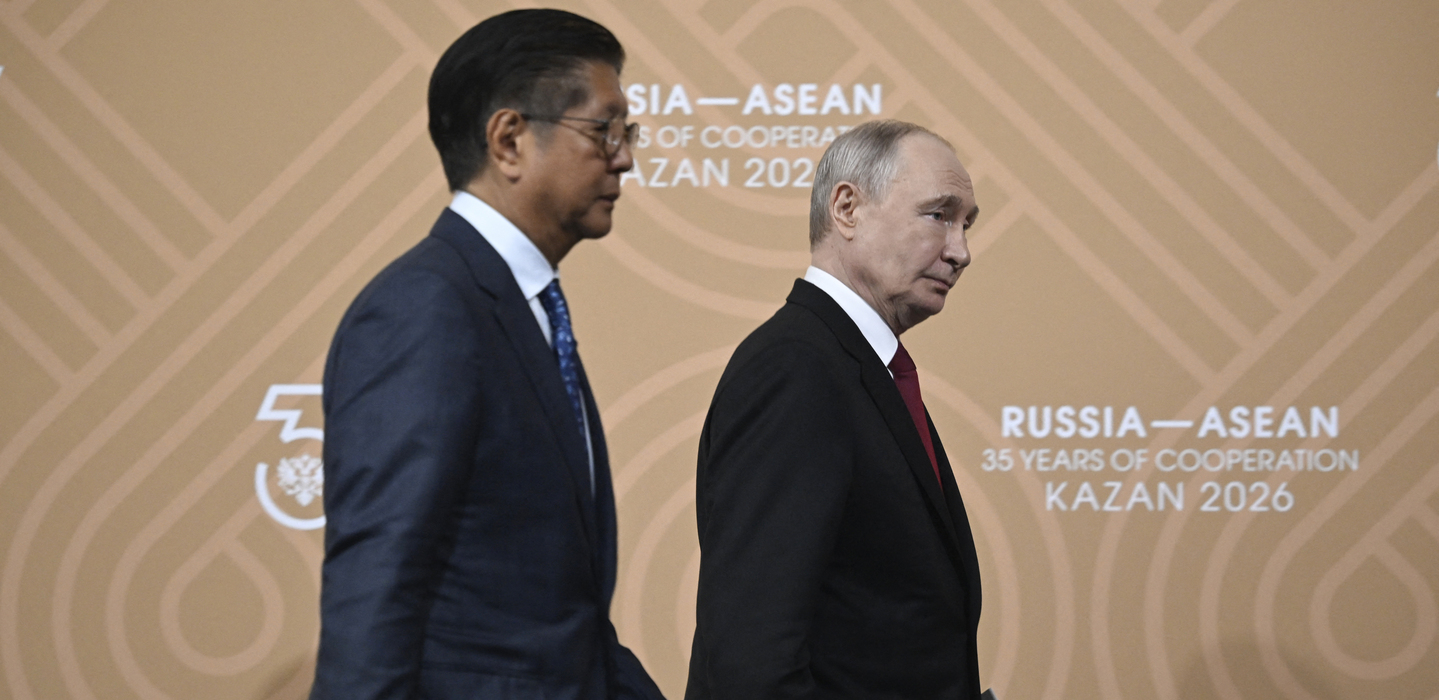
Russia looks set to reap economic benefits from closer ties with Southeast Asian countries that are keen to find reliable energy suppliers and diversify trade ties.

Alexander Gabuev
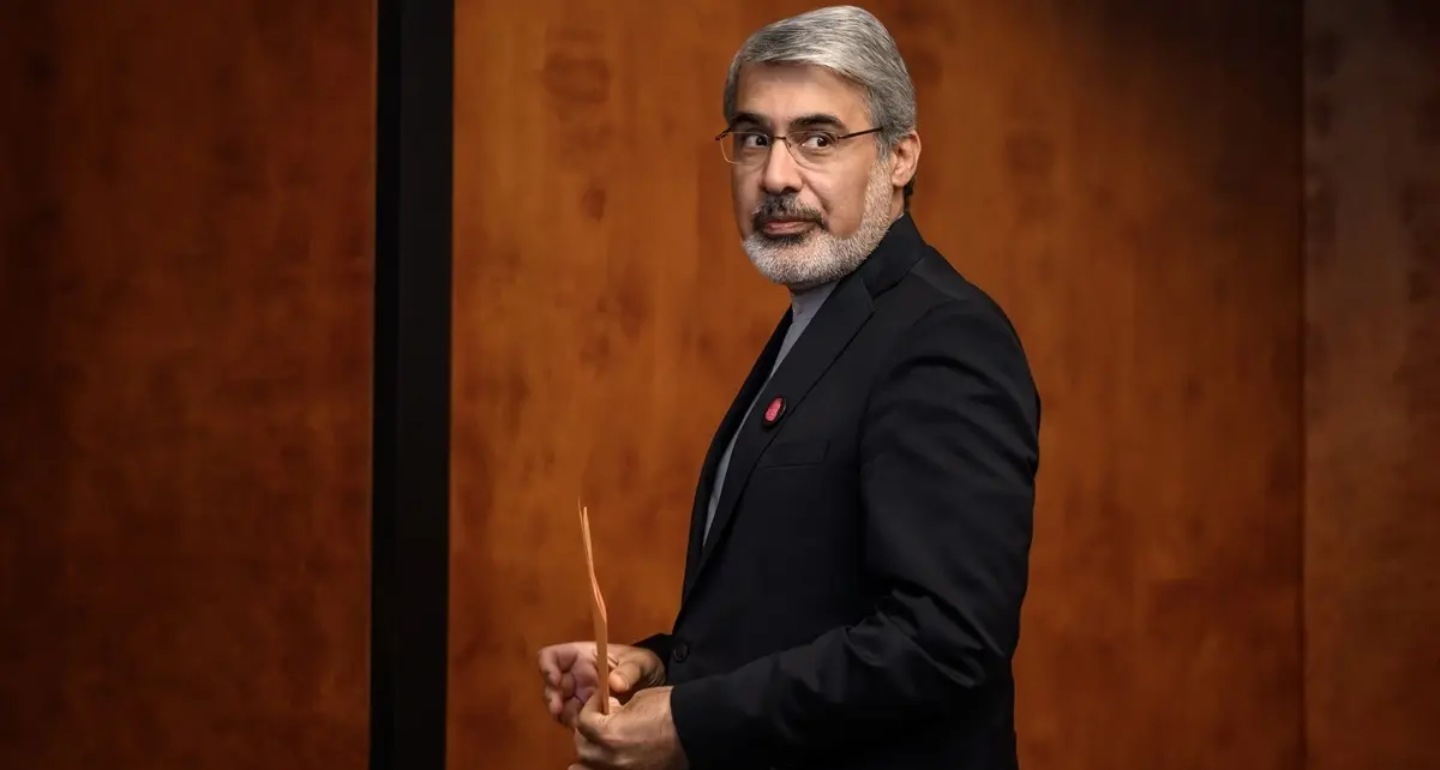
Ongoing uncertainty in the Middle East allows Moscow to both increase its influence in Tehran and continue to enjoy the financial windfall of higher oil prices.

Nikita Smagin
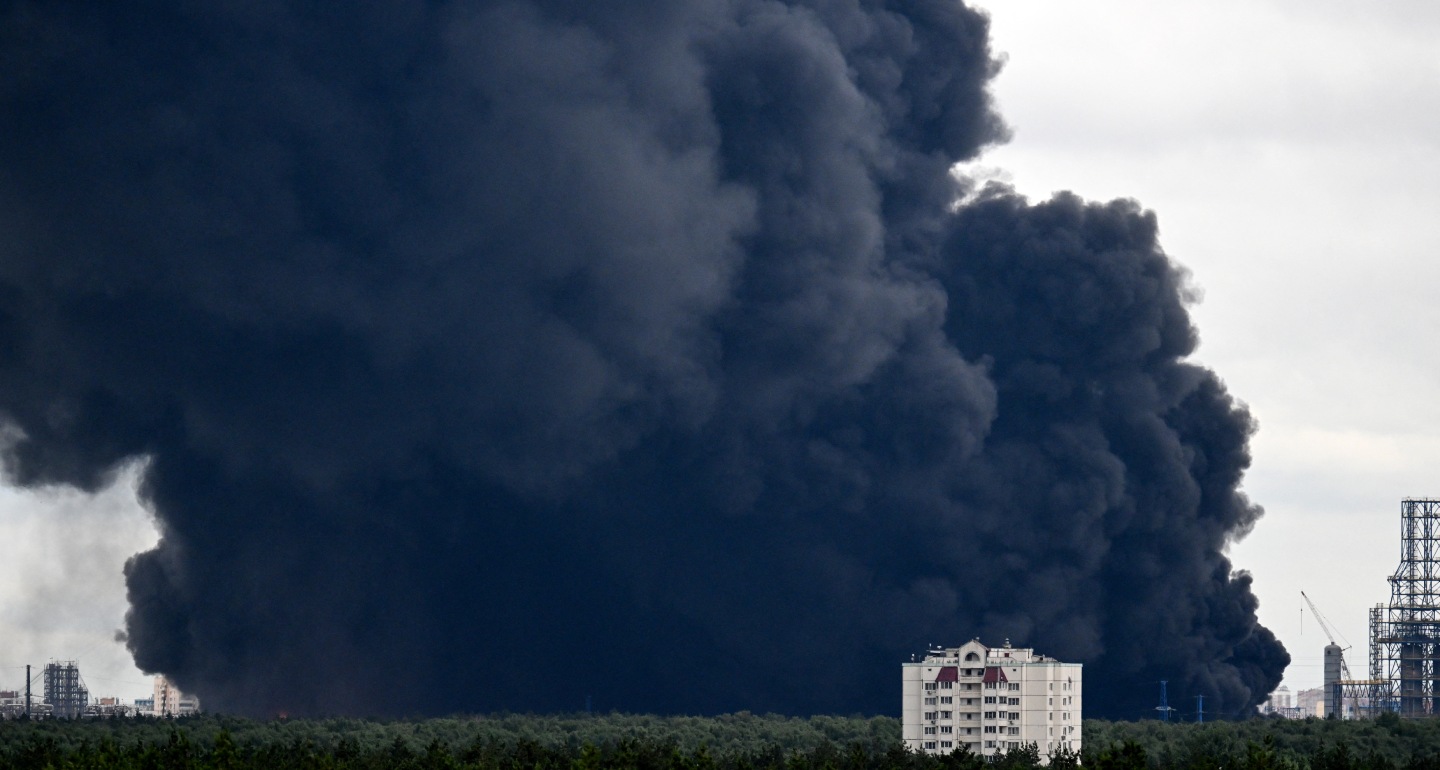
If it proves impossible for the Russian authorities to avoid a gasoline deficit, the question then becomes how they will organize the distribution of a scarce resource.

Sergey Vakulenko
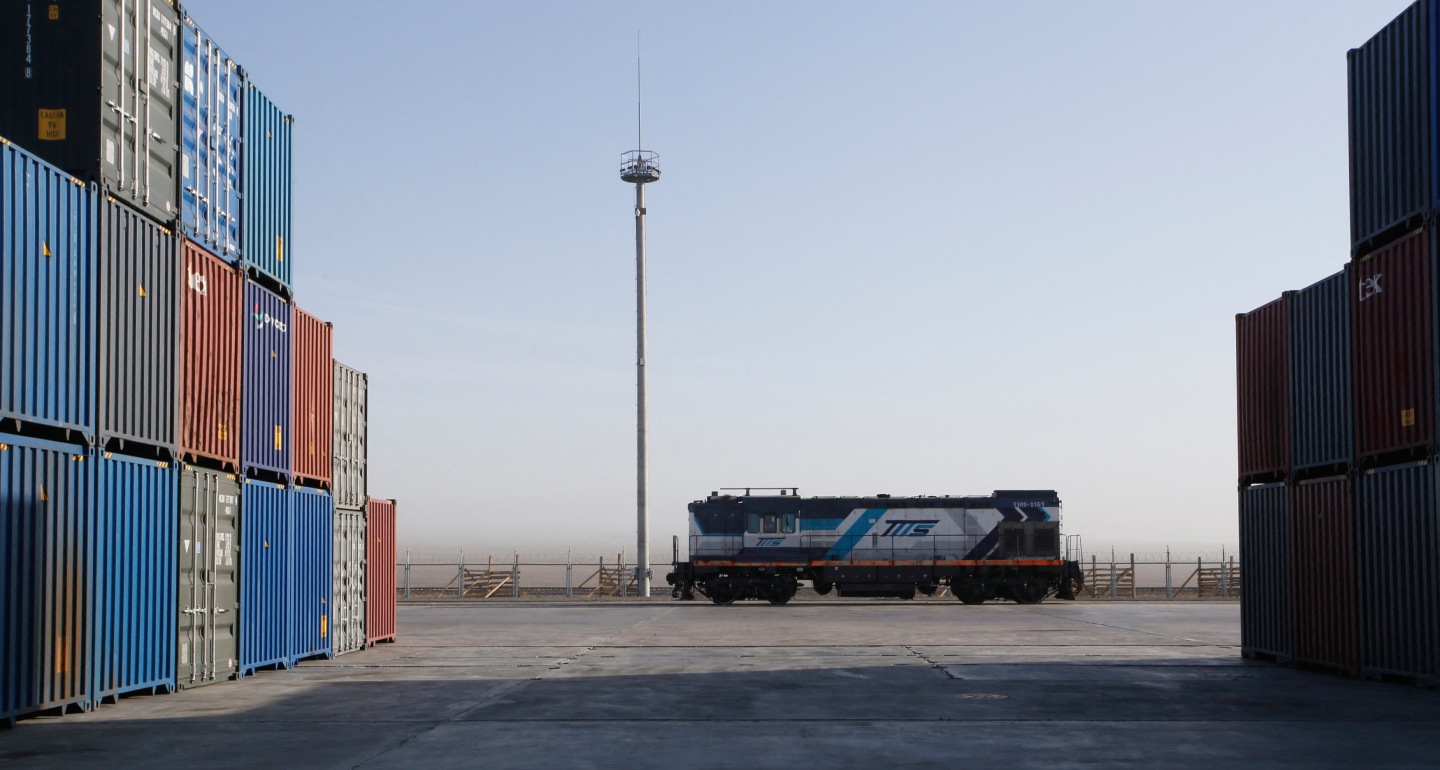
This year’s wars have made alternative routes to transit through Russia no less risky for Central Asian countries.

Galiya Ibragimova
A much-discussed disagreement over internet restrictions in Russia was never an existential threat for Putin: It was about elite groups protecting their interests.

Alexandra Prokopenko