

Other
Sharon Squassoni
{
  "authors": [
    "Sharon Squassoni"
  ],
  "type": "other",
  "centerAffiliationAll": "dc",
  "centers": [
    "Carnegie Endowment for International Peace"
  ],
  "collections": [],
  "englishNewsletterAll": "ctw",
  "nonEnglishNewsletterAll": "",
  "primaryCenter": "Carnegie Endowment for International Peace",
  "programAffiliation": "NPP",
  "programs": [
    "Nuclear Policy"
  ],
  "projects": [],
  "regions": [],
  "topics": [
    "Climate Change",
    "Foreign Policy",
    "Nuclear Policy",
    "Nuclear Energy"
  ]
}
Source: Getty
Despite talk of a renaissance, nuclear power will account for a declining percentage of global electricity generation without aggressive financial support and significant policy changes. Before committing to a rapid expansion of nuclear energy, the next U.S. administration must address critical questions about the feasibility and safety of that expansion, and act to minimize proliferation risks.
Despite talk of a renaissance, nuclear power will account for a declining percentage of global electricity generation without aggressive financial support and significant policy changes. Before committing to a rapid expansion of nuclear energy, the next U.S. administration must address critical questions about the feasibility and safety of nuclear expansion, and act to minimize current proliferation risks, concludes a new report by Sharon Squassoni.
The Limits of Nuclear Energy:
About the Author
Sharon Squassoni is a senior associate in the Nonproliferation Program. Her research focuses on nuclear nonproliferation and national security. Before joining Carnegie, she served fourteen years in the Congressional Research Service, State Department, and Arms Control and Disarmament Agency.
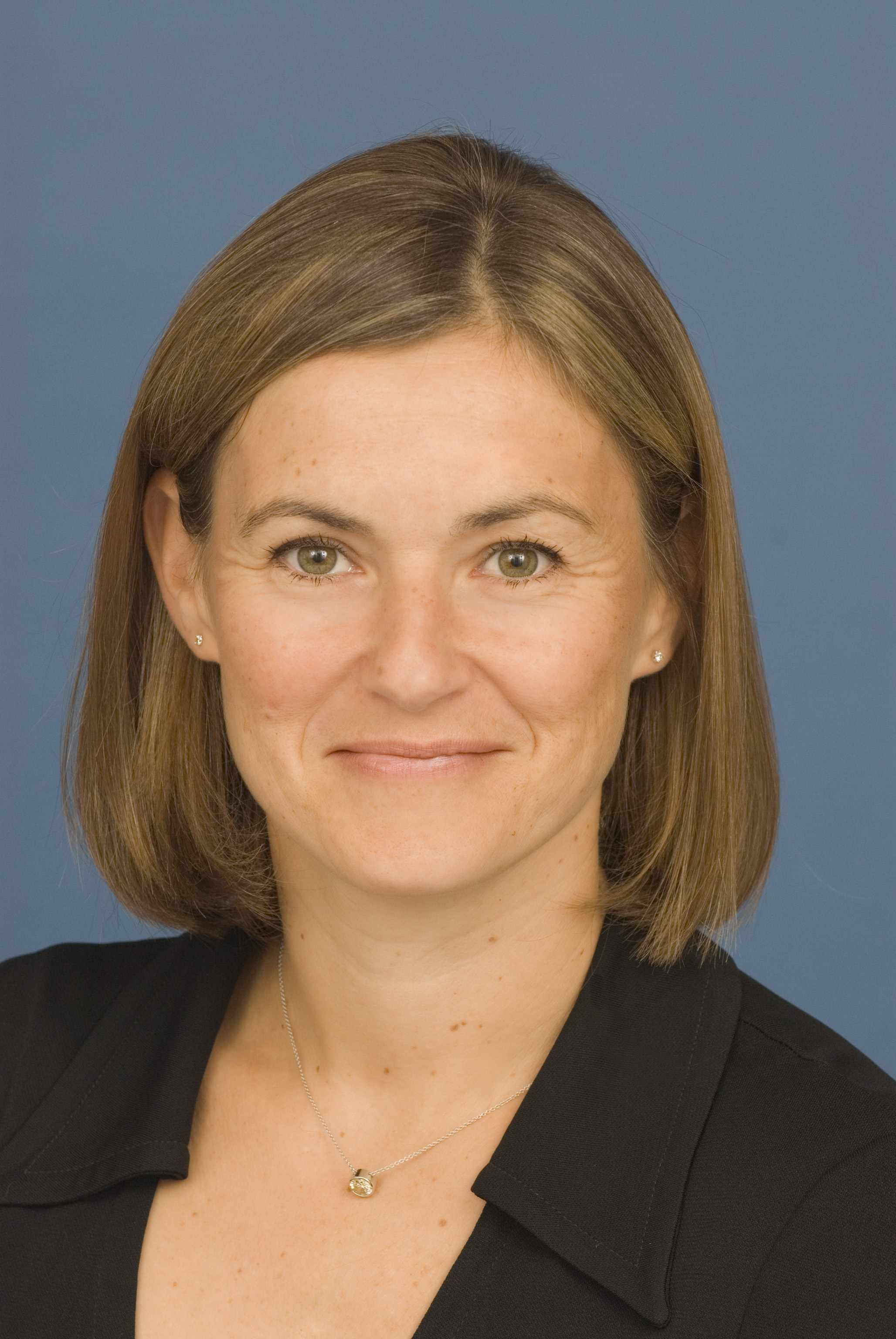
Former Senior Associate, Nuclear Policy Program
Squassoni came to Carnegie from the Congressional Research Service. She also served for nine years in the executive branch. Her last position at the State Department was director of Policy Coordination in the Nonproliferation Bureau.
Recent Work
Sharon Squassoni
Sharon Squassoni
Carnegie does not take institutional positions on public policy issues; the views represented herein are those of the author(s) and do not necessarily reflect the views of Carnegie, its staff, or its trustees.

Without a ceasefire with Ukraine on attacking each other’s energy infrastructure—to which the Kremlin is unlikely to agree—the diesel agreement between Putin and Trump is largely for show, rather than representing a genuine increase in the volumes of Russian diesel on the global market.

Sergey Vakulenko

Despite a new textbook, an influx of Russian teachers and managers, and an end to the teaching of Ukrainian, the Kremlin is unlikely to have “reprogrammed” locals.

Konstantin Skorkin

Cargo traffic through Russia’s Northern Sea Route has increased because of the disruption caused by the conflict in the Middle East, the Ukraine war, and U.S.-China tensions.

Mikhail Korostikov

Minsk clearly expected the dialogue with Washington to yield more results, in particular the lifting of EU sanctions and permission to export potash.

Artyom Shraibman

With the growth in points of friction between the great powers, organizations like the SCO will continue to play a role in the strategic adaptation of the smaller powers caught between them.

Temur Umarov