

Commentary
Two divergent trends—Putin’s hardline vision of how to prosecute the war in Ukraine, and a growing desire for change in Russia—could tear the regime apart.
Tatiana Stanovaya
{
  "authors": [],
  "type": "pressRelease",
  "centerAffiliationAll": "dc",
  "centers": [
    "Carnegie Endowment for International Peace"
  ],
  "collections": [],
  "englishNewsletterAll": "ctw",
  "nonEnglishNewsletterAll": "",
  "primaryCenter": "Carnegie Endowment for International Peace",
  "programAffiliation": "SAP",
  "programs": [
    "South Asia"
  ],
  "projects": [],
  "regions": [
    "South Asia",
    "Pakistan"
  ],
  "topics": [
    "Security"
  ]
}
REQUIRED IMAGE
Pakistan’s new and fragile government must reform the country’s intelligence agencies to counter their influence on civil society and politics.
WASHINGTON, Mar 6—Pakistan’s new and fragile government must reform the country’s intelligence agencies to counter their influence on civil society and politics, Frederic Grare explains in a new report. The army remains the dominant actor in Pakistan’s political life, despite some improvements in civil-military relations in recent years. Previous abuses of power by both Pakistani regimes and the intelligence agencies—particularly Inter-Services Intelligence (ISI)—make reforms imperative before Pakistan can continue its democratic transition.
Through interviews with Pakistani officials and case studies in Indonesia and Chile, Grare argues that with patience, resolve, and assistance from the international community, Pakistan’s government can successfully reassert civilian control over the intelligence community.
Key recommendations for the international community:
Recommendations for the Pakistani government:
Grare concludes:
“Pakistan’s civilian government would be wrong to ignore the need to decisively establish its supremacy over the intelligence community. Reducing the role of the military in intelligence should be a priority not only because it will help the government consolidate itself domestically but also because the perception abroad of Pakistan’s emerging democracy and consequent foreign support will be shaped by its capacity to impose its authority on the intelligence agencies’ activities on issues ranging from domestic terrorism to foreign policy.”
###
NOTES
Carnegie does not take institutional positions on public policy issues; the views represented herein are those of the author(s) and do not necessarily reflect the views of Carnegie, its staff, or its trustees.

Two divergent trends—Putin’s hardline vision of how to prosecute the war in Ukraine, and a growing desire for change in Russia—could tear the regime apart.

Tatiana Stanovaya

Andrey Melnichenko’s essay offers no answer to the fundamental question of how, under any kind of negotiated settlement, Europe can protect itself from the Russian ressentiment that is inevitable in all scenarios except for an outright victory for Putin.

Leonid Bershidsky
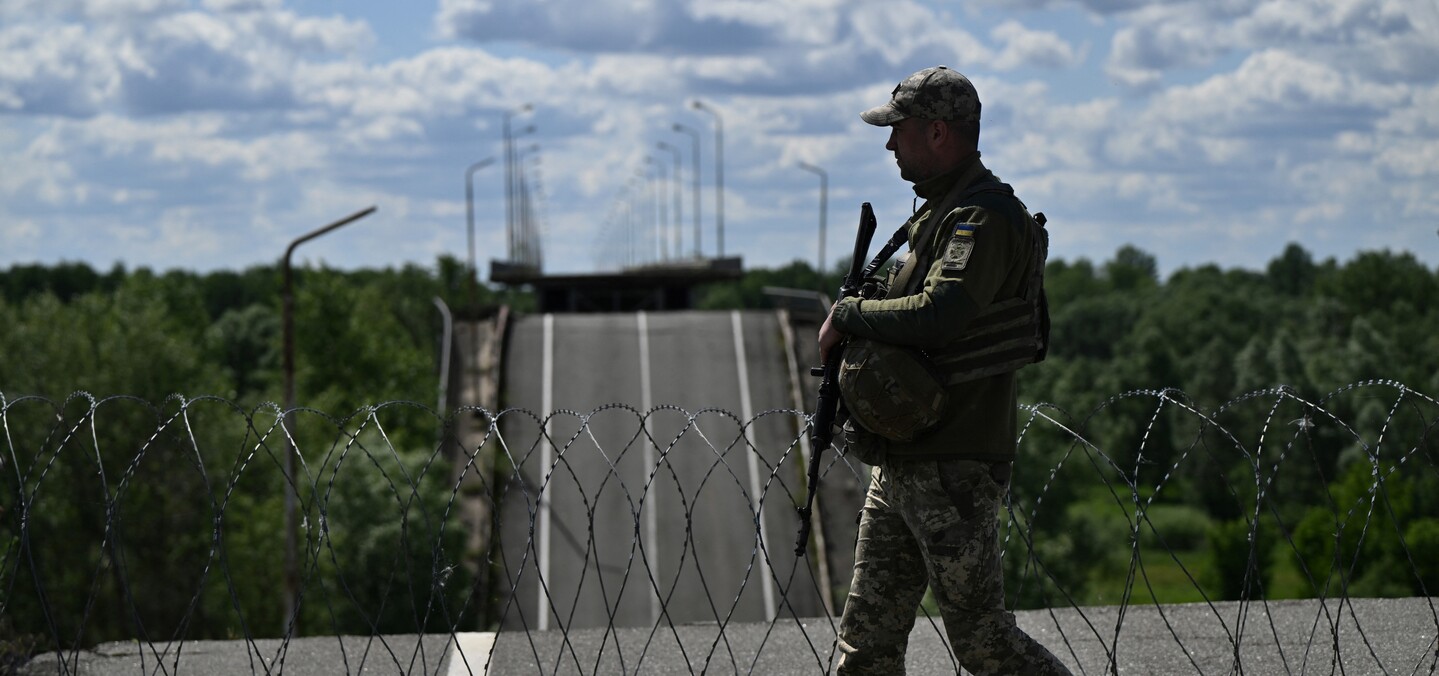
The recent damage inflicted by Ukrainian drones and missiles on Russia has made Belarus aware of its own vulnerabilities—and surprisingly amenable to Kyiv’s demands.

Artyom Shraibman
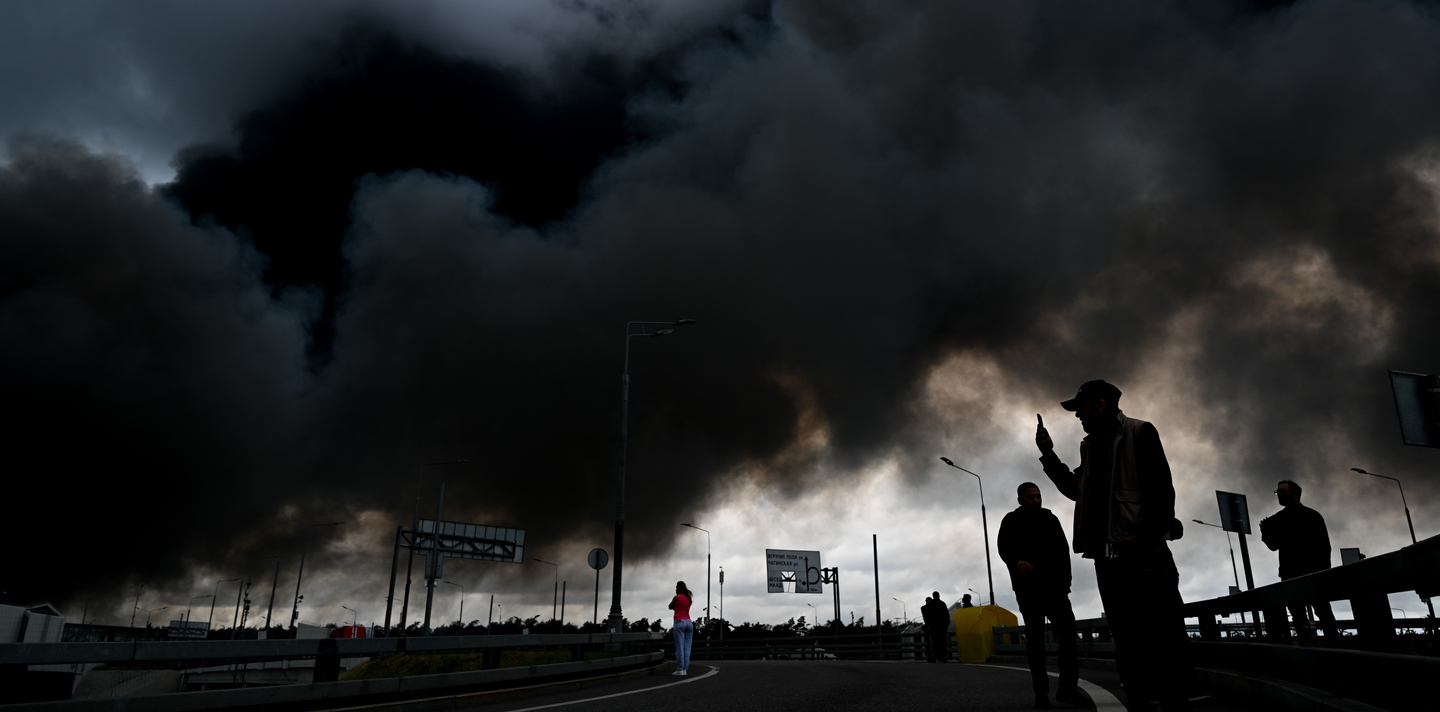
It is not a phenomenon unique to Russia that the public of a country at war (even the aggressor) enduring airstrikes will not overturn its government but rather show solidarity with it and blame its woes on the enemy.
Vladislav Gorin
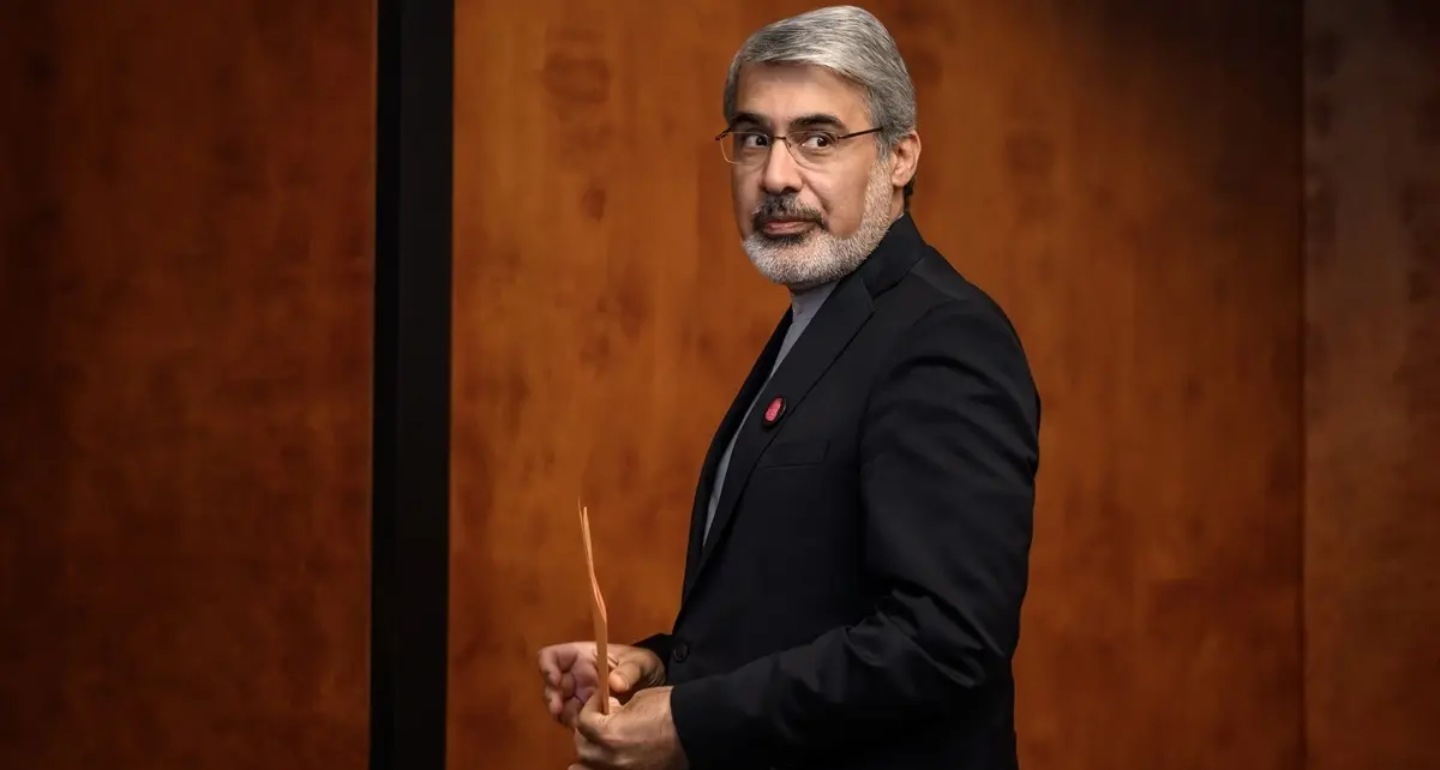
Ongoing uncertainty in the Middle East allows Moscow to both increase its influence in Tehran and continue to enjoy the financial windfall of higher oil prices.

Nikita Smagin