

Article
Pierre Goldschmidt
{
  "authors": [
    "Pierre Goldschmidt"
  ],
  "type": "legacyinthemedia",
  "centerAffiliationAll": "dc",
  "centers": [
    "Carnegie Endowment for International Peace"
  ],
  "collections": [],
  "englishNewsletterAll": "ctw",
  "nonEnglishNewsletterAll": "",
  "primaryCenter": "Carnegie Endowment for International Peace",
  "programAffiliation": "NPP",
  "programs": [
    "Nuclear Policy"
  ],
  "projects": [],
  "regions": [
    "North America",
    "South America"
  ],
  "topics": [
    "Nuclear Policy",
    "Nuclear Energy"
  ]
}
Source: Getty
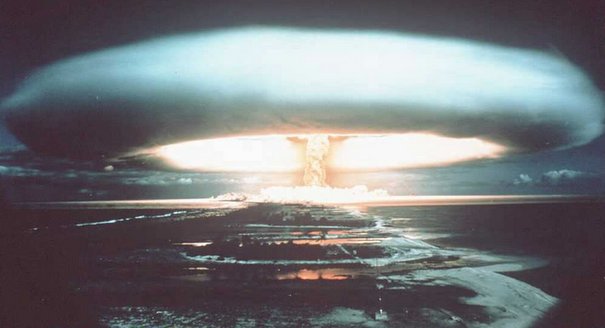
Brazil's refusal to implement the Additional Protocol to its safeguards agreement with the IAEA weakens the nonproliferation regime as a whole. Brazil should lead by example and sign and ratify the Protocol before the opening of the 2010 NPT Review Conference.
Source: Paper presented in Rio de Janeiro

Brazil’s refusal to implement the Additional Protocol to its safeguards agreement with the IAEA weakens the nonproliferation regime as a whole and blocks the Nuclear Suppliers Group from making the Additional Protocol an export condition for sensitive nuclear fuel cycle-related activities. Moreover, a PhD thesis recently published in Brazil on numerical simulations of thermonuclear detonations and ensuing statements by high-ranking Brazilian officials about lending support to the development of nuclear weapons have been particularly worrisome. As a great nation and a key member of the IAEA, Brazil should lead by example and comply with IAEA General Conference resolutions by signing and ratifying the IAEA’s Additional Protocol, hopefully before the opening of the 2010 NPT Review Conference.
Additional resources from the seminar are now available at the NPSGlobal website.
Former Nonresident Senior Associate, Nuclear Policy Program
Goldschmidt was a nonresident senior associate at the Carnegie Endowment.
Recent Work
Pierre Goldschmidt
Pierre Goldschmidt
Carnegie does not take institutional positions on public policy issues; the views represented herein are those of the author(s) and do not necessarily reflect the views of Carnegie, its staff, or its trustees.
Troubled by the growing salience of nuclear debates in East Asia, Moscow has responded in its usual way: with condemnation and threats. But by exacerbating insecurity, Russia is forcing South Korea and Japan to consider radical security options.

James D.J. Brown
For Putin, upgrading Russia’s nuclear forces was a secondary goal. The main aim was to gain an advantage over the West, including by strengthening the nuclear threat on all fronts. That made growth in missile arsenals and a new arms race inevitable.
Maxim Starchak
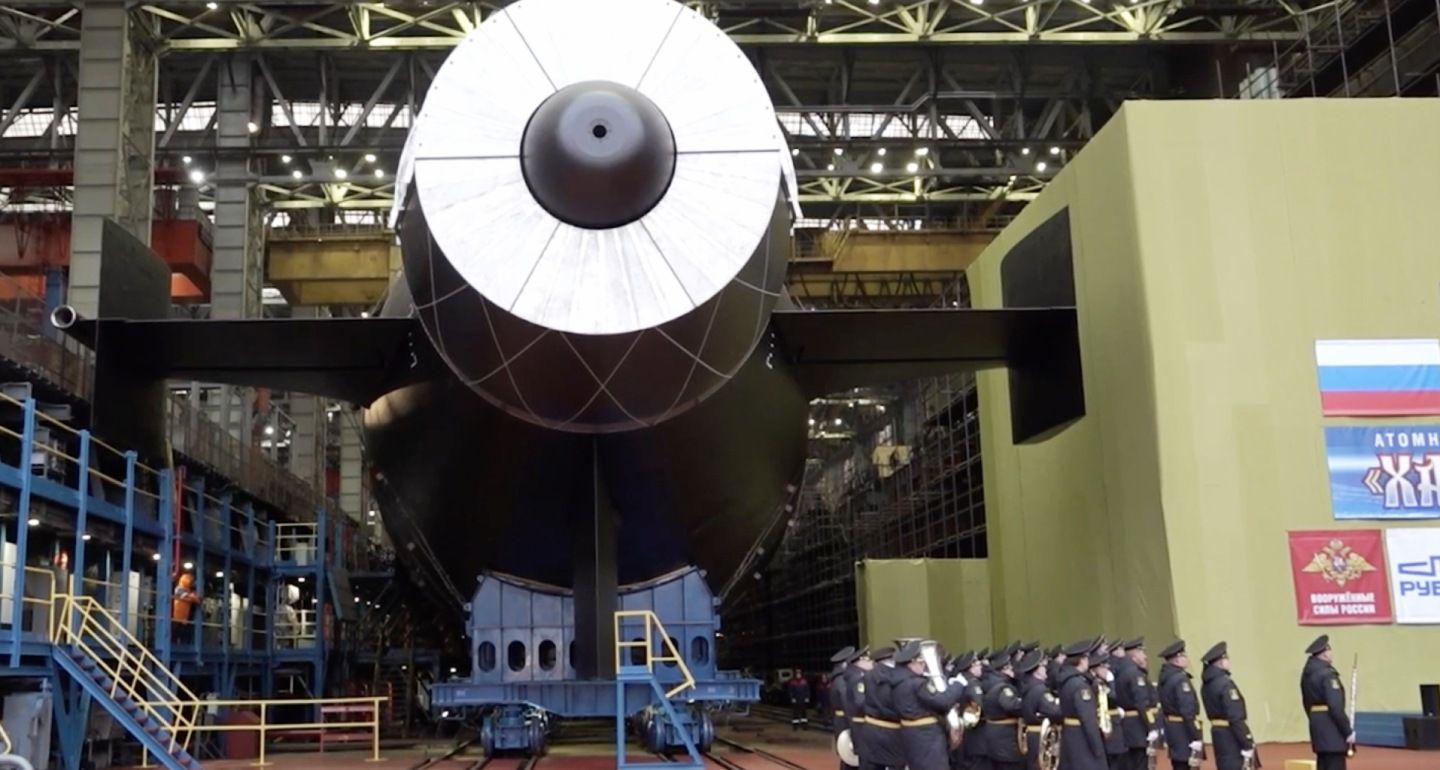
The Kremlin will only be prepared to negotiate strategic arms limitations if it is confident it can secure significant concessions from the United States. Otherwise, meaningful dialogue is unlikely, and the international system of strategic stability will continue to teeter on the brink of total collapse.
Maxim Starchak
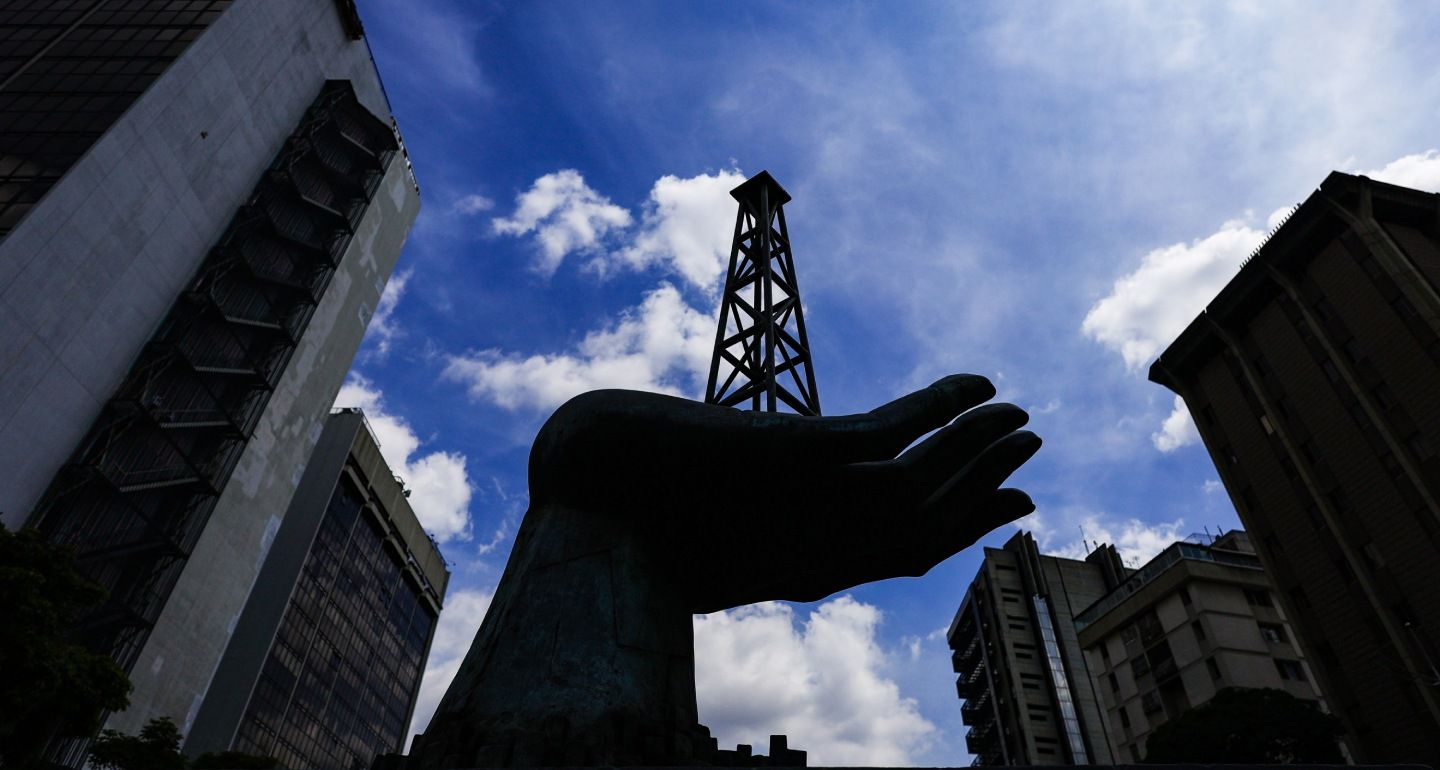
Geological complexity and years of mismanagement mean the Venezuelan oil industry is not the big prize officials in Moscow and Washington appear to believe.

Sergey Vakulenko
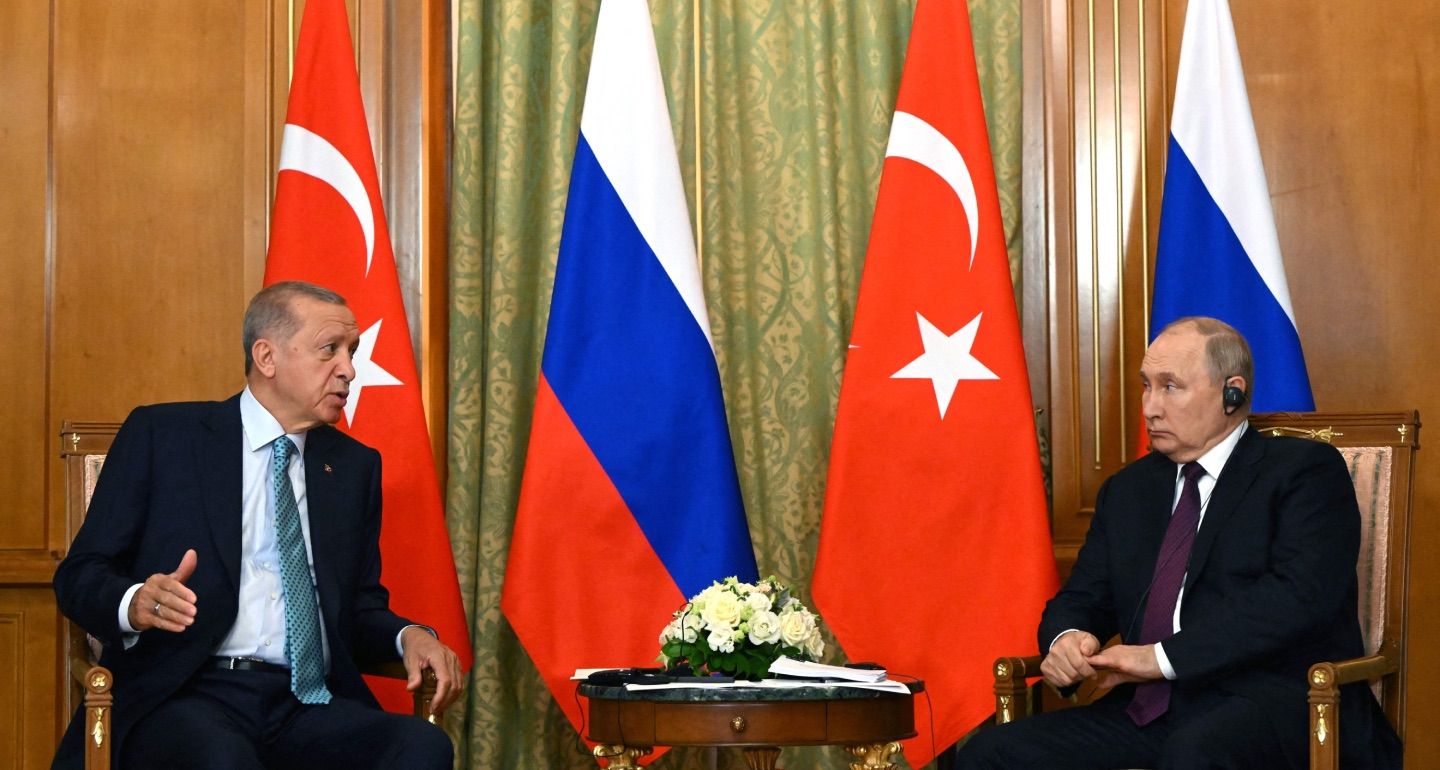
Mutual suspicion between Moscow and Ankara is growing as Türkiye cozies up to Washington and NATO while reducing its dependence on Russian energy.
Ruslan Suleymanov