

Paper
Ashley J. Tellis
{
  "authors": [
    "Ashley J. Tellis"
  ],
  "type": "other",
  "centerAffiliationAll": "dc",
  "centers": [
    "Carnegie Endowment for International Peace",
    "Carnegie Europe"
  ],
  "collections": [],
  "englishNewsletterAll": "ctw",
  "nonEnglishNewsletterAll": "",
  "primaryCenter": "Carnegie Endowment for International Peace",
  "programAffiliation": "SAP",
  "programs": [
    "South Asia"
  ],
  "projects": [],
  "regions": [
    "South Asia",
    "Pakistan",
    "East Asia",
    "China",
    "Asia"
  ],
  "topics": [
    "Nuclear Policy",
    "Nuclear Energy"
  ]
}
Source: Getty
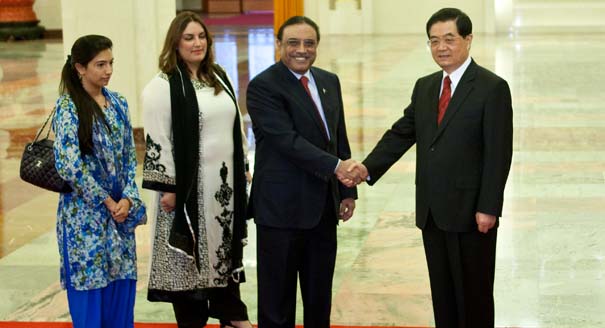
China’s commitment to provide Pakistan with two additional civilian nuclear reactors has created great unease in the international nonproliferation community. While some compare this assurance to the U.S.- India nuclear cooperation agreement, the differences between the two are significant.
China’s commitment to provide Pakistan with two additional civilian nuclear reactors has created great unease in the international nonproliferation community. While some compare this assurance to the U.S.- India nuclear cooperation agreement, the differences between the two are significant.
The United States must convey to China its strong concern about the planned reactor sale to Pakistan. The integrity of the global nonproliferation system requires an orderly and coordinated process for managing change—which the NSG provides—and China, as a member of that group, should be permitted to consummate its prospective deal with Pakistan only if it first secures an NSG exemption from the current guidelines.
By leading international opposition to the Sino-Pakistani deal in its current form—both bilaterally and multilaterally—Washington can prompt Beijing to reconsider its plans. It would also encourage other countries to insist that Beijing respect the integrity of the global nonproliferation system overseen by the NSG. China has shown its willingness in the past to listen. It is time for the United States to raise its voice again.
Former Senior Fellow
Ashley J. Tellis was a senior fellow at the Carnegie Endowment for International Peace.
Recent Work
Ashley J. Tellis
Ashley J. Tellis
Carnegie does not take institutional positions on public policy issues; the views represented herein are those of the author(s) and do not necessarily reflect the views of Carnegie, its staff, or its trustees.

With the growth in points of friction between the great powers, organizations like the SCO will continue to play a role in the strategic adaptation of the smaller powers caught between them.

Temur Umarov
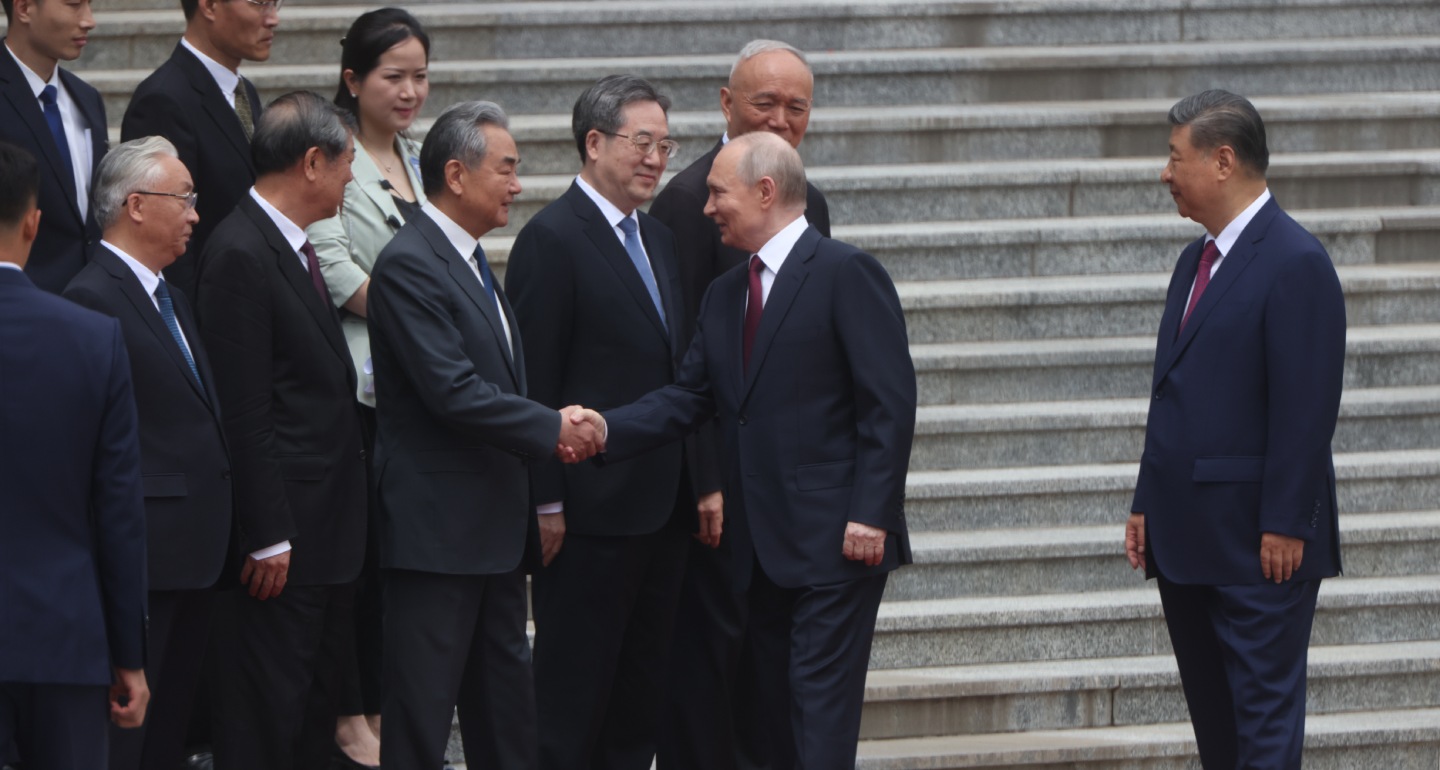
With no key agreement signed on the Power of Siberia 2 gas pipeline, there is a risk that the window of opportunity for Russia will close if Chinese power generation becomes so green that new gas sources are no longer of any interest to Beijing.

Alexander Gabuev

Tokyo would have to surmount a lot of obstacles—not least Western sanctions—if it wanted to return Russian oil imports to even modest pre-2022 volumes.

Vladislav Pashchenko
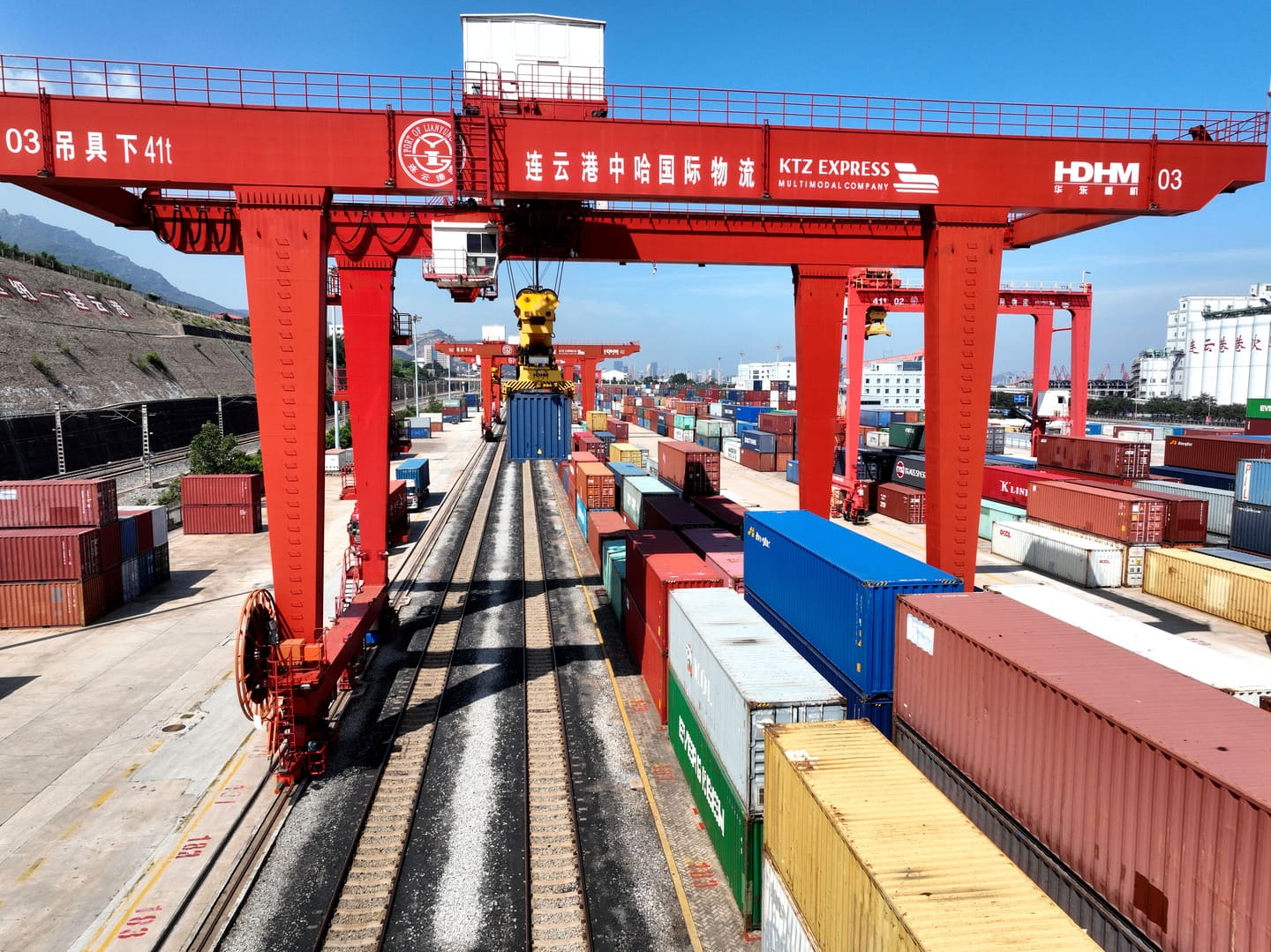
For the Middle Corridor to fulfill its promises, one of these routes must become scalable. At present, neither is.

Friedrich Conradi
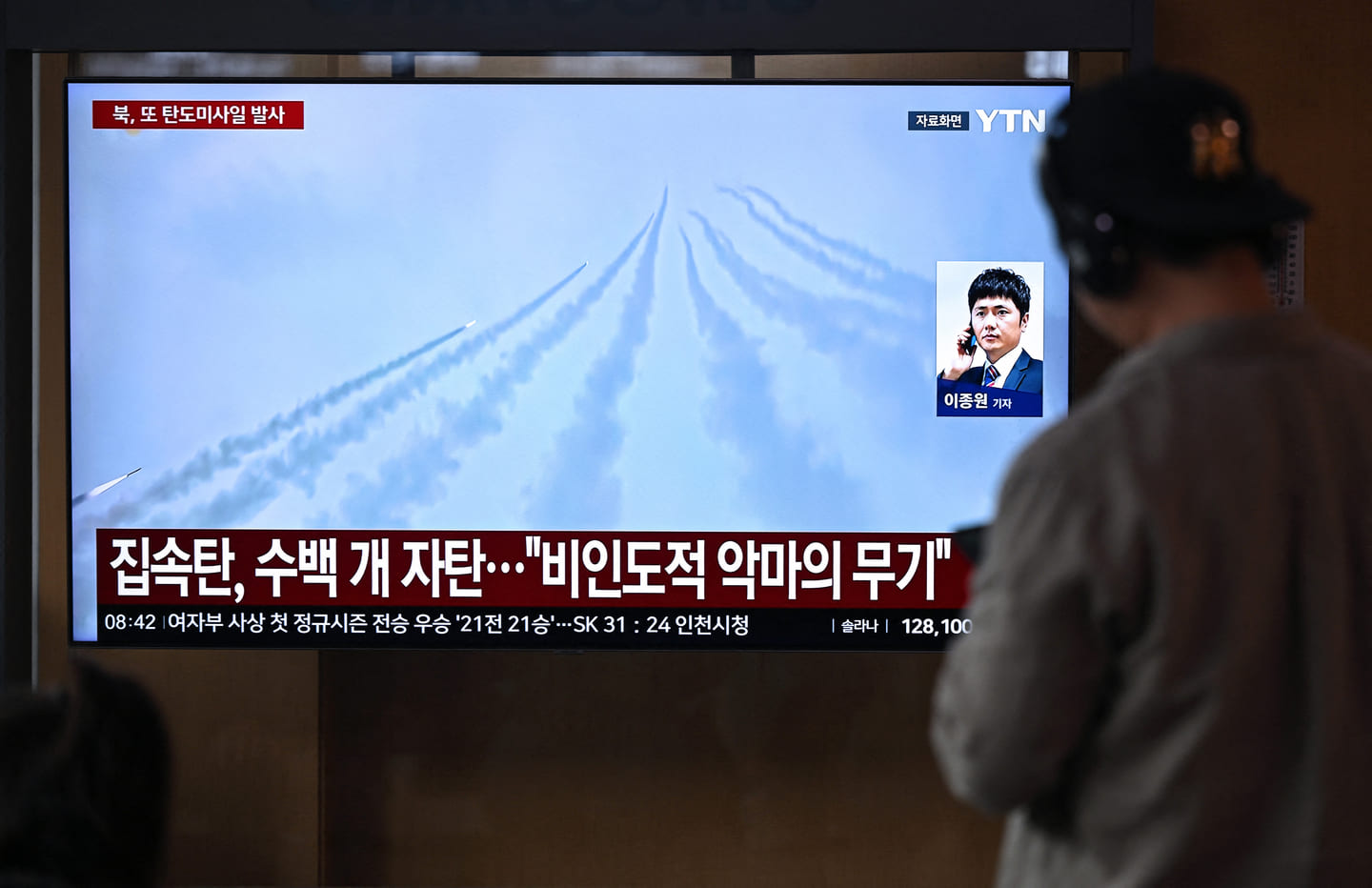
Troubled by the growing salience of nuclear debates in East Asia, Moscow has responded in its usual way: with condemnation and threats. But by exacerbating insecurity, Russia is forcing South Korea and Japan to consider radical security options.

James D.J. Brown