• Research
  • Politika
  • About
Carnegie Russia Eurasia center logoCarnegie lettermark logo
  • Donate
{
  "authors": [
    "Karim Sadjadpour"
  ],
  "type": "legacyinthemedia",
  "centerAffiliationAll": "dc",
  "centers": [
    "Carnegie Endowment for International Peace",
    "Carnegie Europe",
    "Malcolm H. Kerr Carnegie Middle East Center"
  ],
  "collections": [],
  "englishNewsletterAll": "menaTransitions",
  "nonEnglishNewsletterAll": "",
  "primaryCenter": "Carnegie Endowment for International Peace",
  "programAffiliation": "MEP",
  "programs": [
    "Middle East"
  ],
  "projects": [],
  "regions": [
    "North America",
    "United States",
    "Middle East",
    "Iran",
    "Gulf"
  ],
  "topics": [
    "Security",
    "Foreign Policy",
    "Nuclear Policy"
  ]
}
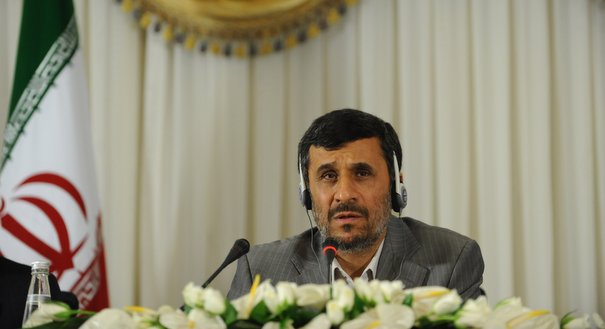
Source: Getty

In The Media

Attacking Iran: The Last Thing the U.S. Administration Wants to Do

Aside from the improbability and imprudence of a U.S. attack on Iran, it would also be a major political misstep for the Obama administration.

Link Copied
By Karim Sadjadpour
Published on Aug 17, 2010

Source: The Atlantic

Attacking Iran: The Last Thing the U.S. AdministraThis post is part of a forum on Jeffrey Goldberg's September cover story in the Atlantic detailing the prospects and implications of an Israeli strike against Iran. Follow the debate here.

In a few days, I'm slated to offer a longer riposte to Jeffrey Goldberg's story addressing the probability and prudence of an Israeli strike on Iran (sneak peak: I think it unlikely and highly imprudent). In the meantime, I am tasked with responding to Elliott Abrams's more narrowly framed argument that a U.S. military attack against Iran would benefit Obama domestically, and that a failure to act accordingly could cost him the 2012 presidential election.
 
If I were to look at Iran policy solely through the eyes of a David Plouffe or a David Axelrod -- i.e., in a way driven by domestic political expediency -- I would mull over the following data points: In a Gallup poll from last week, 65 percent of Americans cited the economy as their top concern, while less than 1 percent listed Iran's nuclear program.
 
Put another way (according to a recent Pew poll), three times as many Americans followed the news that a Dutch man suspected in the 2005 disappearance of Alabama teen Natalee Holloway confessed to having killed a woman in Peru, as followed the latest news about sanctions and Iran's nuclear program.
 
On the basis of this information, I would conclude that, whereas Iran now has a seemingly negligible impact on daily American life, an attack on Iran -- which would cause oil prices to skyrocket to unprecedented levels (perhaps $200 barrel) -- would have a significantly adverse impact on the daily lives of Americans.
 
At a time when the unemployment rate is above 10 percent and economic recovery is tenuous, I can't image that $5-per-gallon gasoline would auger well for Obama and the Democrats.
 
If I were Plouffe or Axelrod, my sense of urgency about taking action against Iran would be further tempered by the facts that: a) the centerpiece of Obama's foreign policy has been an effort to stabilize Afghanistan and draw down troops in Iraq, and bombing Iran would make both tasks doubly difficult; b) one of the reasons why Obama defeated Hillary Clinton in the primaries was his opposition to, and her support for, the Iraq war, and bombing Iran would alienate, rather than energize, the Democratic base; and c) by all accounts, Iran does not have the wherewithal to develop and test a nuclear bomb before November 2012 (assuming that it wants to).
 
Given all these factors, I think that Plouffe or Axelrod would swiftly reach precisely the opposite conclusion from Elliott Abrams's. I.e., they would conclude that a military attack on Iran, and the myriad long-term repercussions of such an attack (which I will address later), could well sabotage Obama's chance at re-election. As a longtime student of the cynical, Machiavellian world of Middle Eastern politics, I suspect that's why Elliott offered such advice in the first place.

About the Author

Karim Sadjadpour

Senior Fellow, Middle East Program

Karim Sadjadpour is a senior fellow at the Carnegie Endowment for International Peace, where he focuses on Iran and U.S. foreign policy toward the Middle East.

    Recent Work

  • Q&A
    What’s Keeping the Iranian Regime in Power—for Now

      Aaron David Miller, Karim Sadjadpour, Robin Wright

  • Q&A
    How Washington and Tehran Are Assessing Their Next Steps

      Aaron David Miller, David Petraeus, Karim Sadjadpour

Karim Sadjadpour
Senior Fellow, Middle East Program
Karim Sadjadpour
SecurityForeign PolicyNuclear PolicyNorth AmericaUnited StatesMiddle EastIranGulf

Carnegie does not take institutional positions on public policy issues; the views represented herein are those of the author(s) and do not necessarily reflect the views of Carnegie, its staff, or its trustees.
More Work from Carnegie Russia Eurasia Center

  • Commentary
    Carnegie Politika
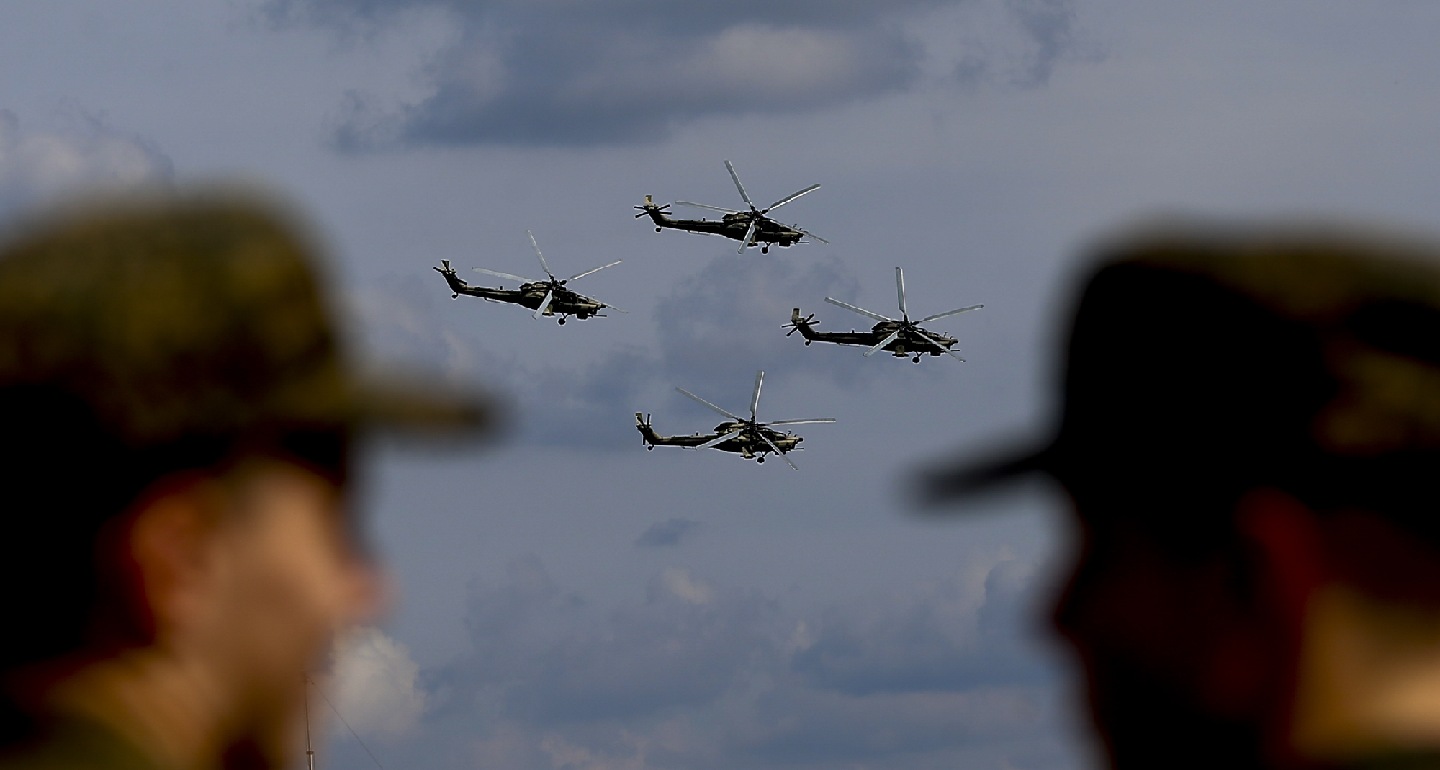
    How Far Can Russian Arms Help Iran?

    Arms supplies from Russia to Iran will not only continue, but could grow significantly if Russia gets the opportunity.

      Nikita Smagin
  • Commentary
    Carnegie Politika
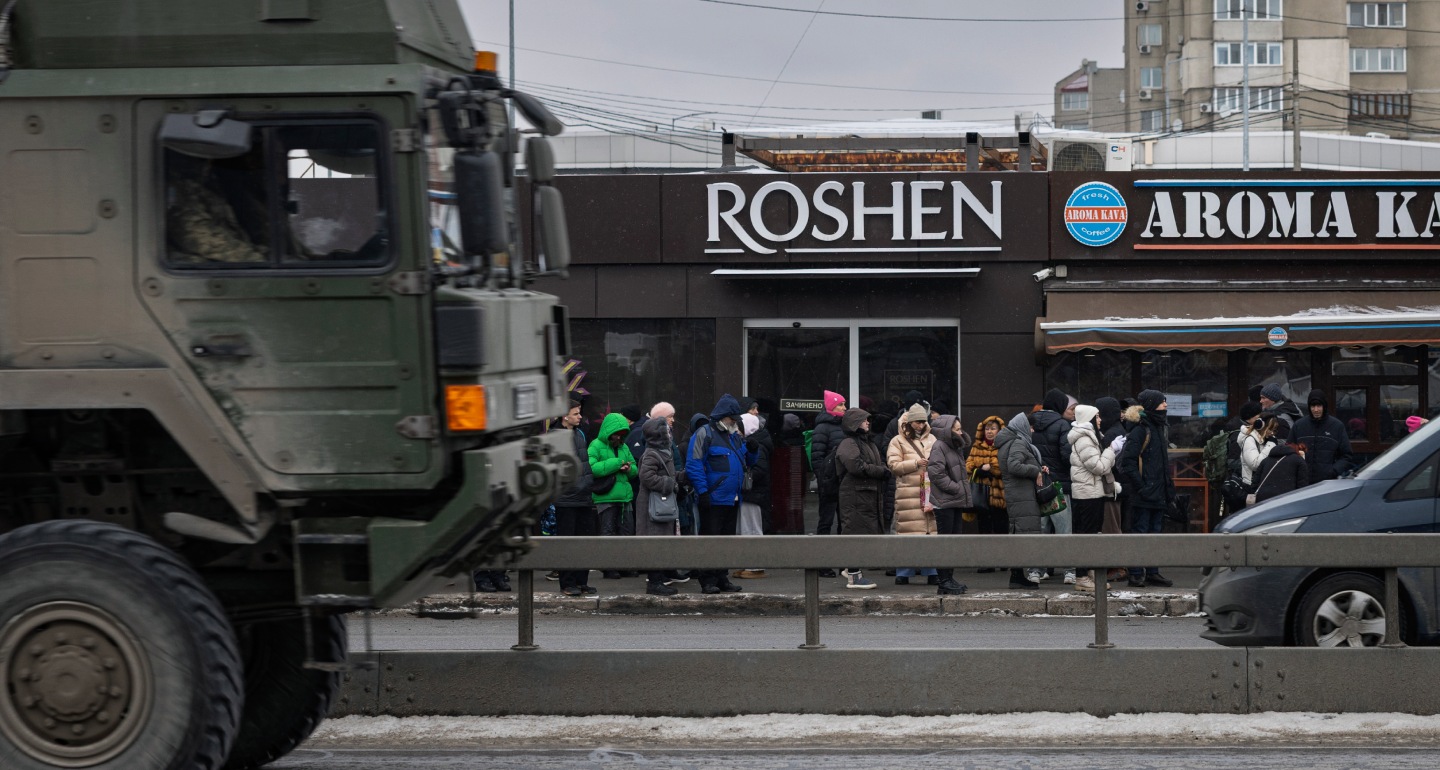
    Can the Disparate Threads of Ukraine Peace Talks Be Woven Together?

    Putin is stalling, waiting for a breakthrough on the front lines or a grand bargain in which Trump will give him something more than Ukraine in exchange for concessions on Ukraine. And if that doesn’t happen, the conflict could be expanded beyond Ukraine.

      Alexander Baunov
  • Commentary
    Carnegie Politika
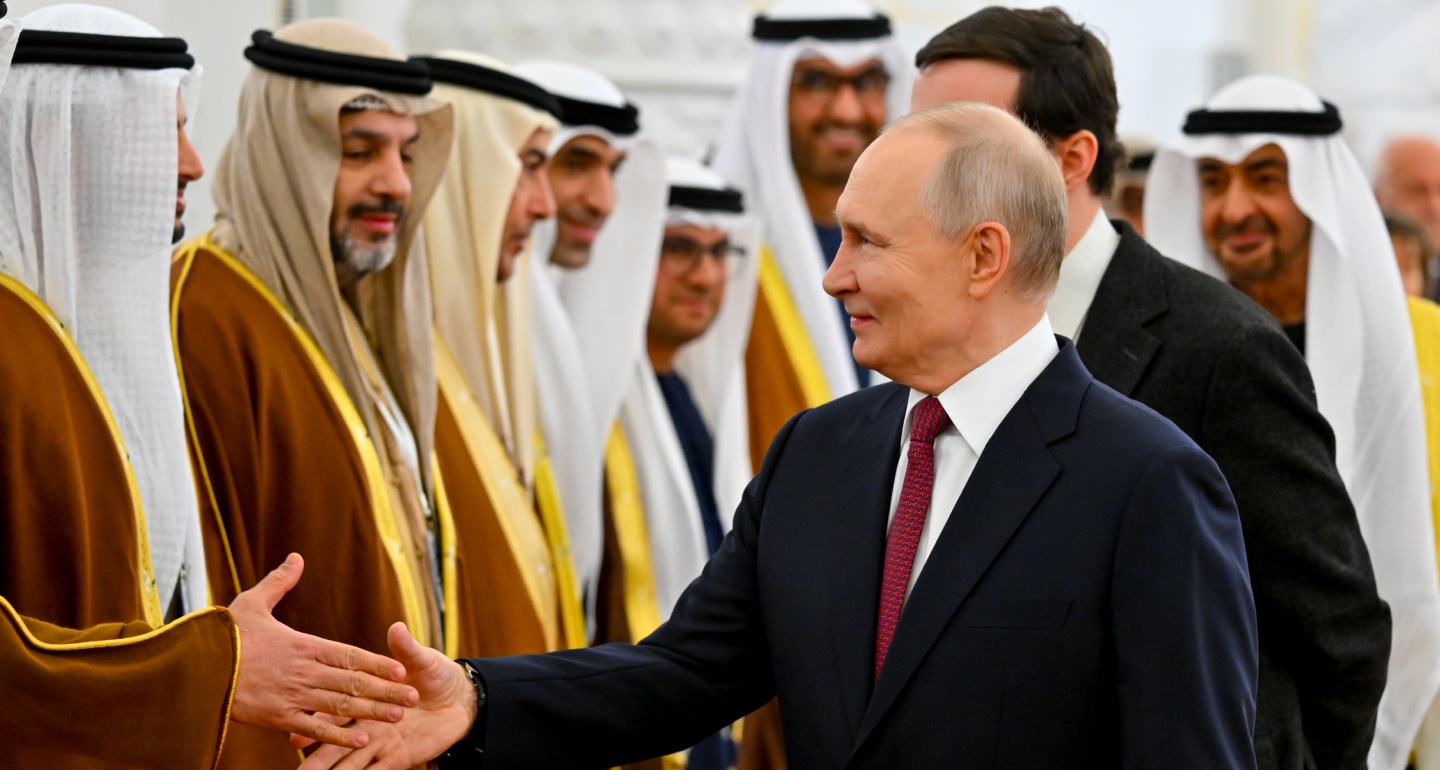
    Once Neutral on the Ukraine War, Arab States Increasingly Favor Moscow

    Disillusioned with the West over Gaza, Arab countries are not only trading more with Russia; they are also more willing to criticize Kyiv.  

      Ruslan Suleymanov

  • Commentary
    Carnegie Politika
    How Will the Loss of Starlink and Telegram Impact Russia’s Military?

    With the blocking of Starlink terminals and restriction of access to Telegram, Russian troops in Ukraine have suffered a double technological blow. But neither service is irreplaceable.

      Maria Kolomychenko
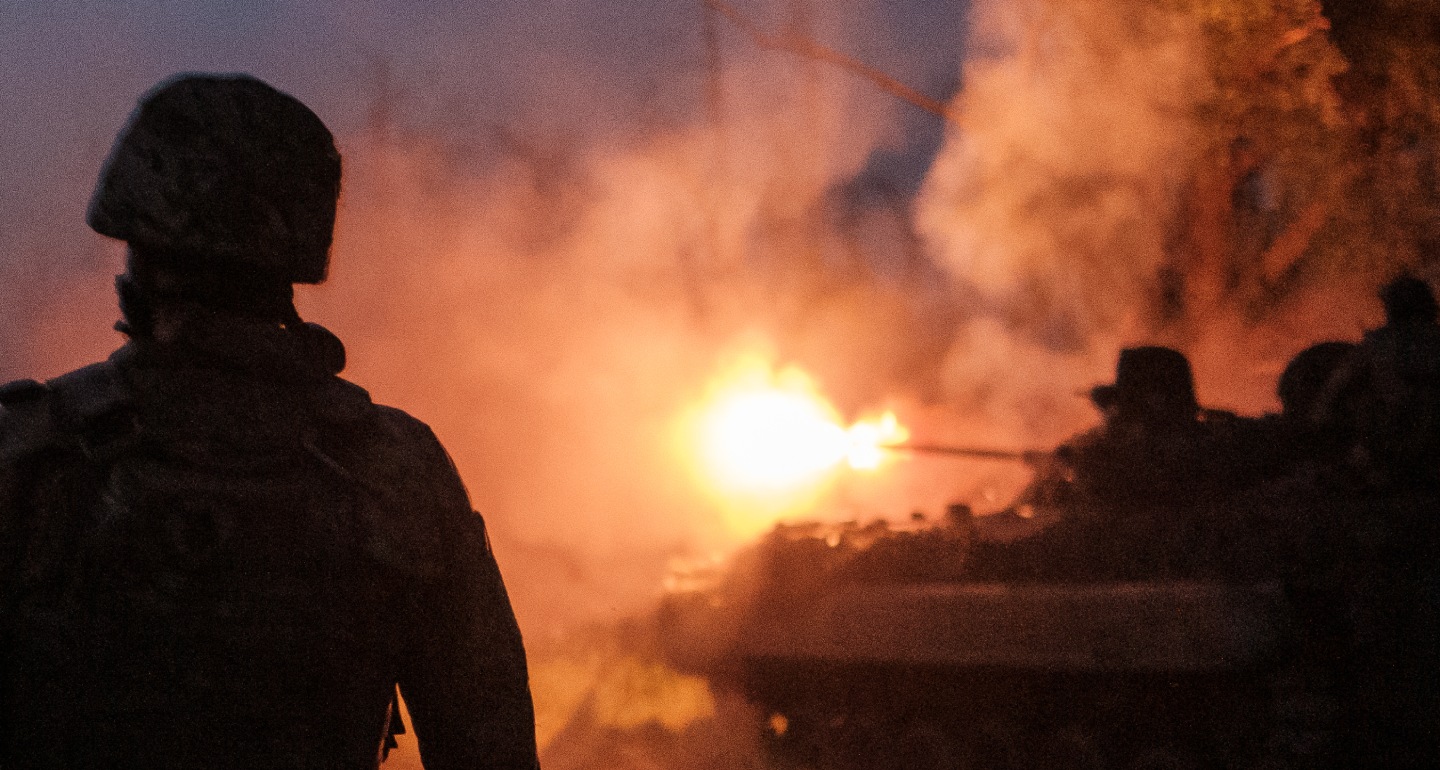
  • Commentary
    Carnegie Politika
    Signs of an Imminent End to the Ukraine War Are Deceptive

    The main source of Russian aggression is a profound mistrust of the West and the firm belief that it intends to inflict a “strategic defeat” on Russia. As long as this fear persists, the war will not end.

      Tatiana Stanovaya

Get more news and analysis from
Carnegie Russia Eurasia Center
Carnegie Russia Eurasia logo, white
  • Research
  • Politika
  • About
  • Experts
  • Events
  • Contact
  • Privacy
Get more news and analysis from
Carnegie Russia Eurasia Center
© 2026 Carnegie Endowment for International Peace. All rights reserved.

