

Article
Thomas de Waal
{
  "authors": [
    "Thomas de Waal"
  ],
  "type": "legacyinthemedia",
  "centerAffiliationAll": "dc",
  "centers": [
    "Carnegie Endowment for International Peace",
    "Carnegie Europe",
    "Carnegie Russia Eurasia Center"
  ],
  "collections": [],
  "englishNewsletterAll": "ctw",
  "nonEnglishNewsletterAll": "",
  "primaryCenter": "Carnegie Europe",
  "programAffiliation": "russia",
  "programs": [
    "Russia and Eurasia"
  ],
  "projects": [],
  "regions": [
    "Russia",
    "Eastern Europe",
    "Caucasus",
    "Georgia"
  ],
  "topics": [
    "Security",
    "Foreign Policy"
  ]
}
Source: Getty
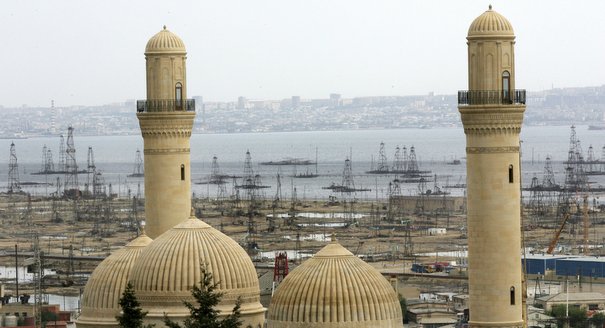
Two years since fighting broke out between Georgia and Russia, the situation in the separatist territories of Abkhazia and South Ossetia remains deadlocked and the current western policy of strong rhetorical support for the Georgian position substitutes easy words for hard diplomatic work.
Source: The Financial Times

Moscow insists that Abkhazia and South Ossetia are now fully independent states. Washington reaffirms its support for Georgia’s claims on the two territories. Hillary Clinton, secretary of state, again emphasised American support for Georgia’s territorial integrity in Tbilisi last month, referring to the Russian presence in the separatist territories as “occupation”.
A cool look at the facts suggests that neither position reflects the realities on the ground. South Ossetia, with a population of about 30,000, will never be independent, but the bloodshed of 2008 has set back any rapprochement with Georgia by many years. Abkhazia is much bigger and enjoys a sort of proto-statehood on its Black Sea coast. While it too has little chance of being recognised as independent, it has broken decisively with post-Soviet Georgia, of which it was never fully a part. Most Abkhaz welcome the Russian military presence as a guarantor of their security.
Eventual compromise is inevitable here. But for this to happen, the global parties need to wind down their rhetoric and stop looking at these conflicts through a cold war prism.
The first point to appreciate is that the August war actually weakened Russia’s position in the Caucasus. The recognition policy for Abkhazia and South Ossetia damaged Moscow internationally and no other post-Soviet state followed its example. In the North Caucasus, the policy stirred up more trouble among would-be Islamic separatists. On the south side of the mountains, Russia has few levers and must work with local elites to retain any influence.
Focused on economic recovery and political consolidation, Russia is also accepting that it must use economic instruments, not coercion, to maintain a presence in its near-abroad. The recent quarrel with Belarus over gas supplies, the decision not to intervene in Kyrgyzstan and the decision to cut Russian tank numbers by 90 per cent all form part of this picture.
Abkhazia and South Ossetia, both of which share borders and historic ties with Russia, remain real security headaches. The existence in particular of a separatist South Ossetia with Russian troops an hour’s drive away from Tbilisi poses a direct security challenge to the Georgian state.
But a better US-Russian relationship dramatically reduces the chance of a new flare-up in South Ossetia. In the long term, if the Ossetians were allowed to opt not for Russia or Georgia but for self-government with ties to both, they would probably seize the chance with both hands. Georgians and Ossetians have always intermarried and traded, and South Ossetia is geographically inside Georgia, linked to Russia by only one tunnel.
Abkhazia is a harder case, but there are at least a dozen territories in Europe with asymmetric sovereignty arrangements: think of Andorra, Liechtenstein and the Aaland Islands, not to mention Scotland or Northern Ireland, where “separatist” ministers sit in government. If such creative thinking had been applied to Abkhazia, the conflict might have been solved long ago.
Could Russia make Georgia part of the “reset” in relations with the west? Realistically, progress is unlikely at the moment as President Mikheil Saakashvili, the sworn enemy of Moscow, serves out his second term and while the wounds of 2008 are fresh. But Russia has good reasons to want to share this problem in the long term. In the meantime, the situation needs more effective conflict management – preventing incidents on the ground from getting out of control – and more nuanced language. The current western policy of strong rhetorical support for the Georgian position substitutes easy words for hard work.
The date to look forward to is 2014, when the Winter Olympics arrive on the Black Sea coast in Sochi, next door to Abkhazia. Good groundwork could make the games in four years’ time a reason for rapprochement.

Senior Fellow, Carnegie Europe
Thomas de Waal is a senior fellow at Carnegie Europe, specializing in Eastern Europe and the Caucasus.
Recent Work
Thomas de Waal
Thomas de Waal
Carnegie does not take institutional positions on public policy issues; the views represented herein are those of the author(s) and do not necessarily reflect the views of Carnegie, its staff, or its trustees.

Depleted financial reserves and a shrinking tax base mean it is no longer possible to simultaneously deliver high defense spending, price stability, and economic growth.

Alexandra Prokopenko
Blurring the line between humans and animals is a long-standing tradition in social utopian prose. In his latest novel, Leonid Bershidsky reminds us that in social experiments, people are often treated no differently than animals.

Alexander Baunov
While France and Australia are seeking to establish the legal obligations of messaging apps like Telegram, Russia wants total subordination.

Maria Kolomychenko
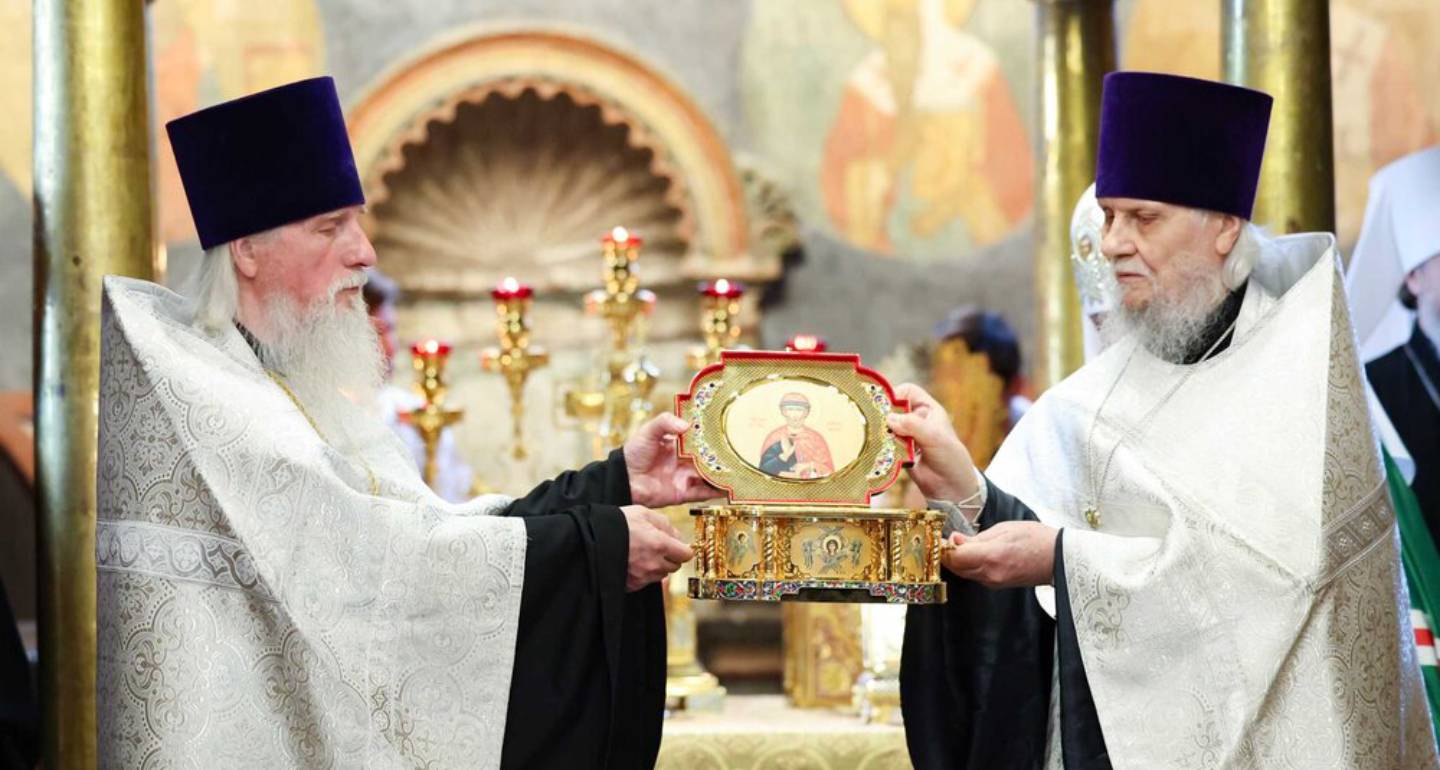
The recent uncovering of Dmitry Donskoy’s relics in the Cathedral of the Archangel is yet another attempt by the Russian Orthodox Church to help the state solve its problems. However, parroting the state’s version of Russian history leaves the Church with no message except “patriotism.”
Alexander Zanemonets

With the growth in points of friction between the great powers, organizations like the SCO will continue to play a role in the strategic adaptation of the smaller powers caught between them.

Temur Umarov