

Paper
James M. Acton, Ankit Panda
{
  "authors": [
    "James M. Acton"
  ],
  "type": "legacyinthemedia",
  "centerAffiliationAll": "dc",
  "centers": [
    "Carnegie Endowment for International Peace"
  ],
  "collections": [],
  "englishNewsletterAll": "ctw",
  "nonEnglishNewsletterAll": "",
  "primaryCenter": "Carnegie Endowment for International Peace",
  "programAffiliation": "NPP",
  "programs": [
    "Nuclear Policy"
  ],
  "projects": [],
  "regions": [
    "East Asia",
    "Japan"
  ],
  "topics": [
    "Nuclear Policy",
    "Nuclear Energy"
  ]
}
Source: Getty
Conditions at Japan’s Fukushima nuclear reactors, damaged by the devastating earthquake and subsequent tsunami, remain tense, as water levels around the spent fuel rods in one reactor continue to drop, exposing the rods to the air.
Source: NBC
In the wake of the devastating earthquake and subsequent tsunami on March 11, Japan’s Fukushima nuclear reactor crisis took serious damage, although the extent of the damage remains unclear. Of particular concern is the spent fuel pool in reactor four. Water surrounding these rods is intended to both shield the spent fuel rods from releasing radiation and to cool them, explained Carnegie’s James Acton to Matt Lauer on NBC’s Today Show. However, water levels have gone down and the rods are now exposed. It remains unclear why water levels have dropped or what will happen as the fuel rods grow more exposed. Acton explained that evaporation is unlikely to have caused the depleted water levels, suggesting that there is a reasonable chance the pool was damaged by the tsunami. Nuclear experts disagree on whether the rods will start burning when exposed, Acton added.
With so much uncertainty and a situation that has escalated far beyond what the nuclear plants were designed to handle has required the Japanese government to improvise, Acton said. Helicopters have dumped tons of water onto reactor three in an effort to keep it cool. Throughout the Fukushima nuclear power plant, radiation levels have been fluctuating wildly and workers there are operating at great personal risk. Acton suggested that the depth of this crisis indicates a need for a wholesale review of whether nuclear plants are capable of withstanding the full range of disasters to which they may be exposed.

Jessica T. Mathews Chair, Co-director, Nuclear Policy Program
Acton holds the Jessica T. Mathews Chair and is co-director of the Nuclear Policy Program at the Carnegie Endowment for International Peace.
Recent Work

James M. Acton, Ankit Panda
James M. Acton
Carnegie does not take institutional positions on public policy issues; the views represented herein are those of the author(s) and do not necessarily reflect the views of Carnegie, its staff, or its trustees.
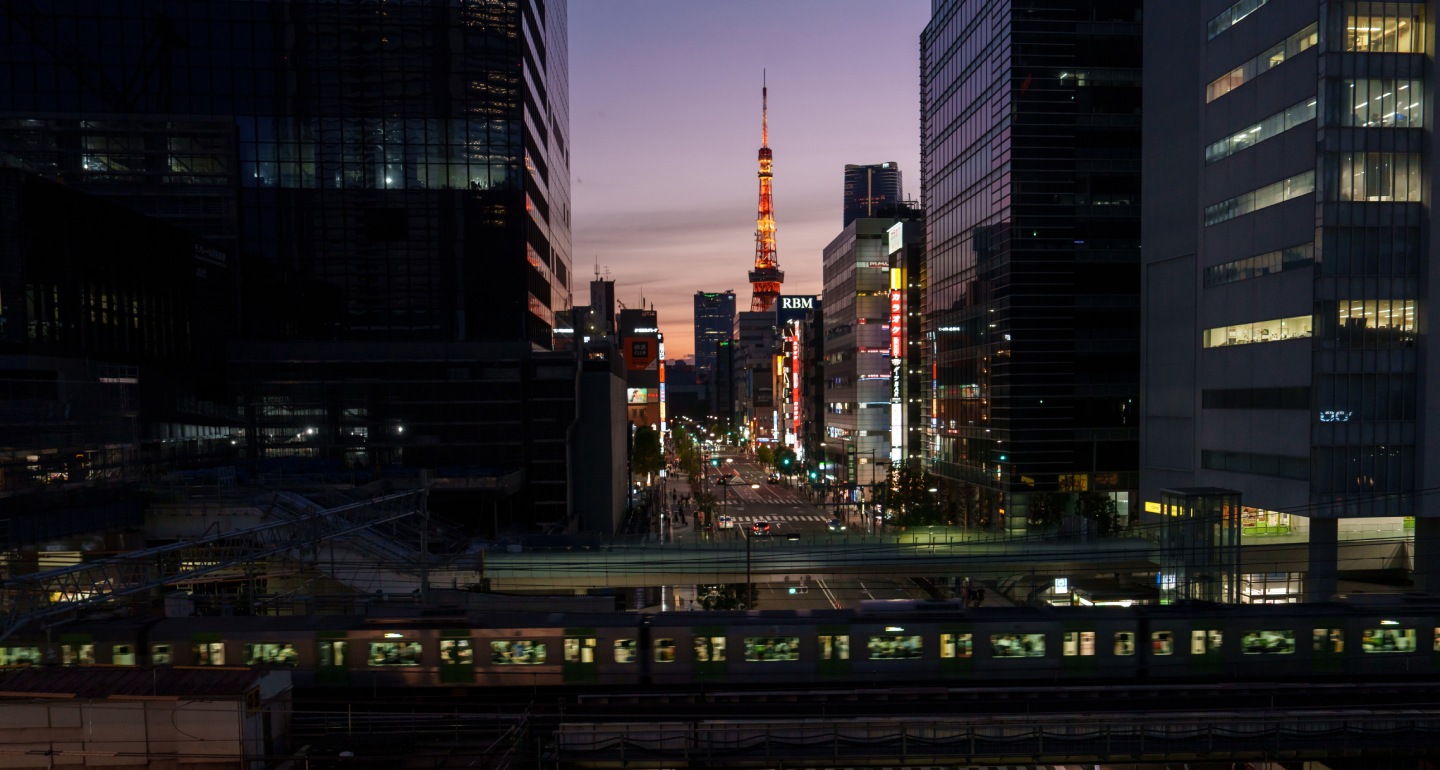
The truth is that Japan’s government is seeking a degree of reengagement but at a vastly reduced level than under Abe. Most significantly, Japan has shown no willingness to ease sanctions.

James D.J. Brown
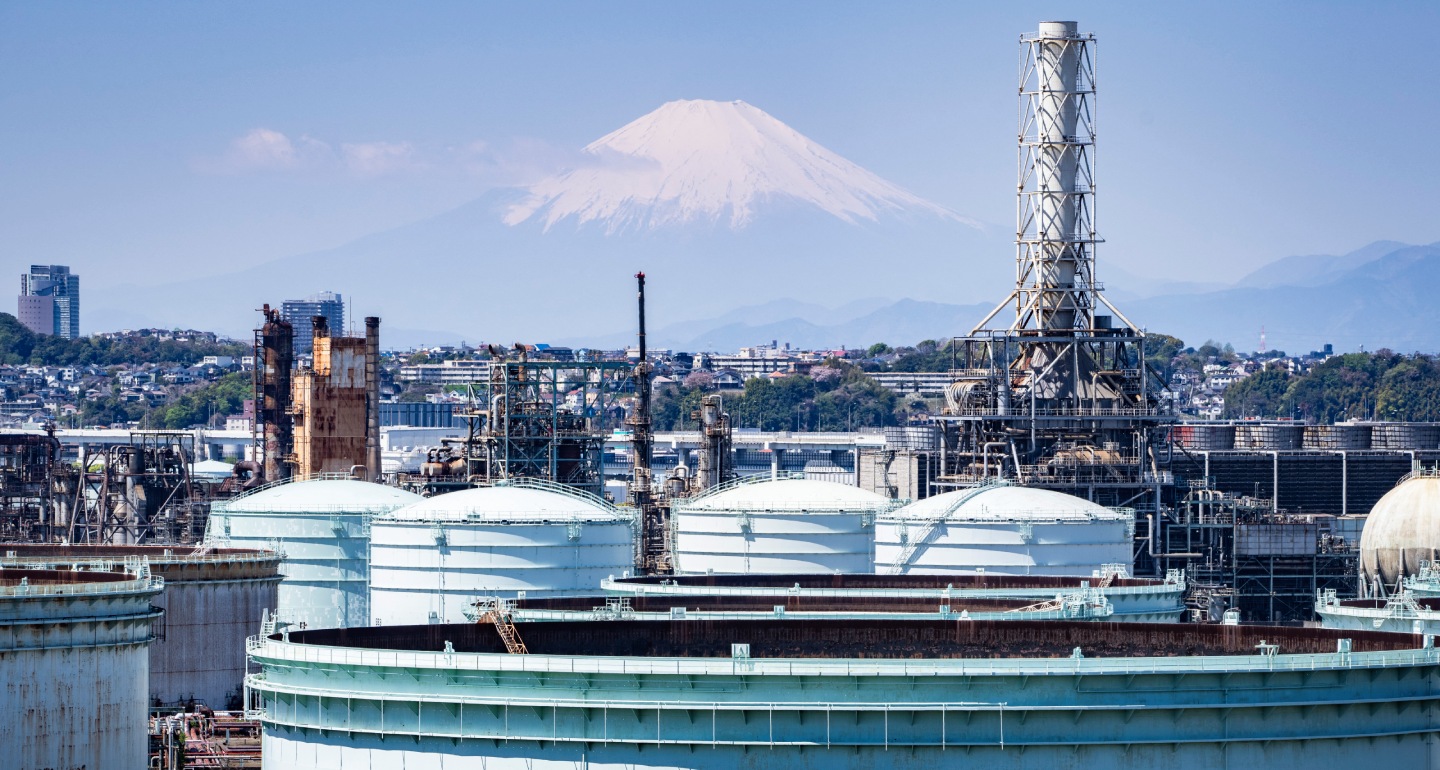
Tokyo would have to surmount a lot of obstacles—not least Western sanctions—if it wanted to return Russian oil imports to even modest pre-2022 volumes.

Vladislav Pashchenko
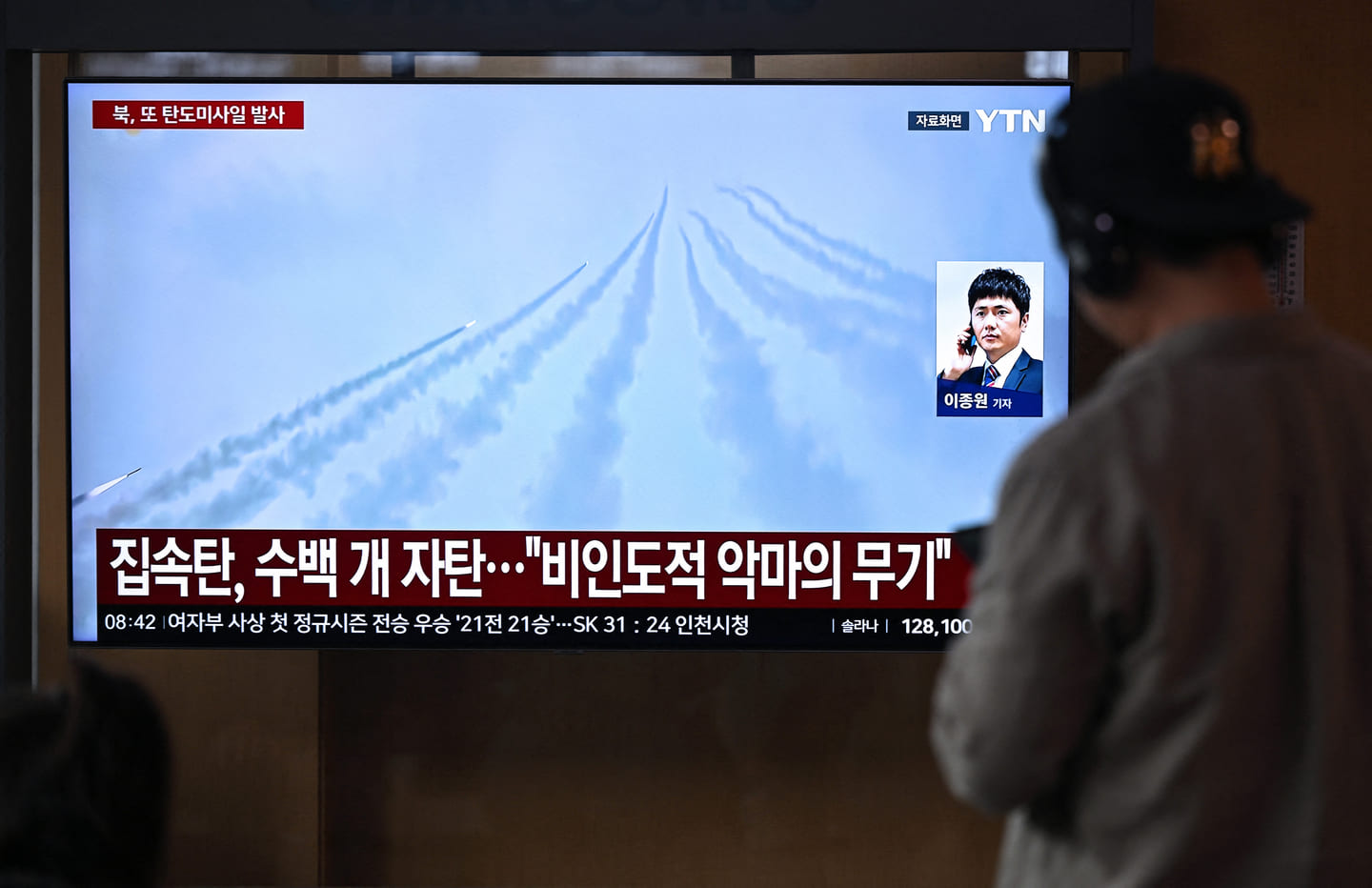
Troubled by the growing salience of nuclear debates in East Asia, Moscow has responded in its usual way: with condemnation and threats. But by exacerbating insecurity, Russia is forcing South Korea and Japan to consider radical security options.
James D.J. Brown
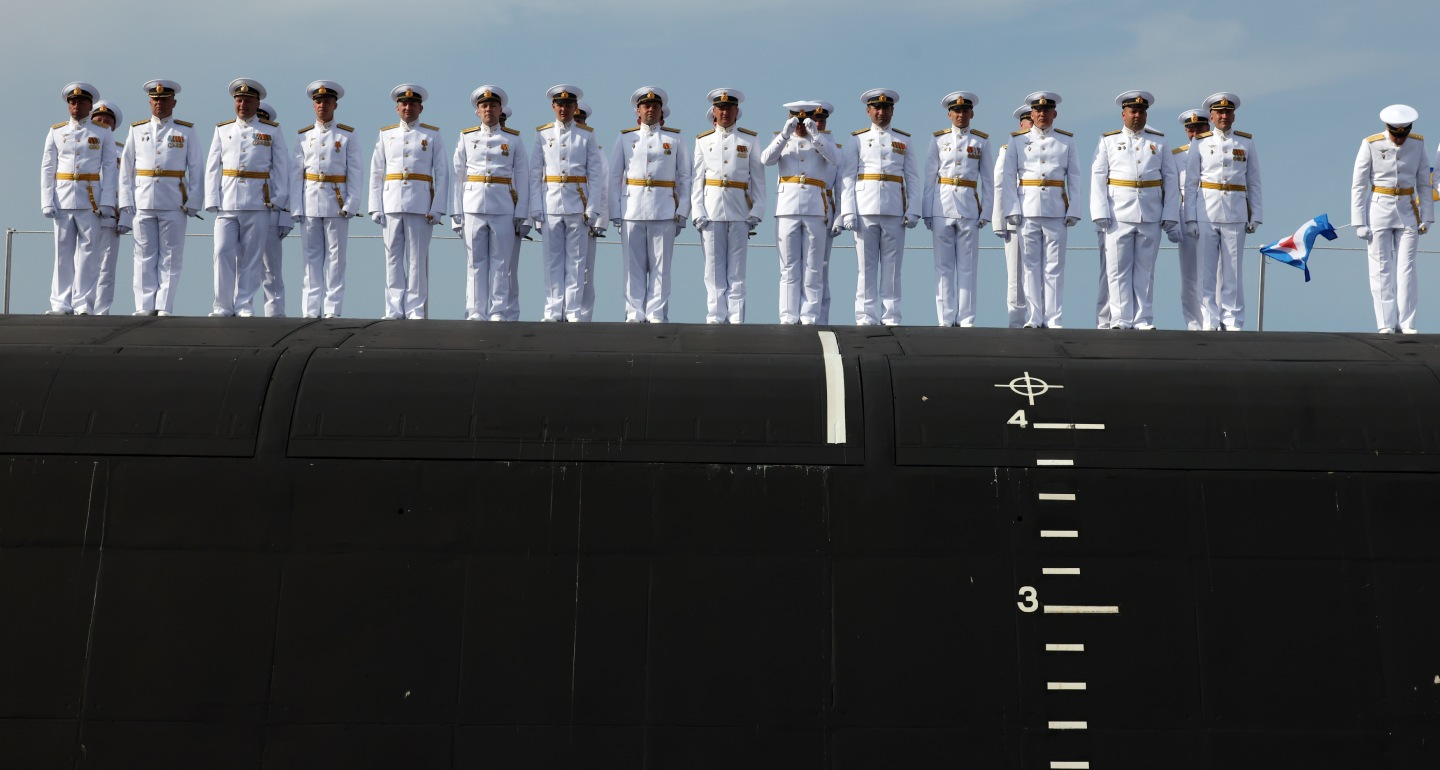
For Putin, upgrading Russia’s nuclear forces was a secondary goal. The main aim was to gain an advantage over the West, including by strengthening the nuclear threat on all fronts. That made growth in missile arsenals and a new arms race inevitable.

Maxim Starchak
For a real example of political forces engaged in the militarization of society, the Russian leadership might consider looking closer to home.
James D.J. Brown