

Commentary
Two divergent trends—Putin’s hardline vision of how to prosecute the war in Ukraine, and a growing desire for change in Russia—could tear the regime apart.
Tatiana Stanovaya
{
  "authors": [
    "Adnan Vatansever",
    "David Burwell"
  ],
  "type": "legacyinthemedia",
  "centerAffiliationAll": "dc",
  "centers": [
    "Carnegie Endowment for International Peace",
    "Carnegie Europe",
    "Carnegie Russia Eurasia Center"
  ],
  "collections": [],
  "englishNewsletterAll": "ctw",
  "nonEnglishNewsletterAll": "",
  "primaryCenter": "Carnegie Endowment for International Peace",
  "programAffiliation": "russia",
  "programs": [
    "Russia and Eurasia",
    "Sustainability, Climate, and Geopolitics"
  ],
  "projects": [],
  "regions": [
    "Caucasus",
    "Russia",
    "North America"
  ],
  "topics": [
    "Climate Change"
  ]
}
Source: Getty
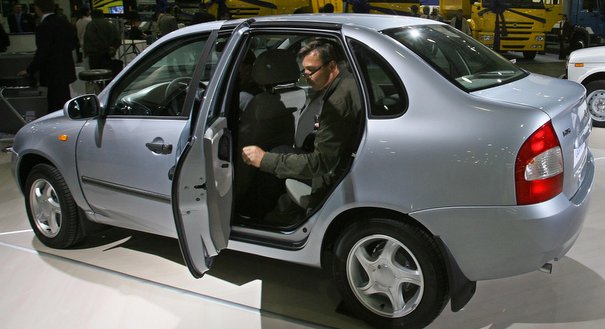
Low fuel prices and a lack of government incentives have hindered energy efficiency improvements in the Russian auto industry, but greening the country's vehicles is a necessary precursor to further economic modernization.
Source: The Moscow Times

Consumers remain hesitant to opt for more environmentally friendly cars. Last year, carmakers sold slightly more than 2,000 hybrid vehicles, representing about 0.1 percent of the Russian market. This is a fraction of hybrid sales in other leading markets.
Also, the race to supplant the internal combustion engine has led to the mushrooming of lithium-ion battery producers around the world. Not in Russia. There is only one small plant, in Novosibirsk, built to serve China’s growing market.
Relatively low fuel prices could partly explain Russia’s lackluster move toward greener cars. Although prices at the pump are generally on par with those in the United States, they are less than half of what many European drivers pay for fuel.
The principal problem, however, is that the government provides few incentives for drivers to shift to greener vehicles. Car buyers receive no rewards for purchasing a hybrid car, unlike in Europe or the United States, where substantial tax benefits are available. A road tax requires owners of cars with larger engines to pay more, but it does not target actual fuel economy. And its progressive scale has been too flat to substantially affect consumers’ preferences so far.
Likewise, domestic carmakers see no urgency to adopt new technologies and shift to greener vehicles. They do not face the same strict environmental standards that impact many of their peers abroad.
In addition, government support for the auto industry — while substantial — focuses on reviving car sales and out-competing foreign brands rather than increasing production of greener cars.
Greening the country’s car fleet offers many benefits, however, such as profoundly improving the quality of air in large cities. Officials in Moscow claim that 90 percent of the harmful emissions in the city come from transportation alone. Much more than clean air is at stake, however.
President Dmitry Medvedev has set ambitious goals for overhauling the country’s energy inefficient infrastructure. But the transportation sector has remained peripheral to the recent drive to conserve energy. This is a mistake that will cost Russia later. Both the United States and China — the two largest oil consumers — are paying dearly for ignoring transportation efficiency in the past. Russia needs to learn from its mistakes and set clear targets for vehicle efficiency gains, along with a roadmap of how to achieve them.
The economic cost of ignoring transportation efficiency is likely to grow. Currently, about a quarter of Russia’s oil output is consumed domestically. But this ratio may increase because of weak long-term prospects for further growth in oil production and a rapidly expanding vehicle stock.
Shifting to greener cars is also a matter of economic competitiveness. Russia’s auto industry needs to adapt to the unfolding new competitive landscape or risk further losing its edge. Leading manufactures around the world, as well as new entrants in China, are rapidly trying to cash in on the growing demand for greener vehicles. By being part of this race, the Russian auto industry could well emerge as an indispensable engine for innovation and economic modernization.
Indeed, promoting fuel efficiency in transportation may actually help overcome one chronic problem — finding funds to build roads. According to the Transportation Ministry, the country will need to build 250,000 kilometers of new roads by 2030 — about a quarter of the current road infrastructure. Requiring drivers who drive more to pay more will promote efficiency while helping the state accumulate additional funds for roads.
Russia’s road toward an energy efficient future will likely contain a big pothole if its leaders do not turn their attention to greening cars. Building a modern economy and falling behind global trends in the rapidly transforming auto industry are simply not compatible. Russia must do better to find the path forward.
Former Senior Associate, Energy and Climate Program
Vatansever was a senior associate in the Energy and Climate Program where he specializes in the energy sectors of the former Soviet republics and Eastern Europe.
Former Nonresident Senior Fellow, Energy and Climate Program
Burwell focused on the intersection between energy, transportation, and climate issues, as well as policies and practice reforms to reduce global dependence on fossil fuels.
Carnegie does not take institutional positions on public policy issues; the views represented herein are those of the author(s) and do not necessarily reflect the views of Carnegie, its staff, or its trustees.

Two divergent trends—Putin’s hardline vision of how to prosecute the war in Ukraine, and a growing desire for change in Russia—could tear the regime apart.

Tatiana Stanovaya
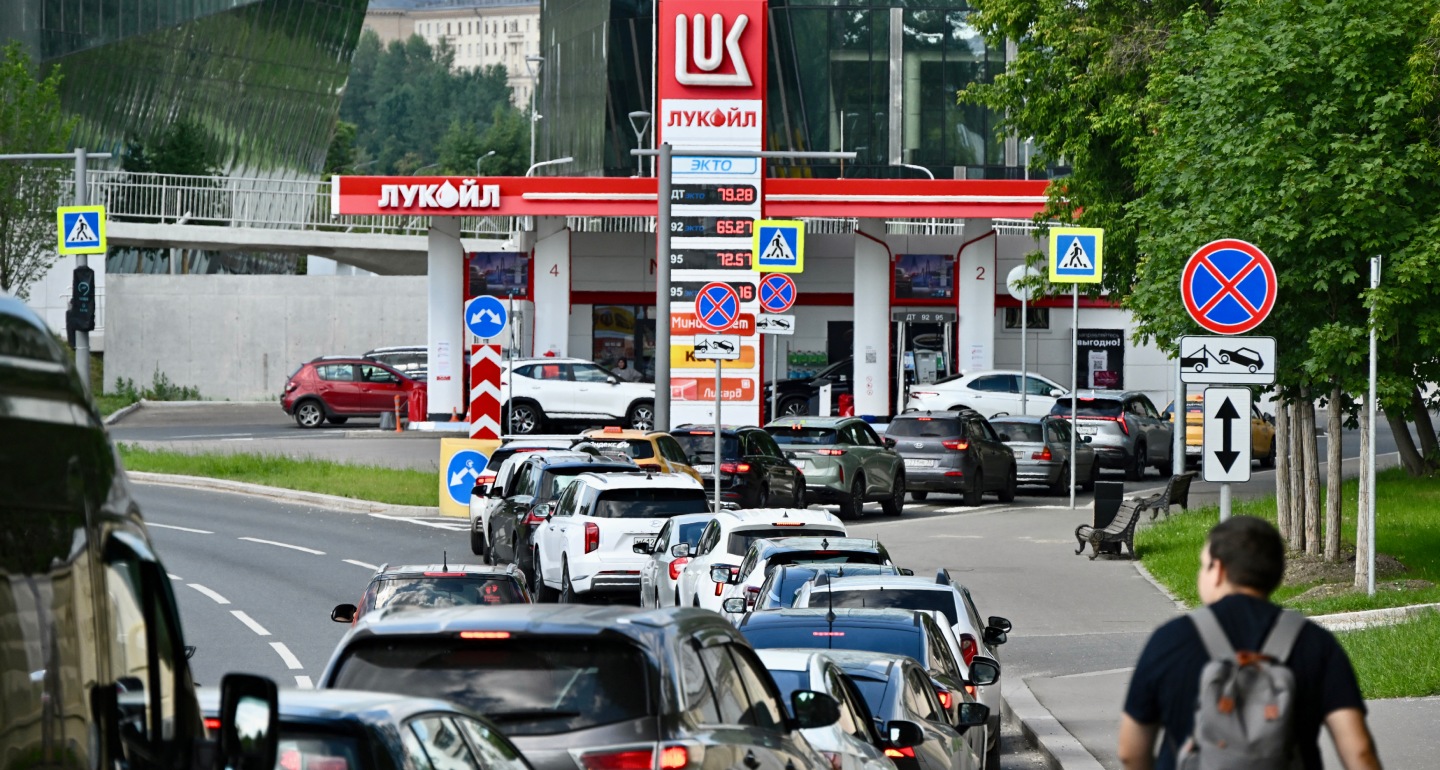
Official discussions about mini oil refineries are unlikely to come to anything—but the mere fact they’re happening reveals the regime is failing to deliver a functioning economy.

Sergey Vakulenko
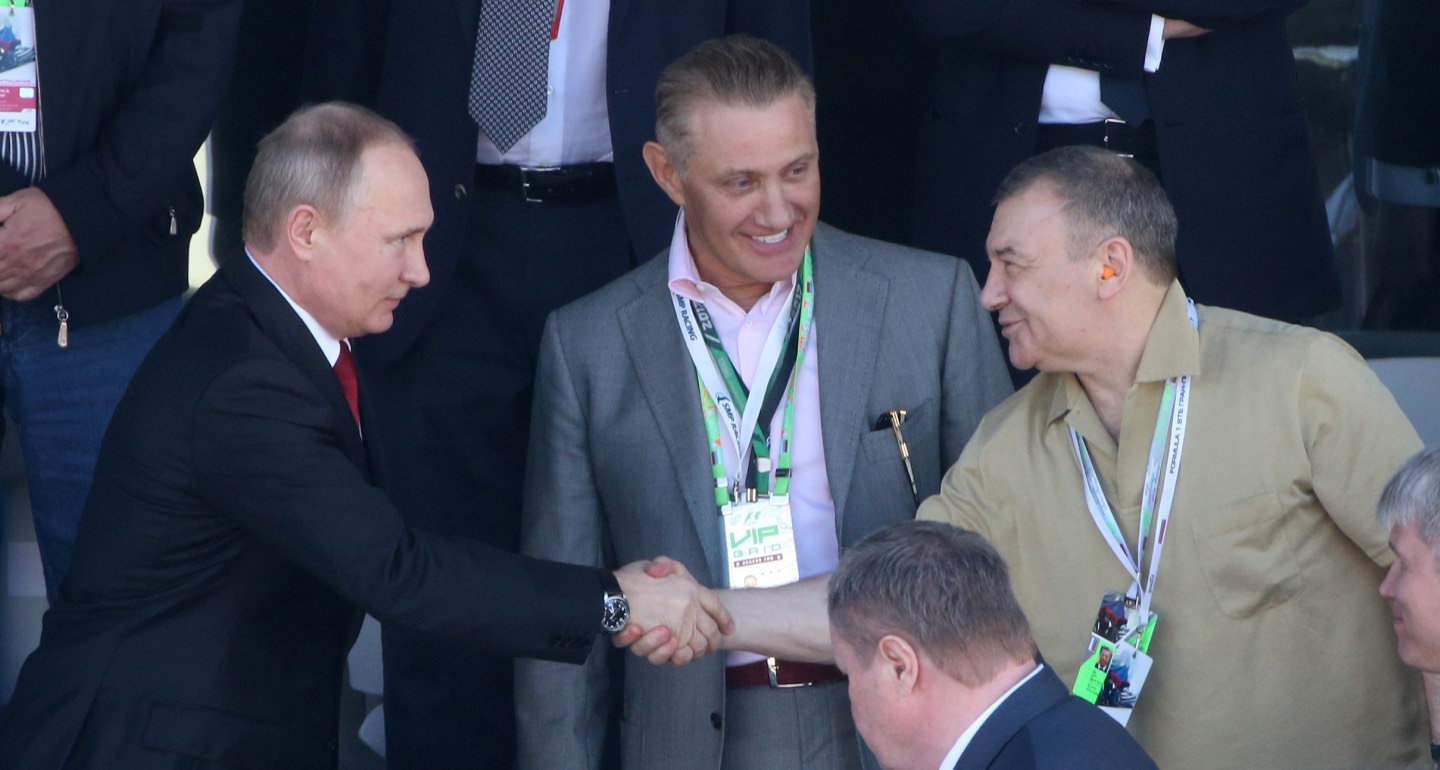
The security forces are targeting Arkady and Boris Rotenberg’s patronage network—and in Putin’s Russia, it’s extremely hard to stop a purge once it’s under way.

Mikhail Komin
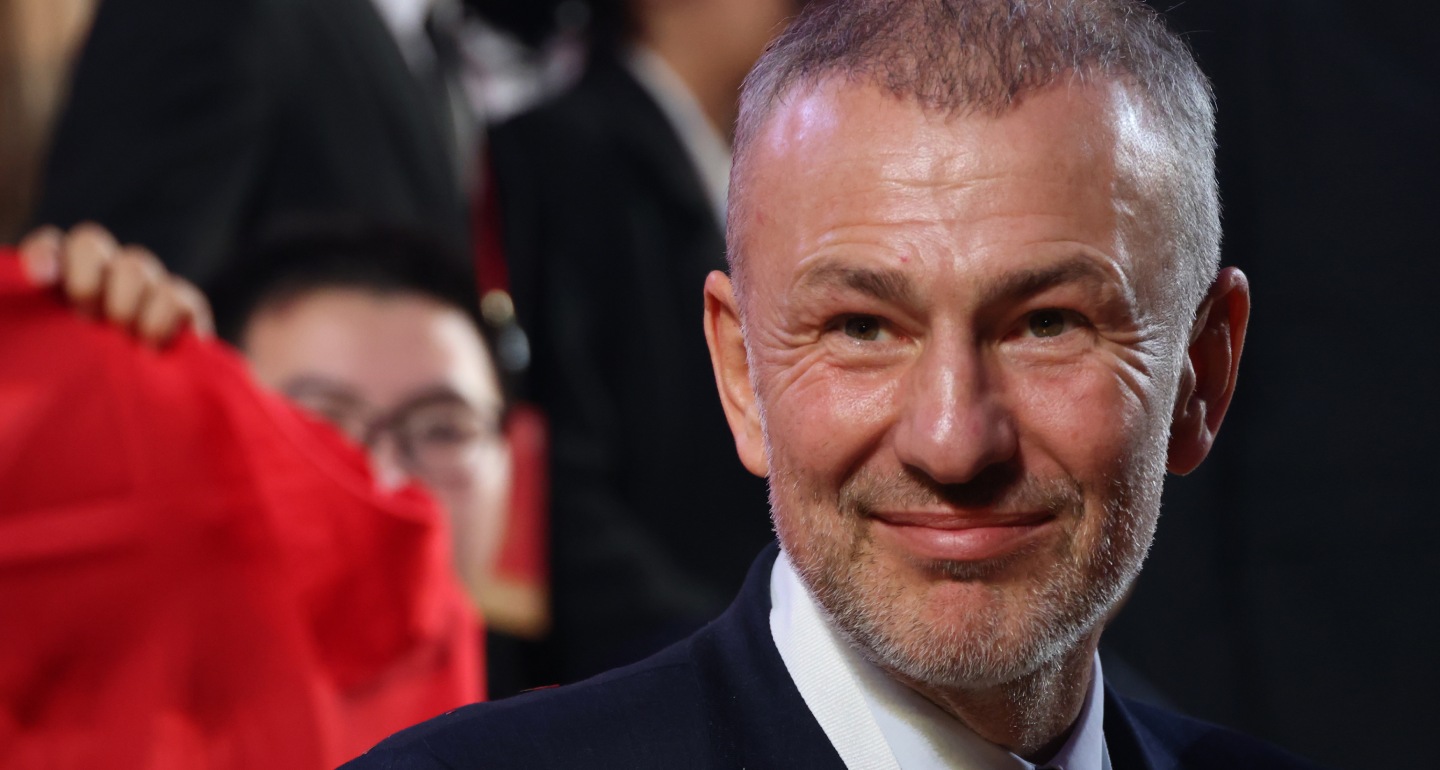
Andrey Melnichenko’s essay offers no answer to the fundamental question of how, under any kind of negotiated settlement, Europe can protect itself from the Russian ressentiment that is inevitable in all scenarios except for an outright victory for Putin.

Leonid Bershidsky

Despite unhappiness on the ground, Moscow is determined to use both carrot and stick to ensure there is record support for United Russia in occupied Ukraine.

Konstantin Skorkin