

Commentary
The prospect of a total block on Russia’s most popular messaging app has sparked disagreement between the regime’s political managers and its security agencies.
Andrey Pertsev
{
  "authors": [],
  "type": "pressRelease",
  "centerAffiliationAll": "",
  "centers": [
    "Carnegie Endowment for International Peace",
    "Carnegie Europe",
    "Carnegie China"
  ],
  "collections": [
    "China’s Foreign Relations",
    "U.S.-China Relations"
  ],
  "englishNewsletterAll": "",
  "nonEnglishNewsletterAll": "",
  "primaryCenter": "Carnegie Endowment for International Peace",
  "programAffiliation": "",
  "programs": [],
  "projects": [],
  "regions": [
    "North America",
    "South America",
    "Southern, Eastern, and Western Africa",
    "South Asia",
    "India",
    "East Asia",
    "China",
    "Caucasus",
    "Asia",
    "Russia"
  ],
  "topics": [
    "Economy",
    "Trade"
  ]
}
Source: Getty
In Juggernaut, Uri Dadush and William Shaw explore the rise of developing countries and how they will reshape the economic landscape.
Against the long sweep of economic history, the current moment is special. Living standards advanced so rapidly and across so many countries over the last decade that it is difficult to think of parallels—even the deepest recession since the Great Depression did not halt progress.
In Juggernaut, Uri Dadush and William Shaw explore the rise of developing countries and how they will reshape the economic landscape. Dadush and Shaw project that the global economy will more than triple over the next forty years and the advance of a large group of developing countries—home to most of the world's population but seen as supplicants rather than trendsetters less than a generation ago—will drive this improvement. The authors systematically examine the effects of this seismic shift on the main avenues of globalization—trade, finance, migration, and the global commons—and identify the policy options available to leaders in managing the transformation.
In the years to come, the rise of emerging economies will likely enhance prosperity but also create great tensions that could slow the process or even stop it in its tracks. Juggernaut calls for leadership by the largest countries in managing these tensions, and underscores the need to cultivate a "global conscience."
NOTES
Click here to purchase the book
Uri Dadush is a senior associate at the Carnegie Endowment for International Peace. He previously served as the director of global prospects, director of international trade, and director of economic policy at the World Bank. He was also president of the Economist Intelligence Unit and a consultant at McKinsey and Company.
William Shaw is a visiting scholar at the Carnegie Endowment. He previously served as lead economist in the World Bank research department and was the main author or co-author of several of the institution's flagship reports. He is a consultant to the World Bank, the African Development Bank, and other organizations.
The Carnegie International Economics Program monitors and analyzes short- and long-term trends in the global economy, including macroeconomic developments, trade, commodities, and capital flows, and draws out policy implications. The current focus of the Program is the global financial crisis and the policy issues raised. Among other research, the Program examines the ramifications of the rising weight of developing countries in the global economy.
Press Contact: Karly Schledwitz, +1 202 939 2233, pressoffice@ceip.org
Carnegie does not take institutional positions on public policy issues; the views represented herein are those of the author(s) and do not necessarily reflect the views of Carnegie, its staff, or its trustees.

The prospect of a total block on Russia’s most popular messaging app has sparked disagreement between the regime’s political managers and its security agencies.

Andrey Pertsev
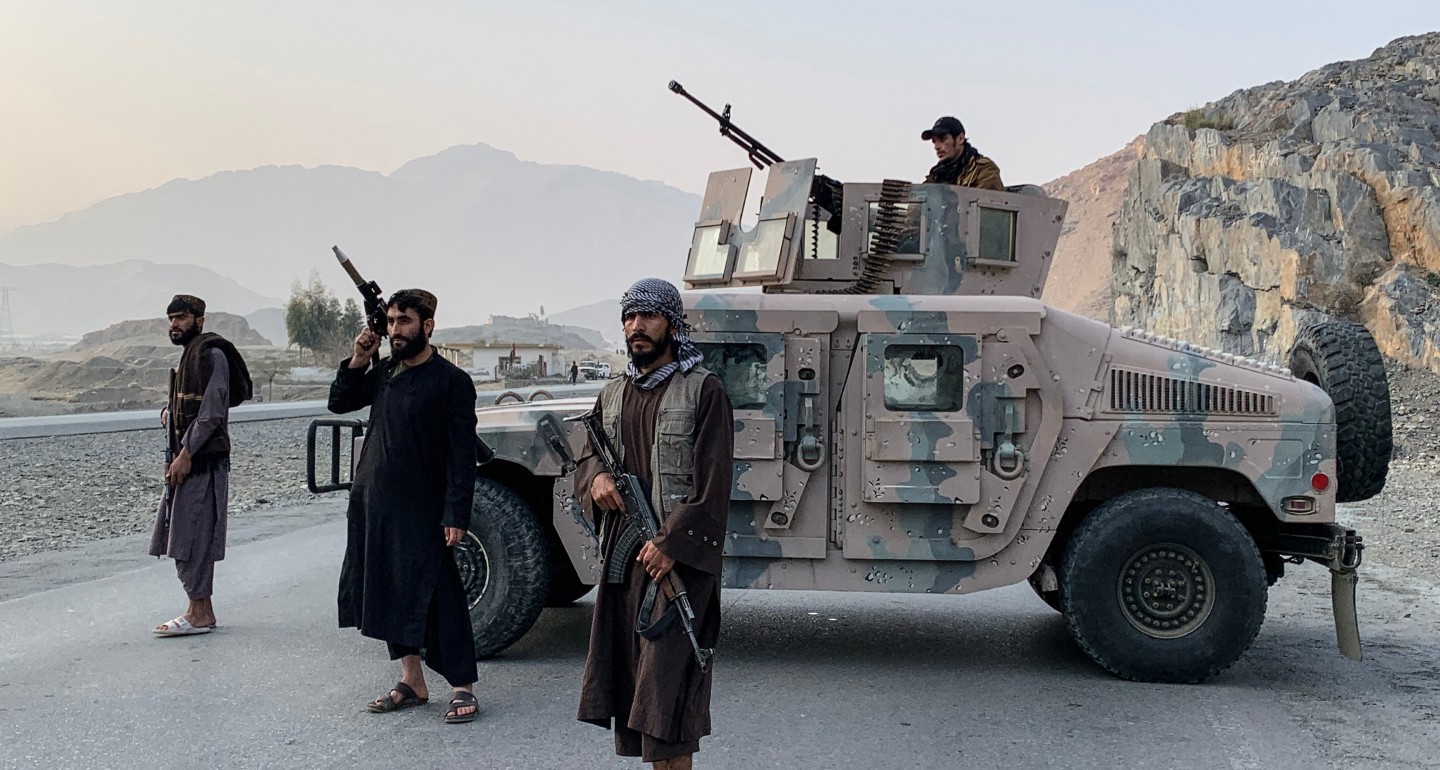
Not only does the fighting jeopardize regional security, it undermines Russian attempts to promote alternatives to the Western-dominated world order.
Ruslan Suleymanov

The front-runner to succeed Ilia II, Metropolitan Shio, is prone to harsh anti-Western rhetoric and frequent criticism of “liberal ideologies” that he claims threaten the Georgian state. This raises fears that under his leadership the Georgian Orthodox Church will lose its unifying role and become an instrument of ultraconservative ideology.

Bashir Kitachaev
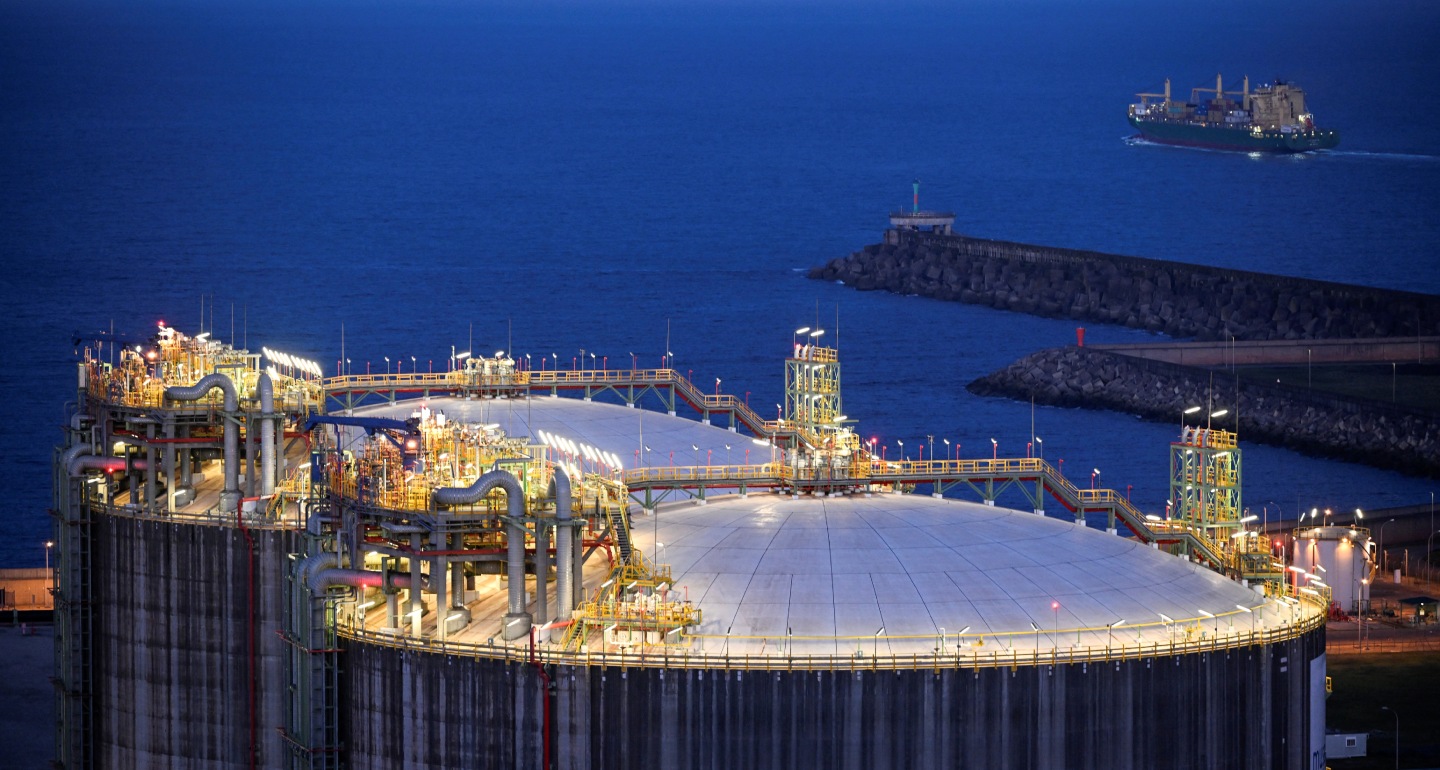
The future trajectory of the U.S.-Iran war remains uncertain, but its impact on global energy trade flows and ties will be far-reaching. Moscow is likely to become a key beneficiary of these changes; the crisis in the Gulf also strengthens Russia’s hand in its relationships with China and India, where advantages might prove more durable.

Sergey Vakulenko
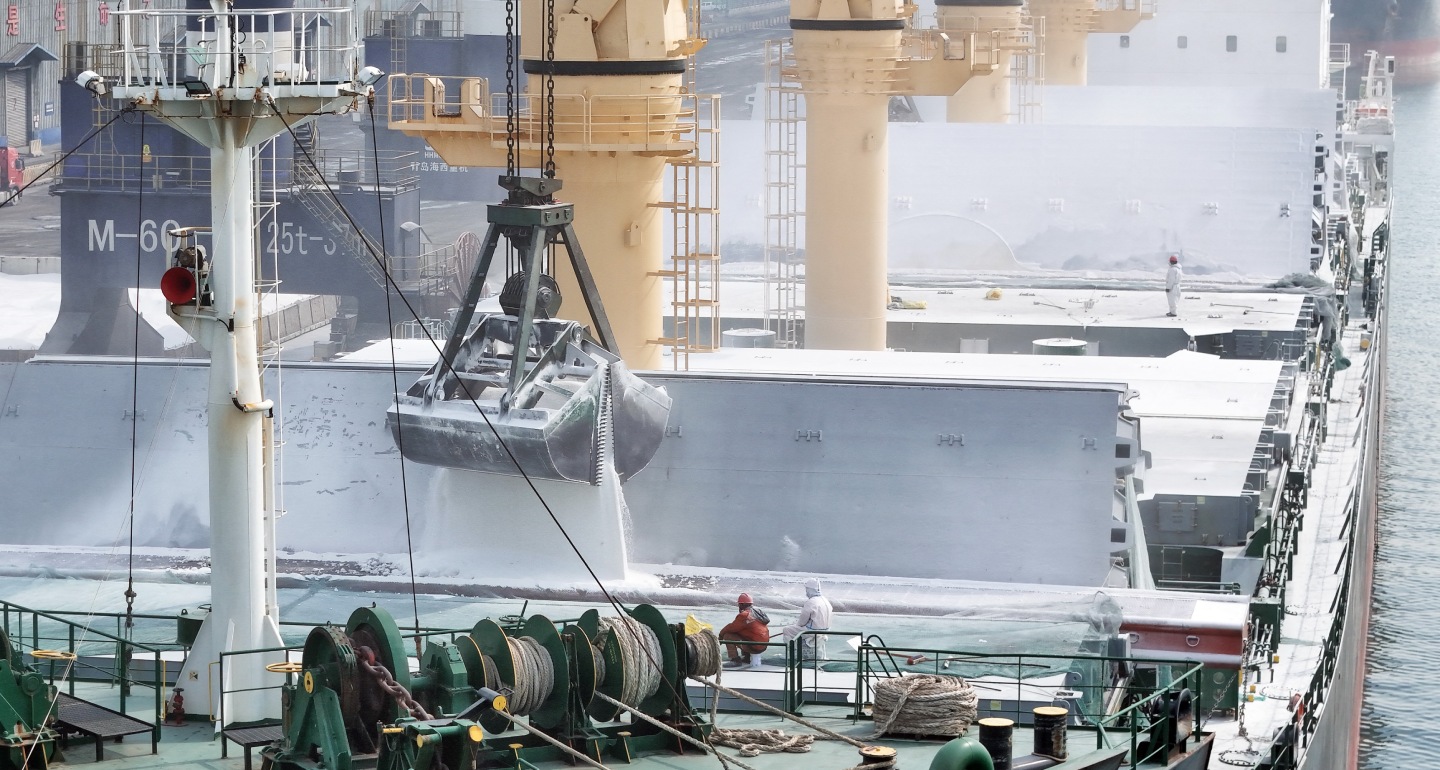
The Kremlin expects to not only profit from rising fertilizer prices but also exact revenge for the collapse of the 2023 grain deal.
Alexandra Prokopenko