

Paper
Ibrahim Saif, Ahmed Ghoneim
{
  "authors": [
    "Ibrahim Saif"
  ],
  "type": "legacyinthemedia",
  "centerAffiliationAll": "",
  "centers": [
    "Carnegie Endowment for International Peace",
    "Malcolm H. Kerr Carnegie Middle East Center"
  ],
  "collections": [],
  "englishNewsletterAll": "",
  "nonEnglishNewsletterAll": "",
  "primaryCenter": "Malcolm H. Kerr Carnegie Middle East Center",
  "programAffiliation": "",
  "programs": [],
  "projects": [],
  "regions": [
    "Egypt",
    "Gulf",
    "Levant",
    "Maghreb"
  ],
  "topics": [
    "Economy"
  ]
}
Source: Getty
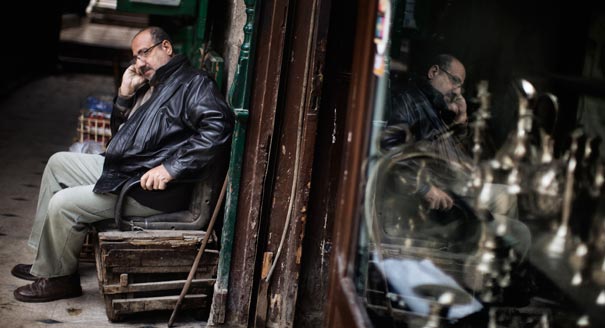
Despite the fact that the middle class has been credited with playing an important role in the current changes sweeping the Arab World, there have been few attempts in the region to measure this class and define its membership.
Source: Cairo Review

We must first define the middle class in order to determine what categories we are talking about. There are two schools of thought in this regard: the first is put forward by social scientists and economists in the United States and focuses on the volume of consumption and income level so that income acts as a marker for determining social class. Then, indicators shared by groups whose income corresponds roughly with average household income are examined. The advantage of this methodology is the ability to compare and contrast different segments of society in terms of income.
The second school, which can be described as European-Marxist, takes into account a number of variables such as education, type of work, family size, type of housing, the nature of social organizations, and the level of engagement with civil society organizations. This definition is more comprehensive, but runs into problems on a practical level when it comes to determining how to classify the different groups.
There have been few attempts to measure the middle class in the Arab world, and no detailed studies using either of the aforementioned methodologies. In Jordan for example, a study released by the Economic and Social Council about a year ago, relied on the methodology of income level and expenditure and sparked a wide-ranging debate between those who supported this approach and those who opposed it. There was a descriptive study carried out by Jalal Ameen on the middle class in Egypt over several decades, but the study did not detail the extent to which quantitative measurements were carried out, nor did it specify the methodology used or the root causes behind the societal shifts.
In light of the current political transformation affecting the region, the middle class has become an important topic of conversation, as hopes have been raised that it might play a role in bringing about new balances. In this context, there is much talk about social classes and the related issues of income distribution without any clear standards that would enable policy makers in Arab countries to target the middle class and preserve or improve its position. Most current social policies are focused on poverty and ways to help lower income families. Meanwhile, those groups that can be described as middle income—although they are not necessarily far from the poverty line—are forgotten as their social and political behavior and their consumption habits put them into another bracket.
The economic model we're talking about is related to the nature of expenditure, for example, how families spend their actual income; how do they divide it to cover basic needs such as food, water, clothing, and housing, and how do they allocate whatever may be left over for education, luxury spending, and travel. Of course, the more income allotted to education and entertainment, the more middle class they are. In order to determine these classifications, however, much more data is needed than is currently made available by Arab countries to researchers wishing to study patterns of spending in their own societies. At least this was the case before the Arab Spring, which has now prompted a lot of discussion about the middle class and its role, but without defining those social categories clearly.
There are a number of facts associated with the middle class over the past two decades. The first is related to the declining role of this group and the increasing economic pressure to which it is subjected. Many people belonging to the middle class saw their fortunes decline as a result of the economic policies pursued since the beginning of 1990. This has led to an increase in the number of poor in a number of countries, from Morocco to Egypt. The improvement in growth levels in Arab countries was not accompanied by income distribution of the type that follows technical standards that could generate employment, meaning that the gap between rich and poor has grown wider while the middle has not increased its share of the wealth in the country.
The basis for upward social mobility in Arab countries in unclear. Education, traditionally considered key to upward mobility, has lost its pride of place; unemployment is high and access to the job market is rarely a means of achieving this kind of advancement. What few jobs there are do not benefit poor people and those with low incomes. What is clear is that the middle class must play a role, but current Arab government policies are not going in a direction that would strengthen it. From the government’s point of view, the middle classes should be exploited politically without giving them a margin within which to mobilize around their demands. But many of those who make up this group, which includes civil servants, lawyers, engineers and doctors, have begun to mobilize over issues as simple as jobs and stable health and social protections.
Grouping these middle brackets together through official bodies and encouraging them to engage in political action is the first step towards the rehabilitation of the middle class that is spoken of by many who are reluctant to define it. Ensuring decent working conditions and social protections are vital to forming a new model of relations between employers, workers, the state, and society. In this way, the middle class, which forms the backbone of society, the basis for stability and the window for change, can be rebuilt.
Former Senior Associate, Middle East Center
Saif is an economist specializing in the political economy of the Middle East. His research focuses on international trade and structural adjustment programs in developing countries, with emphasis on Jordan and the Middle East.
Recent Work
Ibrahim Saif, Ahmed Ghoneim
Ibrahim Saif, Muhammad Abu Rumman
A much-discussed disagreement over internet restrictions in Russia was never an existential threat for Putin: It was about elite groups protecting their interests.

Alexandra Prokopenko
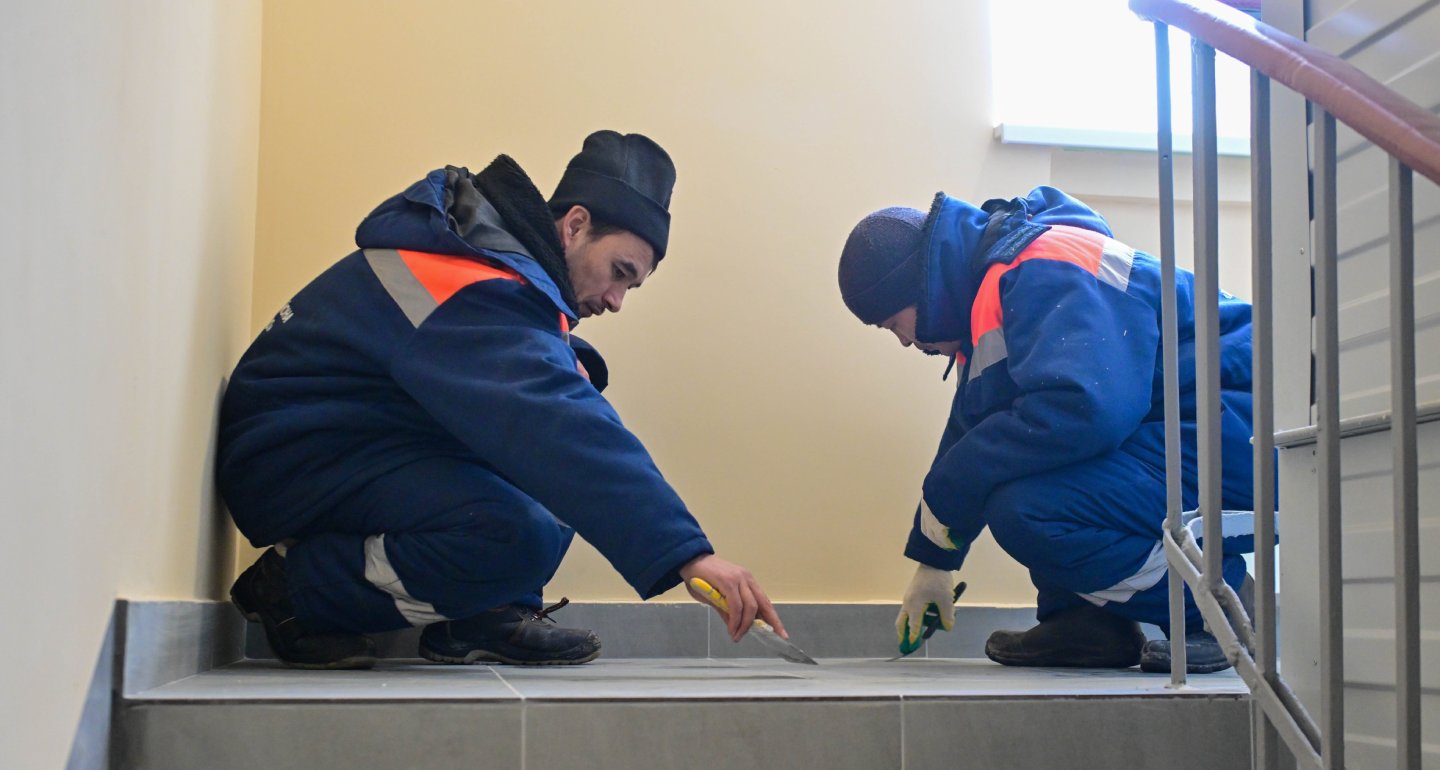
The demands of the Kremlin’s war in Ukraine, demographic problems, and public hostility toward Central Asians mean Russia does not have enough workers.
Salavat Abylkalikov
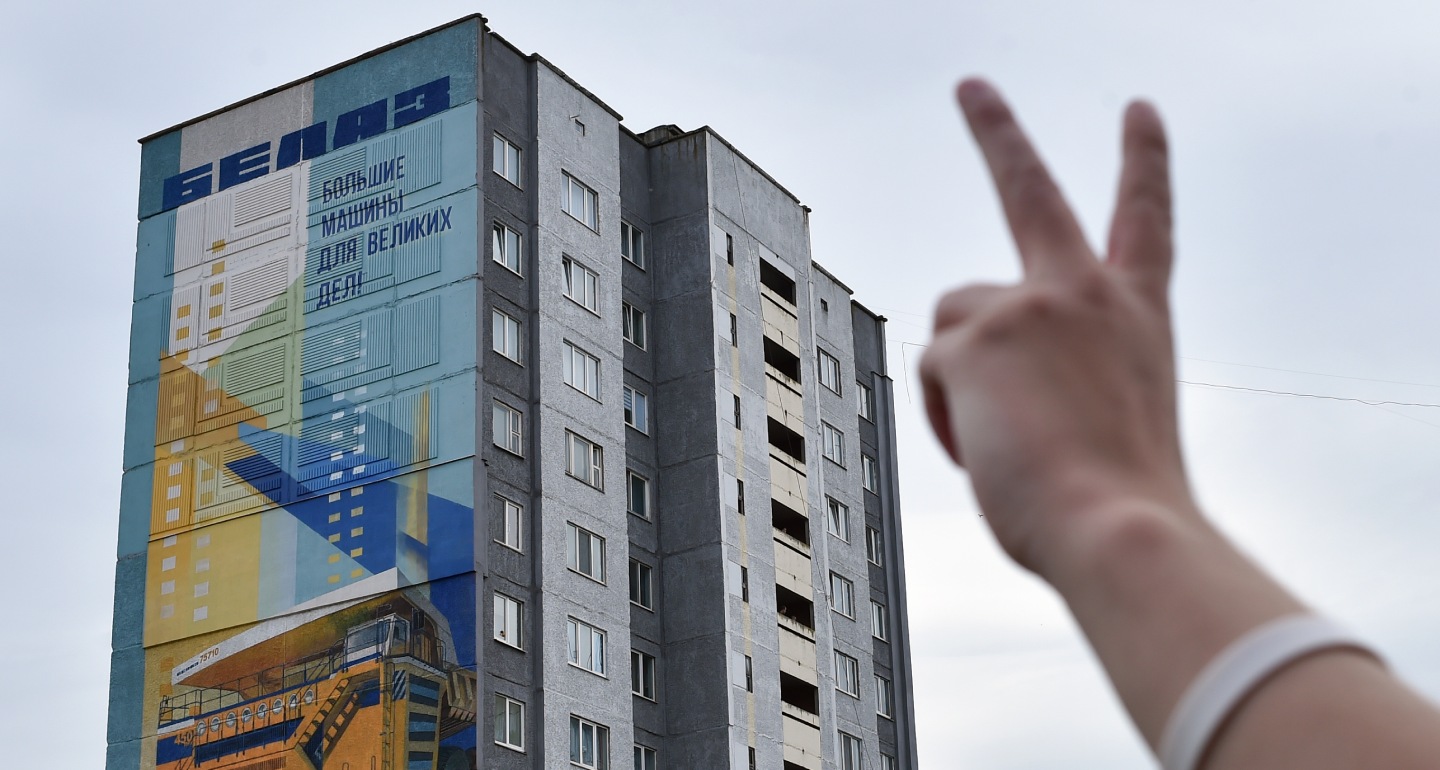
Minsk’s faith in the future of its larger neighbor’s economy is fading as Belarusian firms in Russia see record losses.

Olga Loiko
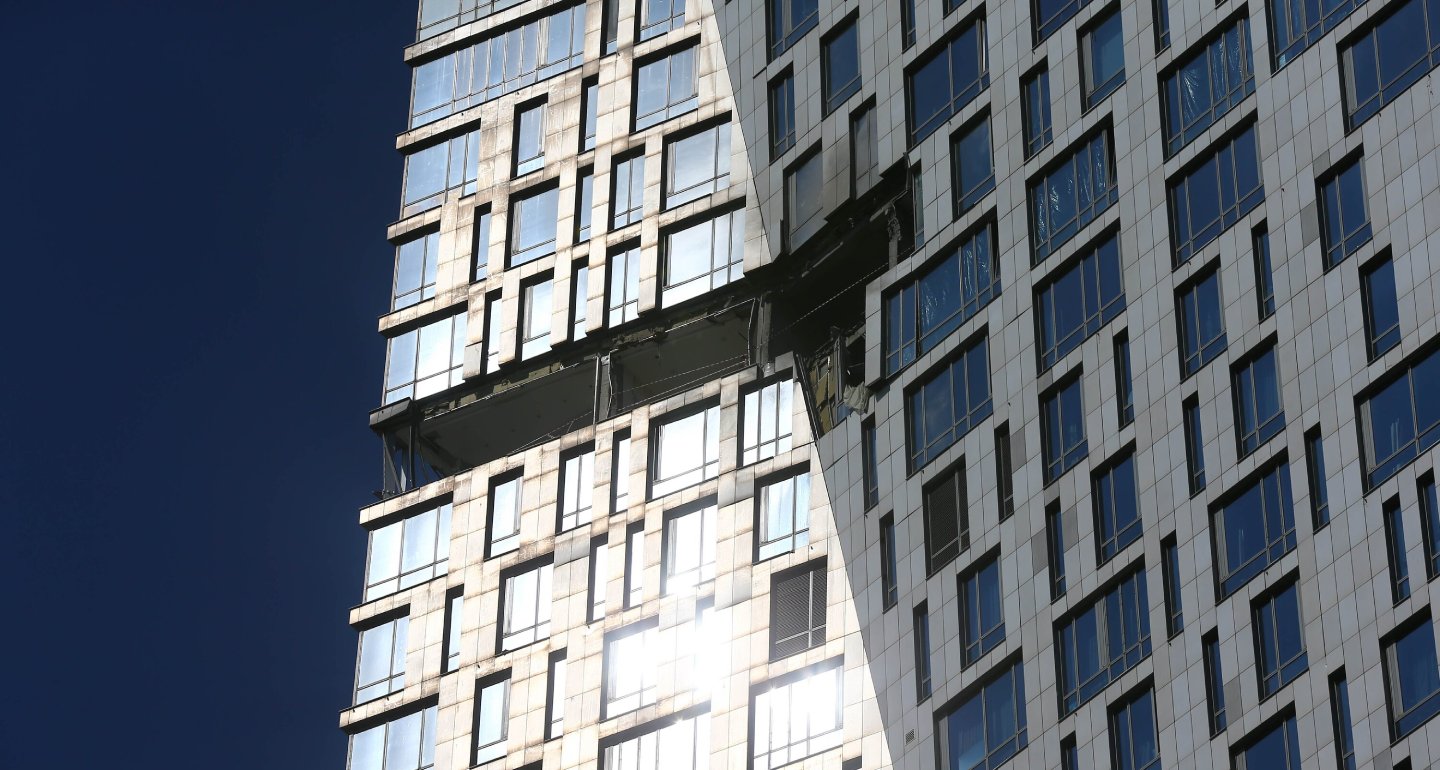
The cost of air defense has become an unregistered tax on revenue for businesses. While military rents are consolidated in the federal budget, the costs of defense are being spread across the balance sheets of companies and regional governments.
Alexandra Prokopenko

Powerful lobbyists and inertia led to Russia’s coal-mining sector missing an excellent opportunity to solve its structural problems.
Alexey Gusev