

Commentary
Muhammad Faour
{
  "authors": [
    "Muhammad Faour"
  ],
  "type": "legacyinthemedia",
  "centerAffiliationAll": "",
  "centers": [
    "Carnegie Endowment for International Peace",
    "Malcolm H. Kerr Carnegie Middle East Center"
  ],
  "collections": [],
  "englishNewsletterAll": "",
  "nonEnglishNewsletterAll": "",
  "primaryCenter": "Malcolm H. Kerr Carnegie Middle East Center",
  "programAffiliation": "",
  "programs": [],
  "projects": [],
  "regions": [
    "Egypt"
  ],
  "topics": [
    "Political Reform",
    "Education"
  ]
}
Source: Getty
Unless Cairo acts to promote tolerance and understanding of various religious identities to truly build a democratic, pluralistic society, sectarian conflict will continue to plague Egypt.
Source: National

A fundamental step in the right direction is the recent assertion of "basic freedoms" unveiled by Al Azhar, the highly respected religious authority among Sunni Muslims the world over.
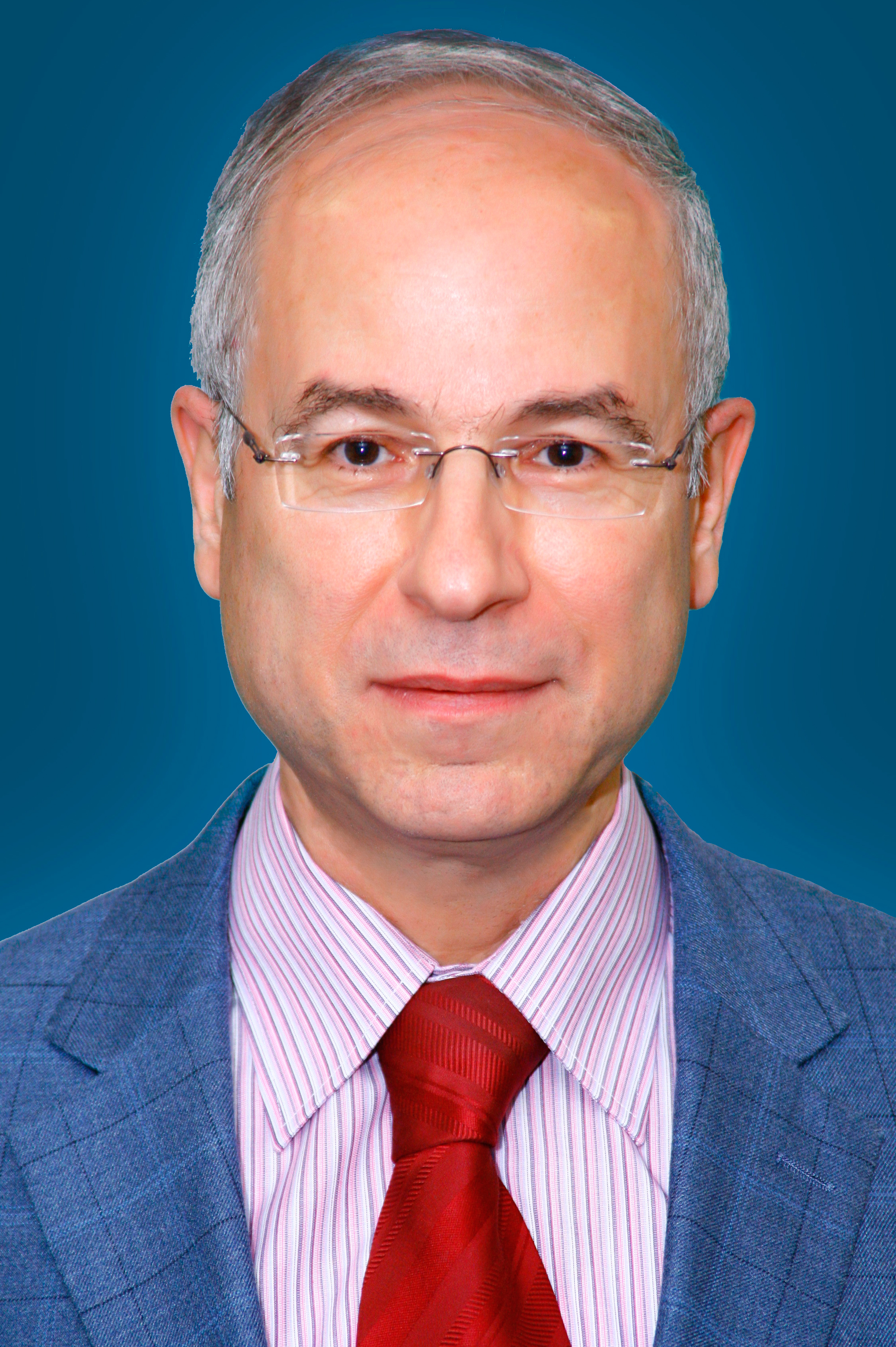
Former Senior Associate , Middle East Center
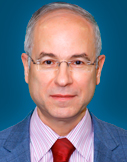
Faour was a senior associate at the Carnegie Middle East Center, where his research focused on education reform in Arab countries with an emphasis on citizenship education.
Recent Work
Muhammad Faour
Muhammad Faour
Carnegie does not take institutional positions on public policy issues; the views represented herein are those of the author(s) and do not necessarily reflect the views of Carnegie, its staff, or its trustees.

Two divergent trends—Putin’s hardline vision of how to prosecute the war in Ukraine, and a growing desire for change in Russia—could tear the regime apart.

Tatiana Stanovaya
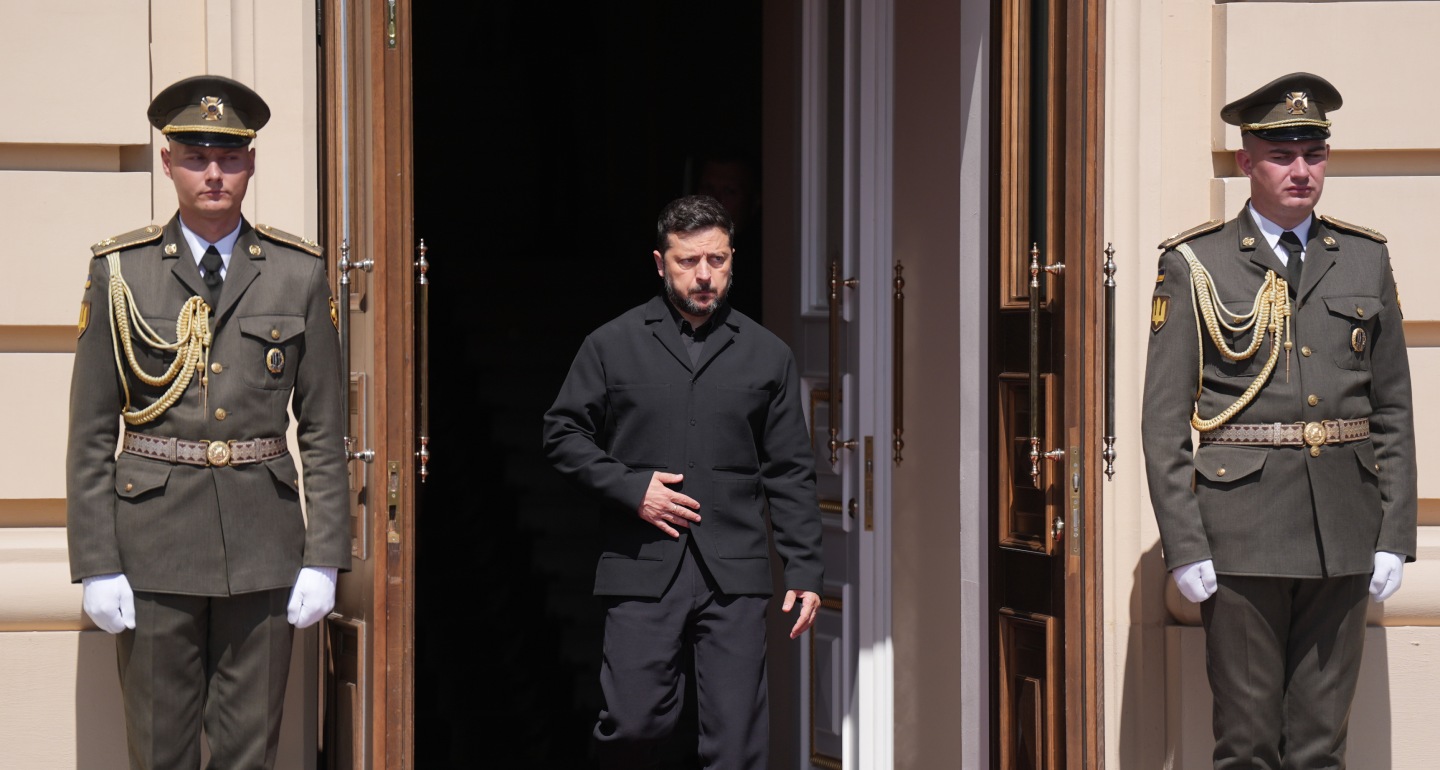
Ultimately, Zelensky sided neither with the reform camp nor with the military establishment as such, but with political control.

Balázs Jarábik
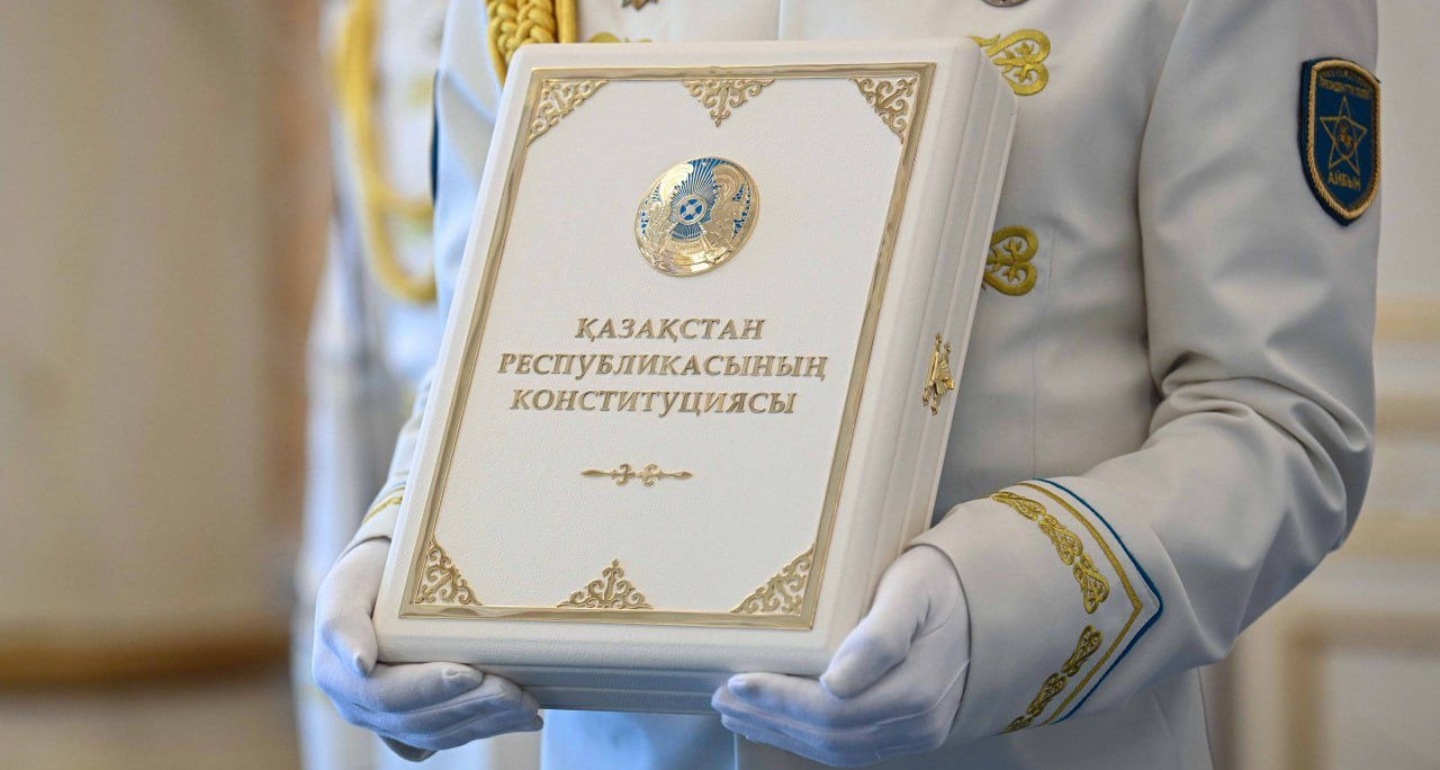
Tokayev’s predecessor, Nursultan Nazarbayev, outlined arrangements for a power transition too soon and in too much detail, ultimately losing control over the process. Tokayev is determined not to meet the same fate.

Temur Umarov
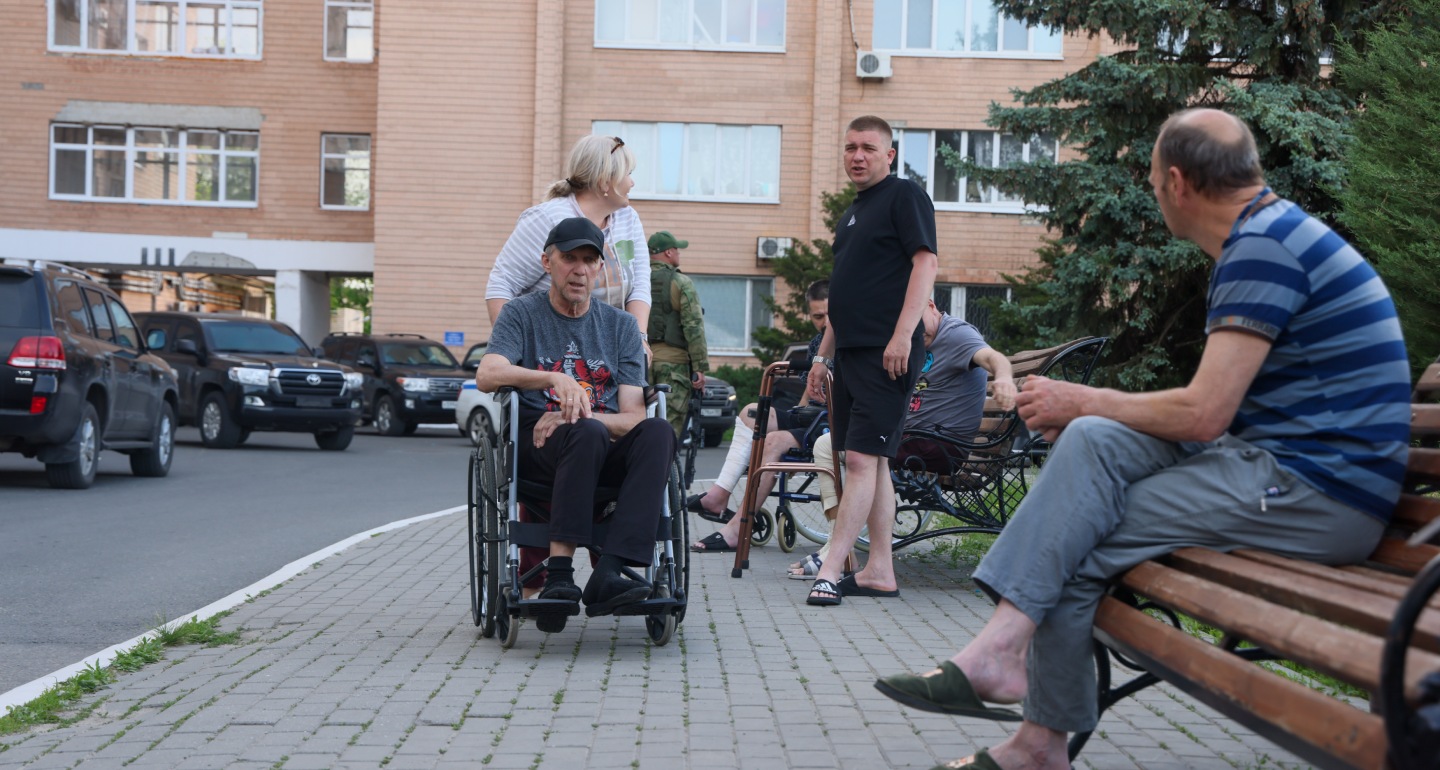
Despite unhappiness on the ground, Moscow is determined to use both carrot and stick to ensure there is record support for United Russia in occupied Ukraine.

Konstantin Skorkin
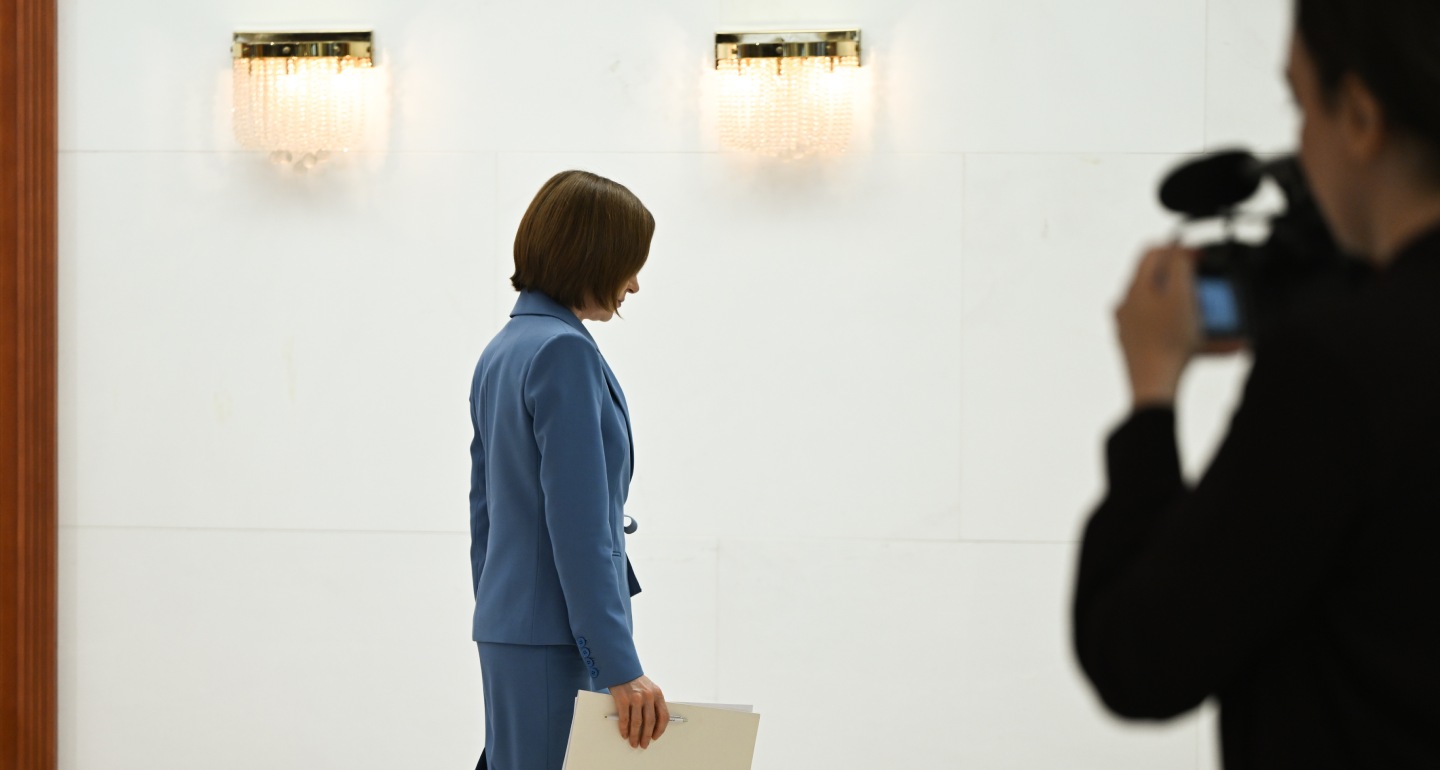
Whether PAS can refocus on the unfinished business of state-building may ultimately prove more consequential for Moldova’s European future than the pace of its accession negotiations.
Balázs Jarábik