

Commentary
- +1
Paul Haenle, Xue Gong, Ngeow Chow Bing, …
{
  "authors": [
    "Paul Haenle"
  ],
  "type": "legacyinthemedia",
  "centerAffiliationAll": "",
  "centers": [
    "Carnegie Endowment for International Peace",
    "Carnegie China"
  ],
  "collections": [
    "U.S.-China Relations",
    "China’s Foreign Relations"
  ],
  "englishNewsletterAll": "",
  "nonEnglishNewsletterAll": "",
  "primaryCenter": "Carnegie China",
  "programAffiliation": "",
  "programs": [],
  "projects": [],
  "regions": [],
  "topics": [
    "Arms Control",
    "Security",
    "Economy"
  ]
}
REQUIRED IMAGE
Chinese Vice President Xi Jinping's visit to the United States offers an opportunity to deepen exchanges between the two countries, while enhancing cooperation and reducing friction on a range of important economic and security issues.
Source: Global Times

On the US side, the visit offers an opportunity to deepen their exchanges with China, while enhancing cooperation and reducing friction on a range of important economic and security issues.
Xi's visit is not expected to yield any major concrete outcomes or announcements of new policy initiatives, but represents the beginning of important discussions between US leaders and the man expected to lead China for the next decade. In this regard, his trip helps lay a strong foundation for much needed US-China cooperation.
Chinese leaders hope Xi's visit can help put US-China relations on a stable footing as China enters a year of political transition and believe the visit offers Xi a chance to present a strong public image as he interacts with a broad cross-section of Americans. While in the US, Xi has not only met with the most senior political, business and military leaders in Washington DC, but has also interacted with mainstream Americans in other parts of the country, including Iowa and California.Economic and trade issues, on top of the agenda during his trip, are always difficult and contentious issues but are made more difficult in an election year.
The US side wants China to reduce barriers to US investment in China, address currency concerns, and level the playing field of economic and trade competition.
Meanwhile, the Chinese side is continuing to press for an easing of restrictions on high-tech exports from the US, and for improvements in opportunities for Chinese companies seeking to invest in the US.
In this year of political transition in both countries, it is important that discussions on economic and trade issues are constructive with an aim toward finding solutions as opposed to becoming politically charged. Increased friction and trade wars are in neither country's interests.
Improving US-China strategic cooperation is high on the list of important topics being discussed during Xi's trip. This trip will allow US leaders to explore with Xi Jinping how the US and the international community can find ways to work with China to achieve progress on a range of issues critical to the international community.
Given its economic success and expanded influence internationally, China is now in a position to play a constructive and positive role in helping to resolve these issues. US leaders hope to encourage Xi to define the global role China will play in the coming decade. Success in US-China cooperation on major strategic issues has been mixed to date. There is a great deal of work to be done to improve collaboration between both countries and turn seemingly common strategic objectives into real progress that benefits China, the US and the international community.
US leaders undoubtedly value the opportunity presented by Xi's visit to address the misperceptions about the recently announced US strategic pivot to Asia.
Many in China have concluded that these moves represent a change in US policy and a move toward a more confrontational approach to China. US leaders will want to clarify what the pivot means for China, and reassure Chinese leaders that the US is not trying to constrain China's growing power and influence.
Xi's visit provides him a valuable opportunity to hear first-hand US concerns regarding certain aspects of China's military modernization as well as China's increasingly assertive behavior in the East and South China Seas. These are serious and real concerns which contribute to mistrust and suspicion, and these represent the greatest risk of misunderstanding and miscalculation as well as potential conflict between the US and China.
Xi's visit gives the US and China a fresh opportunity for the US and China to explore new and creative ways to overcome differences, enhance areas for cooperation and collaboration, and surmount problems of mistrust. It's important for Xi to effectively balance advancing the interests of his own country while taking into account the views of the US and the international community.
As we approach elections in the US and the leadership transition in China, this opportunity can come at no better time.

Former Maurice R. Greenberg Director’s Chair, Carnegie China
Paul Haenle held the Maurice R. Greenberg Director’s Chair at the Carnegie Endowment for International Peace and is a visiting senior research fellow at the East Asian Institute, National University of Singapore. He served as the White House China director on the National Security Council staffs of former presidents George W. Bush and Barack Obama.
Recent Work


Paul Haenle, Xue Gong, Ngeow Chow Bing, …

Paul Haenle, Chong Ja Ian
Carnegie does not take institutional positions on public policy issues; the views represented herein are those of the author(s) and do not necessarily reflect the views of Carnegie, its staff, or its trustees.

Ongoing uncertainty in the Middle East allows Moscow to both increase its influence in Tehran and continue to enjoy the financial windfall of higher oil prices.

Nikita Smagin
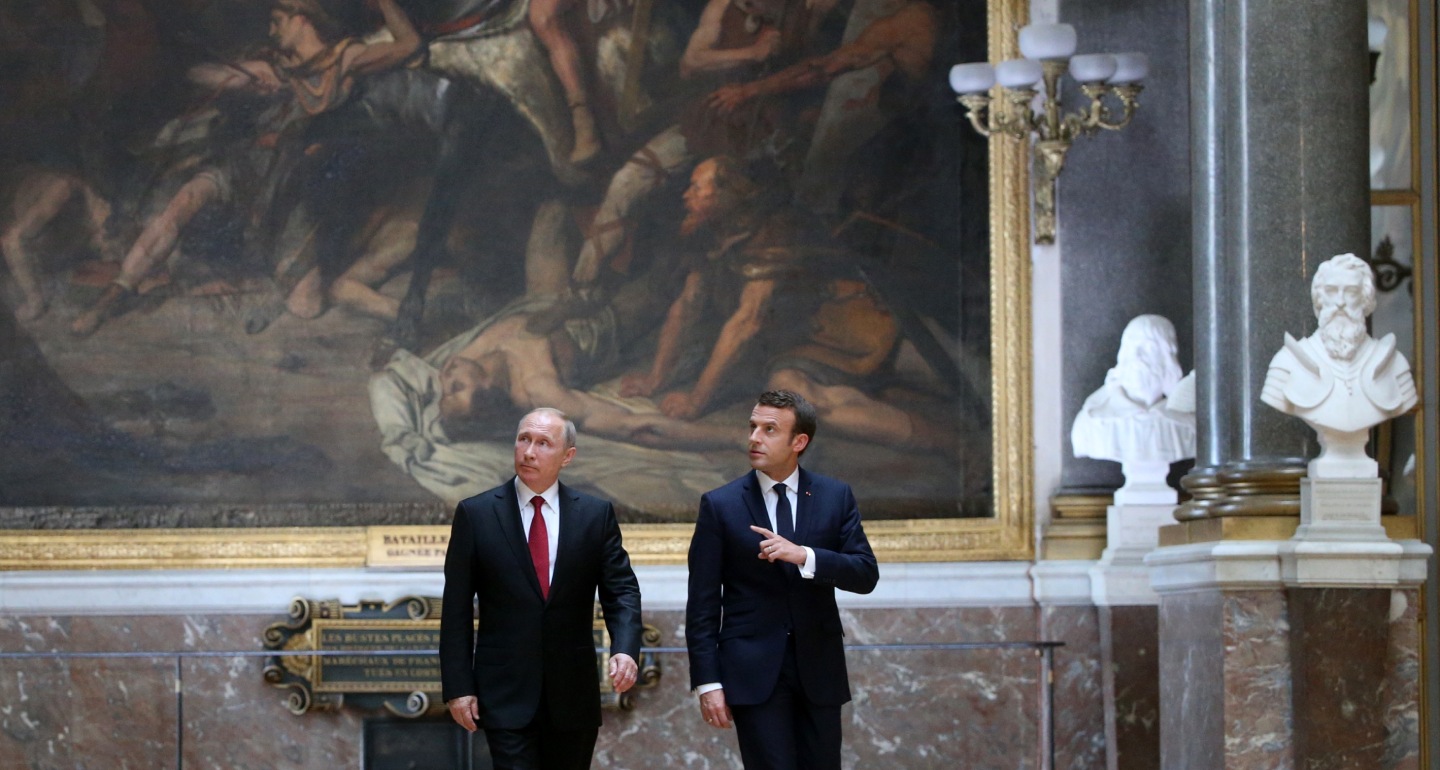
Reestablishing a dialogue with Moscow is not a goal in its own right. The goal is to guarantee the independence of Ukraine and the peace and security of Europe.
Arkady Moshes
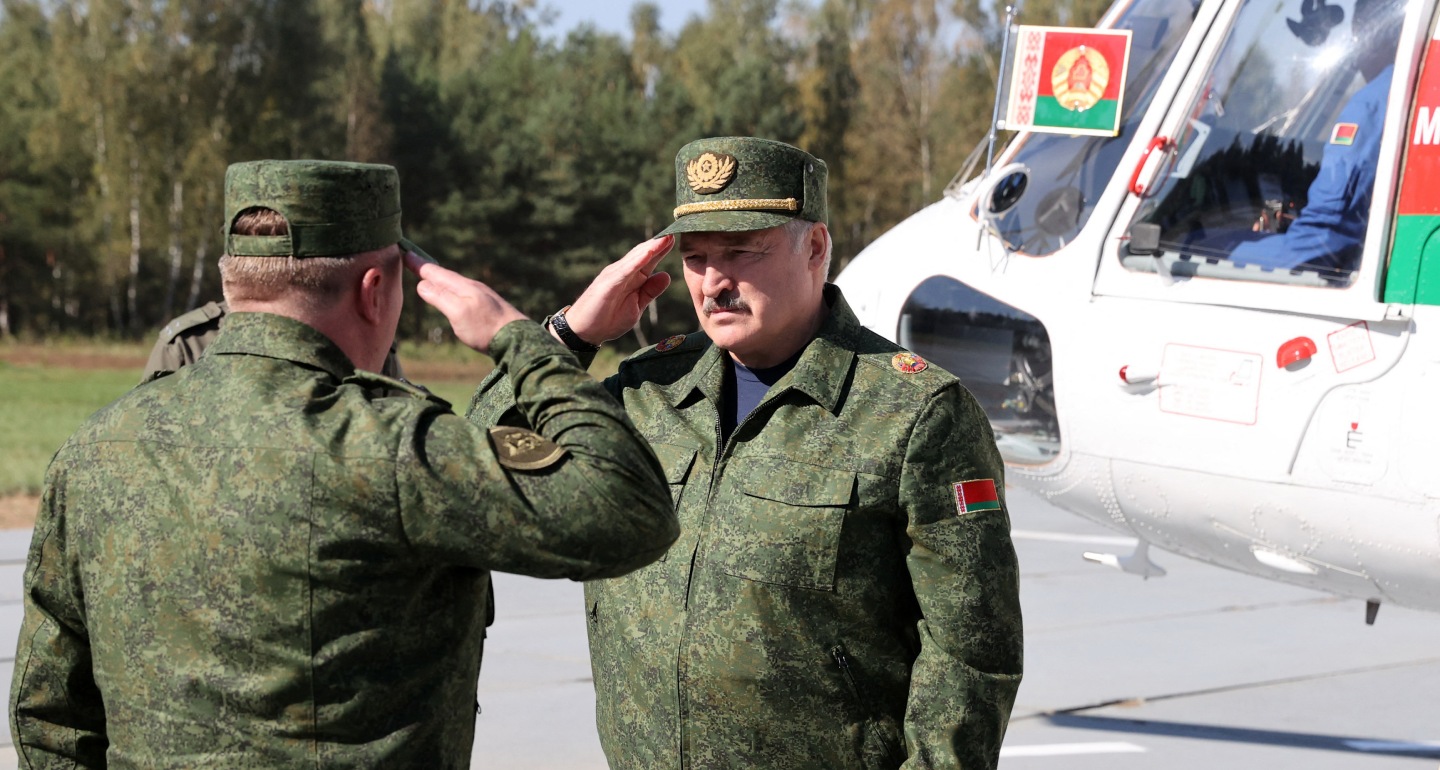
Ukraine’s increasingly confrontational posture on Belarus reflects Kyiv’s effort to shape the emerging regional order in Eastern Europe. Kyiv wants to limit European normalization with Minsk—and any future rapprochement with Russia.

Balázs Jarábik

A much-discussed disagreement over internet restrictions in Russia was never an existential threat for Putin: It was about elite groups protecting their interests.

Alexandra Prokopenko
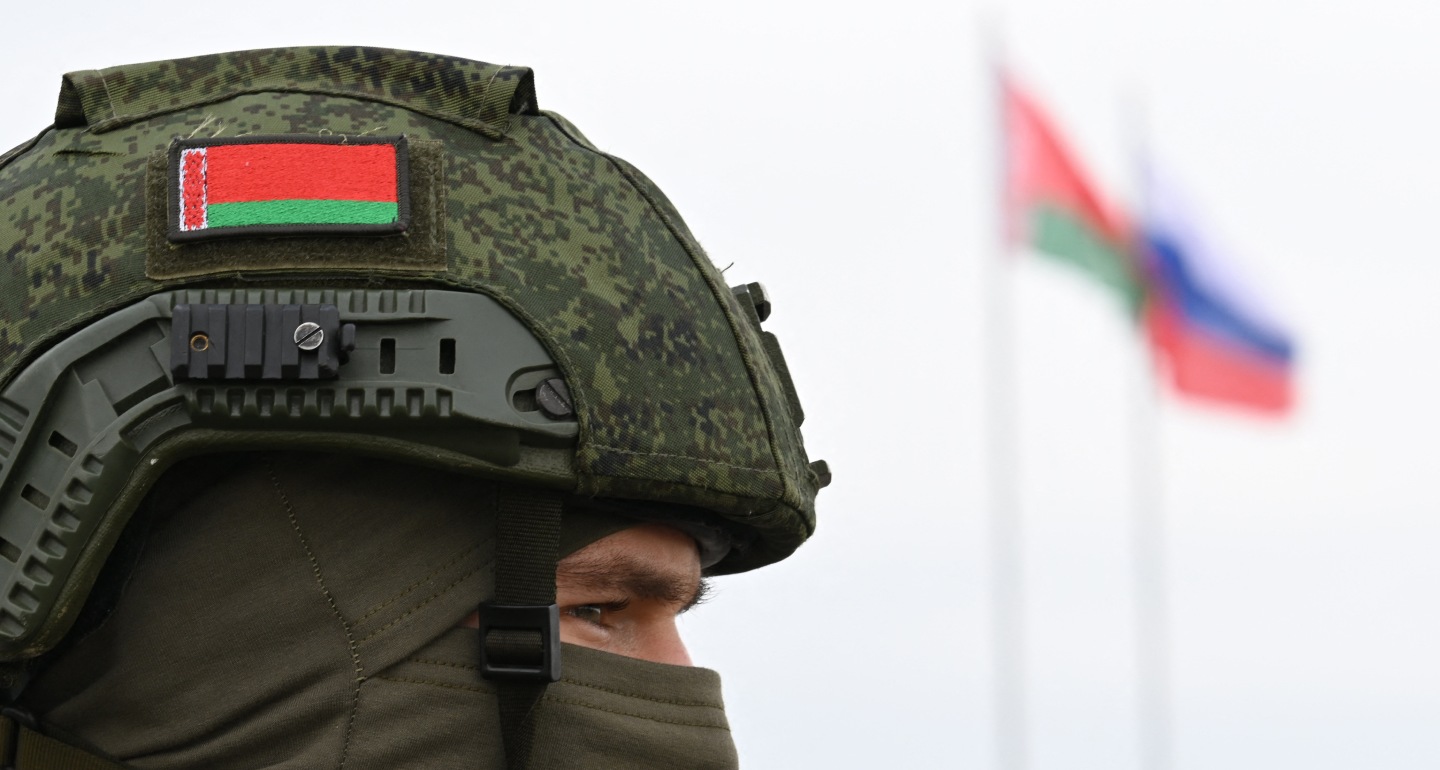
By reminding the world that Lukashenko is a threat to NATO and Ukraine, Kyiv is trying to return the focus to why the Belarusian regime needs to be contained rather than rewarded.

Artyom Shraibman