

Commentary
Uri Dadush
{
  "authors": [
    "Uri Dadush"
  ],
  "type": "legacyinthemedia",
  "centerAffiliationAll": "",
  "centers": [
    "Carnegie Endowment for International Peace"
  ],
  "collections": [],
  "englishNewsletterAll": "",
  "nonEnglishNewsletterAll": "",
  "primaryCenter": "Carnegie Endowment for International Peace",
  "programAffiliation": "",
  "programs": [],
  "projects": [],
  "regions": [
    "North America",
    "United States",
    "Southern, Eastern, and Western Africa",
    "South Asia",
    "India",
    "East Asia",
    "China"
  ],
  "topics": [
    "Economy"
  ]
}
REQUIRED IMAGE
Over the past several decades, the World Bank has broadened its approach to growth and poverty reduction by moving beyond hard infrastructure initiatives to systemic reforms in education and health care and the development of social safety nets.
Source: C-SPAN
Speaking on C-SPAN’s Washington Journal, Uri Dadush provided a primer on the World Bank’s mission and operations. He discussed how the bank’s approach to development has evolved over the years; outgoing president Robert Zoellick’s achievements at the bank; and the institution’s intense engagement with Africa. Over the past several decades, Dadush noted, the World Bank has broadened its approach to growth and poverty reduction, shifting from “projects” to “programs” and moving beyond hard infrastructure initiatives—the construction of roads, bridges, and power stations—to systemic reforms in education and health care and the development of social safety nets. The bank has made mistakes, but also learned from them, Dadush added; it has played a critical role, moreover, in launching the green revolution, which helped increase agricultural productivity and reduce poverty, and eradicate river blindness, among other accomplishments.
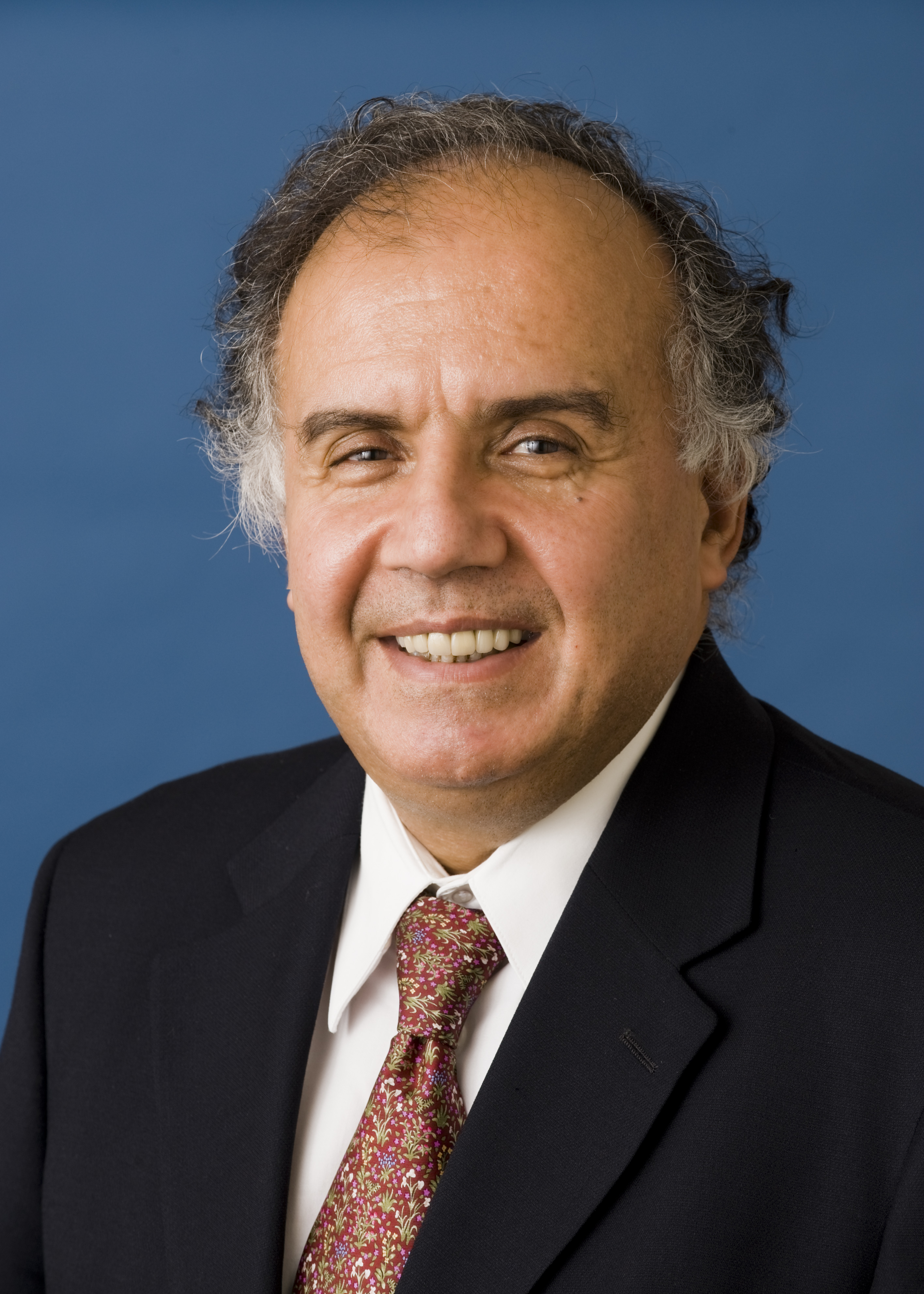
Former Senior Associate, International Economics Program
Dadush was a senior associate at the Carnegie Endowment for International Peace. He focuses on trends in the global economy and is currently tracking developments in the eurozone crisis.
Recent Work
Uri Dadush
Uri Dadush
Carnegie does not take institutional positions on public policy issues; the views represented herein are those of the author(s) and do not necessarily reflect the views of Carnegie, its staff, or its trustees.
Ongoing uncertainty in the Middle East allows Moscow to both increase its influence in Tehran and continue to enjoy the financial windfall of higher oil prices.

Nikita Smagin

A much-discussed disagreement over internet restrictions in Russia was never an existential threat for Putin: It was about elite groups protecting their interests.

Alexandra Prokopenko

The demands of the Kremlin’s war in Ukraine, demographic problems, and public hostility toward Central Asians mean Russia does not have enough workers.
Salavat Abylkalikov

Minsk’s faith in the future of its larger neighbor’s economy is fading as Belarusian firms in Russia see record losses.

Olga Loiko
With no key agreement signed on the Power of Siberia 2 gas pipeline, there is a risk that the window of opportunity for Russia will close if Chinese power generation becomes so green that new gas sources are no longer of any interest to Beijing.

Alexander Gabuev