

Commentary
The demands of the Kremlin’s war in Ukraine, demographic problems, and public hostility toward Central Asians mean Russia does not have enough workers.
Salavat Abylkalikov
{
  "authors": [
    "Kevin Jianjun Tu",
    "Adnan Vatansever"
  ],
  "type": "other",
  "centerAffiliationAll": "dc",
  "centers": [
    "Carnegie Endowment for International Peace"
  ],
  "collections": [],
  "englishNewsletterAll": "ctw",
  "nonEnglishNewsletterAll": "",
  "primaryCenter": "Carnegie Endowment for International Peace",
  "programAffiliation": "SCP",
  "programs": [
    "Sustainability, Climate, and Geopolitics"
  ],
  "projects": [],
  "regions": [
    "East Asia",
    "China",
    "Caucasus",
    "Russia",
    "North America"
  ],
  "topics": [
    "Climate Change"
  ]
}
Source: Getty
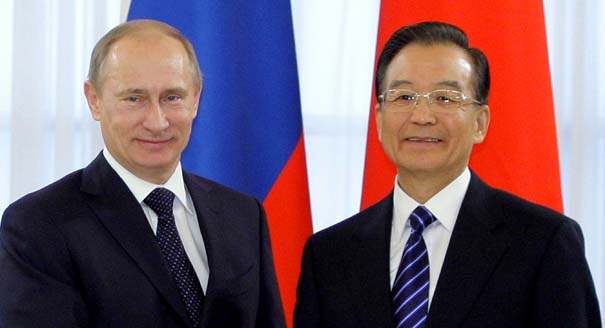
China and Russia must find a way to balance the competing policy challenges of economic development, energy security, and environmental integrity.
Source: New York Times Energy for Tomorrow Conference
At the New York Times Energy for Tomorrow Conferece, Carnegie's Kevin Tu and Adnan Vatansever discussed how China and Russia can balance the competing policy challenges of economic development, energy security, and environmental integrity.
Tu explained that coal will remain China’s leading source of energy for at least the next five years. Making China’s coal value chain—from coal mining to transport to end-use—more efficient, safe, and environmentally benign has the potential to significantly reduce China’s emissions. To successfully tackle the challenges of economic development, energy security, and environmental integrity, Chinese decision-makers should abandon their developing country mentality, and instead focus more on collaboration with other major economies, mainly the United States, Russia, and Europe, he concluded.
Vatansever stated that Russia, which is tied with Saudi Arabia as the world’s biggest oil producer and tied with the United States as the world’s largest gas producer, has the potential to save more oil than the United Kingdom consumes in a year by raising its energy efficiency level to the OECD average. Furthermore, Russia's role as a global energy supplier in the future will be determined by its ability to develop the next generation of oil and gas fields. The structure of the current tax system, the government’s dependence on oil and gas revenue, and the uncertainty regarding foreign investment in the oil and gas sector pose three major challenges for this development, he concluded.
While Beijing is taking climate change very seriously and has introduced a 17 percent carbon intensity reduction goal in its 12th Five Year Plan as well as a national climate change adaptation strategy, Moscow's view on climate change is still one of skepticism, the scholars explained. Tied with India as the world’s third largest emitter of greenhouse gases, Russia’s biggest climate change mitigation potential lies in energy efficiency gains.
Former Senior Associate , Energy and Climate Program
Tu was a senior associate in Carnegie’s Energy and Climate Program, where he led the organization’s work on China’s energy and climate policies.
Former Senior Associate, Energy and Climate Program
Vatansever was a senior associate in the Energy and Climate Program where he specializes in the energy sectors of the former Soviet republics and Eastern Europe.
Carnegie does not take institutional positions on public policy issues; the views represented herein are those of the author(s) and do not necessarily reflect the views of Carnegie, its staff, or its trustees.

The demands of the Kremlin’s war in Ukraine, demographic problems, and public hostility toward Central Asians mean Russia does not have enough workers.

Salavat Abylkalikov
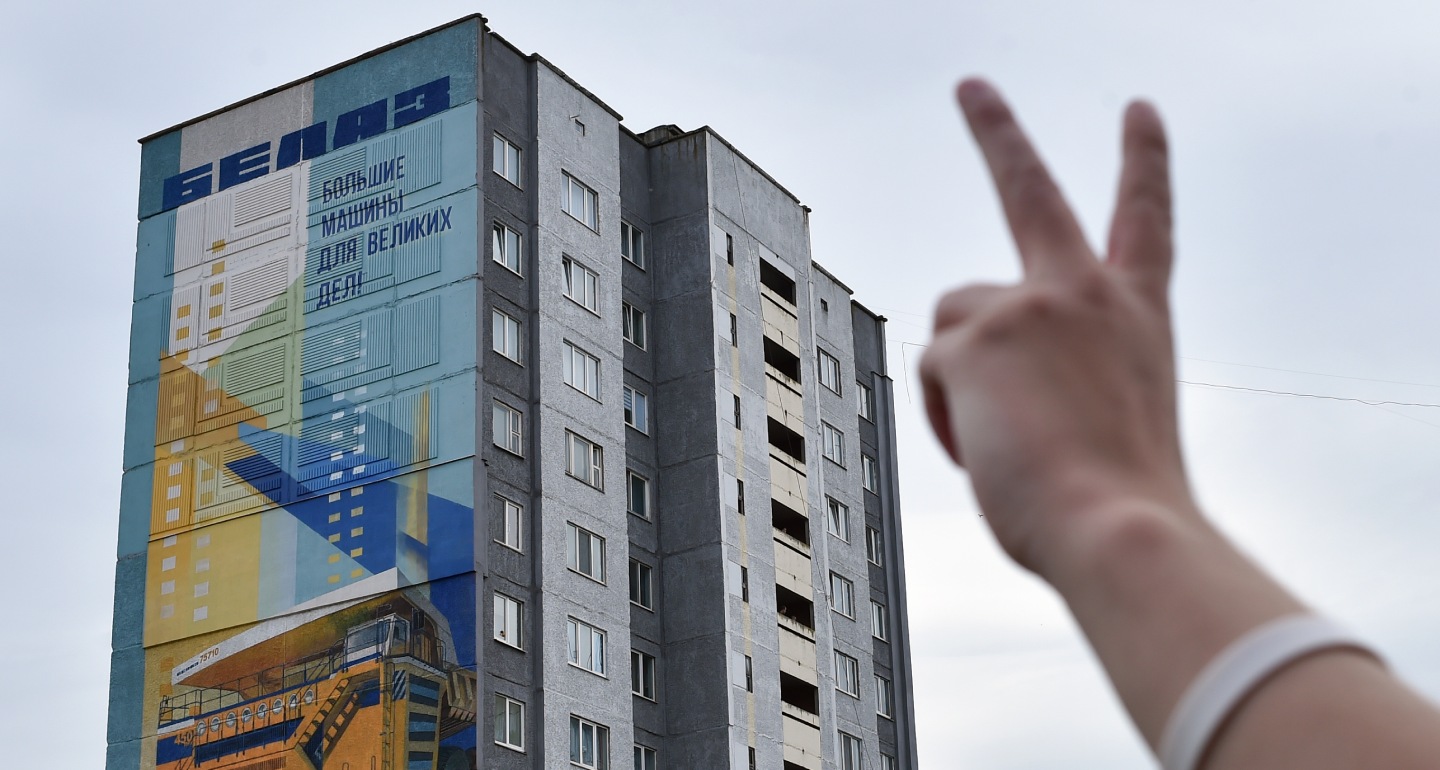
Minsk’s faith in the future of its larger neighbor’s economy is fading as Belarusian firms in Russia see record losses.

Olga Loiko
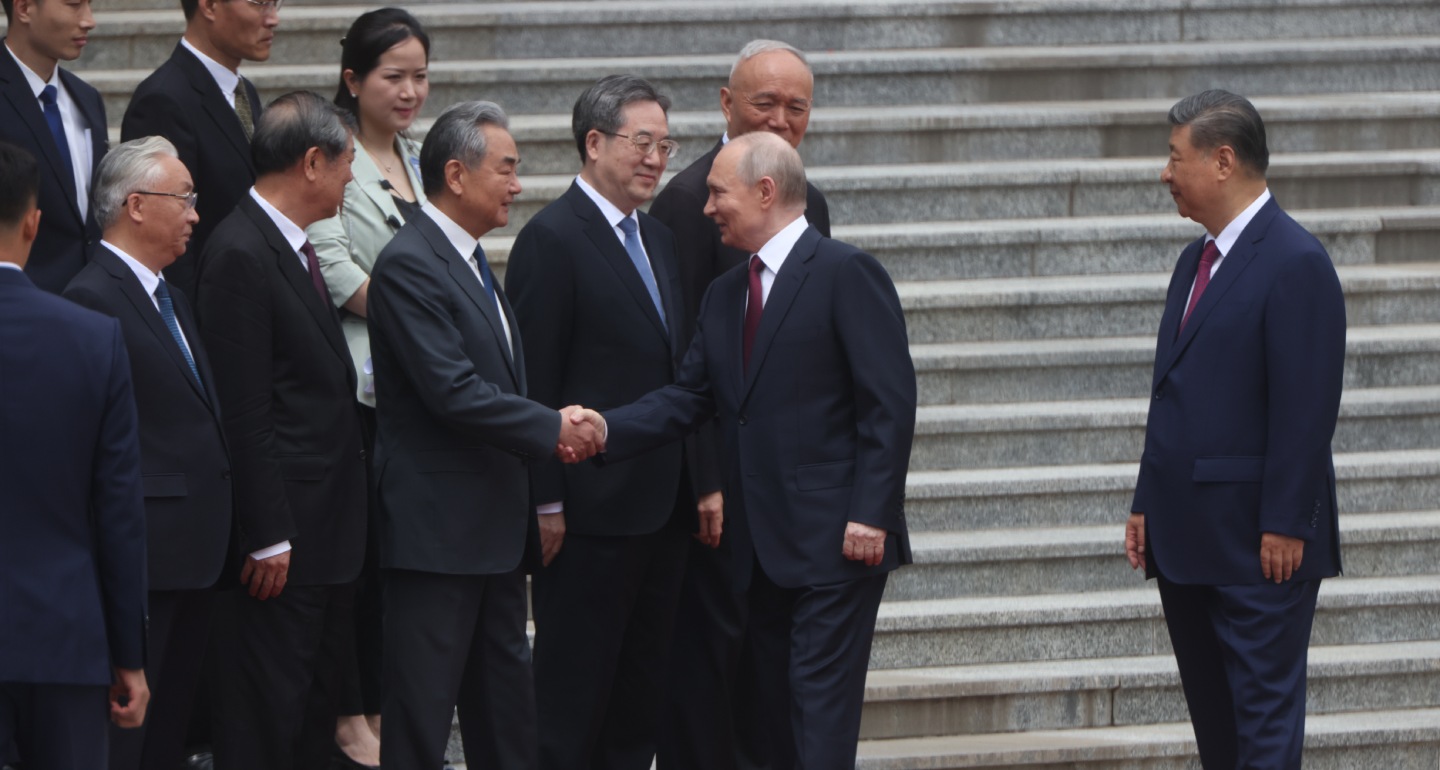
With no key agreement signed on the Power of Siberia 2 gas pipeline, there is a risk that the window of opportunity for Russia will close if Chinese power generation becomes so green that new gas sources are no longer of any interest to Beijing.

Alexander Gabuev
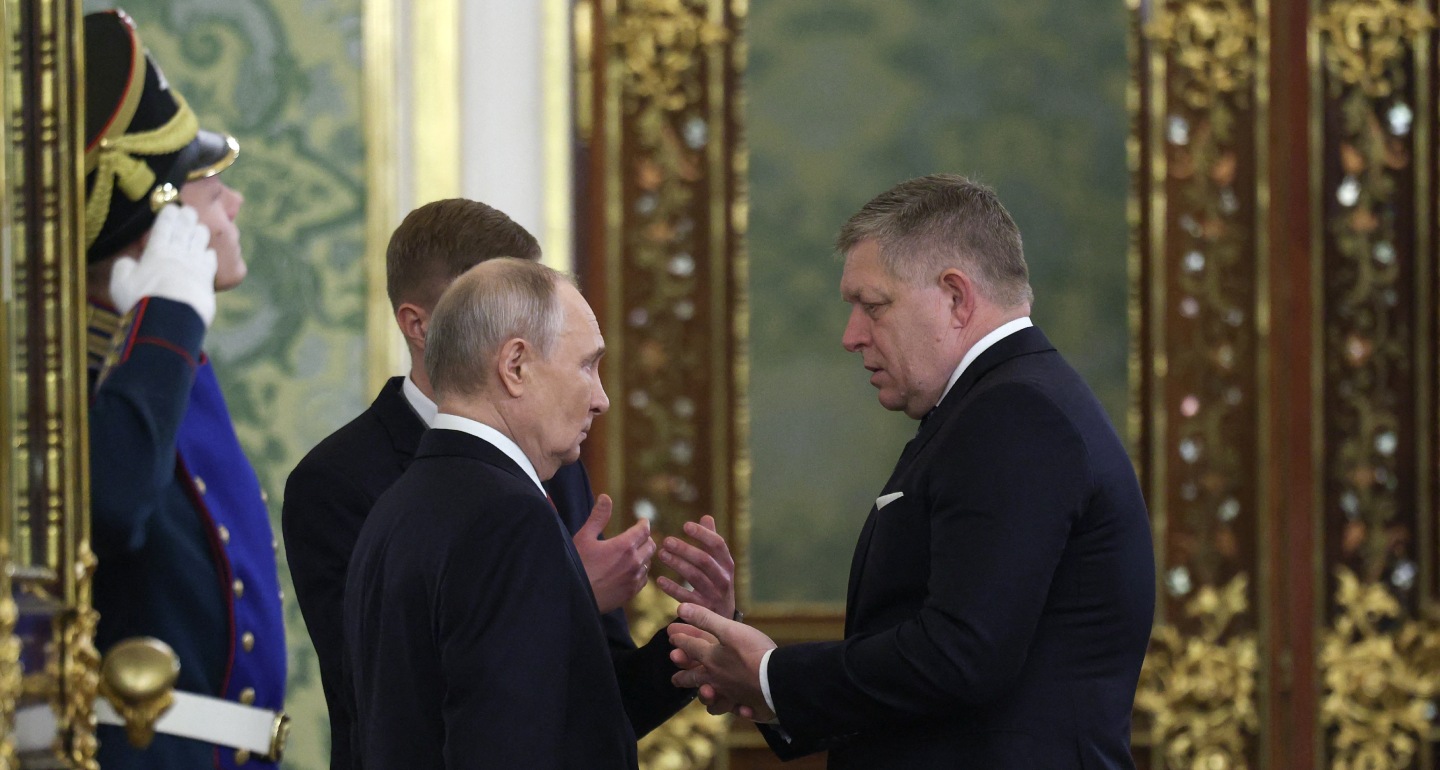
Though Orban is gone, Putin can still count on some like-minded individuals in Central and Eastern Europe. However, they will seek to avoid open confrontation with EU institutions over Ukraine and their ties with Moscow.

Dimitar Bechev

The truth is that Japan’s government is seeking a degree of reengagement but at a vastly reduced level than under Abe. Most significantly, Japan has shown no willingness to ease sanctions.

James D.J. Brown