

Article
Thomas de Waal
{
  "authors": [
    "Thomas de Waal"
  ],
  "type": "commentary",
  "centerAffiliationAll": "",
  "centers": [
    "Carnegie Endowment for International Peace",
    "Carnegie Europe",
    "Carnegie Russia Eurasia Center"
  ],
  "collections": [],
  "englishNewsletterAll": "",
  "nonEnglishNewsletterAll": "",
  "primaryCenter": "Carnegie Europe",
  "programAffiliation": "",
  "programs": [],
  "projects": [],
  "regions": [
    "Caucasus",
    "Azerbaijan"
  ],
  "topics": [
    "Political Reform",
    "Democracy"
  ]
}
Source: Getty
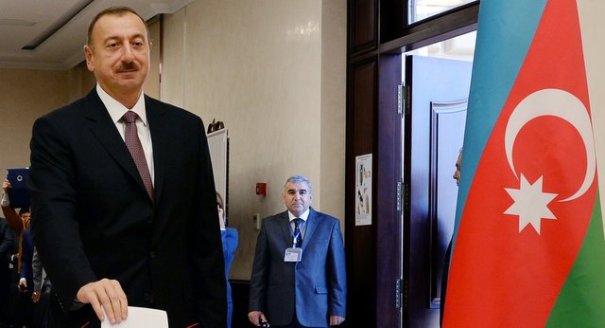
Ilham Aliyev has won reelection for a third term. As he begins his eleventh year as president of Azerbaijan, the huge shadow of his father and predecessor inevitably begins to recede and this is the moment for him to set a new political agenda for the country—if he wants too.
Ilham Aliyev has won reelection as president of Azerbaijan for a third term. The result was never in doubt. Nor was the fact that election observers would criticize the conduct of the poll—the OSCE monitoring team promptly released a statement describing a number of serious defects.
Now it gets more interesting. As Aliyev begins his eleventh year as president of Azerbaijan, the huge shadow of his father and predecessor inevitably begins to recede and this is the moment for him to set a new political agenda for the country—if he wants too. As I have argued recently, a changing geopolitical environment means that he needs to do so or risk facing a whole new set of problems.
Reading the runes in post-election Baku, there is already one important piece of news to ponder. This is that under a presidential pardon former Economic Development Minister Farhad Aliyev has been released from jail, along with his brother Rafik.
Farhad Aliyev was jailed in 2005. Formally the charge was corruption but his imprisonment was obviously the result of a political falling out. Aliyev had picked the wrong side in an internal power struggle and got punished for it.
Farhad Aliyev (not a relative of the president) had the reputation of being a modernizer, in favor of reforming the economy. Significantly, his only statement on being granted his freedom was to declare loyalty to the president.
It may be that the release of the former minister is the beginning of a thaw and that a reelected and relaxed president wants to initiate political and economic reforms in this third term (all within limits, of course). If that is the case, other actions must follow, including the release of other jailed political figures, such as Ilgar Mammadov.
Or maybe not. The other story out of Baku is of the government pushing back hard against the U.S. government’s sharp statement on the election. Veteran Soviet-era survivor and Presidential Chief of Staff Ramiz Mekhtiev claimed that the Americans had “advised” them to give the opposition 25 percent of the vote in the poll. He again spun the story that the United States is captive to the Armenian lobby and “double standards” when it comes to Azerbaijan.
Both these are episodes without a trend. It will take a few weeks before a clearer narrative emerges from Baku.

Senior Fellow, Carnegie Europe
Thomas de Waal is a senior fellow at Carnegie Europe, specializing in Eastern Europe and the Caucasus.
Recent Work
Thomas de Waal
Thomas de Waal
Carnegie does not take institutional positions on public policy issues; the views represented herein are those of the author(s) and do not necessarily reflect the views of Carnegie, its staff, or its trustees.

In the tenth year of his presidency, President Mirziyoyev’s system is becoming even more personalized than that of his predecessor Karimov.

Galiya Ibragimova
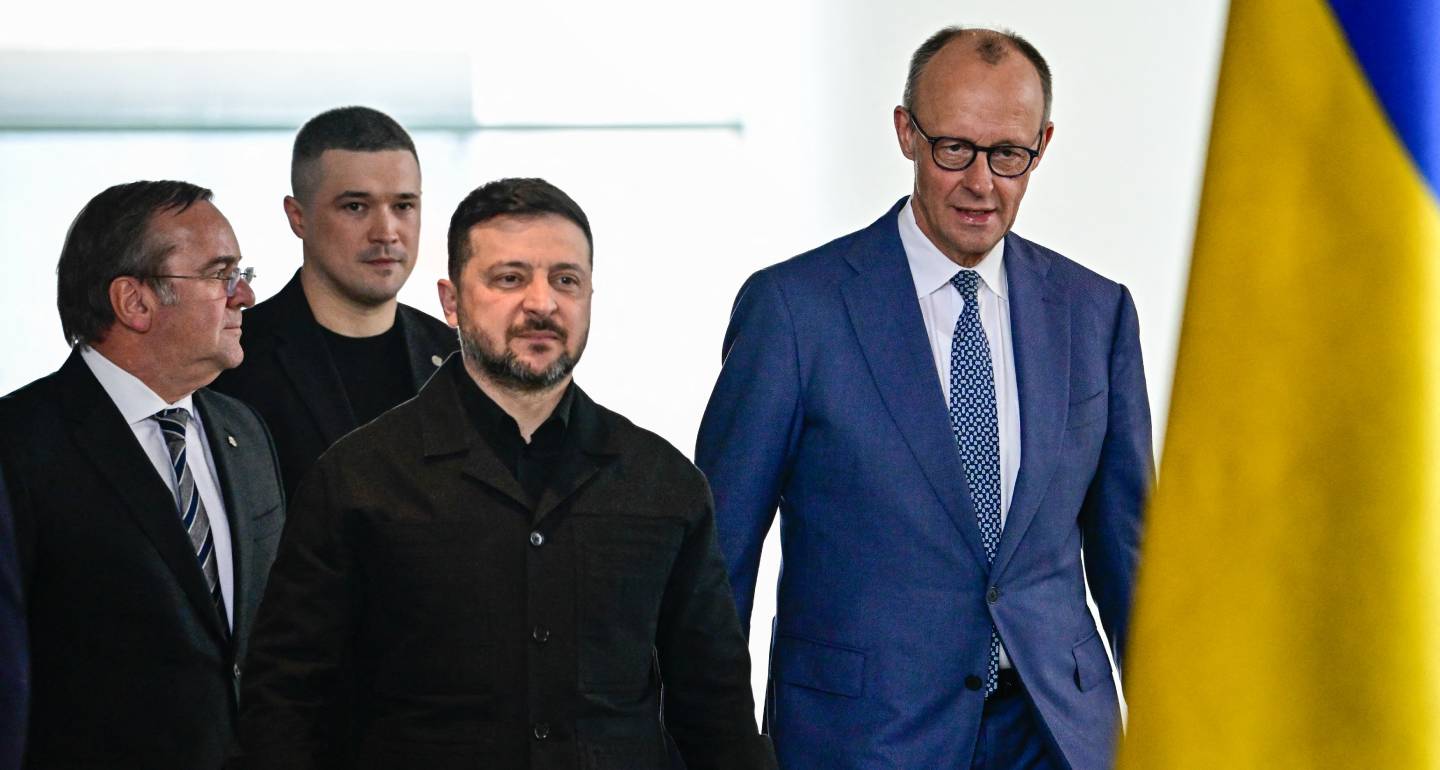
The greater threat to Zelensky comes not from Fedorov alone, but from the convergence between the former defense minister’s political campaign and the anti-corruption investigations moving ever closer to the presidential administration.

Balázs Jarábik
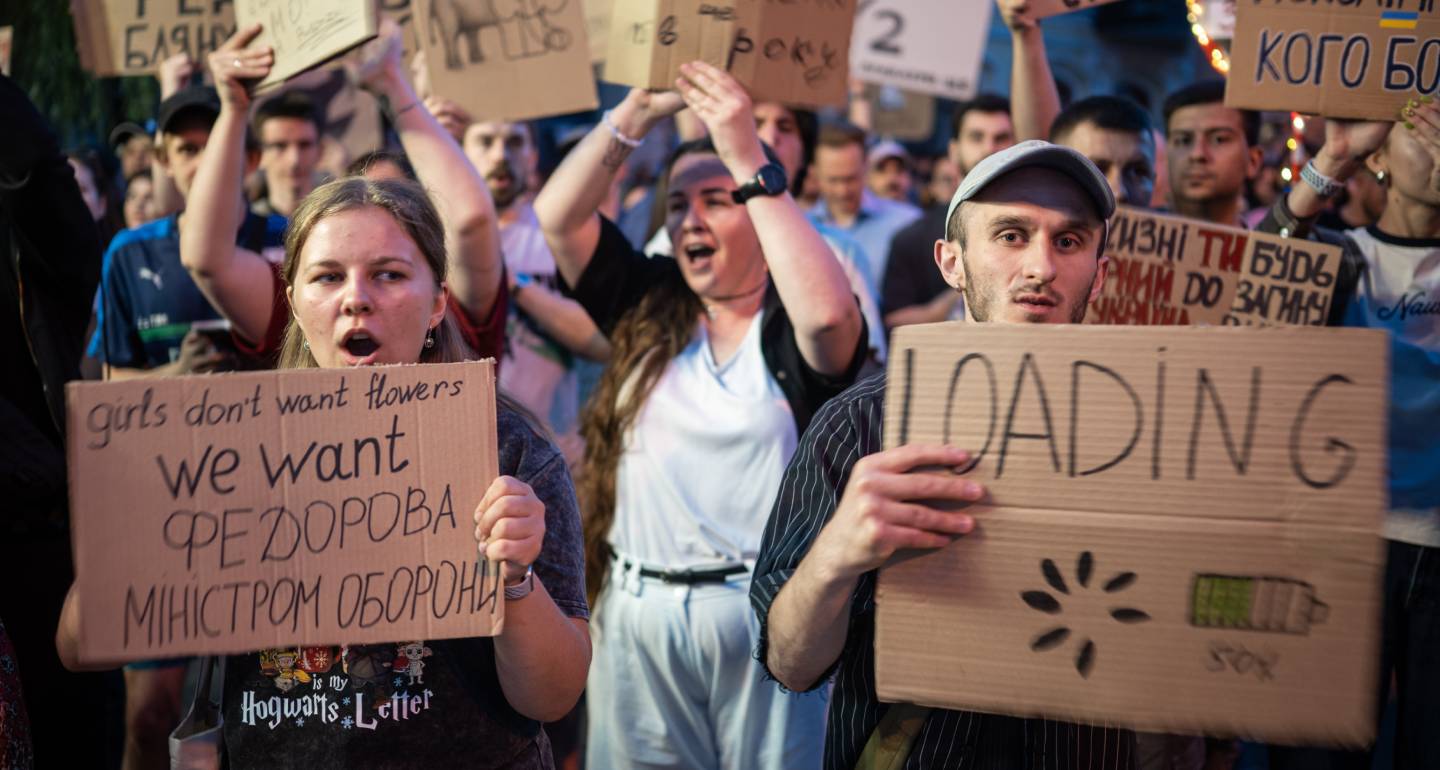
With his public call for new elections in Ukraine, ex-defense minister Mykhailo Fedorov has opened Pandora’s box.

Konstantin Skorkin

In the discussions made possible by the State Duma election campaign, one question is being asked more and more loudly. “What next?”

Andrey Pertsev

Two divergent trends—Putin’s hardline vision of how to prosecute the war in Ukraine, and a growing desire for change in Russia—could tear the regime apart.

Tatiana Stanovaya