

Article
Wang Tao
{
  "authors": [
    "Wang Tao"
  ],
  "type": "legacyinthemedia",
  "centerAffiliationAll": "",
  "centers": [
    "Carnegie Endowment for International Peace",
    "Carnegie China"
  ],
  "collections": [],
  "englishNewsletterAll": "",
  "nonEnglishNewsletterAll": "",
  "primaryCenter": "Carnegie China",
  "programAffiliation": "",
  "programs": [],
  "projects": [],
  "regions": [
    "East Asia",
    "China"
  ],
  "topics": [
    "Climate Change"
  ]
}
Source: Getty
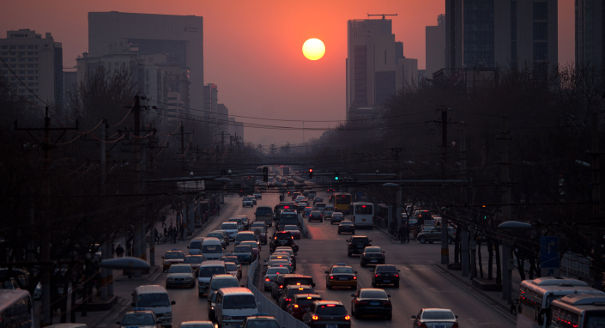
While Beijing has made some progress in combating air pollution, the problem lies in the country’s development model as China adjusts its emission control per unit of GDP growth.
Source: CCTV News
Carnegie–Tsinghua’s Wang Tao spoke with CCTV’s China 24 about his views on China’s new carbon emission goals. Wang commented that China’s new carbon emission targets differed from the initial ones set in 2005. The new goals are divided into two sub-targets: the reduction of carbon intensity by 17 percent and the increase renewable targets of non-fossil energy by 11.4 percent within a five year period.
Wang further explained how these targets play a role in China’s overall development plan and use of new green technology. He questioned the seemingly negligible influence these targets have on Beijing’s very visible smog problem. Wang stated that while progress has been made, the problem lies in the development model as China adjusts its emission control per unit of GDP growth. Consequently, as China’s GDP increases the amount of pollution allotment increases as well. The key to solving this issue is to strengthen the current model in order to prevent the pollution from increasing as GDP continues to rise.
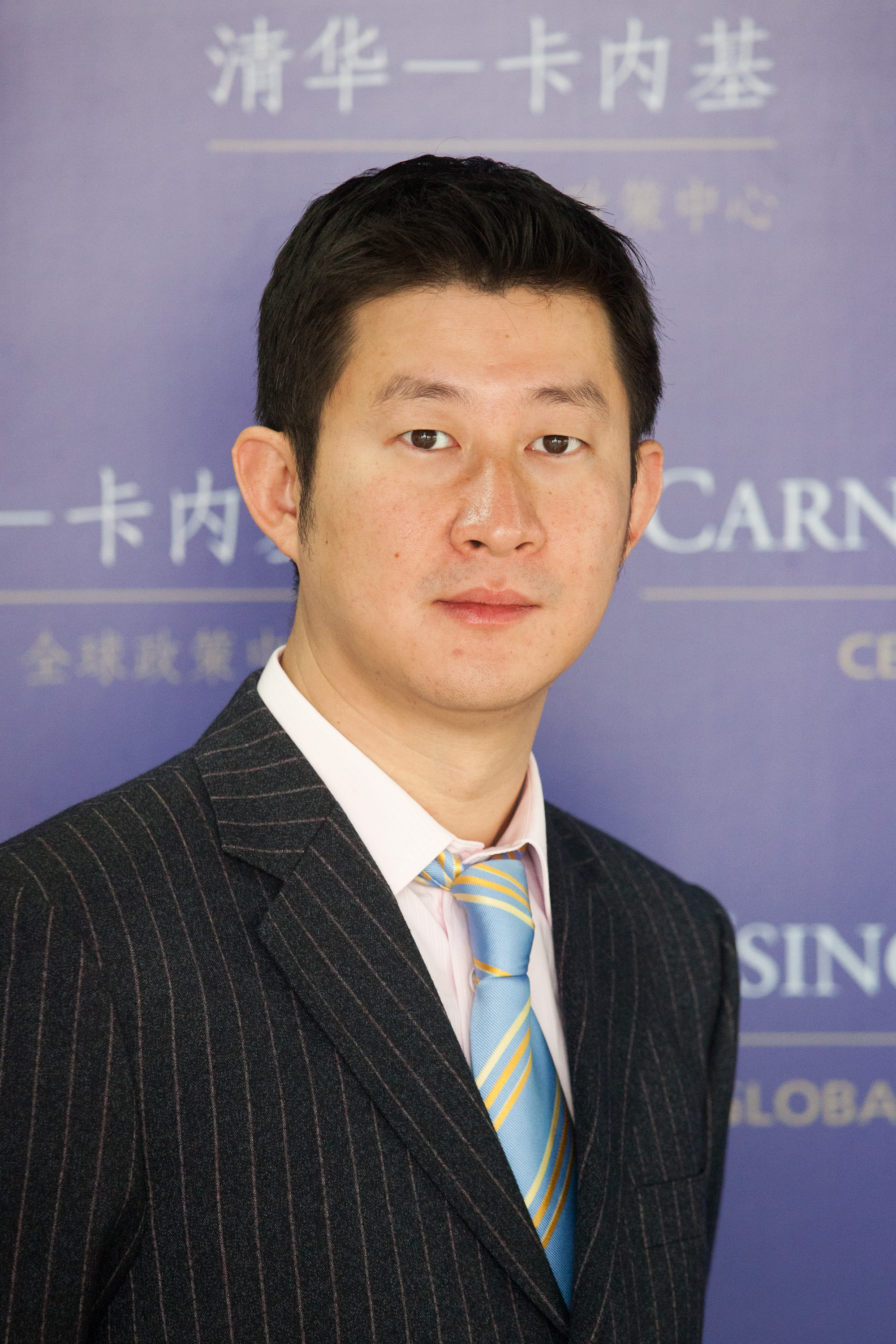
Former Nonresident Scholar, Carnegie-Tsinghua Center for Global Policy
Wang Tao was a nonresident scholar in the Energy and Climate Program based at the Carnegie–Tsinghua Center for Global Policy.
Recent Work
Wang Tao
Wang Tao, Yang Yifang
Carnegie does not take institutional positions on public policy issues; the views represented herein are those of the author(s) and do not necessarily reflect the views of Carnegie, its staff, or its trustees.

With the growth in points of friction between the great powers, organizations like the SCO will continue to play a role in the strategic adaptation of the smaller powers caught between them.

Temur Umarov

When faced with fuel shortages in the past, Central Asian governments could always count on additional supplies from Moscow. That safety net no longer exists.

Galiya Ibragimova
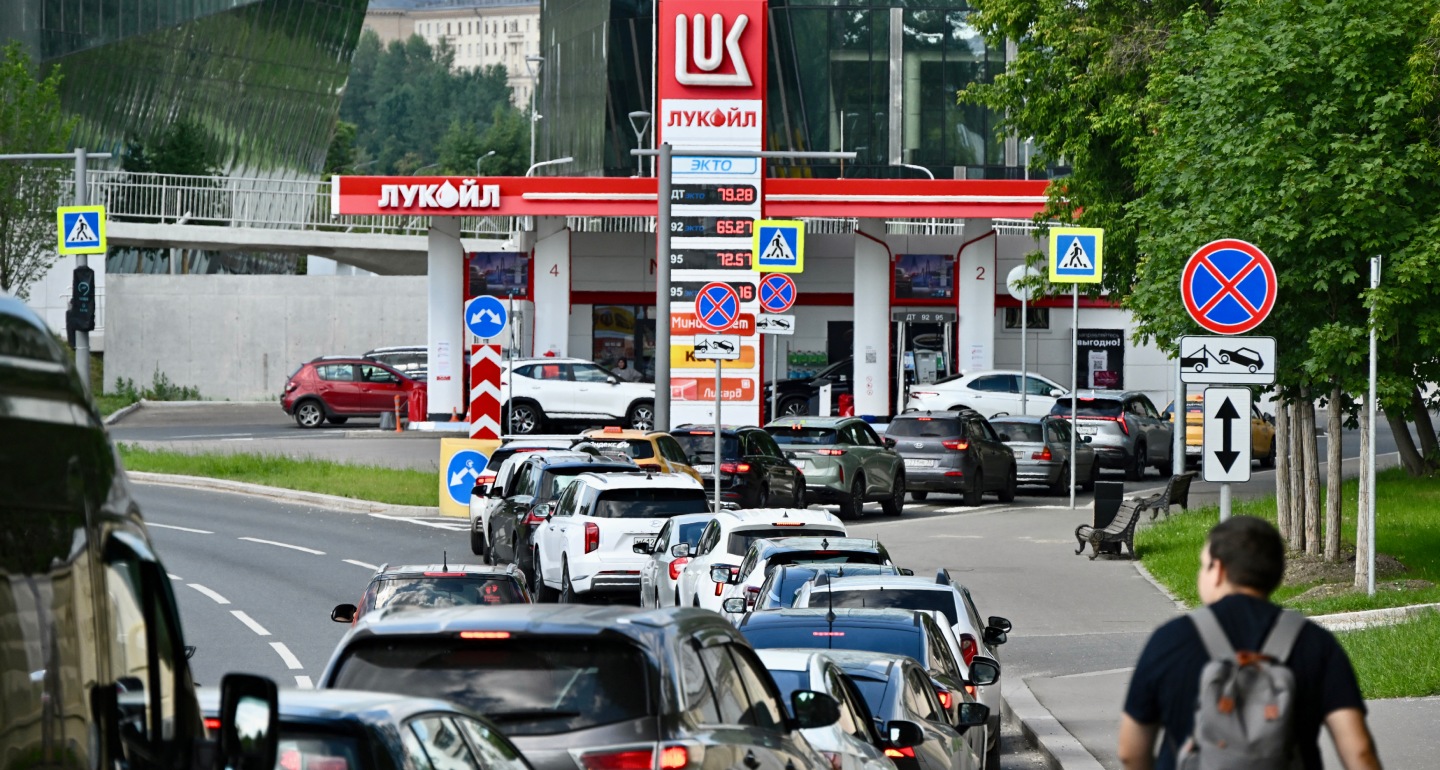
Official discussions about mini oil refineries are unlikely to come to anything—but the mere fact they’re happening reveals the regime is failing to deliver a functioning economy.

Sergey Vakulenko
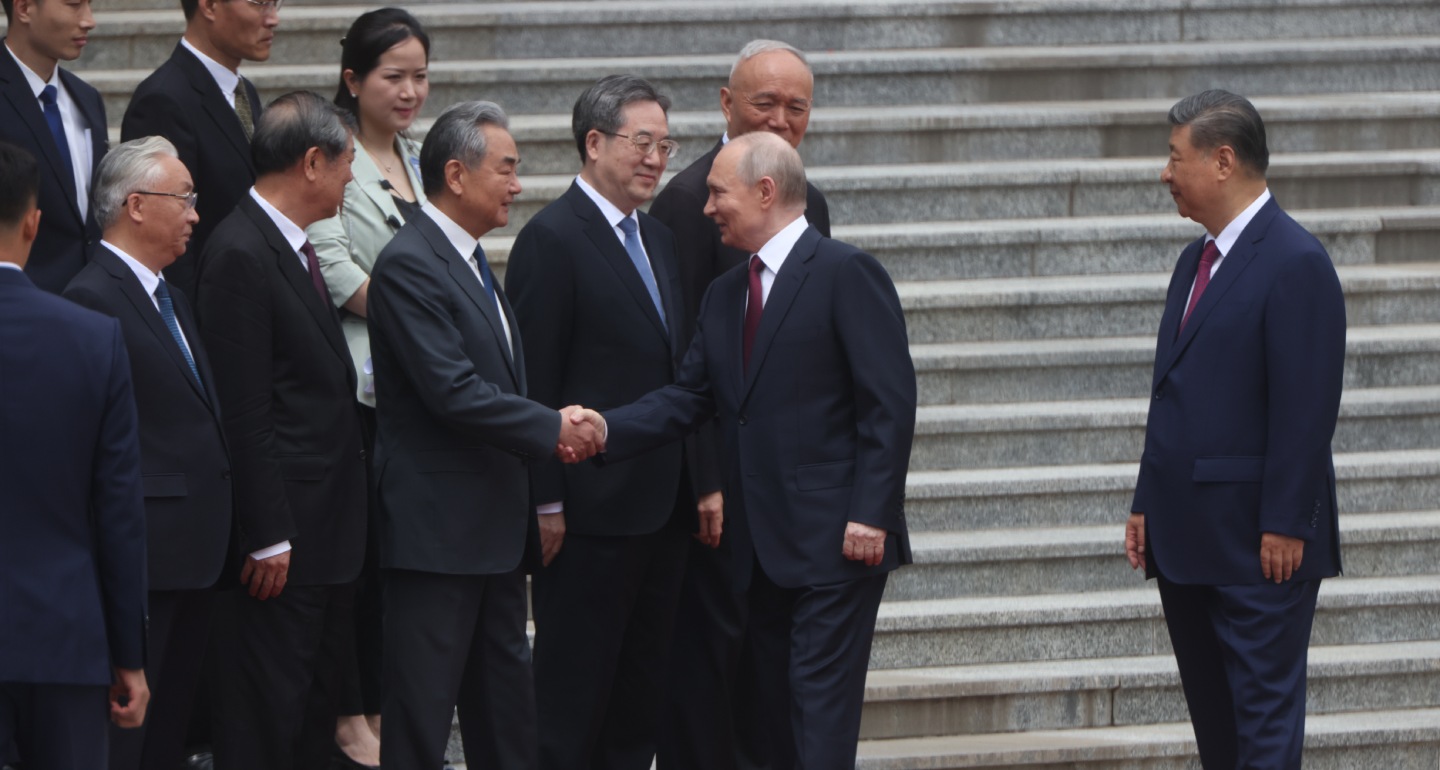
With no key agreement signed on the Power of Siberia 2 gas pipeline, there is a risk that the window of opportunity for Russia will close if Chinese power generation becomes so green that new gas sources are no longer of any interest to Beijing.

Alexander Gabuev

Tokyo would have to surmount a lot of obstacles—not least Western sanctions—if it wanted to return Russian oil imports to even modest pre-2022 volumes.
Vladislav Pashchenko