

Commentary
Thomas de Waal
{
  "authors": [
    "Thomas de Waal"
  ],
  "type": "commentary",
  "centerAffiliationAll": "",
  "centers": [
    "Carnegie Endowment for International Peace",
    "Carnegie Europe",
    "Carnegie Russia Eurasia Center"
  ],
  "collections": [],
  "englishNewsletterAll": "",
  "nonEnglishNewsletterAll": "",
  "primaryCenter": "Carnegie Europe",
  "programAffiliation": "",
  "programs": [],
  "projects": [],
  "regions": [
    "Central Asia",
    "Caucasus",
    "Russia",
    "Azerbaijan"
  ],
  "topics": [
    "Political Reform",
    "Foreign Policy"
  ]
}
Source: Getty
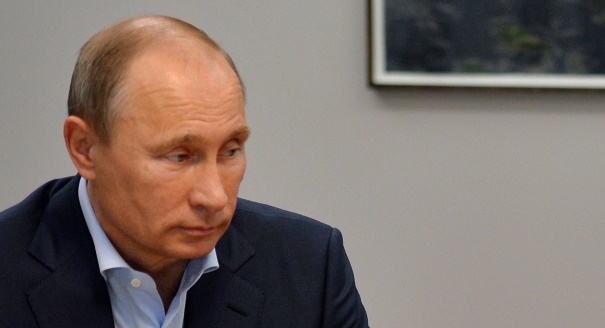
Putin has always flirted with the new Russian nationalism, never embracing it outright. Now he faces a dilemma as the phenomenon he helped create weakens the basis of his Eurasian Union project.
In the last month, two news stories have emanated from Moscow. One is the fall-out from the xenophobic violence that broke out in October in the Biryulyovo district of Moscow.
The other is President Vladimir Putin’s efforts to rebuild a Eurasian Union beginning with a Customs Union. That process is especially intense ahead of the European Union’s Eastern Partnership summit in Vilnius.
Ultimately, foreign policy should reflect a country’s domestic priorities. In this case, however, the two are in outright conflict. The neighbors are getting mixed messages.
On the one hand, Putin is bidding to make Russia a place of attraction for its former Soviet neighbors, a country they would like to be partners with. On the other, he is presiding over a backlash against Russia’s neighbors and minorities.
A recent poll by the Levada Center recorded that 54 percent of respondents were in favor of restricting immigration for people from the Caucasus—a sharp jump from 30 percent only two years ago. The poll showed that the corresponding level of aggression toward people from China or Central Asia was only marginally less—around 45 percent.
So what message did it send to two prime candidates for the Eurasian Union, Kazakhstan and Kyrgyzstan, when on November 5, a migrant worker from their neighboring republic, Uzbekistan, was stabbed to death in St. Petersburg—reportedly by a gang of young men wearing a nationalist “uniform” of heavy military boots with white laces?
Or take Azerbaijan. The Biryulyovo riots were triggered by the killing on October 10 of a 25-year-old local resident Yegor Shcherbakov by an Azerbaijani national, Orhan Zeynalov.
Zeynalov was subsequently arrested and physically abused by police in front of Russian television cameras. That may have gone down well with a nationalist domestic constituency that Putin was trying to appease. But it caused outrage in Azerbaijan. Much of the work the Russian president did when he led a high-level delegation to Baku in August was undone. I can only imagine the reaction to the Zeynalov affair in the offices of Rosneft, which has been trying to strike a gas deal with the Azerbaijan state energy company Socar.
Putin himself has always flirted with the new Russian nationalism, never embracing it outright. Now he faces a dilemma as the phenomenon he helped create weakens the basis of his prestige foreign policy project.

Senior Fellow, Carnegie Europe
Thomas de Waal is a senior fellow at Carnegie Europe, specializing in Eastern Europe and the Caucasus.
Recent Work
Thomas de Waal

Thomas de Waal, Areg Kochinyan, Zaur Shiriyev
Carnegie does not take institutional positions on public policy issues; the views represented herein are those of the author(s) and do not necessarily reflect the views of Carnegie, its staff, or its trustees.

The demands of the Kremlin’s war in Ukraine, demographic problems, and public hostility toward Central Asians mean Russia does not have enough workers.
Salavat Abylkalikov
Minsk’s faith in the future of its larger neighbor’s economy is fading as Belarusian firms in Russia see record losses.

Olga Loiko
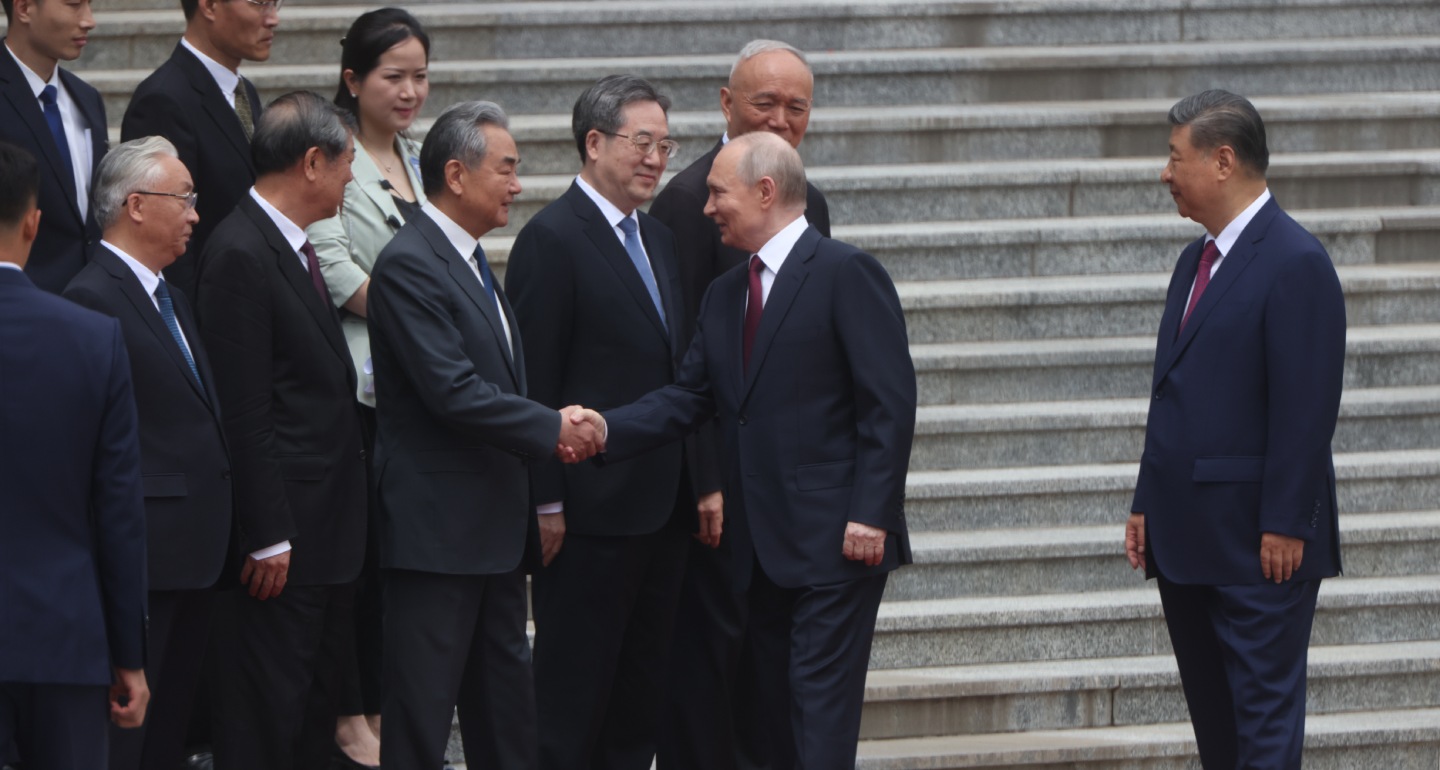
With no key agreement signed on the Power of Siberia 2 gas pipeline, there is a risk that the window of opportunity for Russia will close if Chinese power generation becomes so green that new gas sources are no longer of any interest to Beijing.

Alexander Gabuev
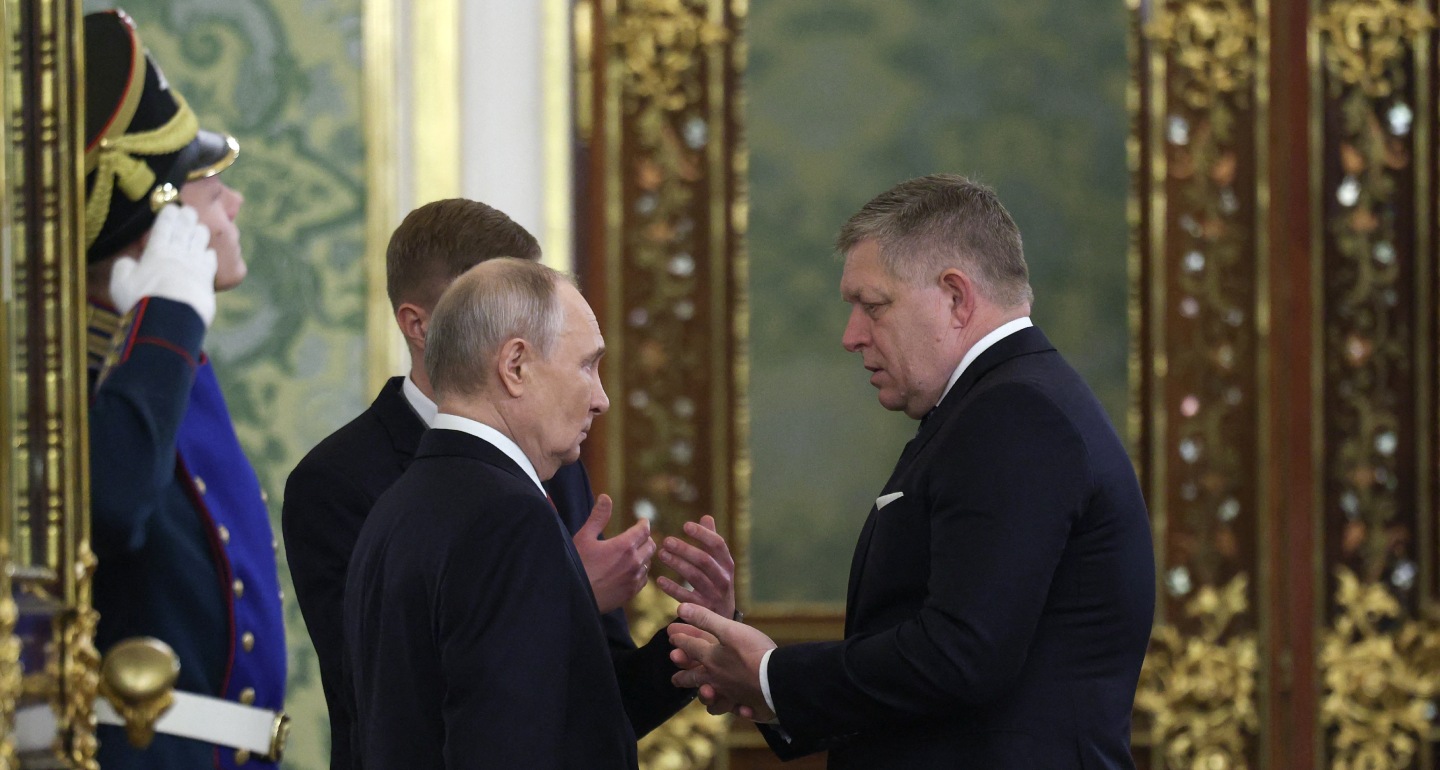
Though Orban is gone, Putin can still count on some like-minded individuals in Central and Eastern Europe. However, they will seek to avoid open confrontation with EU institutions over Ukraine and their ties with Moscow.

Dimitar Bechev

The truth is that Japan’s government is seeking a degree of reengagement but at a vastly reduced level than under Abe. Most significantly, Japan has shown no willingness to ease sanctions.

James D.J. Brown