

Article
Wang Tao
{
  "authors": [
    "Wang Tao"
  ],
  "type": "legacyinthemedia",
  "centerAffiliationAll": "",
  "centers": [
    "Carnegie Endowment for International Peace",
    "Carnegie China"
  ],
  "collections": [],
  "englishNewsletterAll": "",
  "nonEnglishNewsletterAll": "",
  "primaryCenter": "Carnegie China",
  "programAffiliation": "",
  "programs": [],
  "projects": [],
  "regions": [
    "East Asia",
    "China"
  ],
  "topics": [
    "Climate Change"
  ]
}
Source: Getty
To solve the problem of air pollution in the long term, China must invest in electric vehicles and renewable energy sources.
Source: CCTV News
Speaking to CCTV English, Carnegie-Tsinghua’s Wang Tao discussed the importance of electric vehicles and renewable energy sources in curbing the problem of air pollution as well as the longer term problem of climate change. Wang emphasized that any policy seeking to boost use of electric vehicles must take note of travel demands. While electric vehicles can play a major role in curbing emissions, increasing the number of electric vehicles on the roads too quickly would lead to traffic congestion and higher emissions levels overall, he warned. Wang added that authorities must create more incentives to offset the high cost of purchasing an electric vehicle and build the infrastructure necessary to their use. He concluded by saying that more efforts to develop renewable energy sources were required in order to combat both air pollution and the long-term problem of climate change.
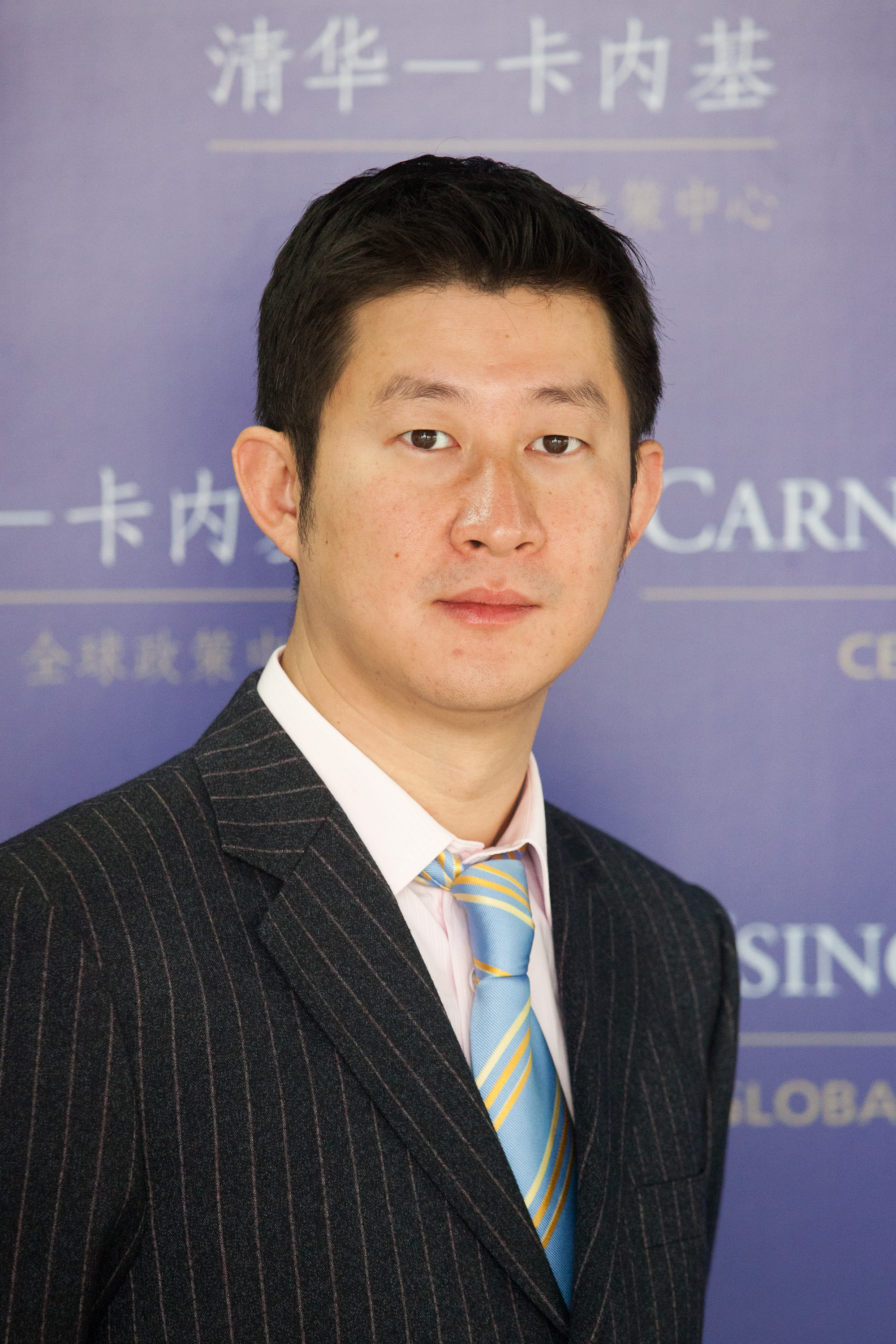
Former Nonresident Scholar, Carnegie-Tsinghua Center for Global Policy
Wang Tao was a nonresident scholar in the Energy and Climate Program based at the Carnegie–Tsinghua Center for Global Policy.
Recent Work
Wang Tao
Wang Tao, Yang Yifang
Carnegie does not take institutional positions on public policy issues; the views represented herein are those of the author(s) and do not necessarily reflect the views of Carnegie, its staff, or its trustees.
Tokyo would have to surmount a lot of obstacles—not least Western sanctions—if it wanted to return Russian oil imports to even modest pre-2022 volumes.
Vladislav Pashchenko
For the Middle Corridor to fulfill its promises, one of these routes must become scalable. At present, neither is.
Friedrich Conradi
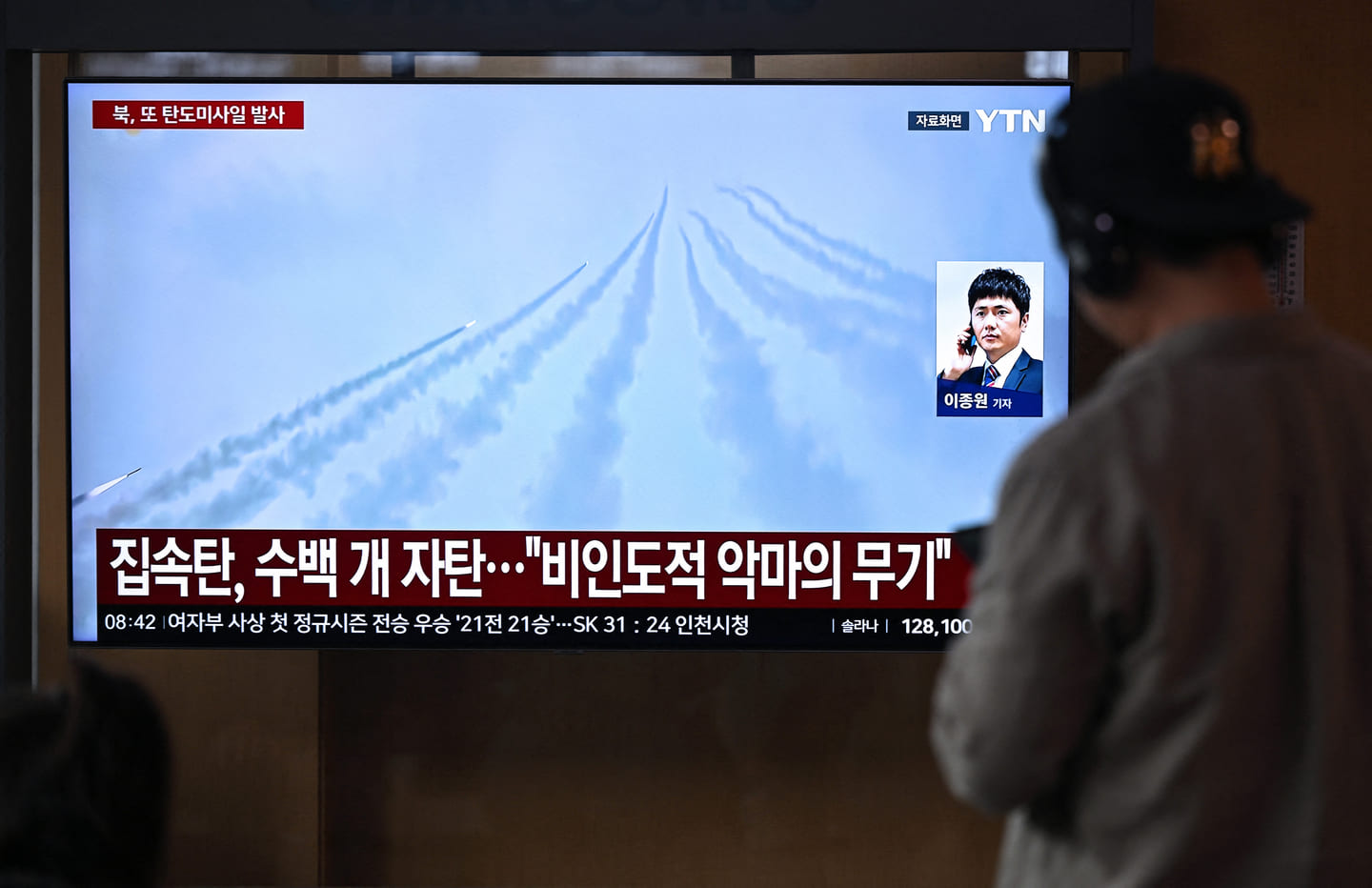
Troubled by the growing salience of nuclear debates in East Asia, Moscow has responded in its usual way: with condemnation and threats. But by exacerbating insecurity, Russia is forcing South Korea and Japan to consider radical security options.

James D.J. Brown
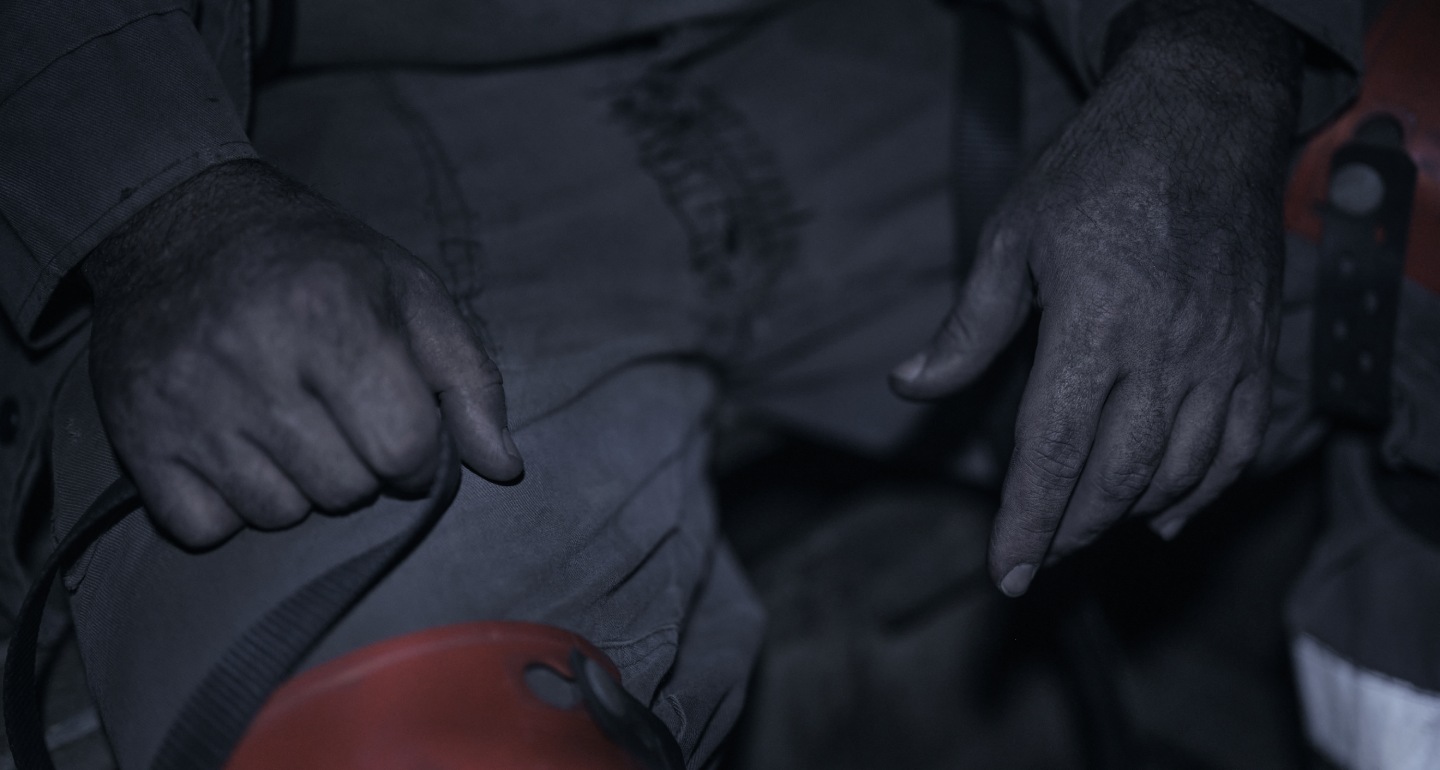
Powerful lobbyists and inertia led to Russia’s coal-mining sector missing an excellent opportunity to solve its structural problems.
Alexey Gusev
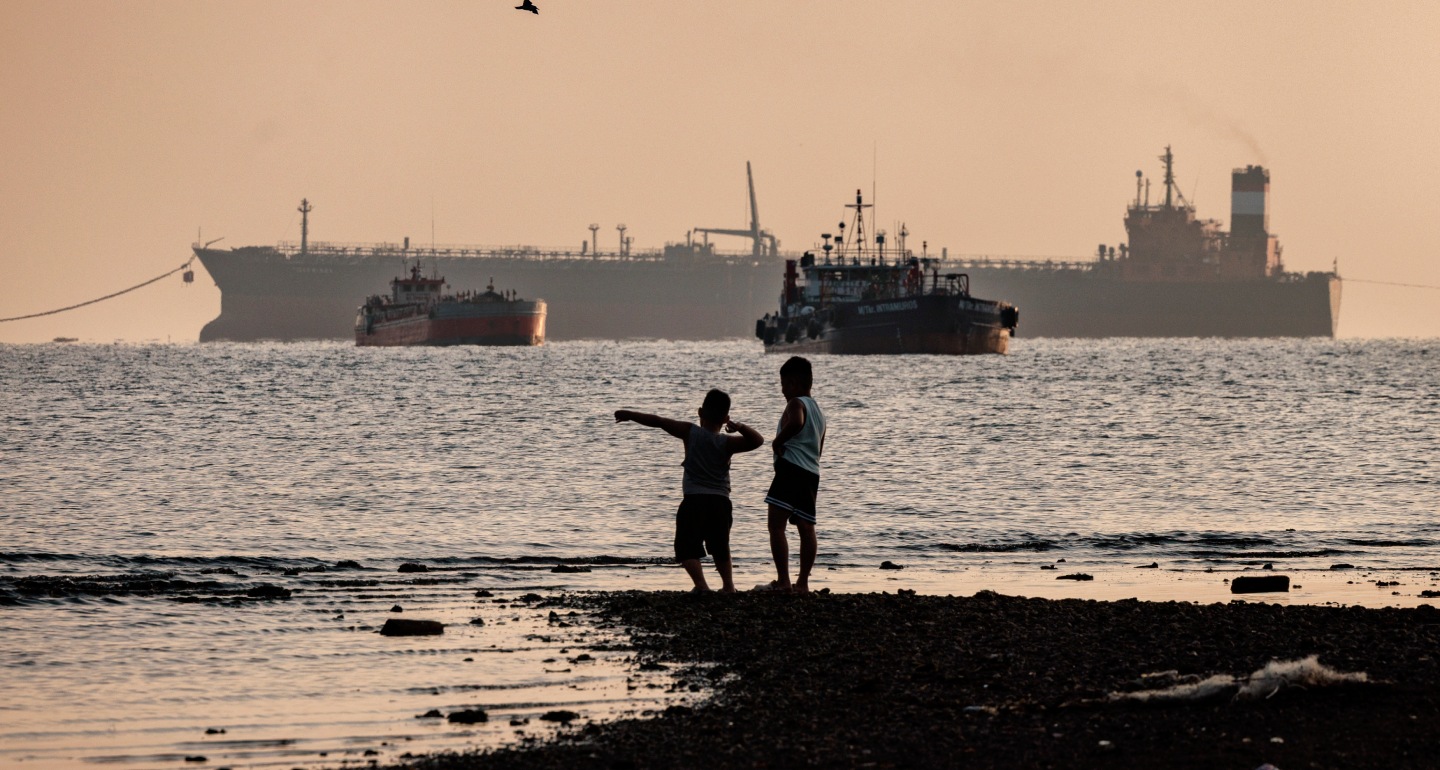
Although Ukrainian strikes have led to a noticeable decline in the physical volume of Russian oil exports, the rise in prices has more than made up for it.

Sergey Vakulenko