

Commentary
The truth is that Japan’s government is seeking a degree of reengagement but at a vastly reduced level than under Abe. Most significantly, Japan has shown no willingness to ease sanctions.
James D.J. Brown
{
  "authors": [
    "Jessica Tuchman Mathews",
    "James M. Acton"
  ],
  "type": "other",
  "centerAffiliationAll": "dc",
  "centers": [
    "Carnegie Endowment for International Peace"
  ],
  "collections": [
    "Japan's Nuclear Crisis"
  ],
  "englishNewsletterAll": "ctw",
  "nonEnglishNewsletterAll": "",
  "primaryCenter": "Carnegie Endowment for International Peace",
  "programAffiliation": "NPP",
  "programs": [
    "Nuclear Policy"
  ],
  "projects": [],
  "regions": [
    "East Asia",
    "Japan"
  ],
  "topics": [
    "Nuclear Policy"
  ]
}
Source: Getty
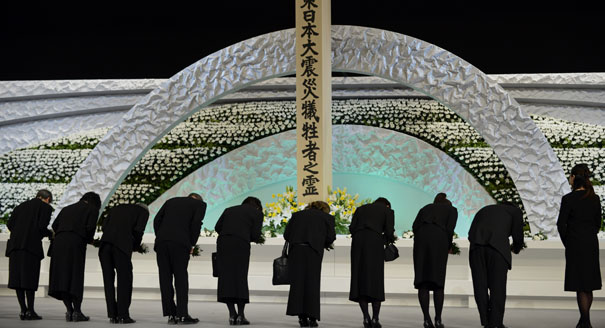
While physical aftershocks from the earthquake that struck Japan on March 11, 2011, have long ceased, societal aftershocks are still reverberating.
Source: Independent Investigation Commission on the Fukushima Daiichi Nuclear Accident
While physical aftershocks from the earthquake that struck Japan on March 11, 2011, have long ceased, societal aftershocks are still reverberating. Most obviously, 110,000 of the evacuees forced to flee from the worst nuclear accident since Chernobyl have yet to return to their homes. For many Japanese - not just the evacuees and their famiilies - their dislocation is an open wound.
At the same time, Japanese society has gained a new interest in its country's governance. Until the accident, it had been willing to let bureaucrats make most key policies with a minimum of interference. Now, a wave of public involvement, which was started by dissatisfaction over energy policy, is having effects in unrelated areas, such as pensions.
A robust and engaged civil society is surely a welcome development. Japan has been in a sustained economic slump for almost two decades, partly as a result of a political system devoid of imagination and unable to innovate. (Although, hopefully, Japan's new prime minister's signature economic policy of "Abenomics" will turn out to be an exception to that rule.) It may be painful for the Kasumigaseki bureaucrats, but an injection of energy from civil society could - perhaps - be a turning point....

Distinguished Fellow
Mathews is a distinguished fellow at the Carnegie Endowment for International Peace. She served as Carnegie’s president for 18 years.

Jessica T. Mathews Chair, Co-director, Nuclear Policy Program
Acton holds the Jessica T. Mathews Chair and is co-director of the Nuclear Policy Program at the Carnegie Endowment for International Peace.
Carnegie does not take institutional positions on public policy issues; the views represented herein are those of the author(s) and do not necessarily reflect the views of Carnegie, its staff, or its trustees.
The truth is that Japan’s government is seeking a degree of reengagement but at a vastly reduced level than under Abe. Most significantly, Japan has shown no willingness to ease sanctions.

James D.J. Brown
Tokyo would have to surmount a lot of obstacles—not least Western sanctions—if it wanted to return Russian oil imports to even modest pre-2022 volumes.

Vladislav Pashchenko
Troubled by the growing salience of nuclear debates in East Asia, Moscow has responded in its usual way: with condemnation and threats. But by exacerbating insecurity, Russia is forcing South Korea and Japan to consider radical security options.
James D.J. Brown
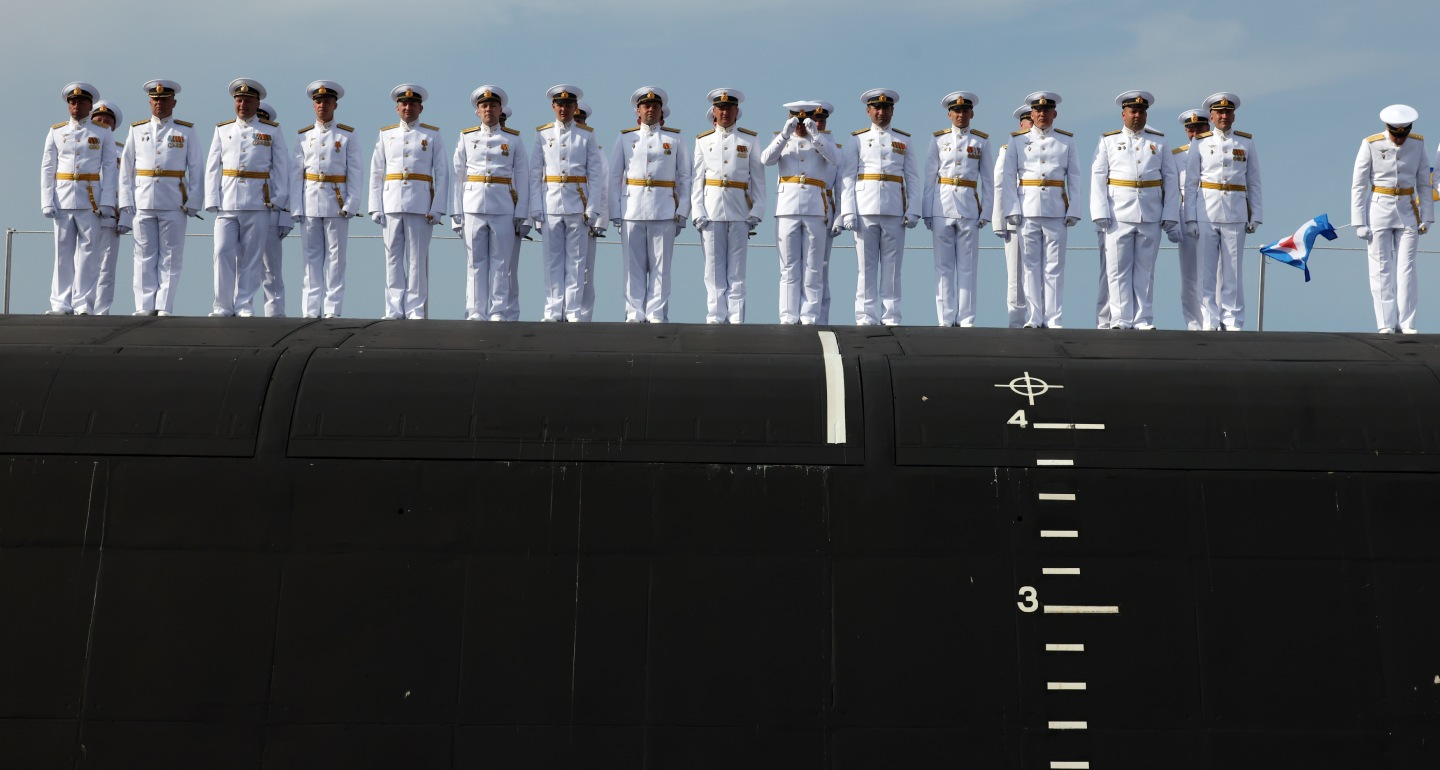
For Putin, upgrading Russia’s nuclear forces was a secondary goal. The main aim was to gain an advantage over the West, including by strengthening the nuclear threat on all fronts. That made growth in missile arsenals and a new arms race inevitable.
Maxim Starchak
For a real example of political forces engaged in the militarization of society, the Russian leadership might consider looking closer to home.
James D.J. Brown