

Other
- +18
James M. Acton, Saskia Brechenmacher, Cecily Brewer, …
{
  "authors": [
    "Eugene Rumer"
  ],
  "type": "legacyinthemedia",
  "centerAffiliationAll": "dc",
  "centers": [
    "Carnegie Endowment for International Peace"
  ],
  "collections": [],
  "englishNewsletterAll": "",
  "nonEnglishNewsletterAll": "",
  "primaryCenter": "Carnegie Endowment for International Peace",
  "programAffiliation": "russia",
  "programs": [
    "Russia and Eurasia"
  ],
  "projects": [],
  "regions": [
    "Russia",
    "Eastern Europe",
    "Ukraine"
  ],
  "topics": [
    "Security",
    "Foreign Policy"
  ]
}
Source: Getty
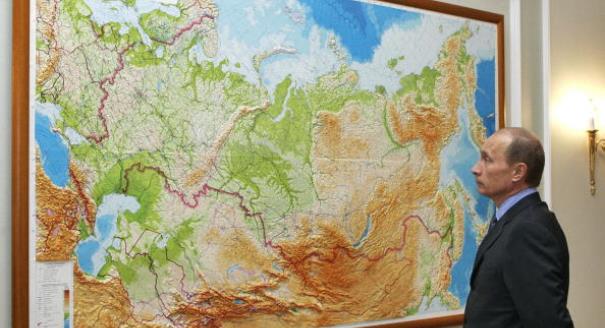
The Ukraine crisis has reached a new phase that could lead to outright conflict between Ukraine and Russia. However, it is not clear what Russia’s strategy is in Ukraine and what it hopes to achieve.
Source: Bloomberg TV
Speaking on Bloomberg TV, Carnegie’s Eugene Rumer said that the Ukraine crisis has entered a new phase that could potentially lead to outright military conflict between Ukraine and Russia. However, he added, it is unclear what Russia’s political strategy is and what it hopes to achieve by destabilizing the new government in Kiev. Rumer stated that, regardless of Vladimir Putin’s goal, its actions against Ukraine will be detrimental to Russia in the longer term, as Moscow will eventually have to deal with Kiev in some form or another. In the near future, the United States will probably impose more economic sanctions on Russia, and this could do significant damage to the Russian economy. But sanctions are unlikely to dractically alter Russia’s actions, as the Russian leadership now sees the Ukraine crisis as an existential issue, Rumer concluded.
Director and Senior Fellow, Russia and Eurasia Program
Rumer, a former national intelligence officer for Russia and Eurasia at the U.S. National Intelligence Council, is a senior fellow and the director of Carnegie’s Russia and Eurasia Program.
Recent Work



James M. Acton, Saskia Brechenmacher, Cecily Brewer, …

Nate Reynolds, Eugene Rumer
Carnegie does not take institutional positions on public policy issues; the views represented herein are those of the author(s) and do not necessarily reflect the views of Carnegie, its staff, or its trustees.
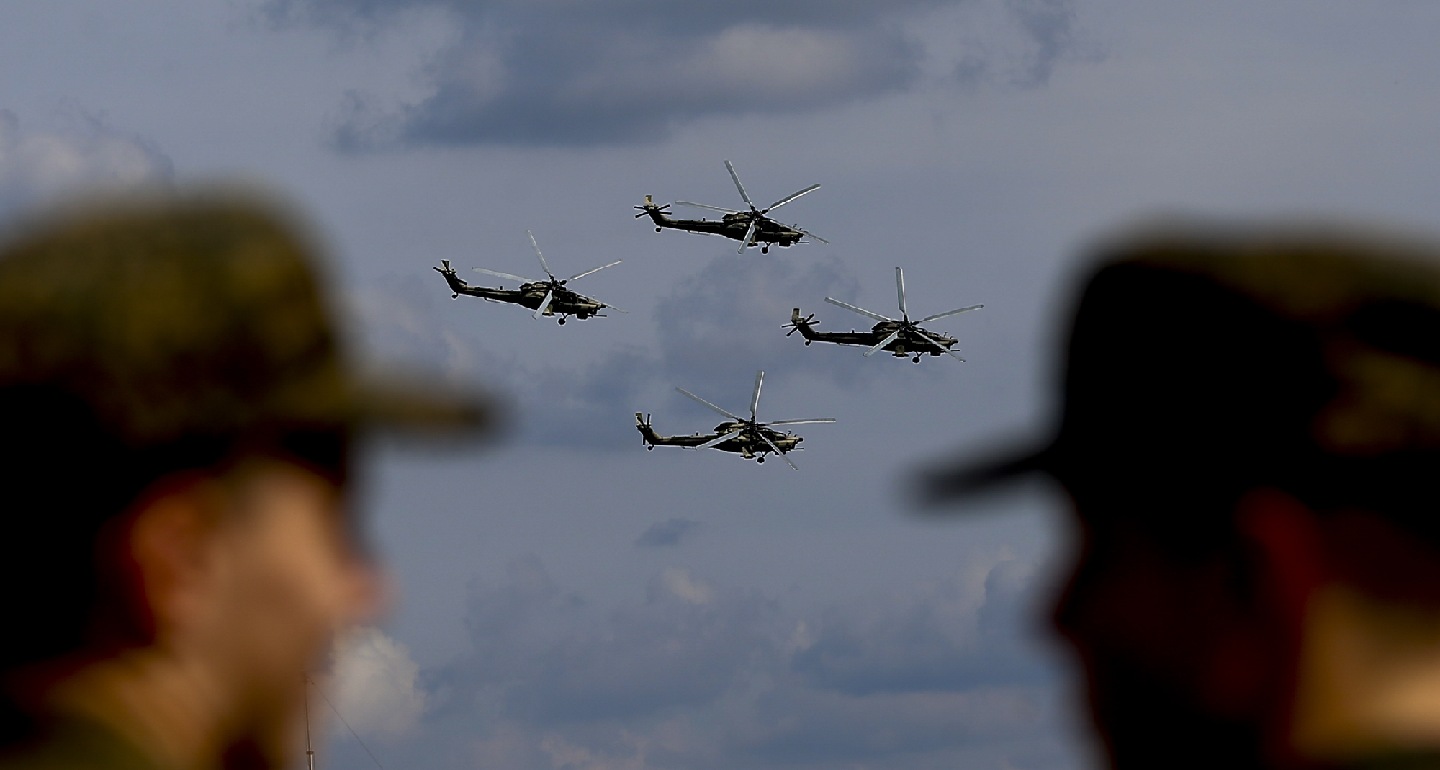
Arms supplies from Russia to Iran will not only continue, but could grow significantly if Russia gets the opportunity.

Nikita Smagin
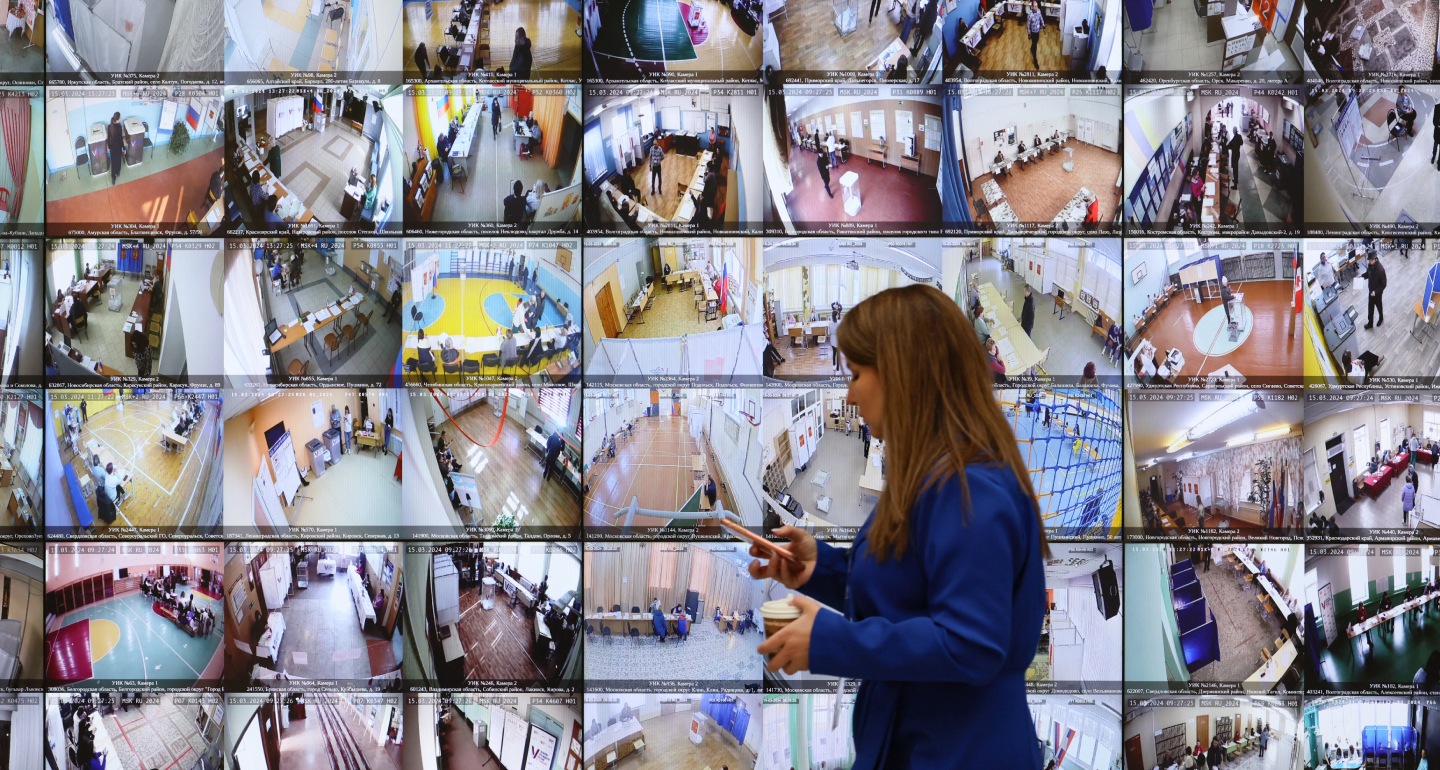
The use of technology to mobilize Russians to vote—a system tied to the relative material well-being of the electorate, its high dependence on the state, and a far-reaching system of digital control—is breaking down.

Andrey Pertsev
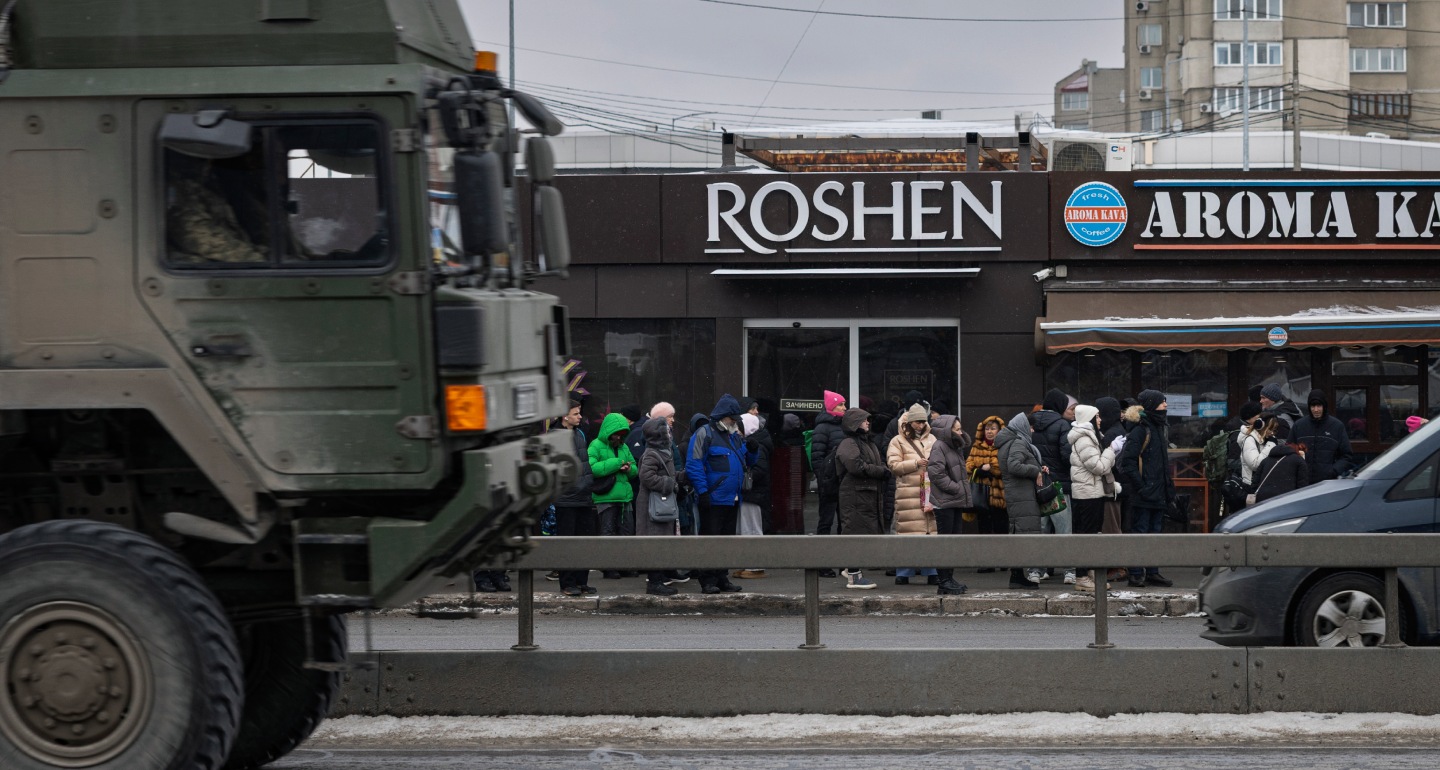
Putin is stalling, waiting for a breakthrough on the front lines or a grand bargain in which Trump will give him something more than Ukraine in exchange for concessions on Ukraine. And if that doesn’t happen, the conflict could be expanded beyond Ukraine.

Alexander Baunov
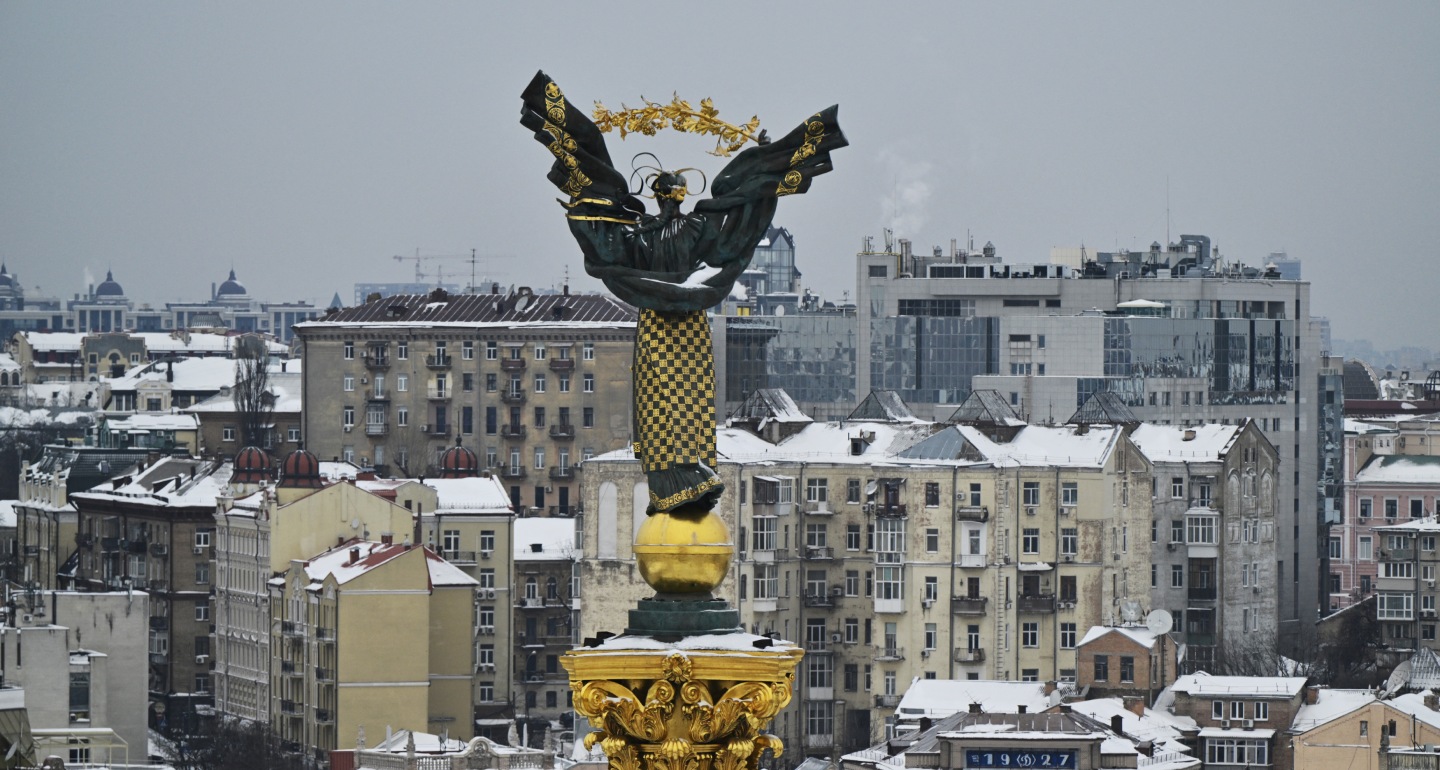
As discussions about settlement and elections move from speculation to preparation, Kyiv will have to manage not only the battlefield, but also the terms of political transition. The thaw will not resolve underlying tensions; it will only expose them more clearly.

Balázs Jarábik
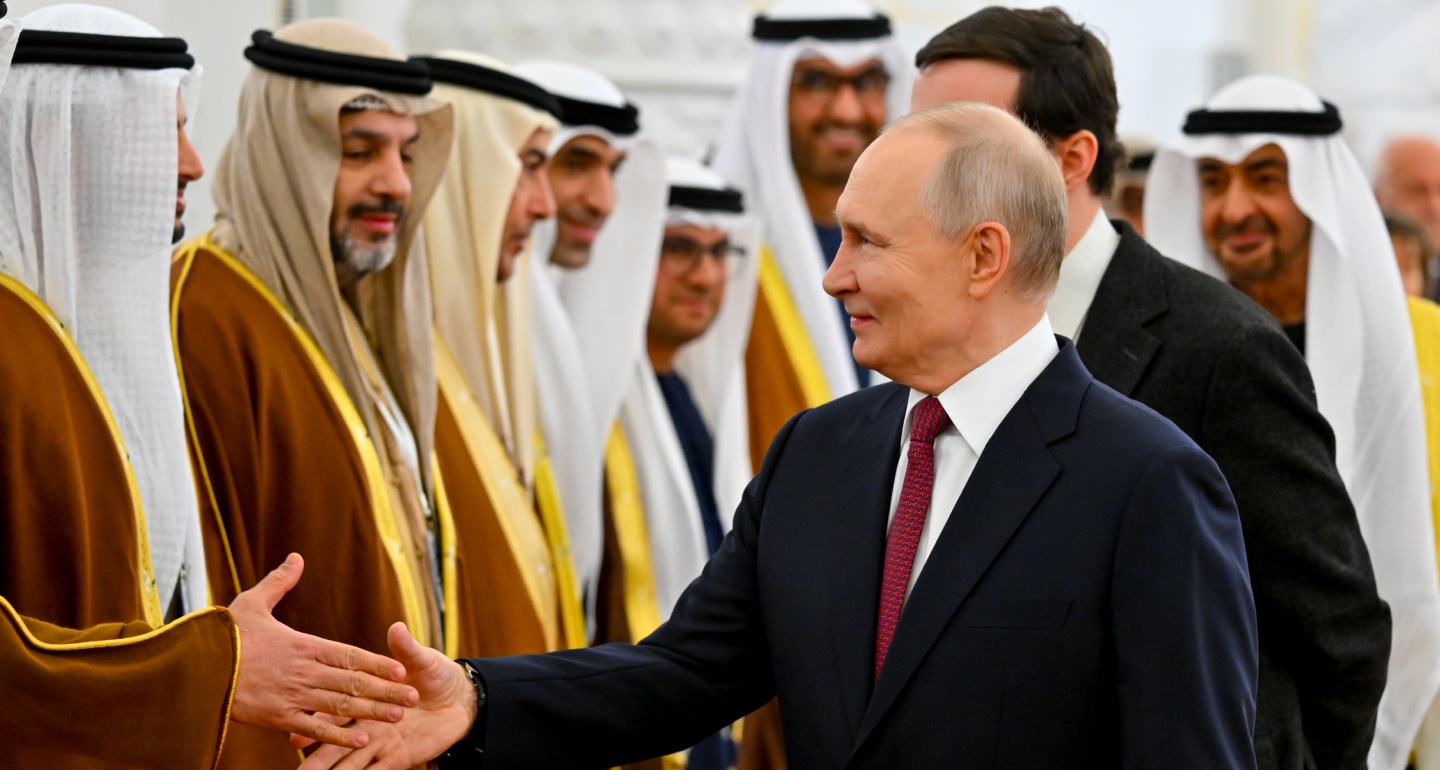
Disillusioned with the West over Gaza, Arab countries are not only trading more with Russia; they are also more willing to criticize Kyiv.
Ruslan Suleymanov