

Commentary
Thomas de Waal
{
  "authors": [
    "Thomas de Waal"
  ],
  "type": "commentary",
  "centerAffiliationAll": "",
  "centers": [
    "Carnegie Endowment for International Peace",
    "Carnegie Europe",
    "Carnegie Russia Eurasia Center"
  ],
  "collections": [],
  "englishNewsletterAll": "",
  "nonEnglishNewsletterAll": "",
  "primaryCenter": "Carnegie Europe",
  "programAffiliation": "",
  "programs": [],
  "projects": [],
  "regions": [
    "Russia",
    "Eastern Europe",
    "Ukraine",
    "Western Europe"
  ],
  "topics": [
    "Political Reform",
    "Foreign Policy"
  ]
}
Source: Getty
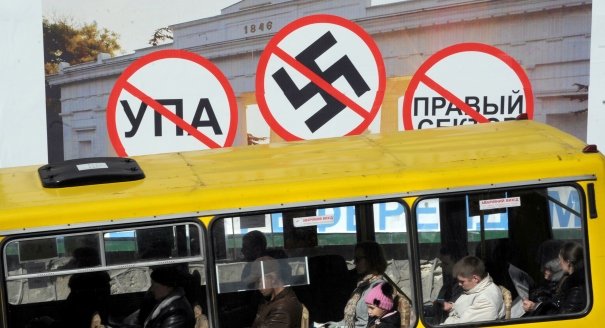
The message in Moscow is that Ukraine has been taken over by “Fascists” and neo-Nazis: if the enemies are Fascists, then all means for combatting them are acceptable.
Russia has a new, old ideology: anti-Fascism.
For several months now the relentless message in Moscow has been that Ukraine has been taken over by “Fascists” and neo-Nazis. This message has saved the Russian public from having to confront the idea that their country has gone to war with Ukrainians: if the enemies are Fascists, then all means for combatting them are acceptable.
Anti-Fascism had a previous incarnation in Soviet times, when its main target audience was the European left. In the 1930s, as it dismissed reports of political repression or famine in Ukraine as right-wing propaganda, Stalin’s government called on European socialist parties to rally round the Soviet Union in the common fight against Fascism.
The “anti-Fascist” narrative is easy to pick apart. Both the right-wing Svoboda party and the even more extreme Right Sector played a key role in the fall of Viktor Yanukovych in February. Svoboda then won positions in the interim government. But that seems to have been their high-water mark. Svoboda’s leader Oleh Tyahnybok and Dmitry Yarosh of Right Sector now look likely to collect only around one per cent of the vote each in next Sunday’s elections.
Moreover, as many have pointed out, the biggest support for Vladimir Putin in Europe currently comes from the far-right, from parties such as Marine Le Pen’s National Front in France or the anti-Semitic Jobbik party in Hungary.
But anti-Fascism is bigger than Ukraine—or even Vladimir Putin.
The domestic appeal of the idea in Russia is that it can embrace the heroic parts of the Soviet legacy without the socialist economics. Its foundational story is victory over Nazism in the Second World War in 1945. As my colleague Maria Lipman of Carnegie Moscow Center has observed, Russia’s victory celebrations of May 9 “grow ever larger as the war itself moves deeper into history” and they feed the resurgence of a cult of Stalin in Russia.
The victory of 1945 was absolutely real and achieved with some of the greatest suffering in history. Where it becomes mythical rather than real, as Timothy Snyder has noted, is through the notion that that the victory was by a Russian army, rather than a multi-national Soviet Red Army. History records that Ukrainians died in even greater numbers per capita than Russians did in the fight against Hitler.
So if, as expected, Ukraine’s presidential election turns out to be a victory for the old oligarchs over both the far-right and the Maidan civic activists, then Russian anti-Fascism will be still here to stay. It will, however, require a new threat to justify the vigilance of the Russian people.

Senior Fellow, Carnegie Europe
Thomas de Waal is a senior fellow at Carnegie Europe, specializing in Eastern Europe and the Caucasus.
Recent Work
Thomas de Waal


Thomas de Waal, Areg Kochinyan, Zaur Shiriyev
Carnegie does not take institutional positions on public policy issues; the views represented herein are those of the author(s) and do not necessarily reflect the views of Carnegie, its staff, or its trustees.
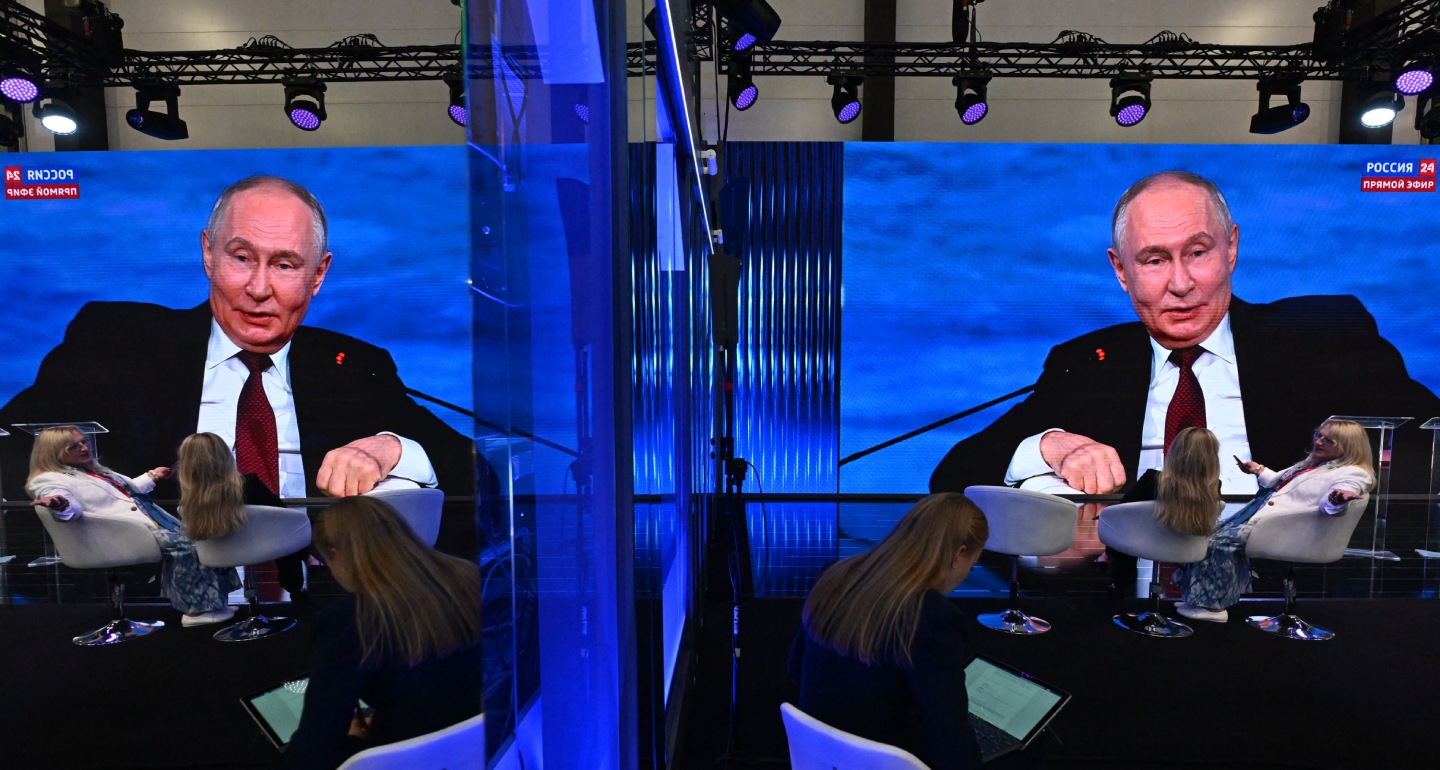
The issue is not that the president only has selective information at his disposal, but that the decision-making process consists of one person with an unshakeable vision of how the world works.

Tatiana Stanovaya
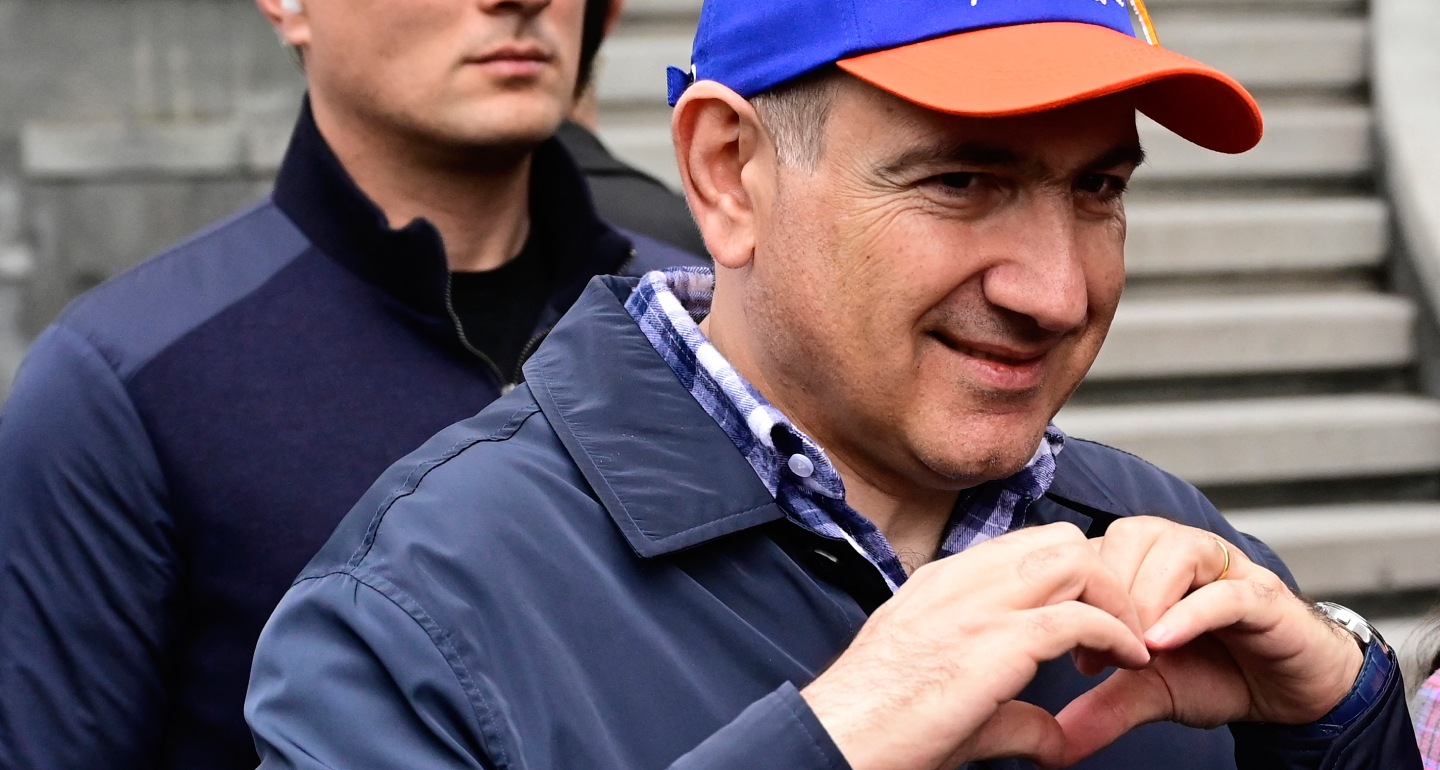
By fueling the arguments of both supporters and opponents of Armenian Prime Minister Nikol Pashinyan, Azerbaijan wants to ensure he is re-elected with a weaker mandate.

Bashir Kitachaev

A much-discussed disagreement over internet restrictions in Russia was never an existential threat for Putin: It was about elite groups protecting their interests.

Alexandra Prokopenko
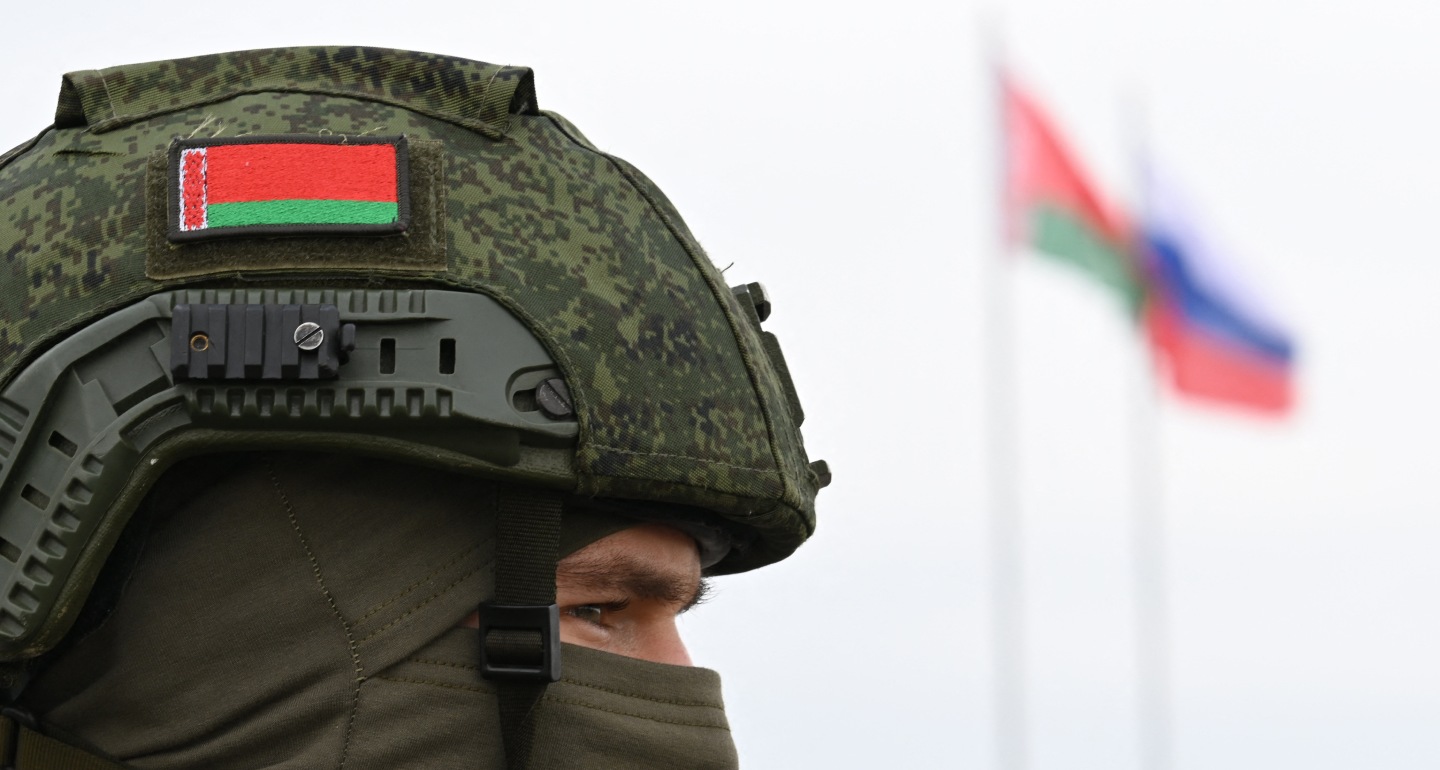
By reminding the world that Lukashenko is a threat to NATO and Ukraine, Kyiv is trying to return the focus to why the Belarusian regime needs to be contained rather than rewarded.

Artyom Shraibman

The demands of the Kremlin’s war in Ukraine, demographic problems, and public hostility toward Central Asians mean Russia does not have enough workers.
Salavat Abylkalikov