

Article
Deborah Gordon, Smriti Kumble, David Livingston
{
  "authors": [
    "David Livingston"
  ],
  "type": "other",
  "centerAffiliationAll": "",
  "centers": [
    "Carnegie Endowment for International Peace"
  ],
  "collections": [],
  "englishNewsletterAll": "",
  "nonEnglishNewsletterAll": "",
  "primaryCenter": "Carnegie Endowment for International Peace",
  "programAffiliation": "",
  "programs": [],
  "projects": [
    "Carnegie Oil Initiative"
  ],
  "regions": [
    "East Asia"
  ],
  "topics": [
    "Climate Change"
  ]
}
Source: Getty
Prospective shale countries in the Asia Pacific region are in a global competition for talent, technology, capital, and industry attention.
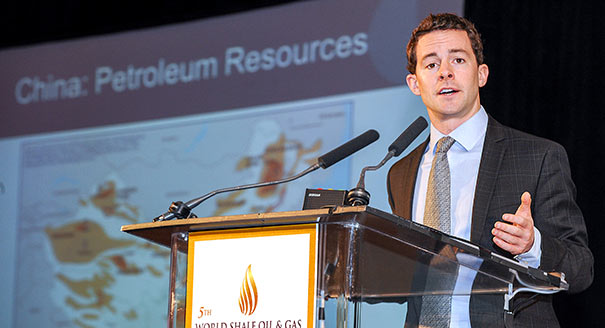
Source: World Shale Oil and Gas Summit
David Livingston spoke at the World Shale Oil and Gas Summit, where he addressed the outlook for unconventional hydrocarbons in Asia, the need to fill data and policy gaps, as well as the geopolitical implications of increasing unconventional oil production in the Asia-Pacific region. He later participated in a panel with government officials from Australia, China, and India to discuss these issues as applied to individual country cases.
This presentation was originally given at the World Shale and Oil Gas Summit.
Former Associate Fellow, Energy and Climate Program
Livingston was an associate fellow in Carnegie’s Energy and Climate Program, where his research focuses on emerging markets, technologies, and risks.
Recent Work

Deborah Gordon, Smriti Kumble, David Livingston

Erik Brattberg, David Livingston
Carnegie does not take institutional positions on public policy issues; the views represented herein are those of the author(s) and do not necessarily reflect the views of Carnegie, its staff, or its trustees.

Without a ceasefire with Ukraine on attacking each other’s energy infrastructure—to which the Kremlin is unlikely to agree—the diesel agreement between Putin and Trump is largely for show, rather than representing a genuine increase in the volumes of Russian diesel on the global market.

Sergey Vakulenko

When faced with fuel shortages in the past, Central Asian governments could always count on additional supplies from Moscow. That safety net no longer exists.

Galiya Ibragimova
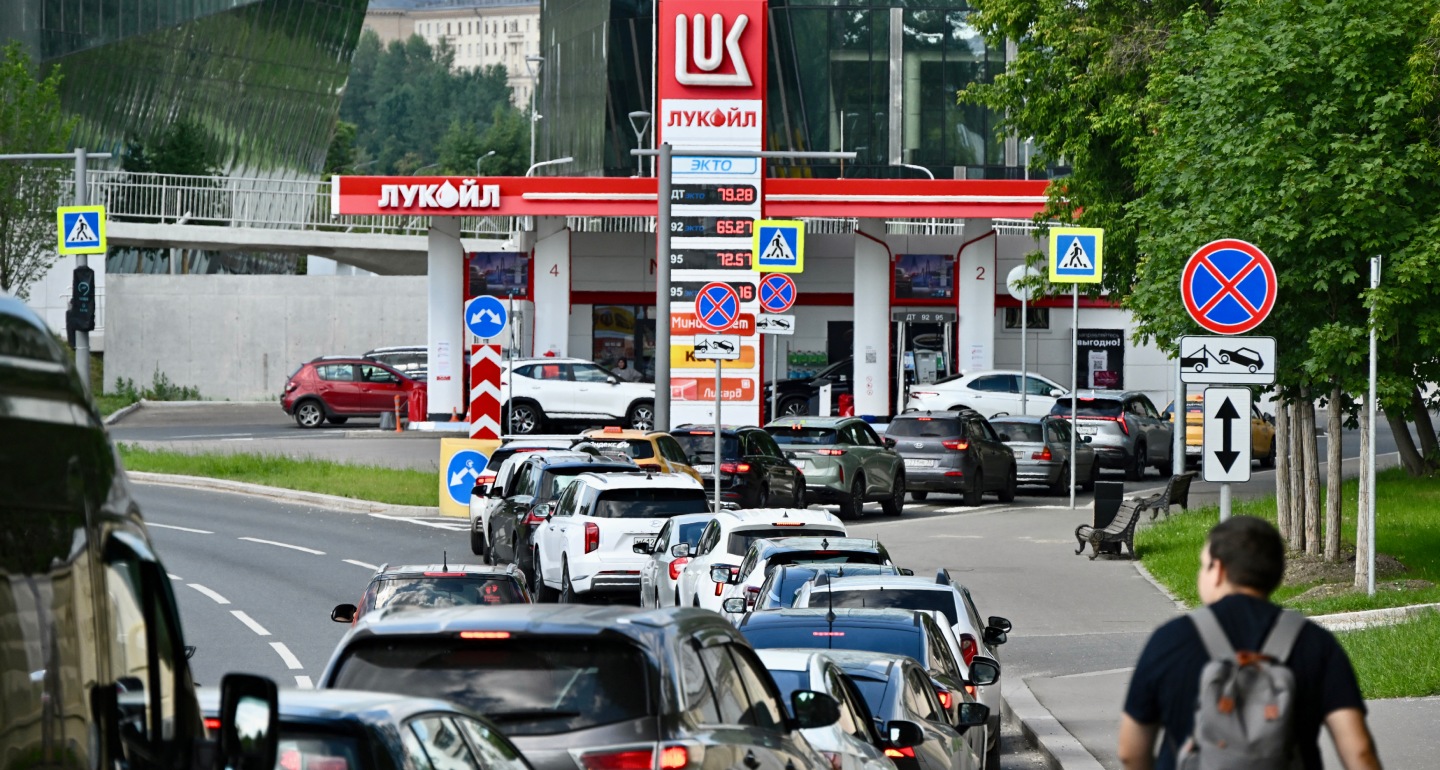
Official discussions about mini oil refineries are unlikely to come to anything—but the mere fact they’re happening reveals the regime is failing to deliver a functioning economy.
Sergey Vakulenko
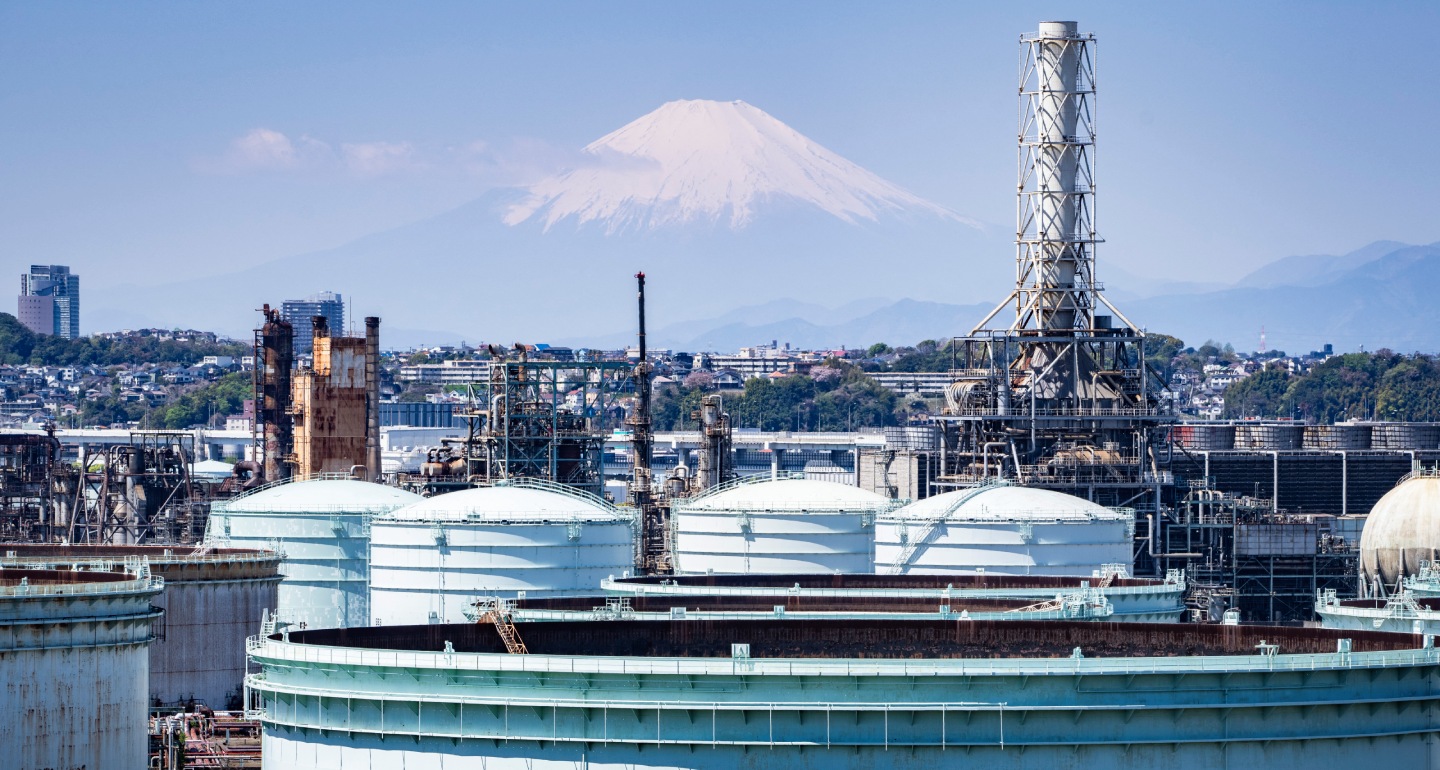
Tokyo would have to surmount a lot of obstacles—not least Western sanctions—if it wanted to return Russian oil imports to even modest pre-2022 volumes.

Vladislav Pashchenko
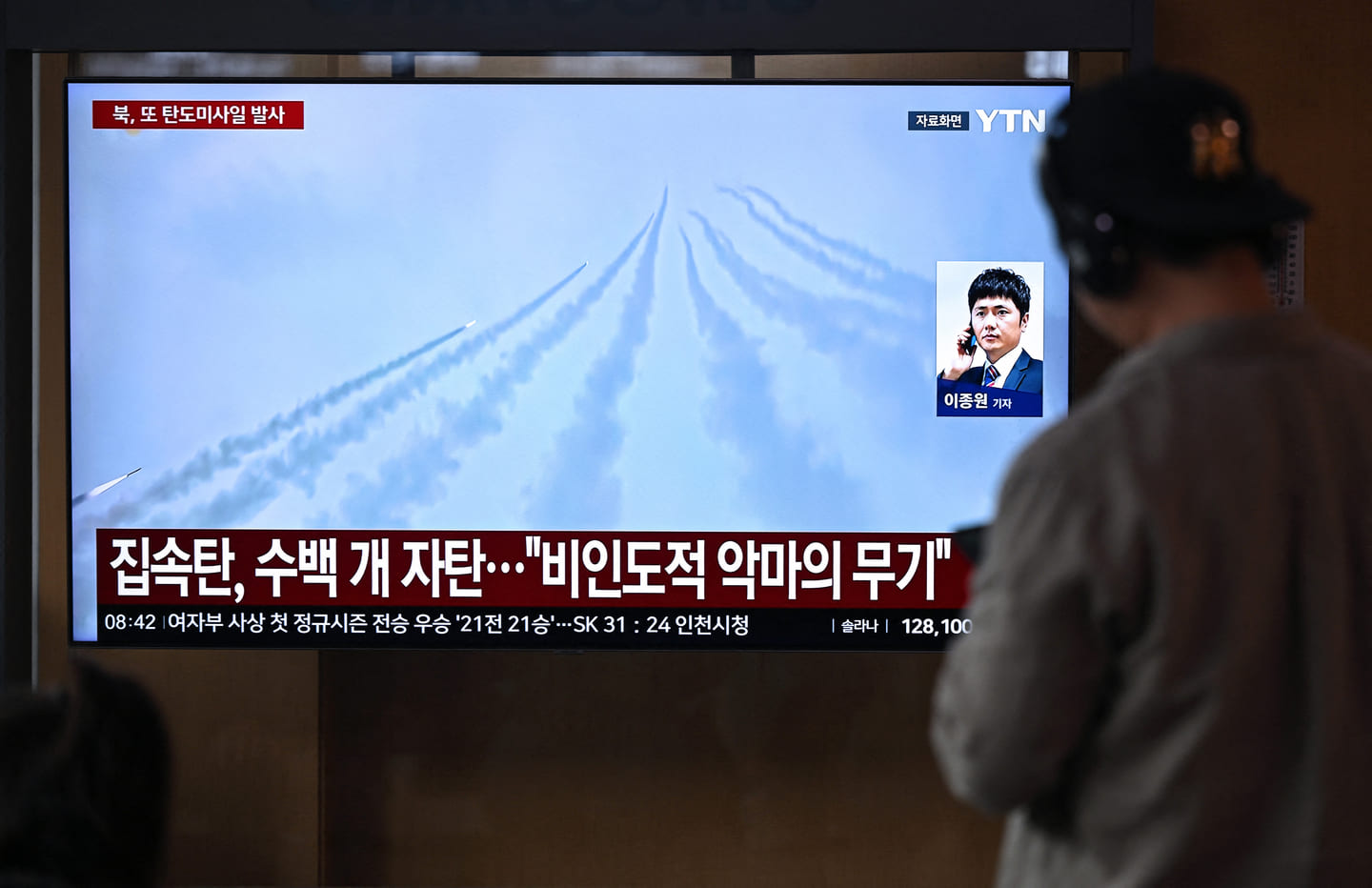
Troubled by the growing salience of nuclear debates in East Asia, Moscow has responded in its usual way: with condemnation and threats. But by exacerbating insecurity, Russia is forcing South Korea and Japan to consider radical security options.

James D.J. Brown