

Commentary
Andrei Kolesnikov
{
  "authors": [
    "Andrei Kolesnikov"
  ],
  "type": "commentary",
  "centerAffiliationAll": "",
  "centers": [
    "Carnegie Endowment for International Peace",
    "Carnegie Russia Eurasia Center"
  ],
  "collections": [],
  "englishNewsletterAll": "",
  "nonEnglishNewsletterAll": "",
  "primaryCenter": "Carnegie Endowment for International Peace",
  "programAffiliation": "",
  "programs": [],
  "projects": [],
  "regions": [
    "Russia",
    "Eastern Europe",
    "Ukraine",
    "Western Europe",
    "France",
    "Germany"
  ],
  "topics": [
    "Foreign Policy"
  ]
}
Source: Getty
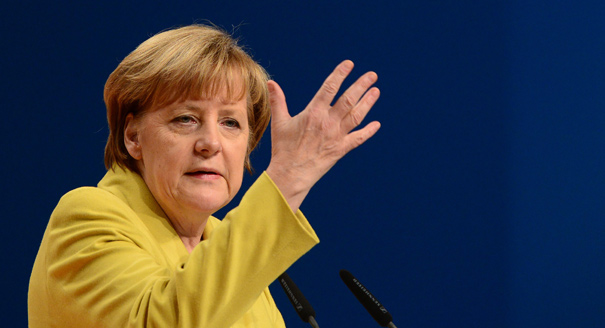
If Merkel is synonymous with Germany, then German political and diplomatic weight has certainly risen to the height of true European leadership.
Of course, nothing would have happened without Angela Merkel, the most influential European politician of our time. We wouldn’t have seen her and Francois Hollande in Moscow for a weekend blitz, nor would we have witnessed the magical night at the Normandy Four summit in Minsk, which conjures up associations with the Normandie-Niemen operation.
If Merkel is synonymous with Germany, then German political and diplomatic weight has certainly risen to the height of true European leadership. It is telling that Germany and France—two key states with a complicated history of bilateral relations and a baggage of past wars against each other—spearheaded the efforts to save peace in Europe. In fact, the Merkel-Hollande initiative looks quite symbolic and historically relevant in the context of the countries’ track record of military confrontation, as did the roles played by Jean Monnet, Robert Schuman, and Konrad Adenauer. Of similar importance was the French participation in constructing united Europe, which would have been impossible without Germany, and the reunification of Germany, which grew out of the collapse of the Iron Curtain and Berlin Wall.
If #Merkel is synonymous with #Germany, then German political and diplomatic weight has certainly risen.Tweet This
Vladimir Putin was once considered “a German in the Kremlin.” From a psychological and linguistic standpoint, he has an easier time communicating with the West through Germany. Being a responsible and forward-thinking politician, Merkel understands that and has been trying to translate Putin’s “dialect” of Russian into the language understandable to the Europeans. And being the most influential woman in the world, she is bound to share part of her charisma with the rest of Germany.
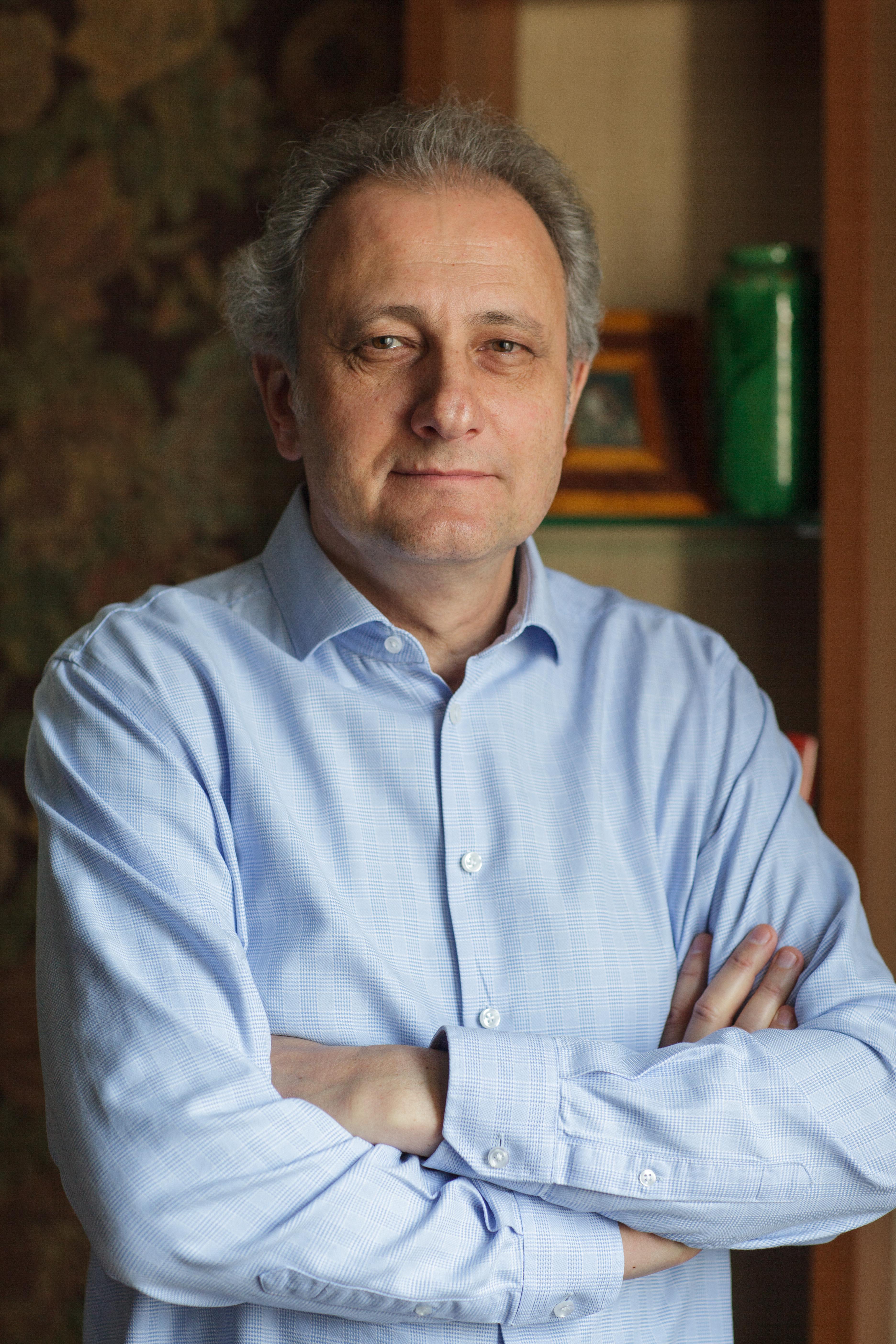
Former Senior Fellow, Carnegie Russia Eurasia Center
Kolesnikov was a senior fellow at the Carnegie Russia Eurasia Center.
Recent Work
Andrei Kolesnikov
Andrei Kolesnikov
Carnegie does not take institutional positions on public policy issues; the views represented herein are those of the author(s) and do not necessarily reflect the views of Carnegie, its staff, or its trustees.
Blurring the line between humans and animals is a long-standing tradition in social utopian prose. In his latest novel, Leonid Bershidsky reminds us that in social experiments, people are often treated no differently than animals.

Alexander Baunov
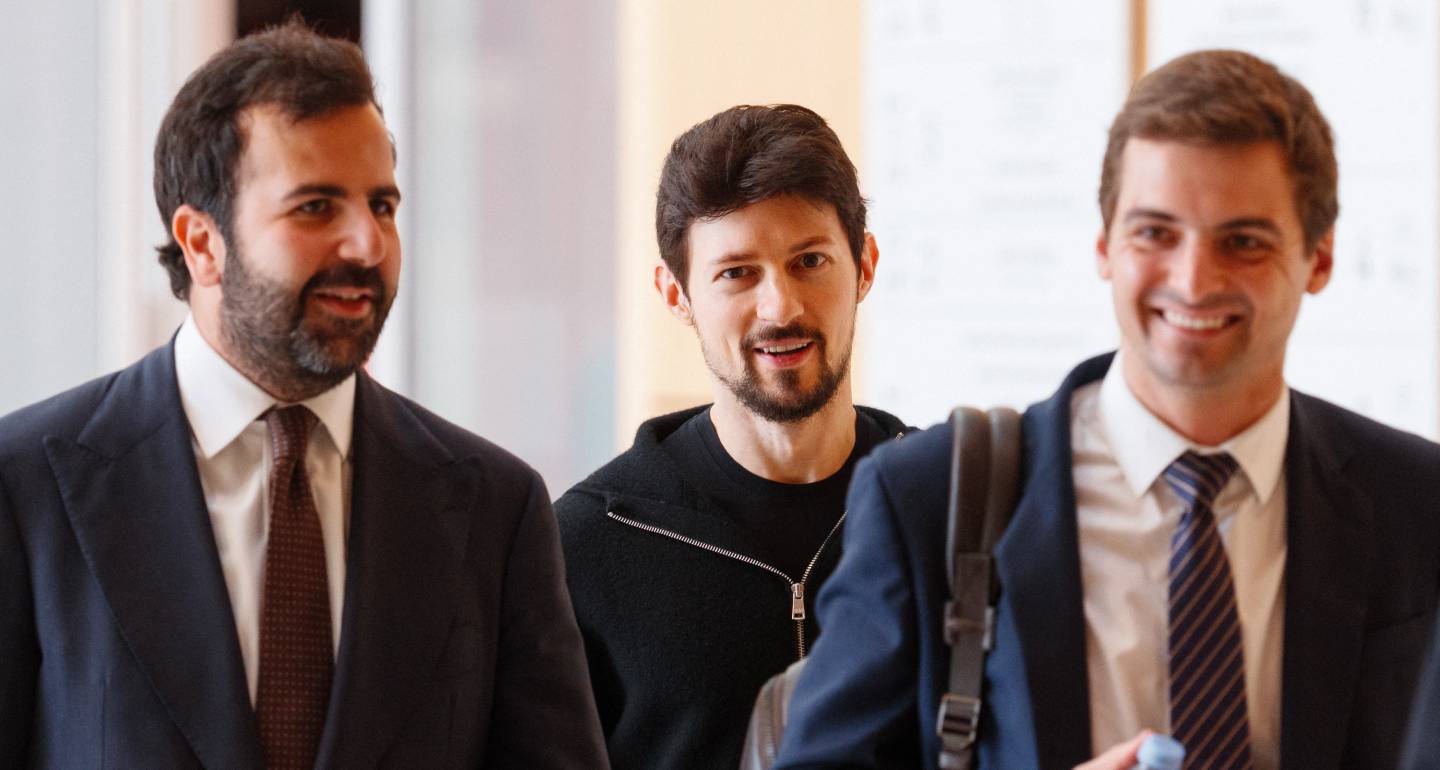
While France and Australia are seeking to establish the legal obligations of messaging apps like Telegram, Russia wants total subordination.

Maria Kolomychenko
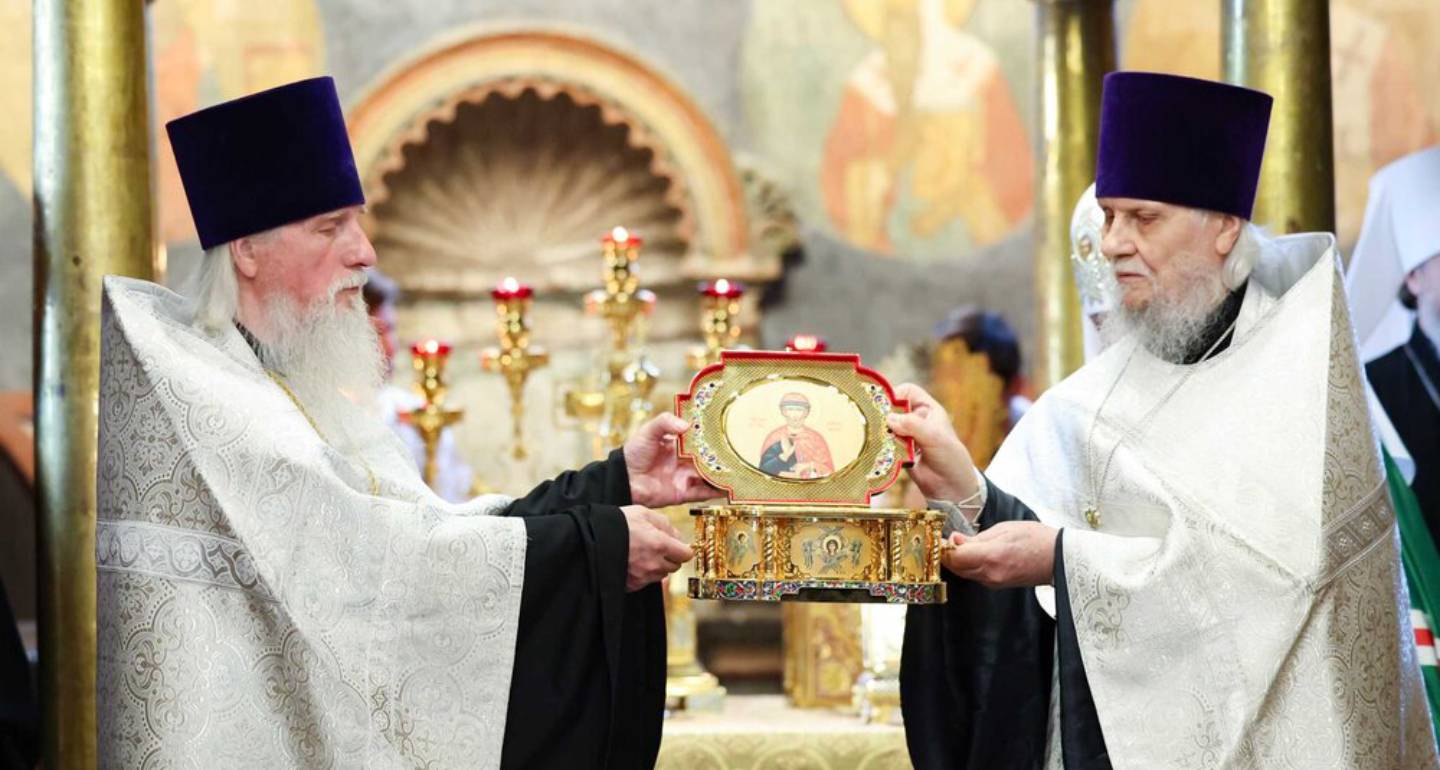
The recent uncovering of Dmitry Donskoy’s relics in the Cathedral of the Archangel is yet another attempt by the Russian Orthodox Church to help the state solve its problems. However, parroting the state’s version of Russian history leaves the Church with no message except “patriotism.”
Alexander Zanemonets

With the growth in points of friction between the great powers, organizations like the SCO will continue to play a role in the strategic adaptation of the smaller powers caught between them.

Temur Umarov
The war in Ukraine and a change in ownership led VK to neglect its commercial ventures in favor of implementing the Kremlin’s online agenda. Now it’s been sanctioned by the EU.
Maria Kolomychenko