

Commentary
Judy Dempsey
{
  "authors": [
    "Judy Dempsey"
  ],
  "type": "legacyinthemedia",
  "centerAffiliationAll": "dc",
  "centers": [
    "Carnegie Endowment for International Peace",
    "Carnegie Europe"
  ],
  "collections": [
    "Europe’s Eastern Neighborhood",
    "Brexit and UK Politics"
  ],
  "englishNewsletterAll": "ctw",
  "nonEnglishNewsletterAll": "",
  "primaryCenter": "Carnegie Europe",
  "programAffiliation": "EP",
  "programs": [
    "Europe"
  ],
  "projects": [],
  "regions": [
    "Europe",
    "Eastern Europe",
    "Ukraine",
    "Western Europe",
    "United Kingdom",
    "Iran"
  ],
  "topics": [
    "Foreign Policy",
    "Security"
  ]
}
Source: Getty
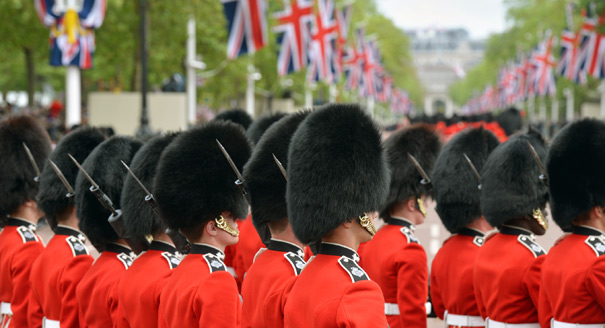
At a time when the EU’s defense and security policy is largely absent, the UK has announced it will send troops to Ukraine. But will this unilateral move pay off?
Source: Radio Free Europe/Radio Liberty
UK Prime Minister David Cameron announced on February 24 that Britain would send military personnel to Ukraine soon to help train its army. RFE/RL's Rikard Jozwiak spoke to Judy Dempsey, senior associate at Carnegie Europe and editor-in-chief of the blog Strategic Europe about the significance of the move.
RFE/RL: British Prime Minister David Cameron announced this week that his country will send 75 military personnel to Ukraine. Do you think this might be a game changer in the Ukraine conflict?
Judy Dempsey: No. They are sending them for training, for civilian-military relations, for sorting how the military on some levels is to be organized. It is not about military preparedness. It is not about training them to go to eastern Ukraine. It is about putting modern structures into the Ukrainian Army, which is in desperate need of it.I presume that they will be working closely with NATO as well which is involved in some kind of training program as well that was announced at Cardiff last September at the [NATO] summit.
RFE/RL: Do you think that other countries might follow suit? Poland has for example said that they are considering doing something similar.
Dempsey: It is about modernizing an army. If other countries want to follow, I am sure they will unless they contribute to some kind of NATO training program. Actually if you think of it, it is far better that the Brits probably do it like this, very small scale, rather than NATO doing a big song and dance about it. You mention NATO, all the red flags go up in Russia.
RFE/RL: Do you think that a move like this could damage European unity over Ukraine, especially considering that Britain didn't inform its European allies?
Dempsey: The unity over the sanctions has held. As for the unity over this issue, it does surprise me that actually that the British didn't consult its European allies on this. What is interesting is that it seems like a real bilateral thing at the moment and has nothing to do with the European security and defense policy, which actually is entirely absent from the entire Ukraine crisis which I find very interesting.
RFE/RL: Do you think that this move might open up the possibility of European countries sending lethal arms to Ukraine since Cameron did say that Britain may be open to this in the future?
Dempsey: No. When you are trying to implement a cease-fire I don't think -- especially Germany and France -- don't want somebody to muddy the waters. I wonder what is behind the British prime minister's motivation on this though...
RFE/RL: What do you think his motivation is?
Dempsey: I don't know. Maybe the Ukrainians asked for some help. Maybe the Ukrainians feel it is better to go though Britain, which has a tradition of training armies and establishing strong civilian military relations. I don't know. I really don't know, it is a very strange time. But if it's to show or send a signal to Russia that Britain is involved in helping to slowly, slowly modernize the Ukrainian Army maybe that is his motive. But 75 [troops] is not a huge number frankly.
This interview was originally published on Radio Free Europe/Radio Liberty.

Nonresident Senior Fellow, Carnegie Europe
Judy Dempsey is a nonresident senior fellow at Carnegie Europe
Recent Work
Judy Dempsey
Judy Dempsey
Carnegie does not take institutional positions on public policy issues; the views represented herein are those of the author(s) and do not necessarily reflect the views of Carnegie, its staff, or its trustees.

Two divergent trends—Putin’s hardline vision of how to prosecute the war in Ukraine, and a growing desire for change in Russia—could tear the regime apart.

Tatiana Stanovaya
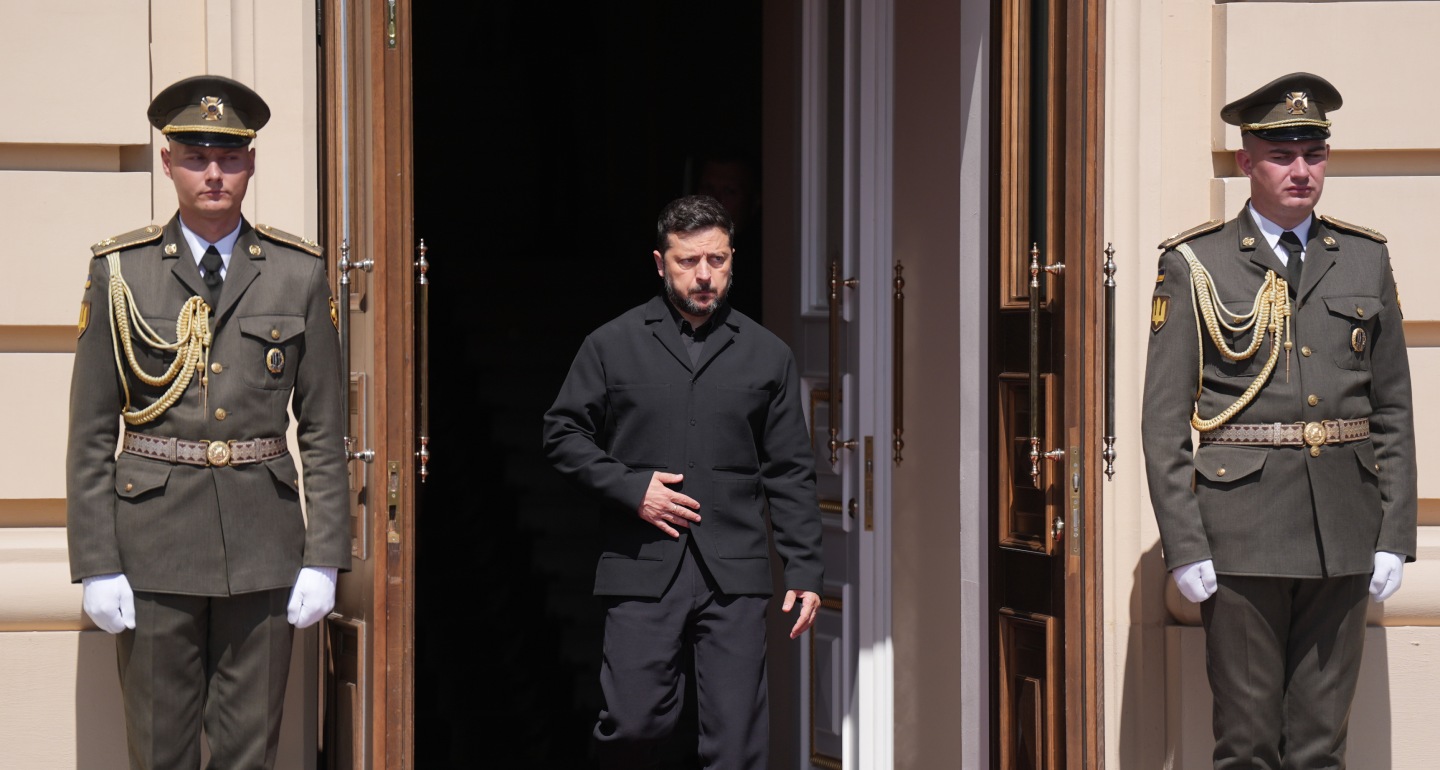
Ultimately, Zelensky sided neither with the reform camp nor with the military establishment as such, but with political control.

Balázs Jarábik
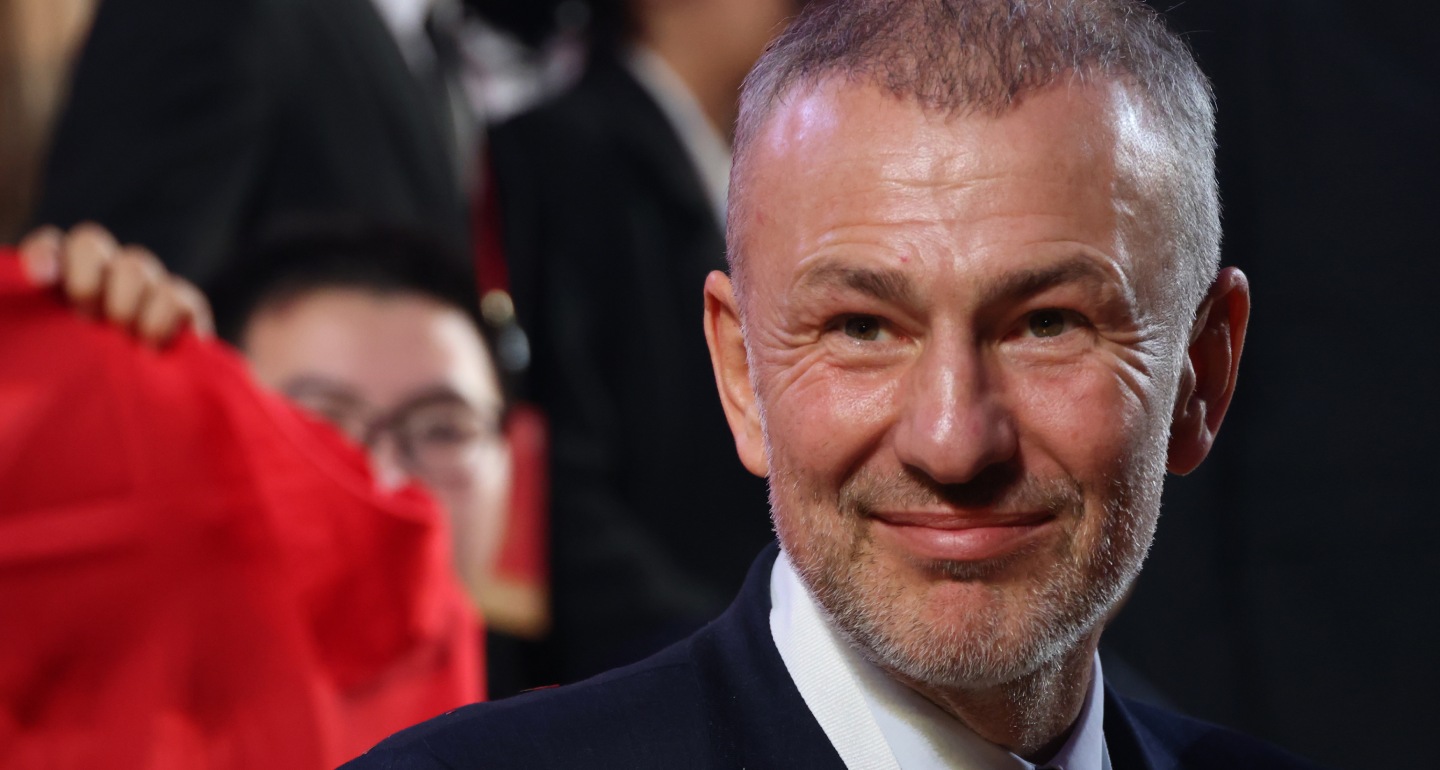
Andrey Melnichenko’s essay offers no answer to the fundamental question of how, under any kind of negotiated settlement, Europe can protect itself from the Russian ressentiment that is inevitable in all scenarios except for an outright victory for Putin.

Leonid Bershidsky

Despite unhappiness on the ground, Moscow is determined to use both carrot and stick to ensure there is record support for United Russia in occupied Ukraine.

Konstantin Skorkin

Whether PAS can refocus on the unfinished business of state-building may ultimately prove more consequential for Moldova’s European future than the pace of its accession negotiations.
Balázs Jarábik