

Commentary
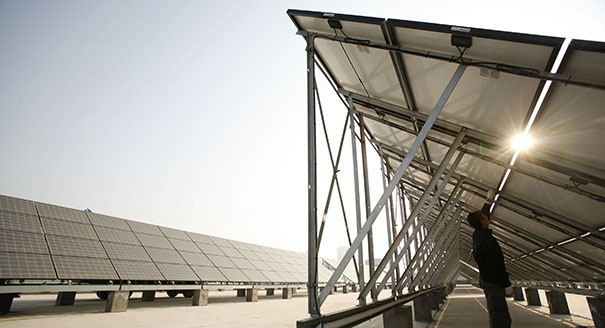
When faced with fuel shortages in the past, Central Asian governments could always count on additional supplies from Moscow. That safety net no longer exists.
Galiya Ibragimova
{
  "authors": [
    "David Livingston",
    "Max Gruenig"
  ],
  "type": "other",
  "centerAffiliationAll": "dc",
  "centers": [
    "Carnegie Endowment for International Peace"
  ],
  "collections": [],
  "englishNewsletterAll": "ctw",
  "nonEnglishNewsletterAll": "",
  "primaryCenter": "Carnegie Endowment for International Peace",
  "programAffiliation": "SCP",
  "programs": [
    "Sustainability, Climate, and Geopolitics"
  ],
  "projects": [
    "Carnegie Oil Initiative"
  ],
  "regions": [
    "North America"
  ],
  "topics": [
    "Climate Change"
  ]
}
Source: Getty
There is still no silver bullet commodity or technology to replace oil in the global economy.
Source: American Institute for Contemporary German Studies Policy Report
Fuel—broadly defined as the energy sources used to power our mobility and the oil system from which they are largely derived at the moment—must be a strategic priority for the United States and Germany. As both countries seek to anchor the transatlantic alliance against the backdrop of renewed insecurity along Europe’s eastern border, there must be balanced attention paid not only to the crises of the present, but also to the possible demands of the future. Before any “optimal” policy path can be sketched, a stock-taking exercise is invaluable as a means of synthesizing the events and trends that have given birth to the current state of affairs, and of discerning the current set of options available to policymakers moving forward.
Given the changing economic structure of most societies, the fluctuations in oil price seen in the past decade, as well as the uncertainties implicit in the required transition to a low-carbon energy system in the decades ahead, the future of fuel use and fuel choice has never been more critical. It is widely agreed, at least in OECD states, that a global transition away from oil as the predominant transport fuel feedstock is desirable for various economic, geopolitical, and environmental reasons.Studies have looked, for example, at the evolution of the American and German industrial sectors and their related factor costs in the midst of the oil price shocks of the 1970s, and found that such petroleum fuel price swings were able to push economic growth far out of line with neoclassical equilibrium.1 The “weaponization” of oil and fuel is a perennial political challenge, from World War II to the 1970s energy crisis to the volatility and market share skirmish of today. From a climate perspective, approximately 40 percent of global greenhouse gas emissions are associated with transportation fuel,2 and this number is even larger when taking into account the entire petroleum value chain.
However, there remains no silver-bullet commodity or technology to replace oil’s role in the global economy. Challenges to a truly rapid and “disruptive” transition include the wide variety of vehicle types in operation; the operational diversity of oil-dependent business (e.g., long distance freight vs. urban delivery fleets); the capital intensity of fuel production and distribution; the political economy of a sector with powerful incumbent firms; the prospect of fully-functional infrastructure and other assets becoming “stranded” in such a transition; and the current technological and economic limitations of alternative fuels.
Meanwhile, a newfound abundance of unconventional oil resources, combined with the recent decline in global oil prices, is challenging conventional wisdom on resource scarcity and the costs and benefits of continued oil dependence. The “arc of instability” along Europe’s frontier, stretching from North Africa to the Gulf and Levant all the way to the border with Russia, has served to sharpen the focus on how energy—and petroleum in particular—shapes the constraints and capabilities of various state and nonstate actors. The paths to low-carbon fuel are dynamic and difficult to predict in such a world. Fuel and fuel feedstock (oil) markets are often highly liquid and global, yet at the same time lack transparency found in many other markets, making it difficult to compare the respective economic, environmental, and geopolitical implications of future fuel choices.
Policymakers will have to navigate a petroleum land the future of power in a post-carbon society scape of enduring complexity and volatility for the foreseeable future, whether they desire to or not. The inertia embedded in the current fossil fuel system should not be underestimated. As the “father” of complexity economics, W. Brian Arthur, has observed:
Technologies come into being only if there exists a “demand” for them. Most of this demand comes from the needs of technologies themselves. The automobile “demands” or calls forth the further technologies of oil exploration, oil drilling, oil refining, mass manufacture, gasoline distribution, and car maintenance. At any time then there is an open web of opportunities inviting further technologies and arrangements.3
This is not to say that disruptive transitions are not possible, but they must be precipitated by a timely imbrication of economic incentives, innovative capacity, and broader societal trends. Likewise, once a tipping point is reached that favors an emerging “web of opportunities” very different from the incumbent system, the collapse of the existing paradigm can move much more quickly from impossibility to improbability to inevitability than many experts would have ever predicted.
Mindful of this non-linearity, the challenge for policymakers today is perhaps best described not as one of discerning the future of fuels and fuel security in the United States and Europe, but instead one of lucidly understanding the forces acting on the incumbent system, as well as the alternative systems, still nascent, that could one day replace them. Only with this comprehensive view is one able to ascertain the strategic energy position of Germany, the U.S., and others in the twenty-first century.
This policy outlook was originally published by American Institute for Contemporary German Studies.
Former Associate Fellow, Energy and Climate Program
Livingston was an associate fellow in Carnegie’s Energy and Climate Program, where his research focuses on emerging markets, technologies, and risks.
Max Gruenig
Carnegie does not take institutional positions on public policy issues; the views represented herein are those of the author(s) and do not necessarily reflect the views of Carnegie, its staff, or its trustees.

When faced with fuel shortages in the past, Central Asian governments could always count on additional supplies from Moscow. That safety net no longer exists.

Galiya Ibragimova
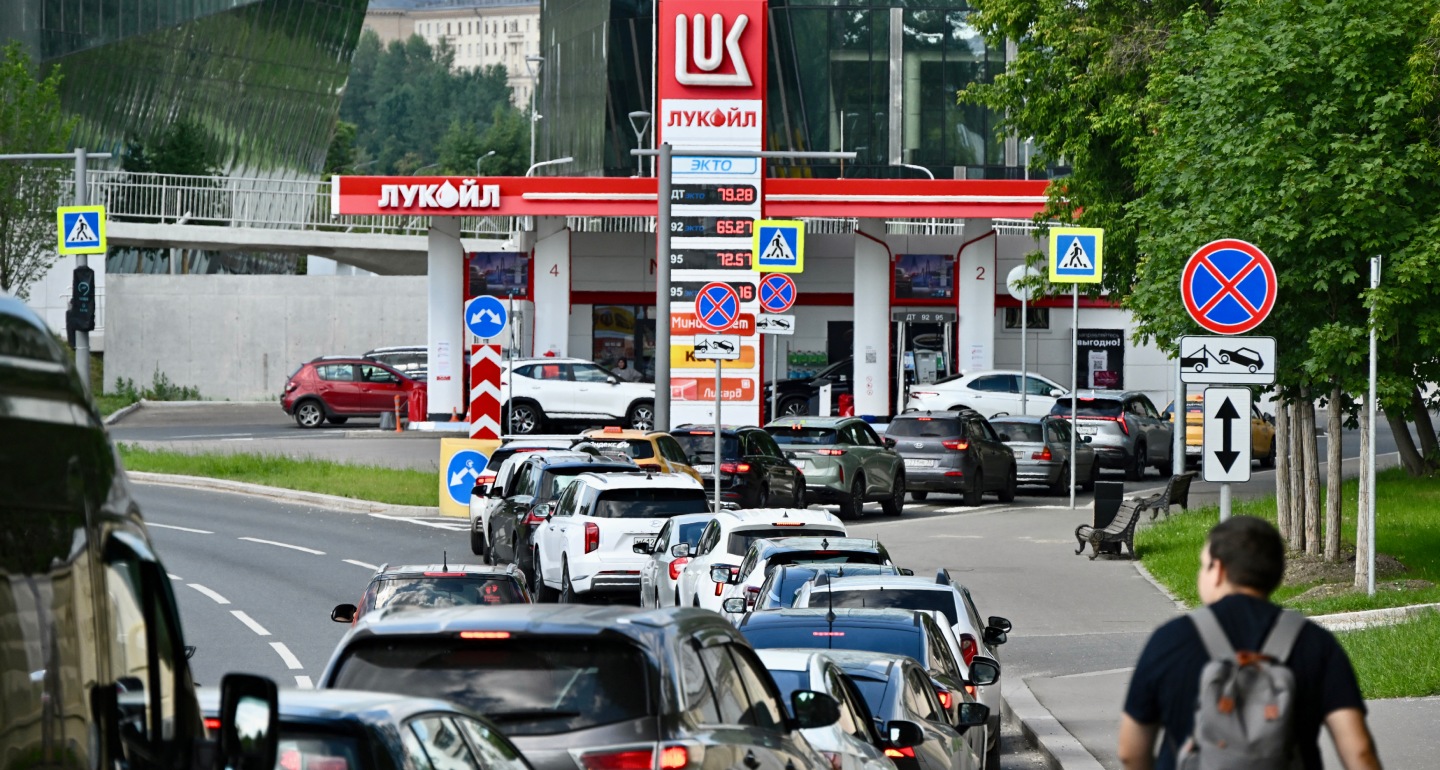
Official discussions about mini oil refineries are unlikely to come to anything—but the mere fact they’re happening reveals the regime is failing to deliver a functioning economy.

Sergey Vakulenko
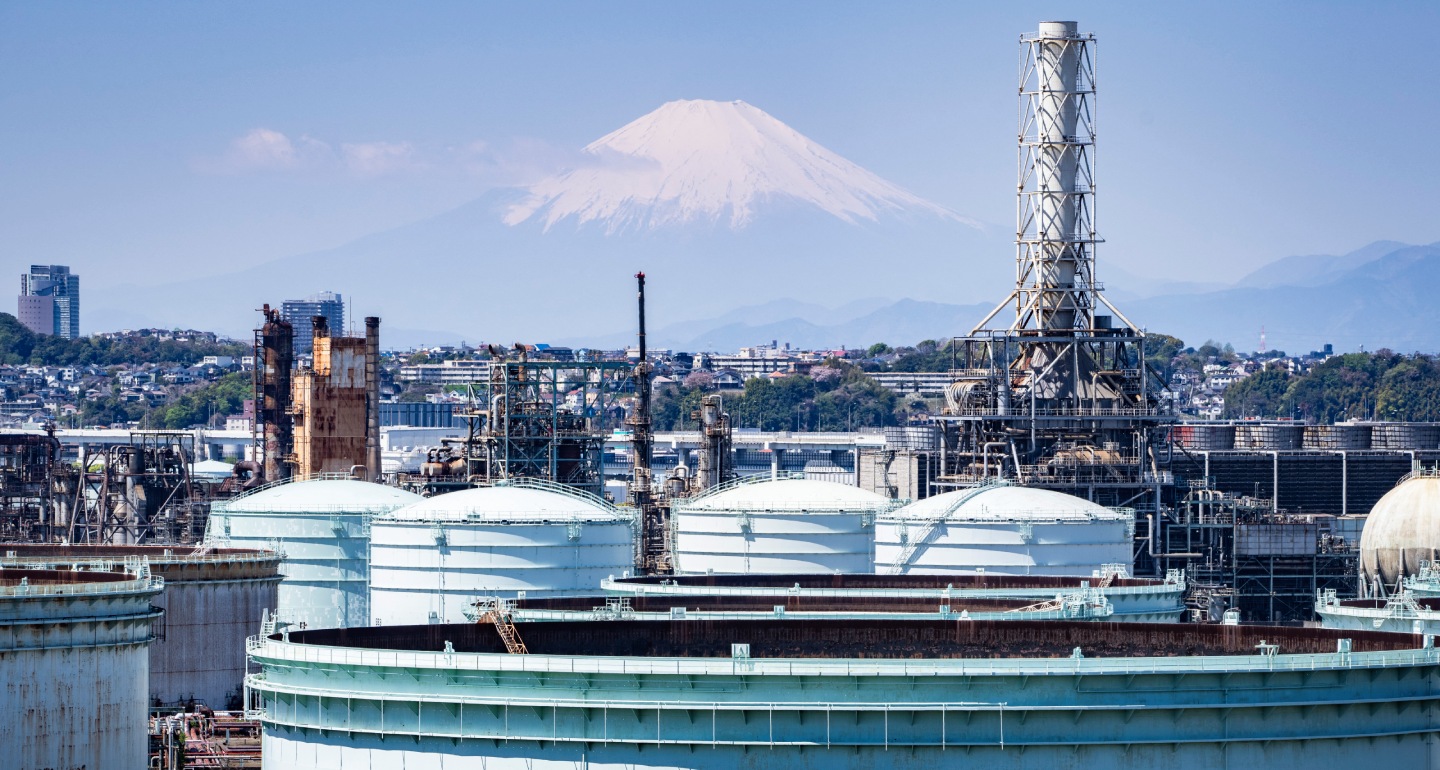
Tokyo would have to surmount a lot of obstacles—not least Western sanctions—if it wanted to return Russian oil imports to even modest pre-2022 volumes.

Vladislav Pashchenko

Powerful lobbyists and inertia led to Russia’s coal-mining sector missing an excellent opportunity to solve its structural problems.
Alexey Gusev
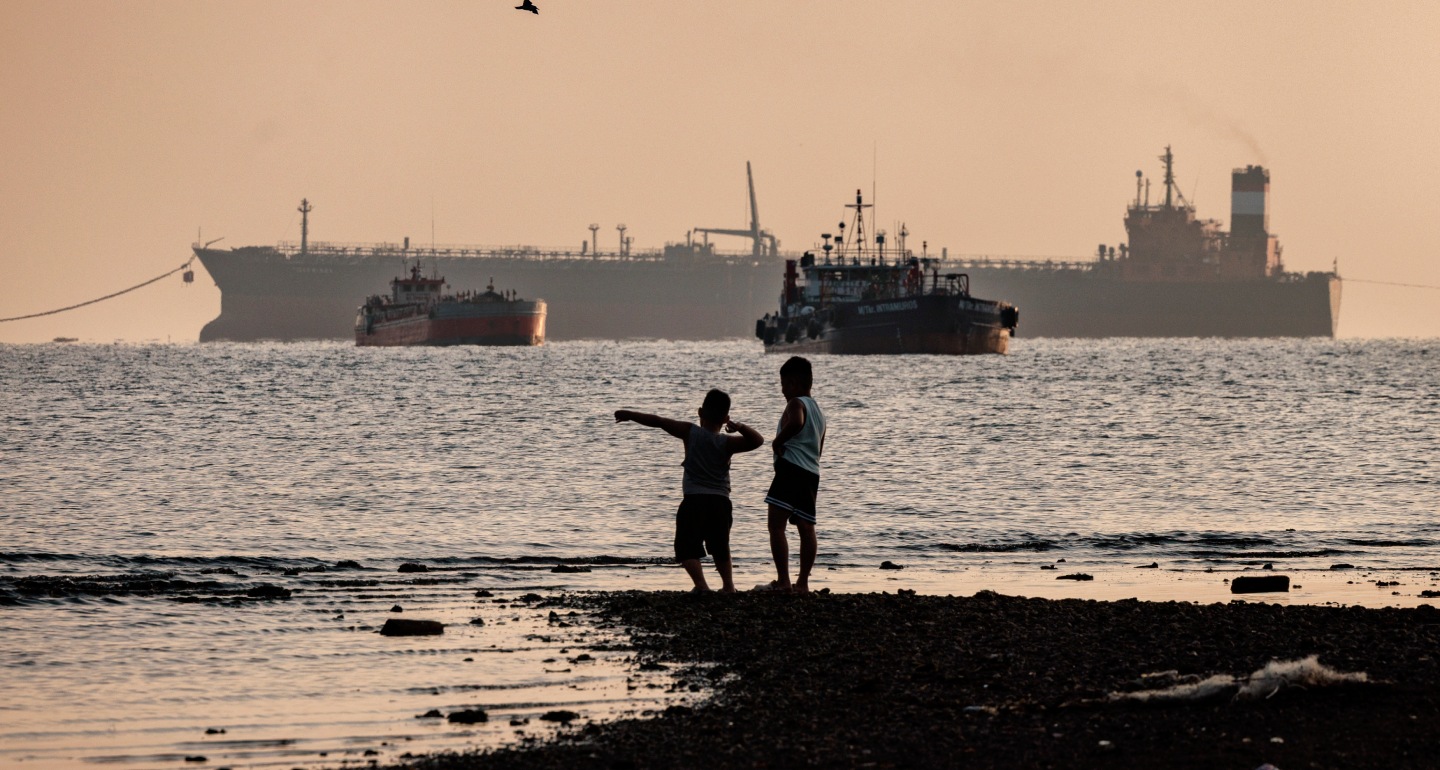
Although Ukrainian strikes have led to a noticeable decline in the physical volume of Russian oil exports, the rise in prices has more than made up for it.
Sergey Vakulenko