

In The Media
Mario Abou Zeid
{
  "authors": [
    "Mario Abou Zeid"
  ],
  "type": "legacyinthemedia",
  "centerAffiliationAll": "dc",
  "centers": [
    "Carnegie Endowment for International Peace",
    "Malcolm H. Kerr Carnegie Middle East Center"
  ],
  "collections": [],
  "englishNewsletterAll": "menaTransitions",
  "nonEnglishNewsletterAll": "",
  "primaryCenter": "Malcolm H. Kerr Carnegie Middle East Center",
  "programAffiliation": "MEP",
  "programs": [
    "Middle East"
  ],
  "projects": [],
  "regions": [
    "Gulf",
    "Levant",
    "Syria",
    "Iraq",
    "Middle East"
  ],
  "topics": [
    "Security"
  ]
}
Source: Getty
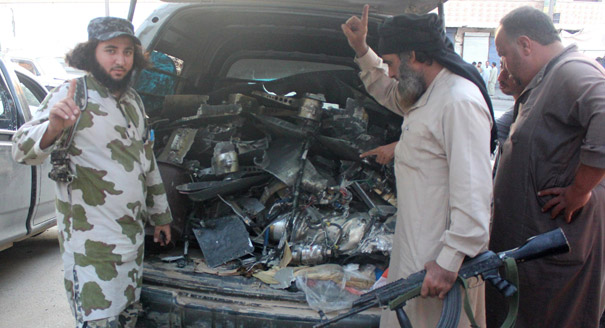
With more than half of Syria under the control of the self-proclaimed Islamic State, there are concerns the militants are edging towards Baghdad.
Source: Australia Broadcasting Corporation
Auskar Surbakti, Host: There are reports that Islamic State militants are now advancing east towards the Iraqi capital, Baghdad. In Syria, IS fighters are believed to have made another important advance, seizing the last government-controlled border-crossing with Iraq. The Syrian Observatory for Human Rights says government forces withdrew from the al-Tanf crossing in Homs, as IS fighters advanced. The loss of al-Tanf to the Islamic State follows the group’s takeover of the ancient city of Palmyra.
The United States says fighting the militants will be a challenge, with claims that IS now controls half of the whole country of Syria.
Maro Abou Zeid is a research analyst at the Carnegie Middle East Center, who has been keeping a close eye of developments in the region. He joins me now from Beirut, in Lebanon. Thanks for your time tonight.
This interview was originally broadcast by the Australia Broadcasting Corporation.

Former Research Analyst, Middle East Center
Abou Zeid was a research analyst at the Carnegie Middle East Center, where his work focuses on political developments in Lebanon, Syria, Iraq, and Iran.
Recent Work
Mario Abou Zeid
Mario Abou Zeid

Two divergent trends—Putin’s hardline vision of how to prosecute the war in Ukraine, and a growing desire for change in Russia—could tear the regime apart.

Tatiana Stanovaya

Andrey Melnichenko’s essay offers no answer to the fundamental question of how, under any kind of negotiated settlement, Europe can protect itself from the Russian ressentiment that is inevitable in all scenarios except for an outright victory for Putin.

Leonid Bershidsky
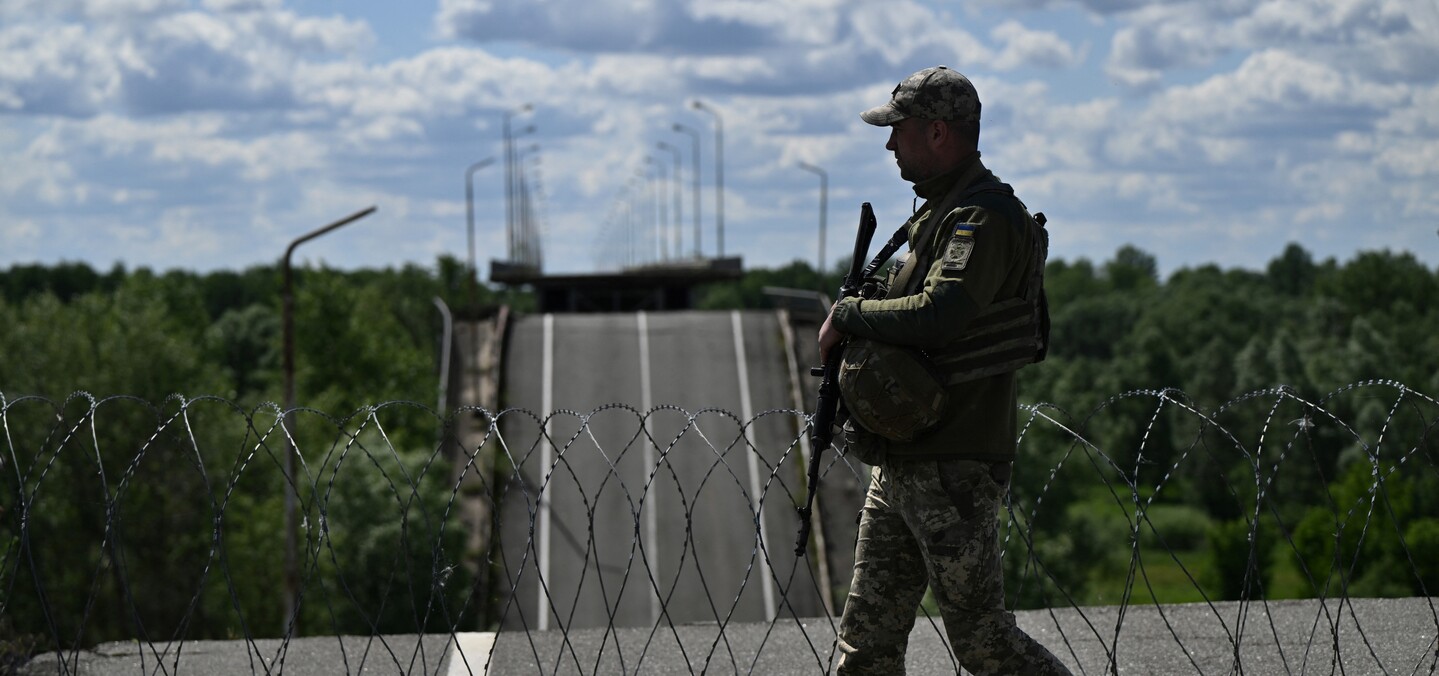
The recent damage inflicted by Ukrainian drones and missiles on Russia has made Belarus aware of its own vulnerabilities—and surprisingly amenable to Kyiv’s demands.

Artyom Shraibman
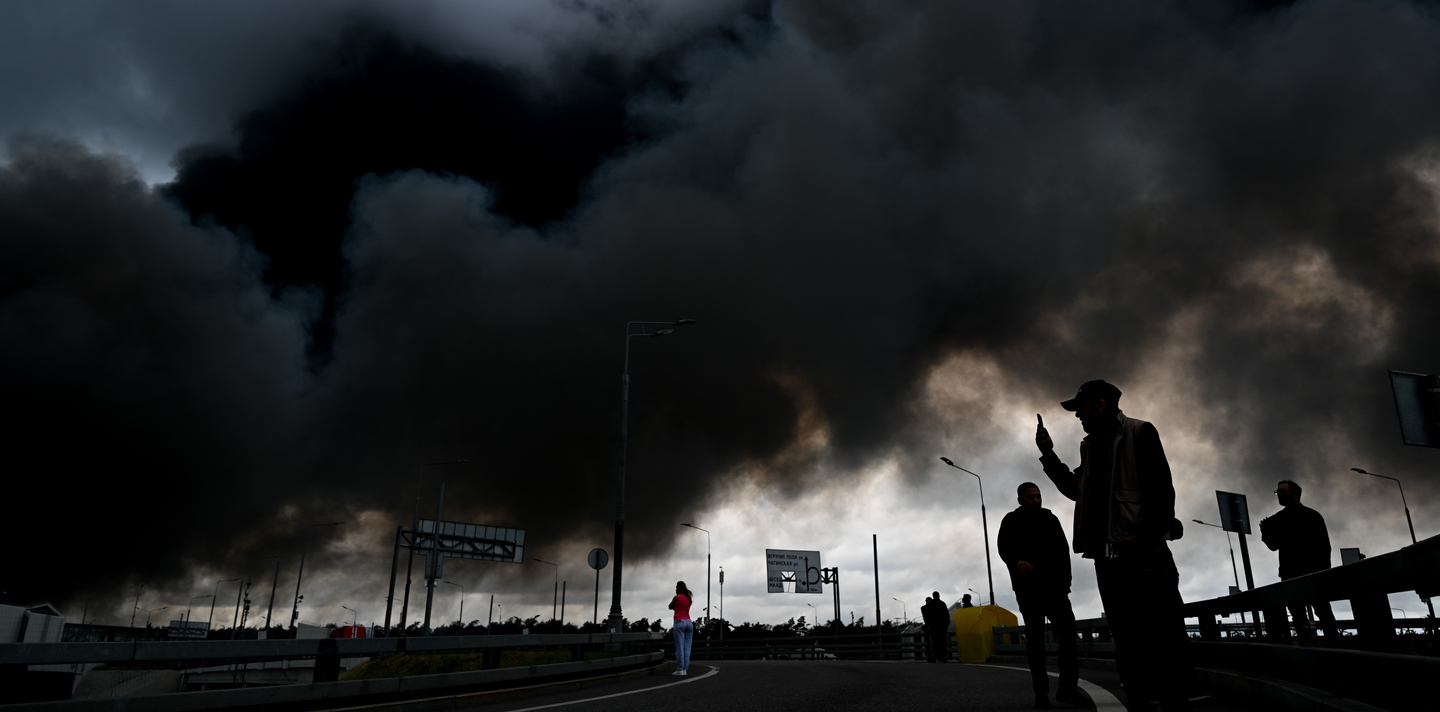
It is not a phenomenon unique to Russia that the public of a country at war (even the aggressor) enduring airstrikes will not overturn its government but rather show solidarity with it and blame its woes on the enemy.
Vladislav Gorin
Ongoing uncertainty in the Middle East allows Moscow to both increase its influence in Tehran and continue to enjoy the financial windfall of higher oil prices.

Nikita Smagin