

Paper
James M. Acton, Ankit Panda
{
  "authors": [
    "James M. Acton"
  ],
  "type": "legacyinthemedia",
  "centerAffiliationAll": "dc",
  "centers": [
    "Carnegie Endowment for International Peace"
  ],
  "collections": [
    "Iranian Proliferation"
  ],
  "englishNewsletterAll": "ctw",
  "nonEnglishNewsletterAll": "",
  "primaryCenter": "Carnegie Endowment for International Peace",
  "programAffiliation": "NPP",
  "programs": [
    "Nuclear Policy"
  ],
  "projects": [],
  "regions": [
    "Middle East",
    "Iran",
    "Israel"
  ],
  "topics": [
    "Nuclear Policy",
    "Arms Control"
  ]
}
Source: Getty
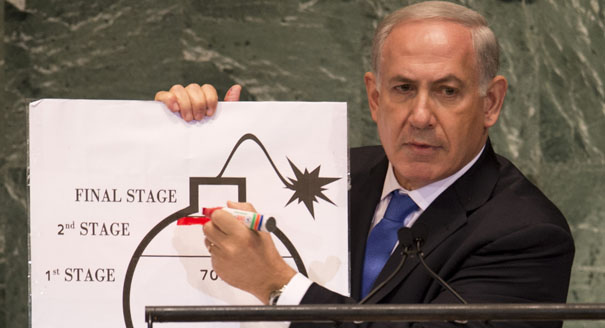
With a little preparation, you can survive the conversation with bubbe about the Iran deal.
Source: Tikkun
Next Monday is Rosh Hashanah, and from Brooklyn to Boca Raton, Jewish families will come together to mark the New Year with lavish feasts and stilted conversations. No Jewish holiday ever goes by without a family argument and no Jewish grandchild is in any doubt about this year’s topic: the Iran nuclear deal.
With a nationwide run on Prilosec and other excuses to skip this year’s holiday, anxiety in Jewish communities across the country is palpable. But there’s no need to worry—with a little preparation, you can survive the conversation with bubbe and leave her kvelling about her genius progeny. Although it isn’t Passover, if you want to convince her, you’ll need to have good answers to these four obvious questions about the agreement.Bubbe: Why will this deal end differently from every other nuclear deal? Why should we believe that Iran won’t cheat?
You: Strangely enough, the possibility that Iran might cheat had actually occurred to the negotiators. So they insisted on a deal that sharply constrains Iran’s program and creates the world’s most robust inspection regime. With more eyes in more places and with less dangerous stuff in fewer sites, we’ll be in a much better position than we are now to catch Iran if it tries to build the Bomb. Now, I know your friend Sadie Hirshbaum told you that Iran can delay inspections by twenty-four days. But don’t kvetch. At each stage of the nuclear supply chain and at each permitted nuclear facility, inspectors get monitoring access twenty-four hours a day, seven days a week. It’s true that Iranian officials can try to delay access to sites at which inspectors suspect that they are conducting secret nuclear work—but they couldn’t remove telltale traces of nuclear material in twenty-four days. And, as soon as inspectors ask for access, Uncle Sam will have his eyes fixed on any suspicious site, like Uncle Lou’s unbending gaze at the blonde shiksa next door.
Bubbe: If Iran cheats, who will stop them? Those anti-Semites in France are so eager to do business in Iran that they’ll never actually punish the Iranians. And it’s more likely that Bibi will stop building those shoyderlekh settlements than Obama would bomb the Iranians.
You: As it happens, the French have actually taken the hardest line on Iran in negotiations, so please, you can stop referring to leftover challah fried in egg as “freedom toast.” But the key point is that the agreement gives America the right to decide for itself whether Iran is cheating. It doesn’t need agreement from any other country—not Russia or China, let alone Iran or its friends in Venezuela or Syria— to trigger the “snap back” of UN sanctions. In fact, it’ll probably be easier for Obama to re-impose international sanctions on Iran than to get a budget passed by Congress. With a nuclear deal, Iran’s program will be less advanced than it is today for at least ten years, and over that time, we’ll continue to sharpen our military tools. So, if Iran cheats, we will be in a far better position to use force with the backing of the rest of the world. Conversely, if there’s no deal, we could be faced with the possibility, in the near future, of using less advanced military capabilities—by ourselves—against an Iranian program that’s bigger and harder to destroy! It would be naïve and reckless to choose this option.
Bubbe: Why on earth would we give Iran 150 billion in taxpayer dollars that it will give to Hezbollah to bomb your mischpocha?
You: First off, it’s not taxpayer money. That e-mail you were forwarded from Uncle Lou: it’s just plain wrong. It’s money Iran made from trade—oil sales, mostly—that it couldn’t send back home because of banking restrictions. The good news is that Iran will use up more than half of that money paying its bills. The bad news is that some of the remainder probably will be used for nefarious purposes. But here’s the thing. The whole reason why the world imposed sanctions on Iran was to lift them once the Iranians changed their nuclear behavior. If we say no to sanctions relief, then the Iranians will say no to restrictions. So, what would you prefer: a somewhat richer Iran without nukes, or a slightly poor one with them? You don’t need to be Solomon to answer that one.
Bubbe: Joe Lieberman says that if Congress rejects this Iran deal, then we’ll just get a better one. Is Joey wrong?
You: Probably. Getting a better deal at this point is about as likely as Donald Trump becoming president. It’s not impossible, but it isn’t very likely, either. Britain, China, France, Russia, and Germany are also signatories to the deal, and they’re committed to giving Iran sanctions relief whether or not the United States does. So, if Congress rejects the deal, the most likely result is no restrictions on Iran and no sanctions. And, bubbe, let’s be honest: if that does happen, then by Hanukah, you’ll be saying that you were in favor of the deal all along.

Jessica T. Mathews Chair, Co-director, Nuclear Policy Program
Acton holds the Jessica T. Mathews Chair and is co-director of the Nuclear Policy Program at the Carnegie Endowment for International Peace.
Recent Work
James M. Acton, Ankit Panda
James M. Acton
Carnegie does not take institutional positions on public policy issues; the views represented herein are those of the author(s) and do not necessarily reflect the views of Carnegie, its staff, or its trustees.
Ongoing uncertainty in the Middle East allows Moscow to both increase its influence in Tehran and continue to enjoy the financial windfall of higher oil prices.

Nikita Smagin
This year’s wars have made alternative routes to transit through Russia no less risky for Central Asian countries.

Galiya Ibragimova
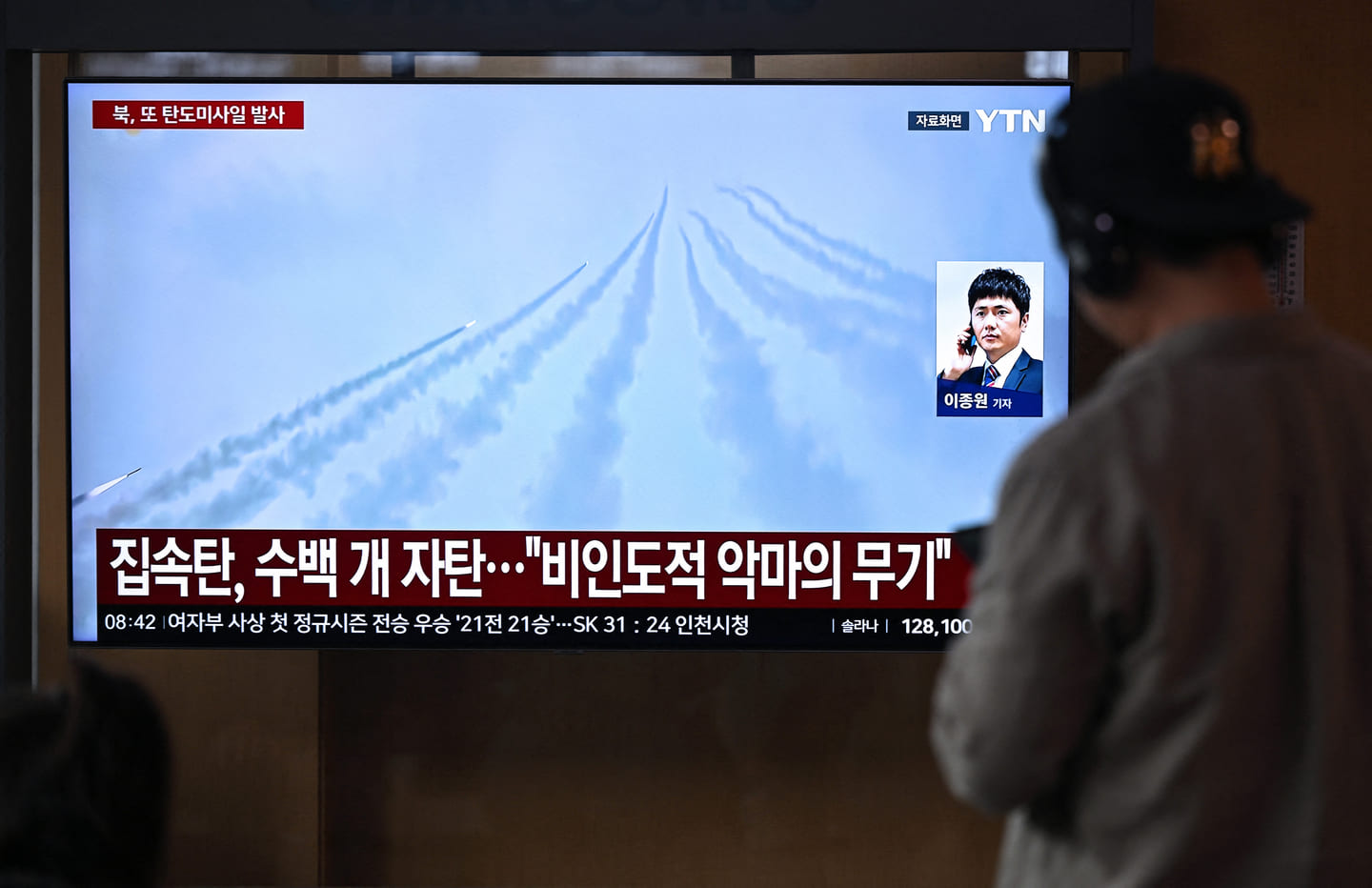
Troubled by the growing salience of nuclear debates in East Asia, Moscow has responded in its usual way: with condemnation and threats. But by exacerbating insecurity, Russia is forcing South Korea and Japan to consider radical security options.

James D.J. Brown
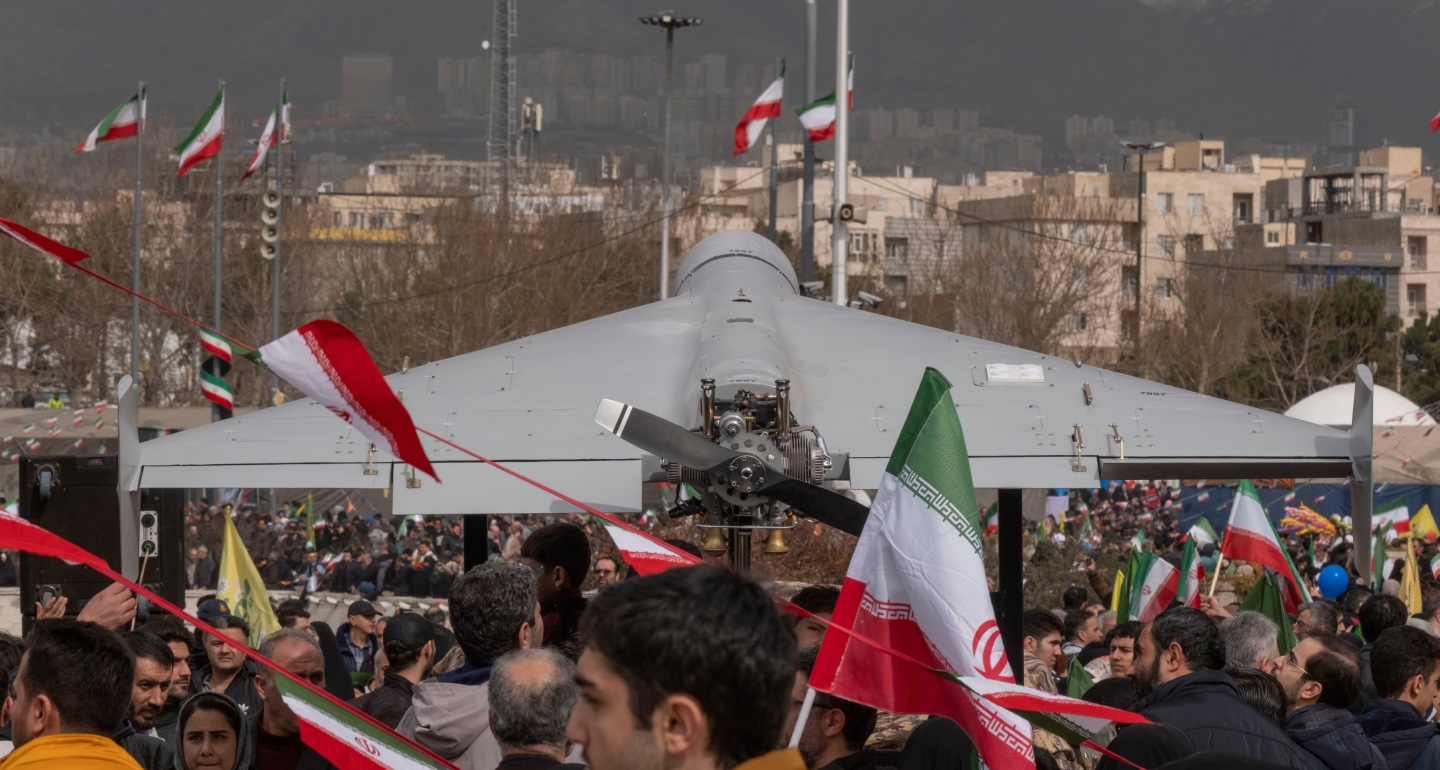
The Russian leadership wants to avoid a dangerous precedent in which it is squeezed out of Iran by the United States and Israel—and left powerless to respond in any meaningful way.
Nikita Smagin
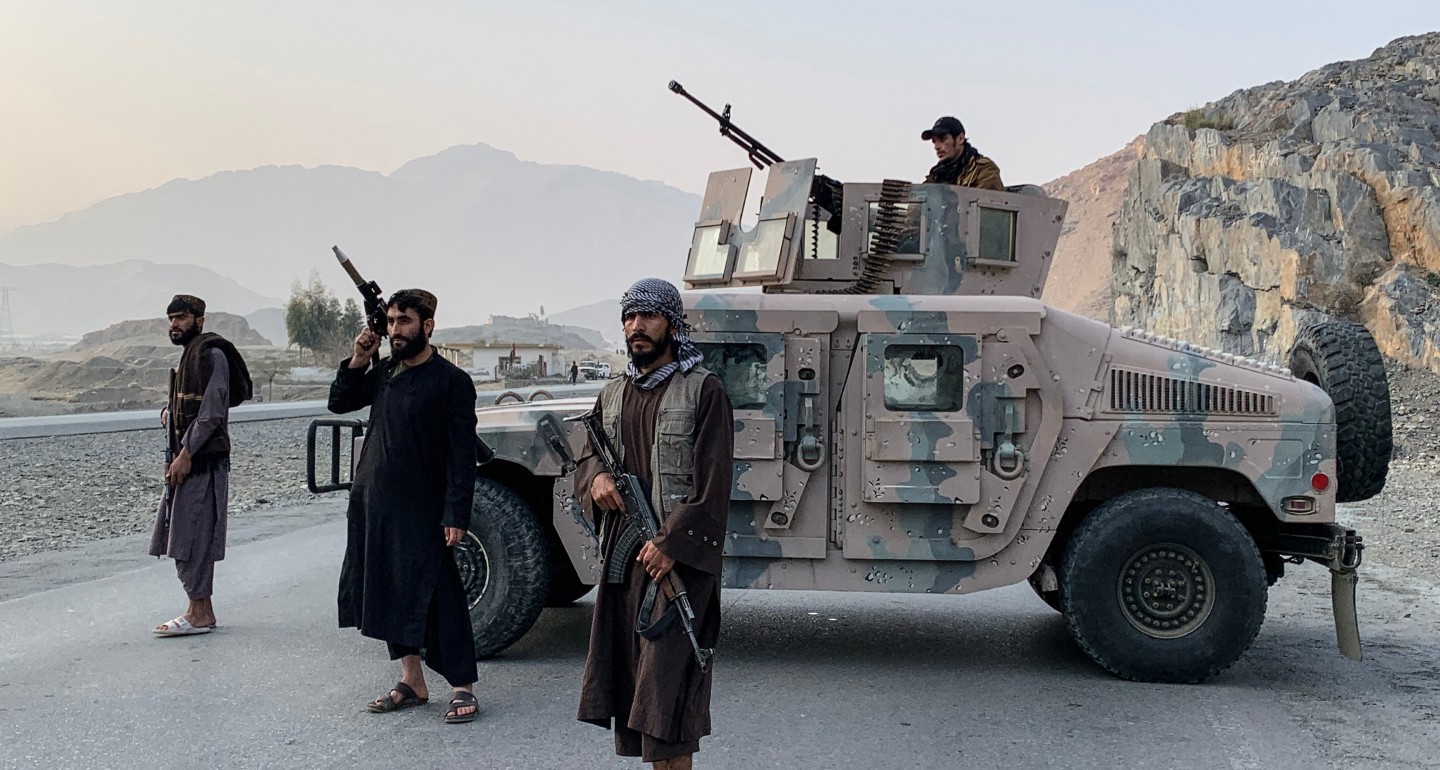
Not only does the fighting jeopardize regional security, it undermines Russian attempts to promote alternatives to the Western-dominated world order.
Ruslan Suleymanov