

Commentary
By reminding the world that Lukashenko is a threat to NATO and Ukraine, Kyiv is trying to return the focus to why the Belarusian regime needs to be contained rather than rewarded.
Artyom Shraibman
{
  "authors": [
    "Constantino Xavier",
    "Vassilis Ntousas"
  ],
  "type": "other",
  "centerAffiliationAll": "dc",
  "centers": [
    "Carnegie Endowment for International Peace",
    "Carnegie Europe",
    "Carnegie India"
  ],
  "collections": [],
  "englishNewsletterAll": "ctw",
  "nonEnglishNewsletterAll": "",
  "primaryCenter": "Carnegie India",
  "programAffiliation": "SAP",
  "programs": [
    "South Asia",
    "Europe"
  ],
  "projects": [],
  "regions": [
    "South Asia",
    "India",
    "Western Europe",
    "Asia",
    "Iran"
  ],
  "topics": [
    "Foreign Policy"
  ]
}
Source: Getty
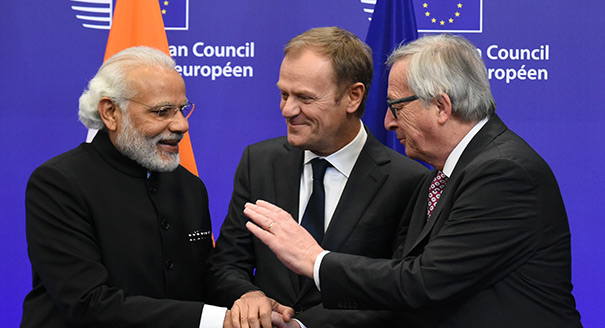
The European Union and India have developed a mature strategic partnership over the years, but the relationship now faces several challenges as Brussels begins to looks inwards and New Delhi to the United States and also eastwards.
Source: Foundation for European Progressive Studies
The European Union and India have developed a mature strategic partnership over the years, but the relationship now faces several challenges as Brussels begins to looks inwards and New Delhi to the United States and also eastwards. This paper argues that despite and also because of such challenges, this is the right moment for greater security engagement between the EU and India. The economic track is being revived, as negotiations continue towards a free trade agreement. Cultural and scientific exchanges have also flourished in recent years. It is now time to move the partnership into greater dialogue, coordination and cooperation in the security sphere.
This policy brief was originally published by the Foundation for European Progressive Studies.
Former Fellow, Carnegie India
Constantino Xavier was a fellow at Carnegie India, based in New Delhi. His research focus is on India’s foreign policy, with emphasis on relations with its neighboring countries and South Asian regional security.
Vassilis Ntousas
International Relations Policy Advisor, FEPS
Carnegie does not take institutional positions on public policy issues; the views represented herein are those of the author(s) and do not necessarily reflect the views of Carnegie, its staff, or its trustees.
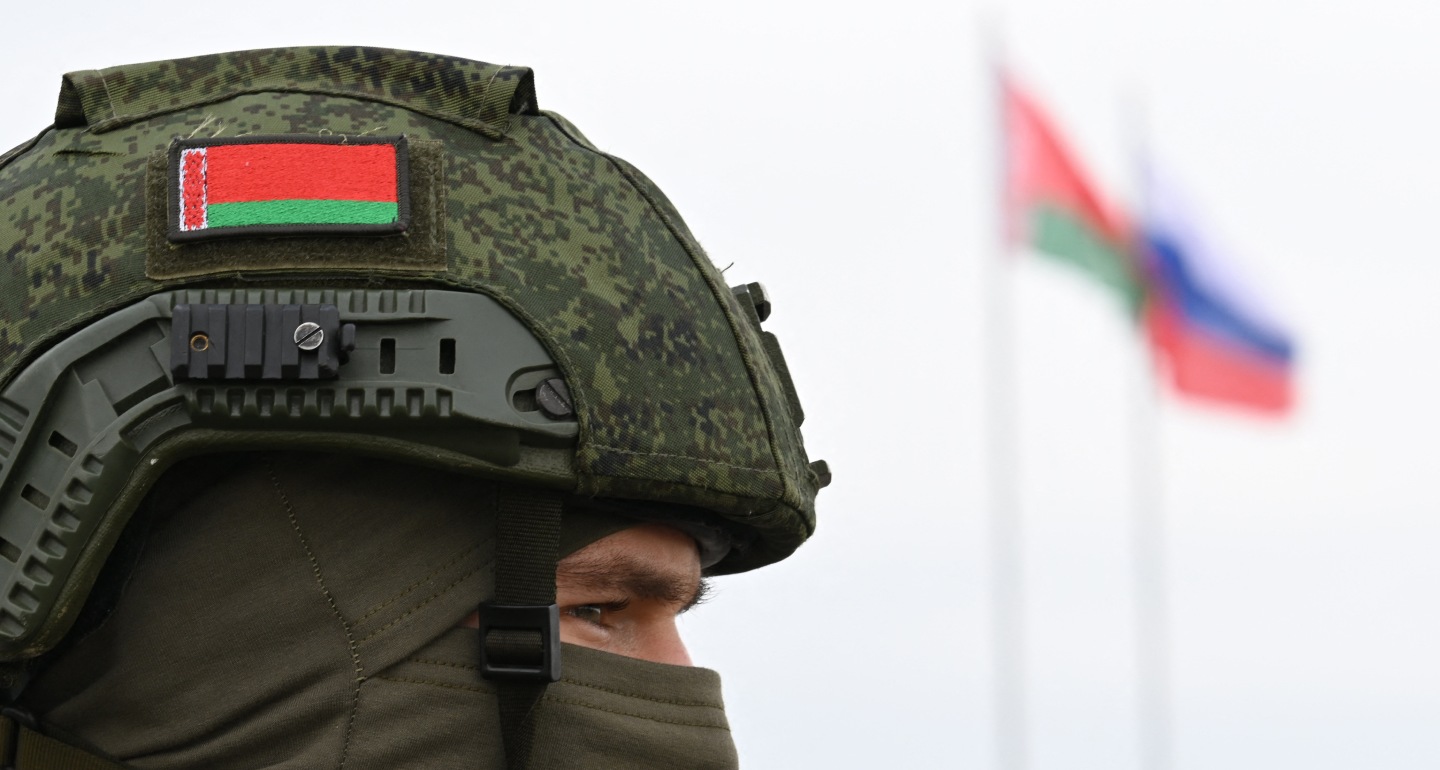
By reminding the world that Lukashenko is a threat to NATO and Ukraine, Kyiv is trying to return the focus to why the Belarusian regime needs to be contained rather than rewarded.

Artyom Shraibman

The demands of the Kremlin’s war in Ukraine, demographic problems, and public hostility toward Central Asians mean Russia does not have enough workers.

Salavat Abylkalikov
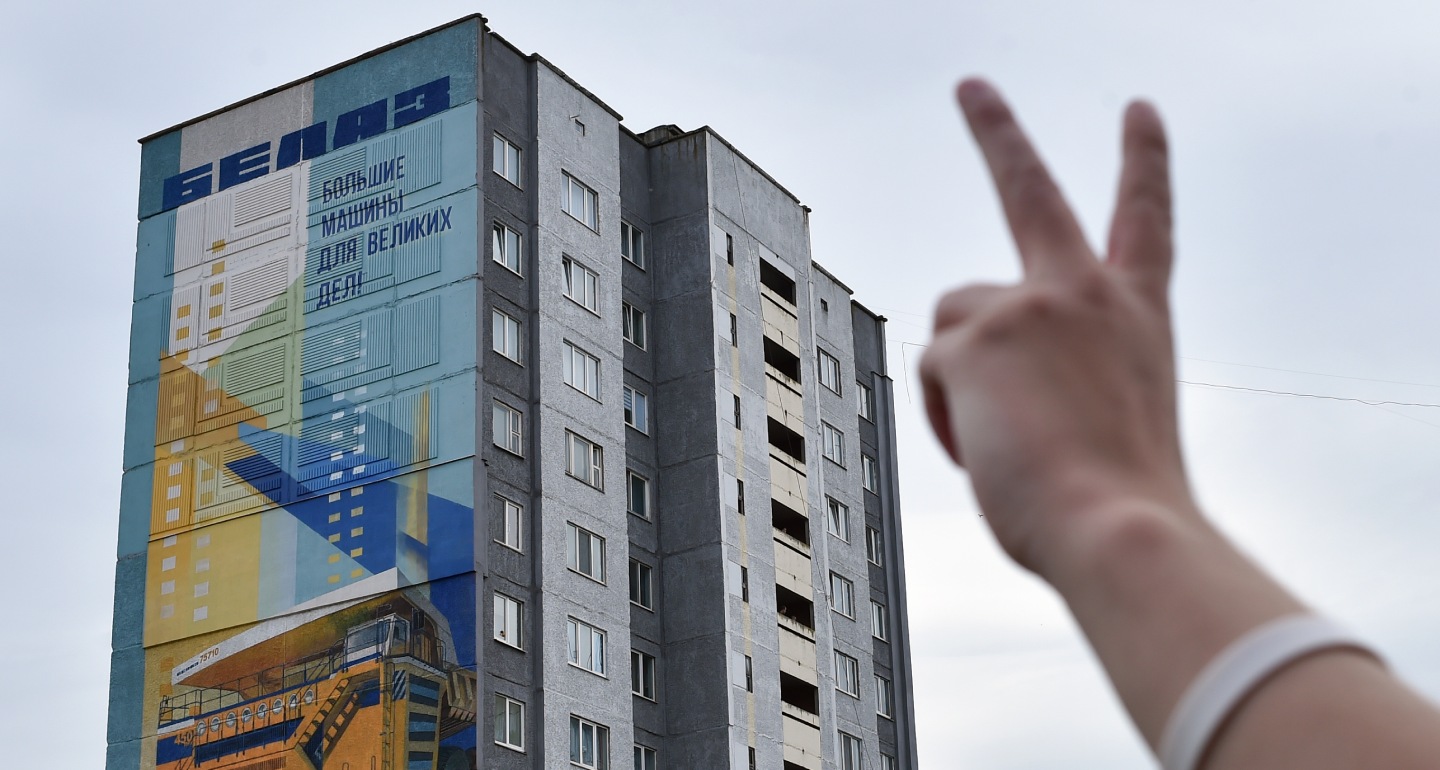
Minsk’s faith in the future of its larger neighbor’s economy is fading as Belarusian firms in Russia see record losses.

Olga Loiko
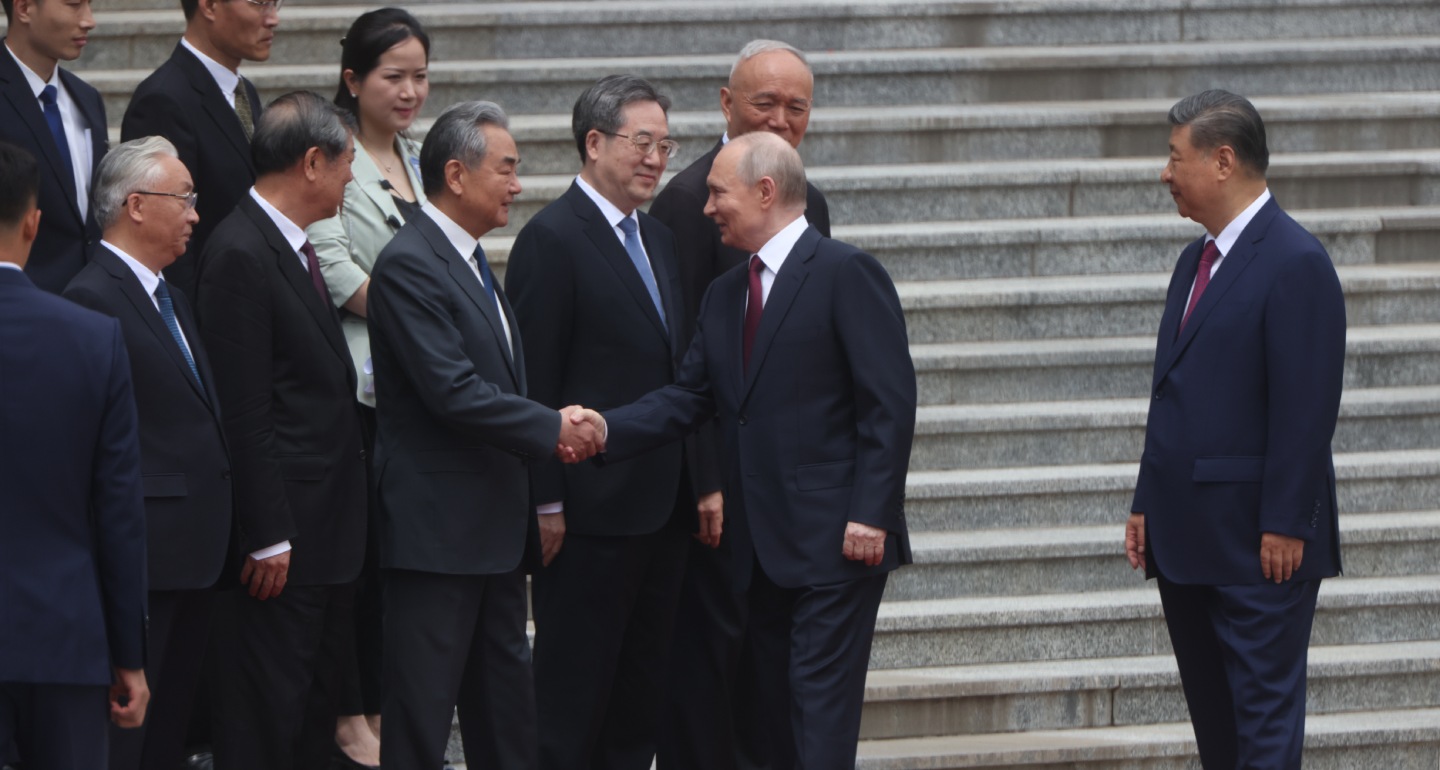
With no key agreement signed on the Power of Siberia 2 gas pipeline, there is a risk that the window of opportunity for Russia will close if Chinese power generation becomes so green that new gas sources are no longer of any interest to Beijing.

Alexander Gabuev

The truth is that Japan’s government is seeking a degree of reengagement but at a vastly reduced level than under Abe. Most significantly, Japan has shown no willingness to ease sanctions.

James D.J. Brown