

Article
C. Raja Mohan, Darshana M. Baruah
{
  "authors": [
    "C. Raja Mohan"
  ],
  "type": "legacyinthemedia",
  "centerAffiliationAll": "dc",
  "centers": [
    "Carnegie Endowment for International Peace",
    "Carnegie India"
  ],
  "collections": [],
  "englishNewsletterAll": "ctw",
  "nonEnglishNewsletterAll": "",
  "primaryCenter": "Carnegie India",
  "programAffiliation": "SAP",
  "programs": [
    "South Asia"
  ],
  "projects": [],
  "regions": [
    "South Asia",
    "India"
  ],
  "topics": [
    "Economy",
    "Foreign Policy"
  ]
}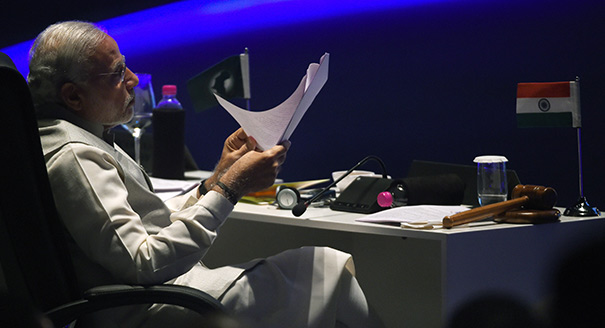
Source: Getty
Until now, India’s strategy has been to globalize at its own pace and resist Western pressures for sweeping reform. If the West turns against globalization, New Delhi will need a lot of new thinking on post-reform economic strategy.
Source: Indian Express
Troubles tend to come in threes. Three broad international trends that matured this year are set to disrupt the world in 2017. The revolt against globalisation in the developed world, a technological transformation that threatens to kill jobs in multiple sectors and the renewed great power contestation are likely to reinforce each other. Together, the three trends could upend Delhi’s core assumptions about India’s national, economic and security strategy in the reform era that began a quarter century ago.
Since the 1980s, the idea that economic globalisation and liberalisation are the only paths to development was called the “Washington Consensus”. Thanks to the election of Donald Trump as the president of the United States, there is no longer an American consensus. Trump has promised to tear up free trade agreements and launch a tariff war against China. He is also threatening to penalise American companies that move factories abroad and import the goods back into the United States.
Trump has railed against the H-1B visa system that he says replaced American technical workers with in-sourcing of cheap labour from India and other places. He wants to throw illegal immigrants out from America and build a great wall on the Mexican border. Unlike his predecessors, Trump is expected to follow through on some of his threats, for his narrow electoral victory in the elections was made possible by the hostility to trade and immigration among the white working classes in America’s mid-west.
Trump is not the only one capitalising on the current dark mood in the West. The surprising vote in favour of Britain leaving the European Union in the summer of 2016 showed the depth of resentment against globalism and supra-national economic institutions in the old continent. Brexit may well be followed by “Frexit” as France holds elections in the next few months. The far-right candidate Marine Le Pen has promised a French referendum on leaving the EU if she’s elected president in 2017. Right-wing populists are on the march all across Europe.
Until now, India’s strategy has been to globalise at its own pace and resist Western pressures for sweeping reform. If the West turns against globalisation, Delhi will need a lot of new thinking on post-reform economic strategy. Meanwhile, there is a second trend — the so called fourth industrial revolution — that is boosting the backlash against globalisation in the developed world. Technologies like artificial intelligence, robotics and big data expected to be far more disruptive than the earlier transformations.
The single greatest impact of the fourth industrial revolution will be on employment. A report issued by the White House last week said automation and robotics have “the potential to disrupt the current livelihoods of millions of Americans”. In the past, technological breakthroughs produced more jobs than they eliminated. This time around, they could not only destroy a wide range of occupations but also significantly reduce the labour costs in the production process. This dramatic devaluation of labour would require a massive restructuring of modern societies.
The impact of the technological revolution could make it hard for India to expand employment through the planned rejuvenation of its manufacturing sector. The growing anti-globalisation sentiment in the West and the impact of new technologies suggest India can’t replicate the Chinese economic strategy of the last three decades — making in India and exporting to global markets. Debating the contradictory imperatives of the emerging technologies — of investing more in them while finding ways to cope with their social consequences — must be a major priority for India in 2017.
The fourth industrial revolution and accompanying political instability are bound to affect global power distribution. Those successful in adaptation will improve their relative standing within the great power constellation; those who fail will fall behind. Domestic politics within the major nations is also likely to emerge as a major variable shaping the global balance of power. Those powers that can manage the political turbulence at home are likely to prevail over those who can’t.
Meanwhile, the era of relative peace and harmony among major powers since the collapse of the Berlin wall is coming to an end. The assertion of Russia in Europe and China’s muscle flexing in the South China Sea over the last few years signal a new confidence in Moscow and Beijing that they can challenge the post Second World War American primacy in Eurasia. President Barack Obama sought to make America come to terms with its relative decline through policies of retrenchment and restraint.
“Not so fast,” says his successor Trump. The president-elect is determined to push back. “Let it be an arms race,” Trump declared last week after tweeting that the US will expand its nuclear arsenal. He also wants to build up American navy, invest in artificial intelligence and other autonomous weapons technologies as part of his effort to restore American military advantage and make “America great again”. Delhi, which has managed its post Cold War international relations reasonably well, must now prepare itself for considerable turbulence and a few fleeting strategic opportunities that might present themselves.
This article was originally published in the Indian Express.
Former Nonresident Senior Fellow, Carnegie India
A leading analyst of India’s foreign policy, Mohan is also an expert on South Asian security, great-power relations in Asia, and arms control.
Recent Work

C. Raja Mohan, Darshana M. Baruah


Alexander Gabuev, Paul Haenle, C. Raja Mohan, …
Carnegie does not take institutional positions on public policy issues; the views represented herein are those of the author(s) and do not necessarily reflect the views of Carnegie, its staff, or its trustees.

When faced with fuel shortages in the past, Central Asian governments could always count on additional supplies from Moscow. That safety net no longer exists.

Galiya Ibragimova

Despite unhappiness on the ground, Moscow is determined to use both carrot and stick to ensure there is record support for United Russia in occupied Ukraine.

Konstantin Skorkin
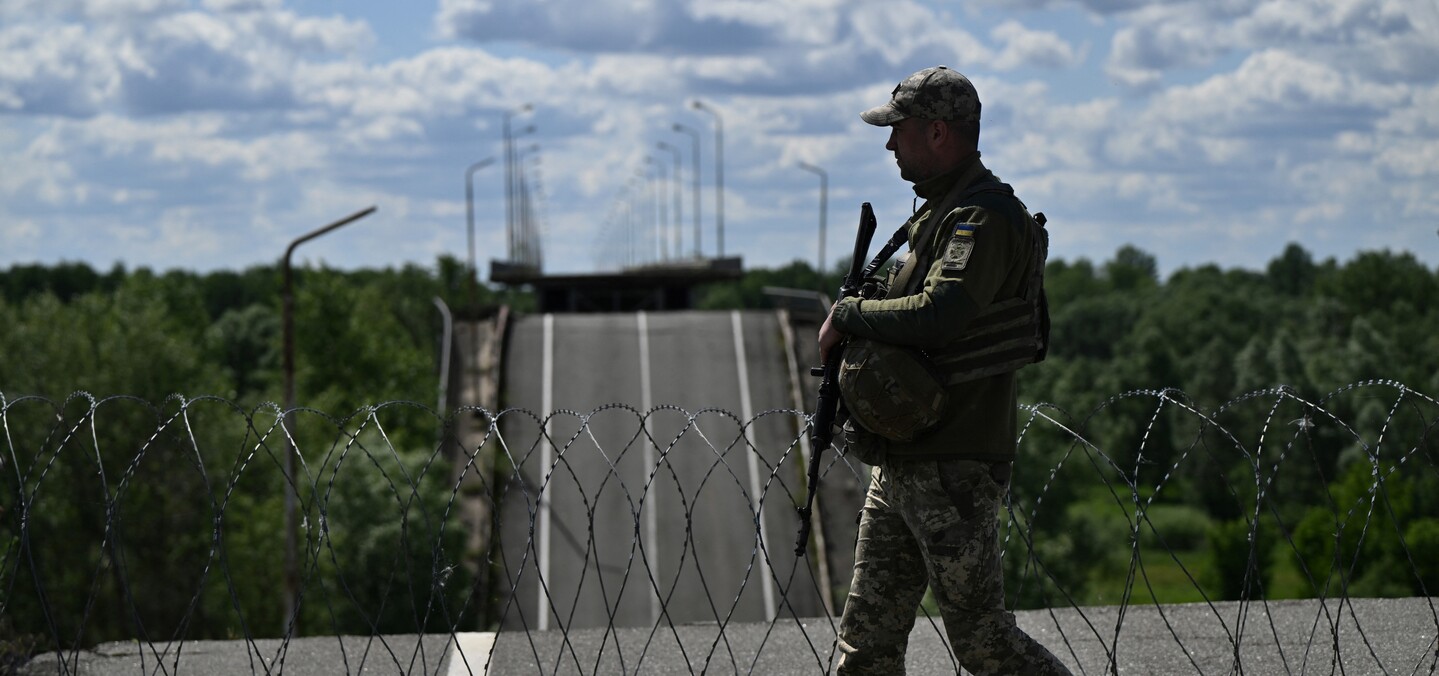
The recent damage inflicted by Ukrainian drones and missiles on Russia has made Belarus aware of its own vulnerabilities—and surprisingly amenable to Kyiv’s demands.

Artyom Shraibman
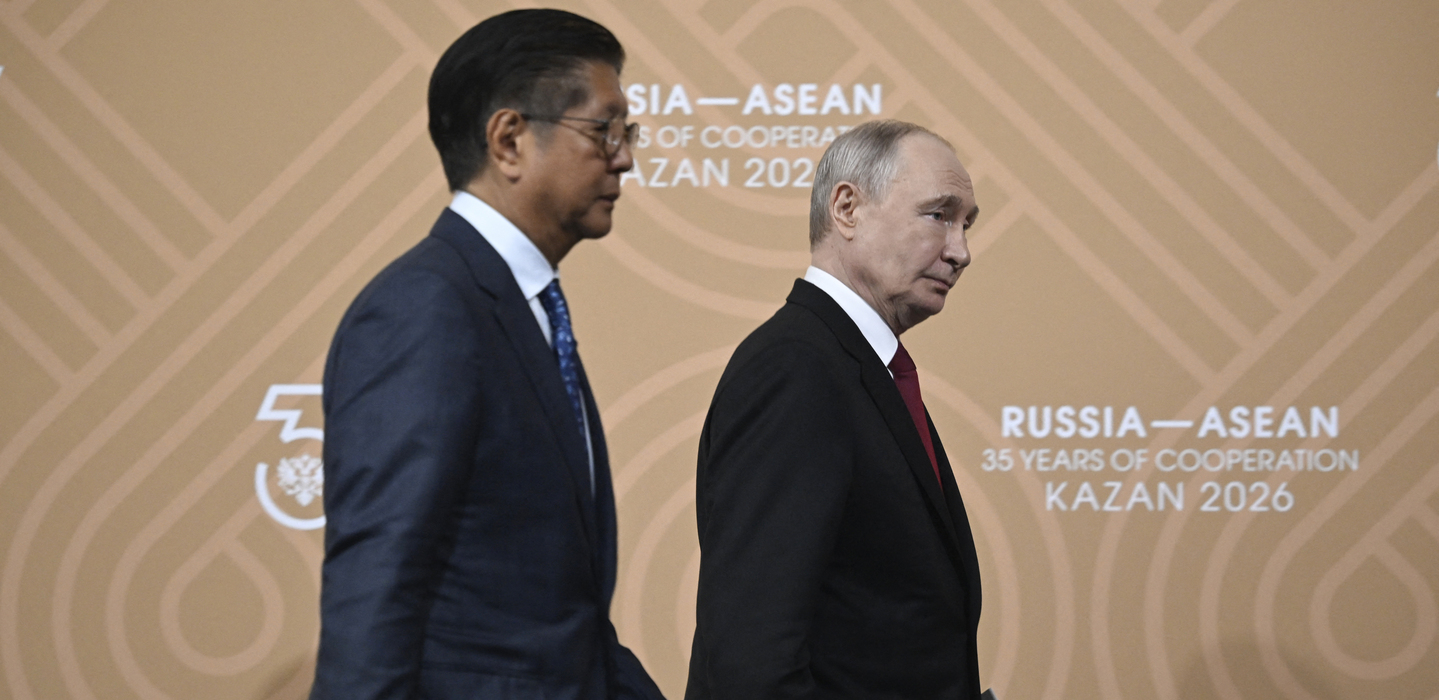
Russia looks set to reap economic benefits from closer ties with Southeast Asian countries that are keen to find reliable energy suppliers and diversify trade ties.
Alexander Gabuev
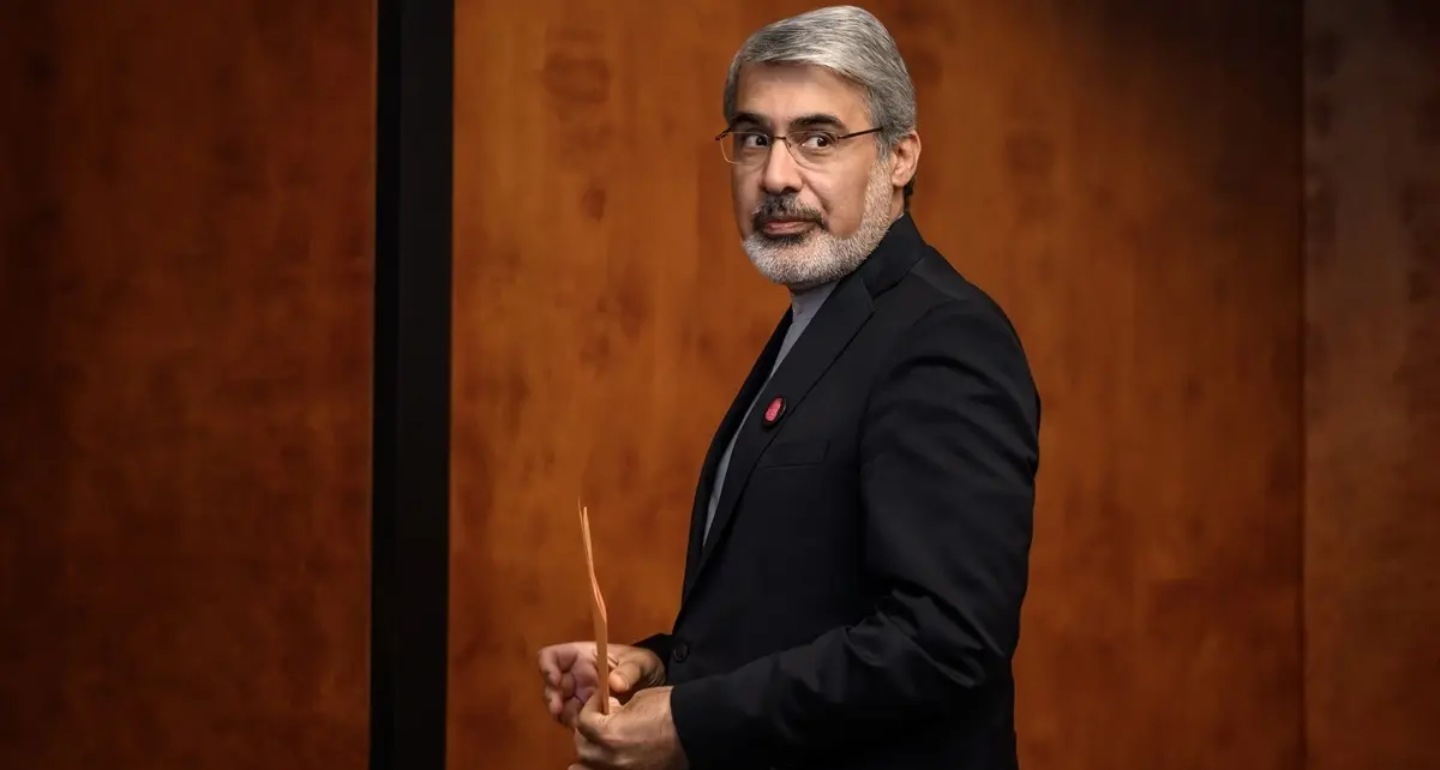
Ongoing uncertainty in the Middle East allows Moscow to both increase its influence in Tehran and continue to enjoy the financial windfall of higher oil prices.

Nikita Smagin