

Article
Deborah Gordon, Smriti Kumble, David Livingston
{
  "authors": [
    "David Livingston"
  ],
  "type": "legacyinthemedia",
  "centerAffiliationAll": "dc",
  "centers": [
    "Carnegie Endowment for International Peace"
  ],
  "collections": [],
  "englishNewsletterAll": "ctw",
  "nonEnglishNewsletterAll": "",
  "primaryCenter": "Carnegie Endowment for International Peace",
  "programAffiliation": "SCP",
  "programs": [
    "Sustainability, Climate, and Geopolitics"
  ],
  "projects": [
    "Carnegie Oil Initiative"
  ],
  "regions": [
    "North America",
    "United States",
    "East Asia",
    "China"
  ],
  "topics": [
    "Climate Change"
  ]
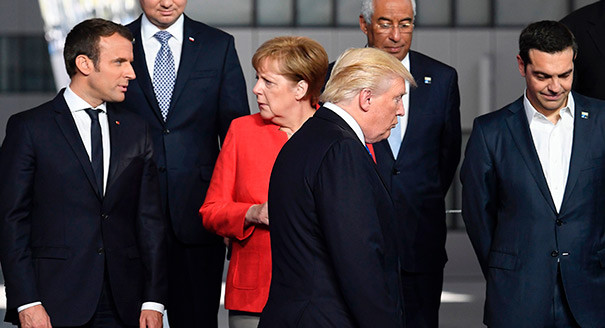
}
Source: Getty
With U.S. climate leadership lagging, the G-7 is finding ways to move forward in spite of U.S. reluctance while China looms as the new international climate powerhouse.
Source: CGTN America
Carnegie’s David Livingston joined CGTN’s Rachelle Akuffo to discuss the outcomes of the G-7 environment meeting focusing on the new role being played by the United States under a Trump administration. Livingston noted that the U.S. decision to not engage on climate may have backfired.
“It should be noted that the U.S. probably hoped to really hold things up by refusing to make progress on climate in this round of G-7 environment ministers talks, but it was reduced to simply . . . being a footnote at the bottom of the leaders declaration.”
Livingston pointed out that while the G-7 talks did yield needed progress on “greening of the global financial system,” that the United States and EU lag considerably behind China on these efforts. In fact, with U.S. leadership lagging on climate, Livingston says that China’s role as a leader on climate “is probably the great story of the next few decades.”
Referring to the U.S. withdrawal from the Paris Climate Accord as essentially an “own goal,” Livingston points out that “China’s President, Xi Jinping met not with the energy secretary of the United States, but with California Governor Jerry Brown,” as China prepares for new ways to engage the world on climate.
Former Associate Fellow, Energy and Climate Program
Livingston was an associate fellow in Carnegie’s Energy and Climate Program, where his research focuses on emerging markets, technologies, and risks.
Recent Work

Deborah Gordon, Smriti Kumble, David Livingston

Erik Brattberg, David Livingston
Carnegie does not take institutional positions on public policy issues; the views represented herein are those of the author(s) and do not necessarily reflect the views of Carnegie, its staff, or its trustees.

With the growth in points of friction between the great powers, organizations like the SCO will continue to play a role in the strategic adaptation of the smaller powers caught between them.

Temur Umarov

When faced with fuel shortages in the past, Central Asian governments could always count on additional supplies from Moscow. That safety net no longer exists.

Galiya Ibragimova
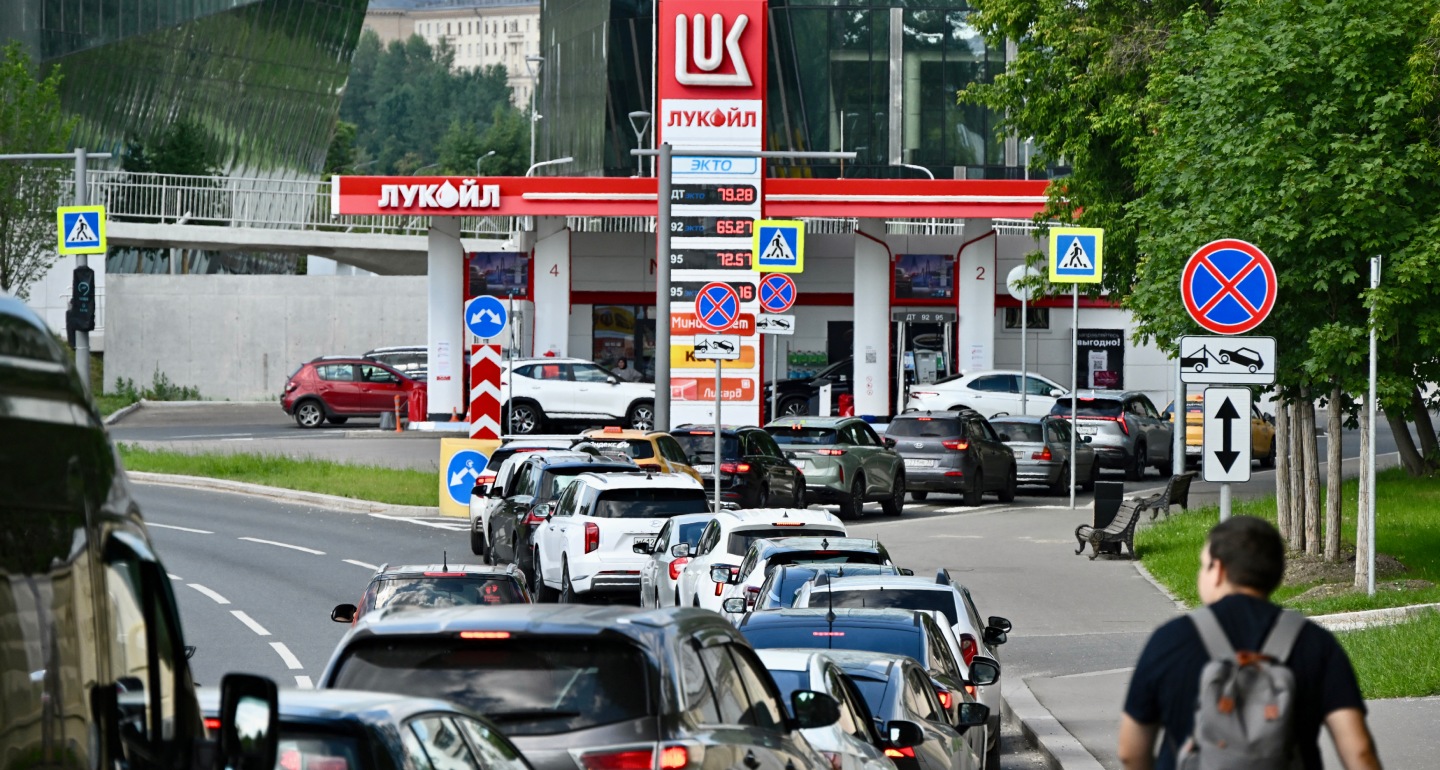
Official discussions about mini oil refineries are unlikely to come to anything—but the mere fact they’re happening reveals the regime is failing to deliver a functioning economy.

Sergey Vakulenko
Ongoing uncertainty in the Middle East allows Moscow to both increase its influence in Tehran and continue to enjoy the financial windfall of higher oil prices.

Nikita Smagin
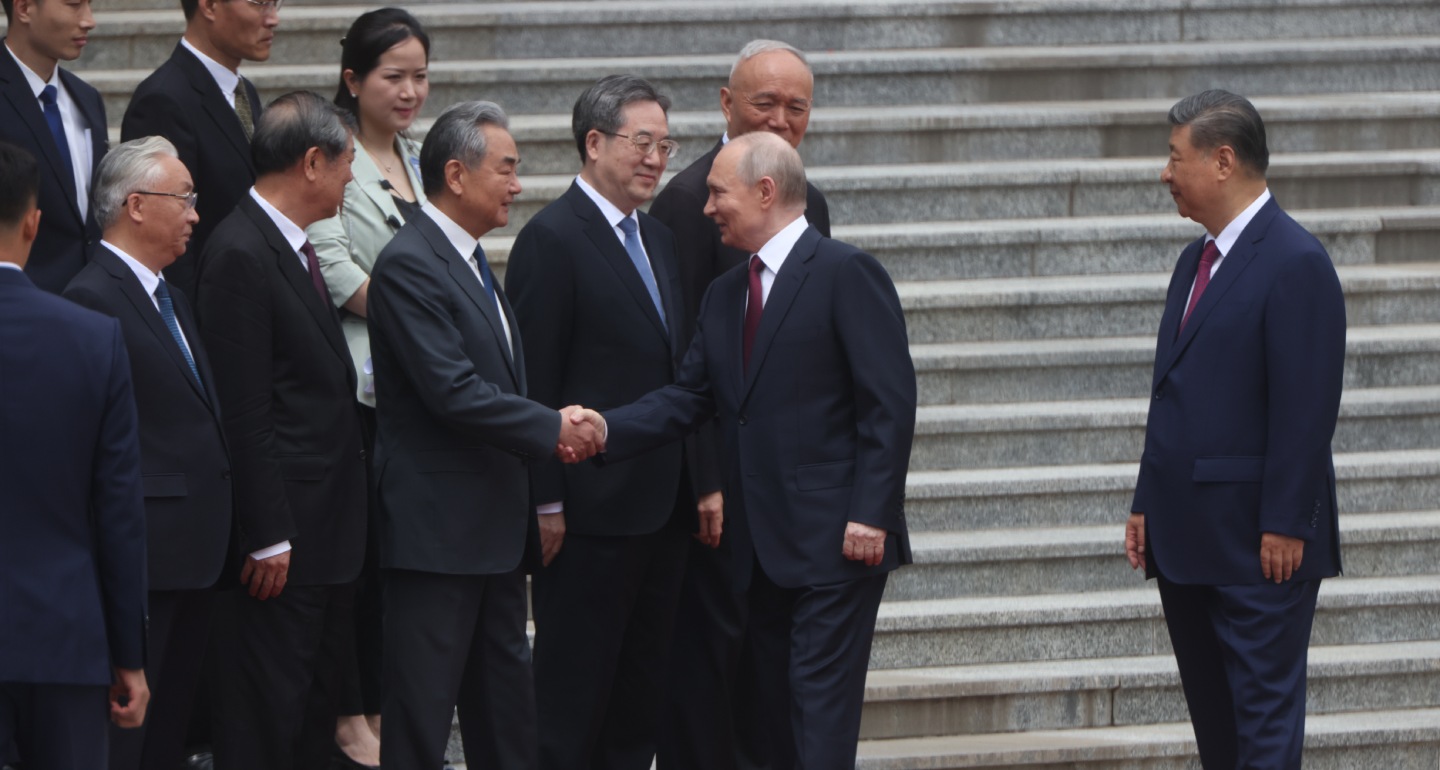
With no key agreement signed on the Power of Siberia 2 gas pipeline, there is a risk that the window of opportunity for Russia will close if Chinese power generation becomes so green that new gas sources are no longer of any interest to Beijing.

Alexander Gabuev