

Article
- +1
Toby Dalton, Mark Hibbs, Nicole Grajewski, …
{
  "authors": [
    "Mark Hibbs"
  ],
  "type": "other",
  "centerAffiliationAll": "dc",
  "centers": [
    "Carnegie Endowment for International Peace"
  ],
  "collections": [
    "Iranian Proliferation"
  ],
  "englishNewsletterAll": "ctw",
  "nonEnglishNewsletterAll": "",
  "primaryCenter": "Carnegie Endowment for International Peace",
  "programAffiliation": "NPP",
  "programs": [
    "Nuclear Policy"
  ],
  "projects": [],
  "regions": [
    "Middle East",
    "Iran"
  ],
  "topics": [
    "Nuclear Policy"
  ]
}
Source: Getty
Instead of putting the JCPOA in jeopardy, the United States would be well advised to permit the implementation of the agreement to go forward and, together with other parties, encourage the IAEA to vigorously pursue its obligations under the agreement.
Source: Arms Control Wonk
Very shortly, the United States government will make decisions about the Joint Comprehensive Plan of Action (JCPOA) that may have immediate and profound implications for Iran and the U.S; for the future of the Middle East; and for global efforts to prevent the spread of nuclear arms.
The JCPOA ultimately rests upon the authority of the International Atomic Energy Agency (IAEA) to verify that all of Iran’s nuclear activities are declared and peaceful. Without the agreement, IAEA verification would be far more difficult. This should dissuade President Trump and the Congress from taking reckless actions that could curtail the IAEA’s fact-finding, preempt American credibility in dealing with Iran in the future, and terminate enhanced oversight in a country that could respond by ramping up its nuclear program to a crisis level.
The unending polarized debate in the U.S. about the JCPOA has allowed both defenders and detractors to misrepresent the facts concerning the implementation of the accord. In their zeal to burnish the JCPOA, advocates assert that the IAEA has concluded that Iran is complying with the agreement. That’s overstated, as are woefully gratuitous claims by declared opponents of the JCPOA that Iran is hiding current non-compliance because the Obama Administration “gave away any right to conduct meaningful inspections in Iran.”
This article was originally published in Arms Control Wonk.

Nonresident Senior Fellow, Nuclear Policy Program
Hibbs is a Germany-based nonresident senior fellow in Carnegie’s Nuclear Policy Program. His areas of expertise are nuclear verification and safeguards, multilateral nuclear trade policy, international nuclear cooperation, and nonproliferation arrangements.
Recent Work


Toby Dalton, Mark Hibbs, Nicole Grajewski, …
Mark Hibbs
Carnegie does not take institutional positions on public policy issues; the views represented herein are those of the author(s) and do not necessarily reflect the views of Carnegie, its staff, or its trustees.

Ongoing uncertainty in the Middle East allows Moscow to both increase its influence in Tehran and continue to enjoy the financial windfall of higher oil prices.

Nikita Smagin
This year’s wars have made alternative routes to transit through Russia no less risky for Central Asian countries.

Galiya Ibragimova
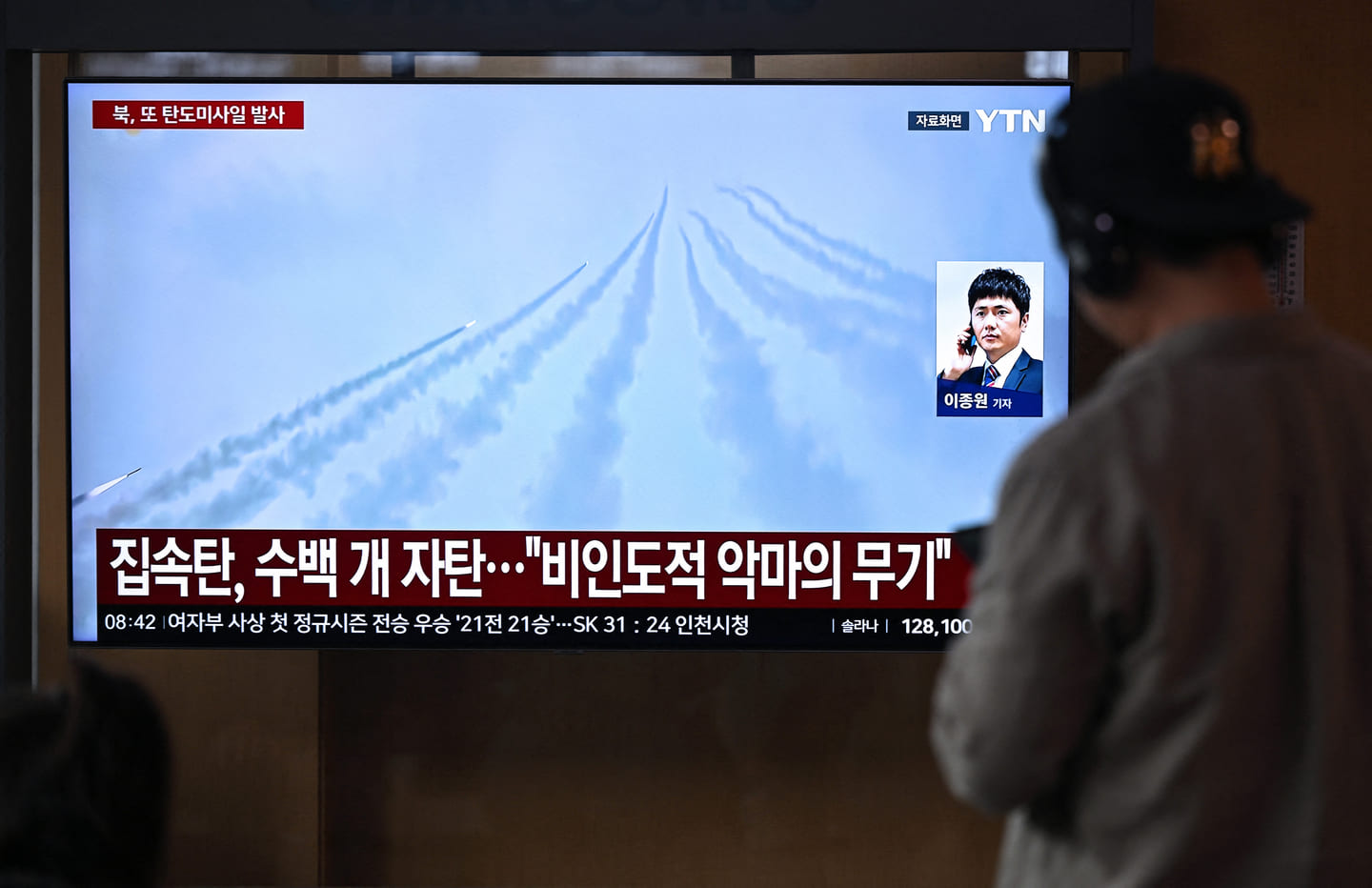
Troubled by the growing salience of nuclear debates in East Asia, Moscow has responded in its usual way: with condemnation and threats. But by exacerbating insecurity, Russia is forcing South Korea and Japan to consider radical security options.

James D.J. Brown
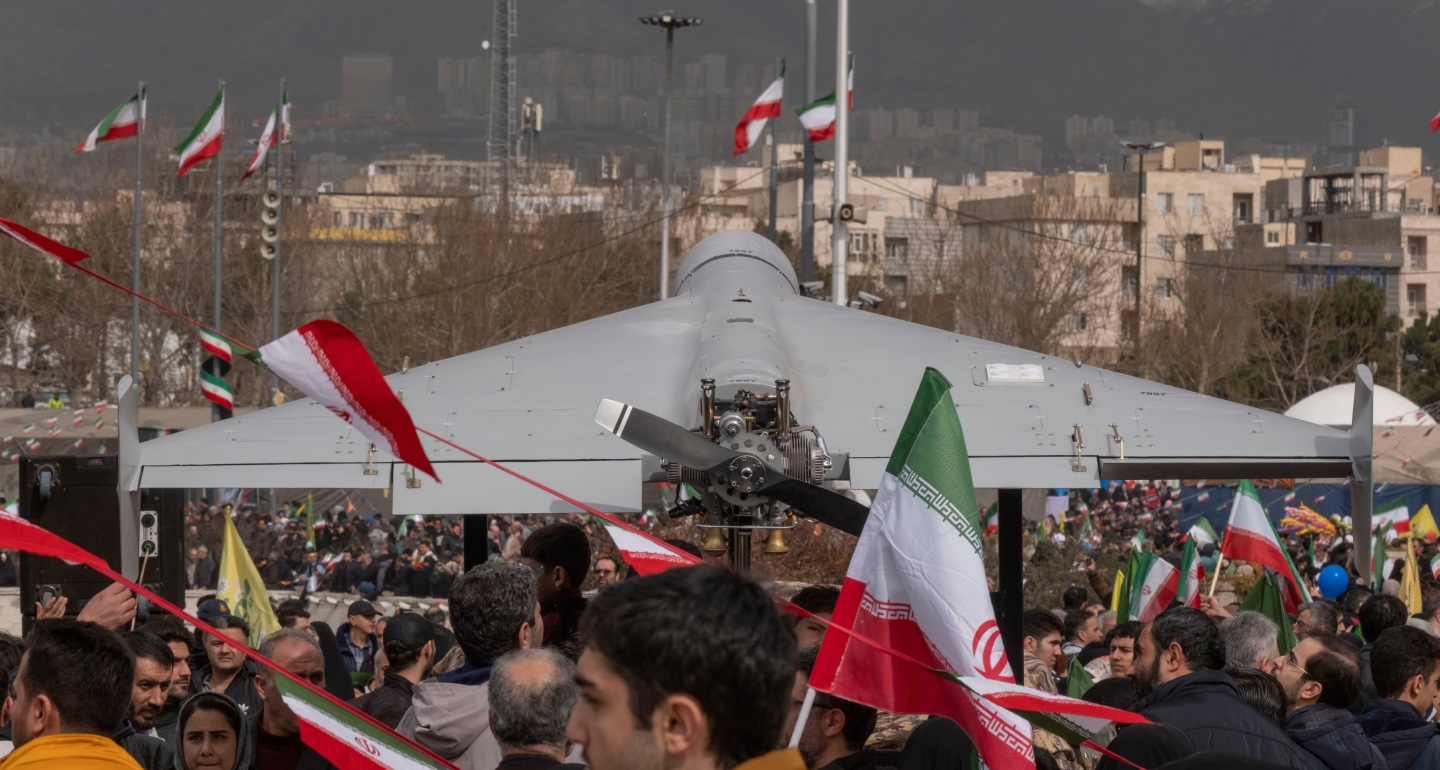
The Russian leadership wants to avoid a dangerous precedent in which it is squeezed out of Iran by the United States and Israel—and left powerless to respond in any meaningful way.
Nikita Smagin
Not only does the fighting jeopardize regional security, it undermines Russian attempts to promote alternatives to the Western-dominated world order.

Ruslan Suleymanov