

Commentary
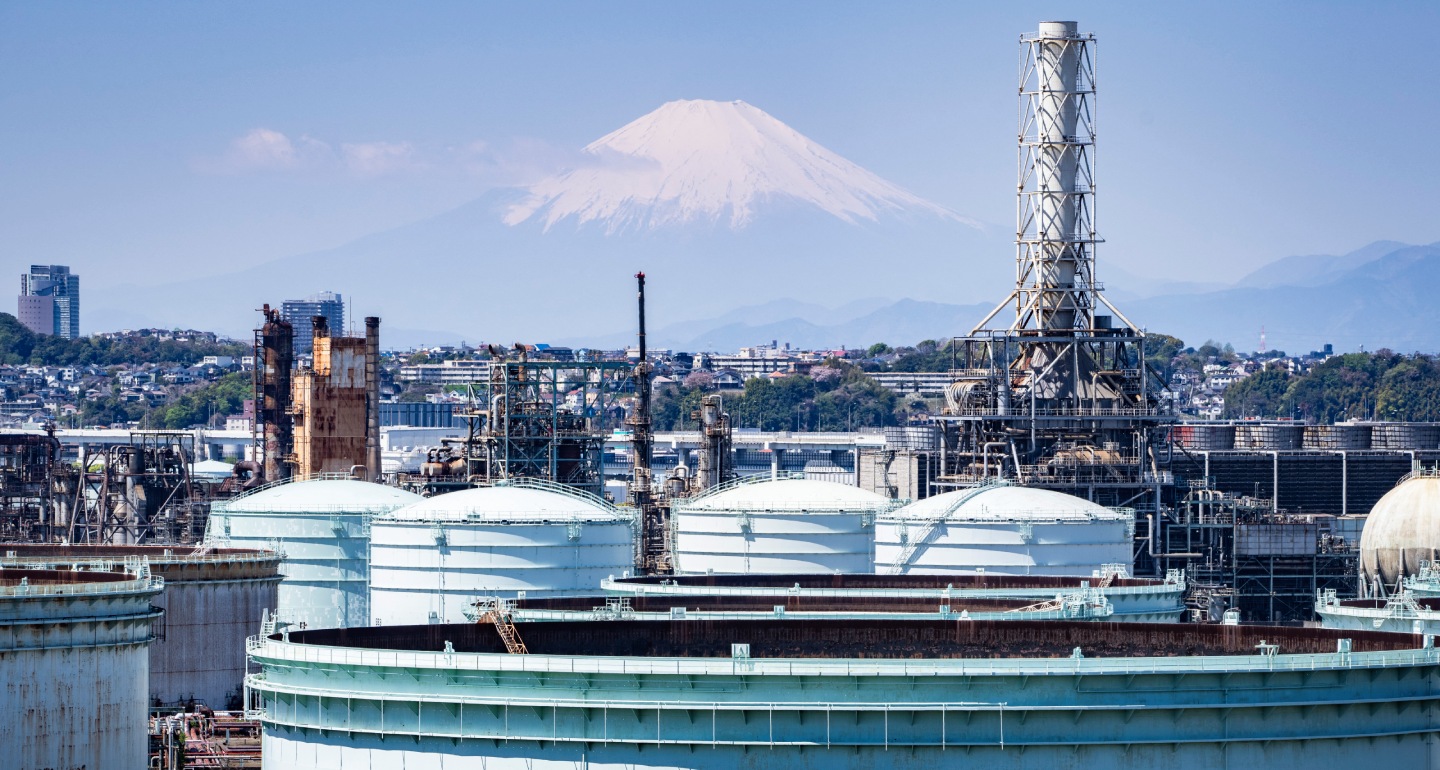
Tokyo would have to surmount a lot of obstacles—not least Western sanctions—if it wanted to return Russian oil imports to even modest pre-2022 volumes.
Vladislav Pashchenko
{
  "authors": [
    "Se Young Jang"
  ],
  "type": "other",
  "centerAffiliationAll": "dc",
  "centers": [
    "Carnegie Endowment for International Peace"
  ],
  "collections": [
    "Korean Peninsula"
  ],
  "englishNewsletterAll": "ctw",
  "nonEnglishNewsletterAll": "",
  "primaryCenter": "Carnegie Endowment for International Peace",
  "programAffiliation": "NPP",
  "programs": [
    "Nuclear Policy"
  ],
  "projects": [],
  "regions": [
    "East Asia",
    "South Korea"
  ],
  "topics": [
    "Nuclear Policy",
    "Nuclear Energy"
  ]
}
Source: Getty
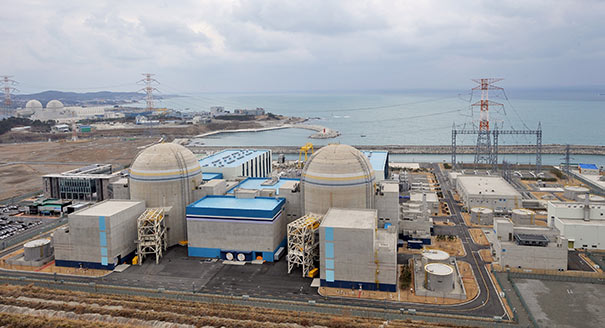
South Korean President Moon Jae-in’s announcement that he would resume the construction of two nuclear reactors which had been temporarily halted since mid-July will have a more complicated effect on South Korea’s long-term energy policy.
Source: Diplomat
South Korean President Moon Jae-in announced on October 22 that he would resume the construction of two nuclear reactors which had been temporarily halted since mid-July, accepting a deliberative poll in favor of the resumption. On the surface, this decision might be seen as a direct blow to Moon’s nuclear phase-out policy; however, this deliberative democratic process will have a more complicated effect on South Korea’s long-term energy policy. The majority of the respondents ironically supported restarting construction on the two plants and scaling down nuclear power generation at the same time. Such an ironic but eclectic decision made by citizens will contribute to managing a sharp conflict between pro- and anti-nuclear groups while giving some degree of domestic legitimacy to Moon’s long-term energy roadmap for a gradual nuclear phase-out.
South Korea is the fifth-largest producer of nuclear energy in the world, with its 24 reactors generating about a third of its electricity. During his presidential campaign early this year, Moon pledged to phase out coal and nuclear energy, mainly due to the public’s growing concerns about air pollution and nuclear safety. Instead, Moon vowed to increase the share of renewable energy up to 20 percent of total electricity generation by 2030. After taking office, Moon reconfirmed his campaign promise; in a speech to mark the permanent shutdown of Kori-1, South Korea’s oldest commercial nuclear reactor which went into operation in 1978, he declared, “We will abolish our nuclear-centered energy policy and move towards a nuclear-free era. We will completely scrap construction plans for new nuclear reactors that are currently under way.”
As of late May 2017, state-run nuclear operator Korea Hydro & Nuclear Power (KHNP) had five new nuclear reactors under construction; among them, three reactors were nearly complete while other two (Shin Kori no. 5 and no. 6) had been 28.8 percent done (10.4 percent in terms of actual construction) with roughly $1.4 billion already spent and estimated total losses (sunk costs) of $2.3 billion. Moon’s pursuit of “a nuclear-free era” made the fate of the two ongoing construction projects controversial, sparking heated debates between pro- and anti-nuclear campaigners in South Korea. Advocates for resuming the construction assured that the Shin Kori 5 and 6 would be “the most up-to-date version of the third-generation type, equipped with intensive safety features,” while opponents expressed their concerns about the location of these nuclear reactors in a highly-populated area, no matter how advanced safety measures would be.
This article was originally published in the Diplomat.
Former Nonresident Scholar, Nuclear Policy Program
Se Young Jang was a nonresident scholar in the Nuclear Policy Program at the Carnegie Endowment for International Peace.
Carnegie does not take institutional positions on public policy issues; the views represented herein are those of the author(s) and do not necessarily reflect the views of Carnegie, its staff, or its trustees.
Tokyo would have to surmount a lot of obstacles—not least Western sanctions—if it wanted to return Russian oil imports to even modest pre-2022 volumes.
Vladislav Pashchenko

Troubled by the growing salience of nuclear debates in East Asia, Moscow has responded in its usual way: with condemnation and threats. But by exacerbating insecurity, Russia is forcing South Korea and Japan to consider radical security options.

James D.J. Brown
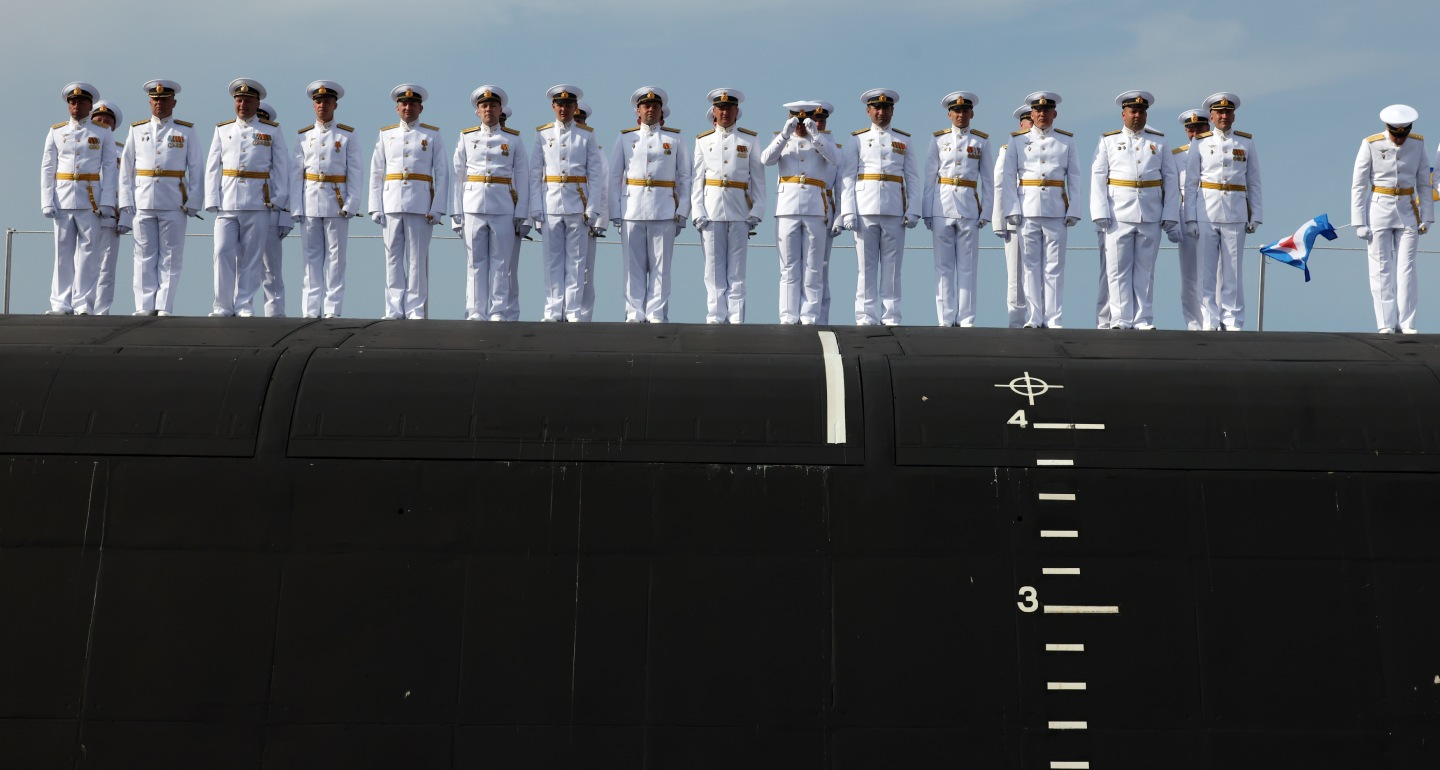
For Putin, upgrading Russia’s nuclear forces was a secondary goal. The main aim was to gain an advantage over the West, including by strengthening the nuclear threat on all fronts. That made growth in missile arsenals and a new arms race inevitable.
Maxim Starchak
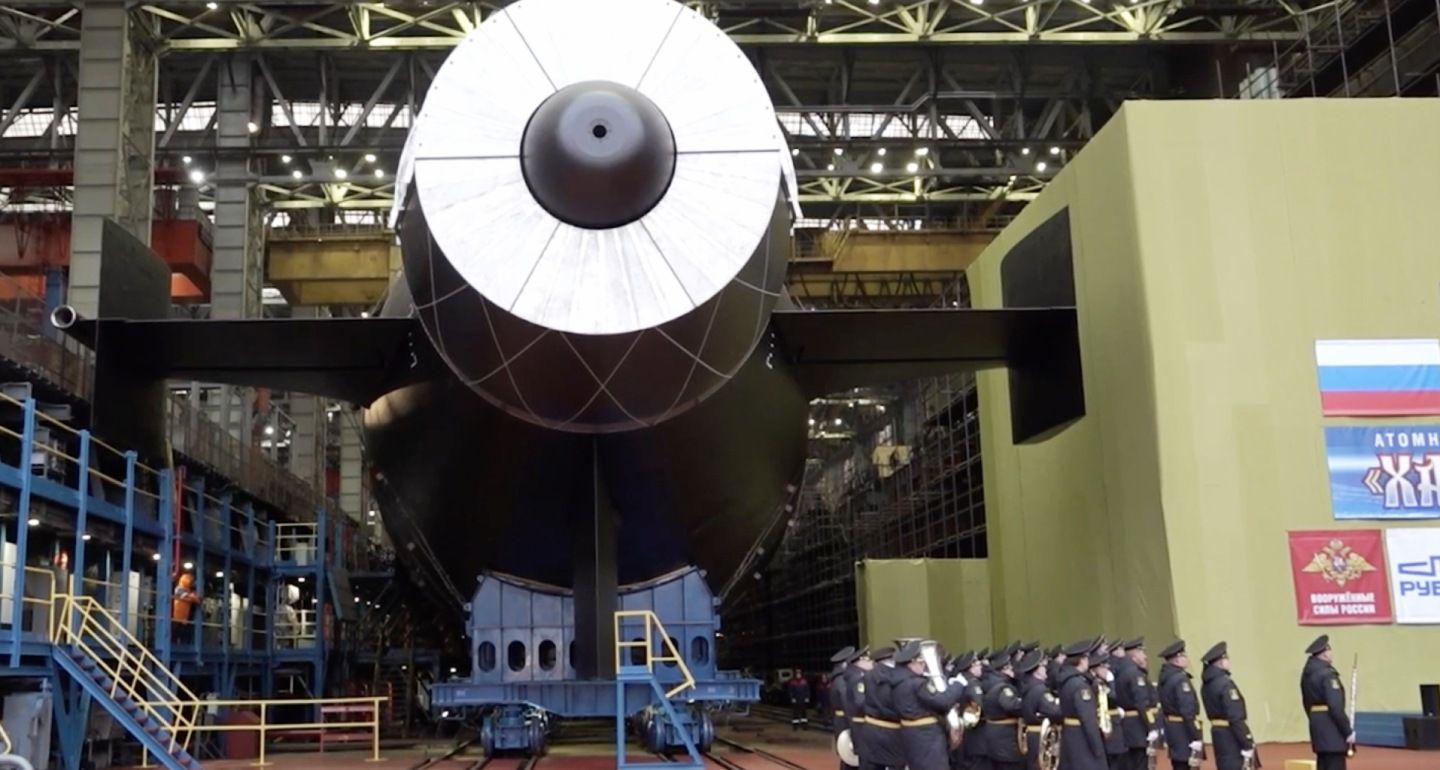
The Kremlin will only be prepared to negotiate strategic arms limitations if it is confident it can secure significant concessions from the United States. Otherwise, meaningful dialogue is unlikely, and the international system of strategic stability will continue to teeter on the brink of total collapse.
Maxim Starchak
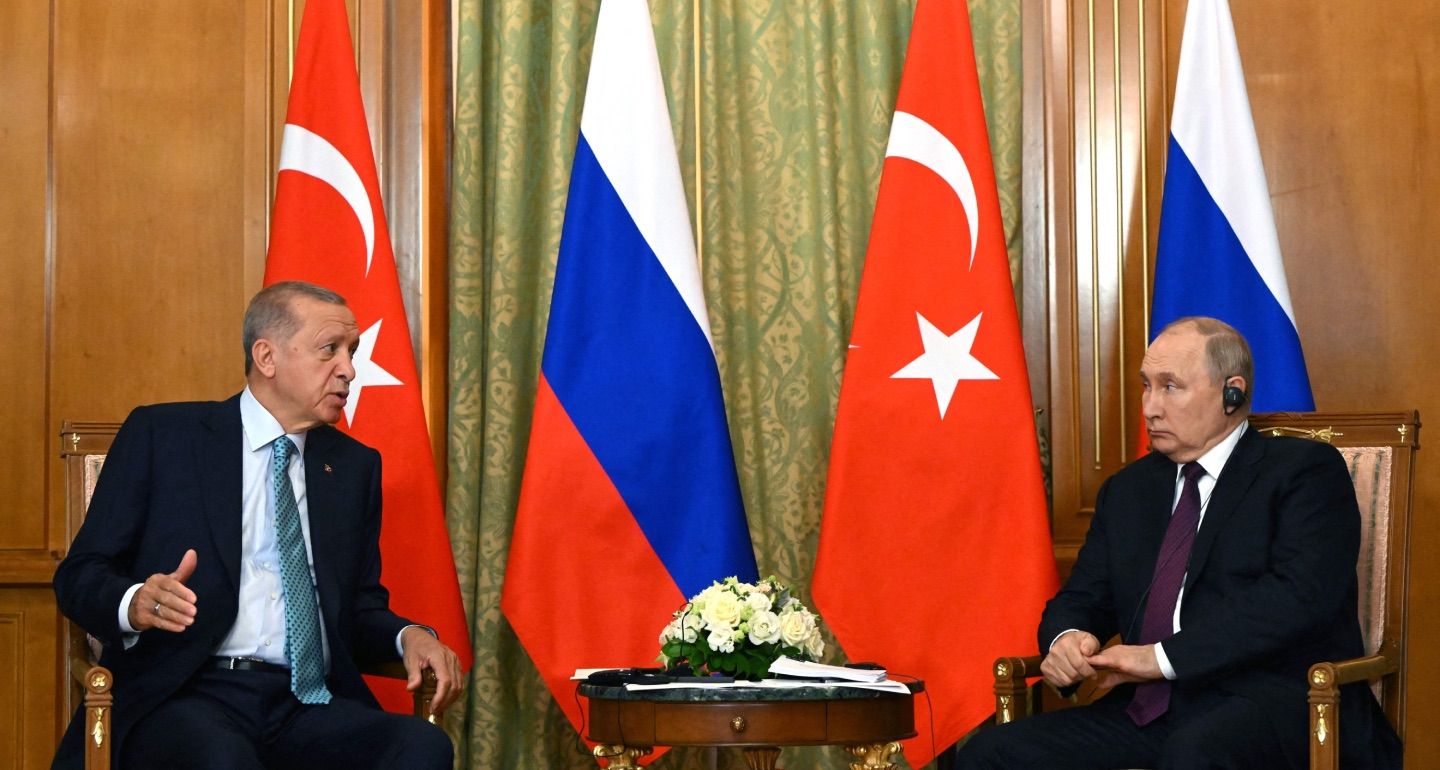
Mutual suspicion between Moscow and Ankara is growing as Türkiye cozies up to Washington and NATO while reducing its dependence on Russian energy.
Ruslan Suleymanov