

Q&A
Darshana M. Baruah, Satyendra Prasad, Denghua Zhang
{
  "authors": [
    "Darshana M. Baruah"
  ],
  "type": "legacyinthemedia",
  "centerAffiliationAll": "",
  "centers": [
    "Carnegie Endowment for International Peace",
    "Carnegie India"
  ],
  "collections": [
    "Bay of Bengal Initiative"
  ],
  "englishNewsletterAll": "",
  "nonEnglishNewsletterAll": "",
  "primaryCenter": "Carnegie India",
  "programAffiliation": "",
  "programs": [],
  "projects": [],
  "regions": [
    "South Asia",
    "India"
  ],
  "topics": [
    "Foreign Policy"
  ]
}
Source: Getty
Recent developments in maritime Asia have forced Delhi to re-examine its naval priorities.
Source: War on the Rocks
India’s military priorities are highlighted by its defense budget: the army funded at 55 percent, the air force at 23 percent, and the navy at a meager 15 percent. Since independence, troubles along India’s continental borders, including wars with China and Pakistan, have kept the country’s defense focused on its northern frontiers. A quiet maritime environment and a strong navy inherited from the British have allowed India to establish a prominent role in the Indian Ocean region without much effort.
In particular, the Andaman and Nicobar Islands have been neglected in Delhi’s strategic and political priorities, especially given their distance (approximately 1200 kilometers from the mainland). Priorities within the navy focused on strengthening India’s immediate coastline while the islands’ potential was something to be taken advantage of later. However, recent developments in maritime Asia have forced Delhi to re-examine its naval priorities, and the current government has started showing more enthusiasm for maritime security.

Former Nonresident Scholar, South Asia Program
Darshana M. Baruah was a nonresident scholar with the South Asia Program at the Carnegie Endowment for International Peace where she directs the Indian Ocean Initiative.
Recent Work

Darshana M. Baruah, Satyendra Prasad, Denghua Zhang
Darshana M. Baruah
Carnegie does not take institutional positions on public policy issues; the views represented herein are those of the author(s) and do not necessarily reflect the views of Carnegie, its staff, or its trustees.

This year’s wars have made alternative routes to transit through Russia no less risky for Central Asian countries.

Galiya Ibragimova
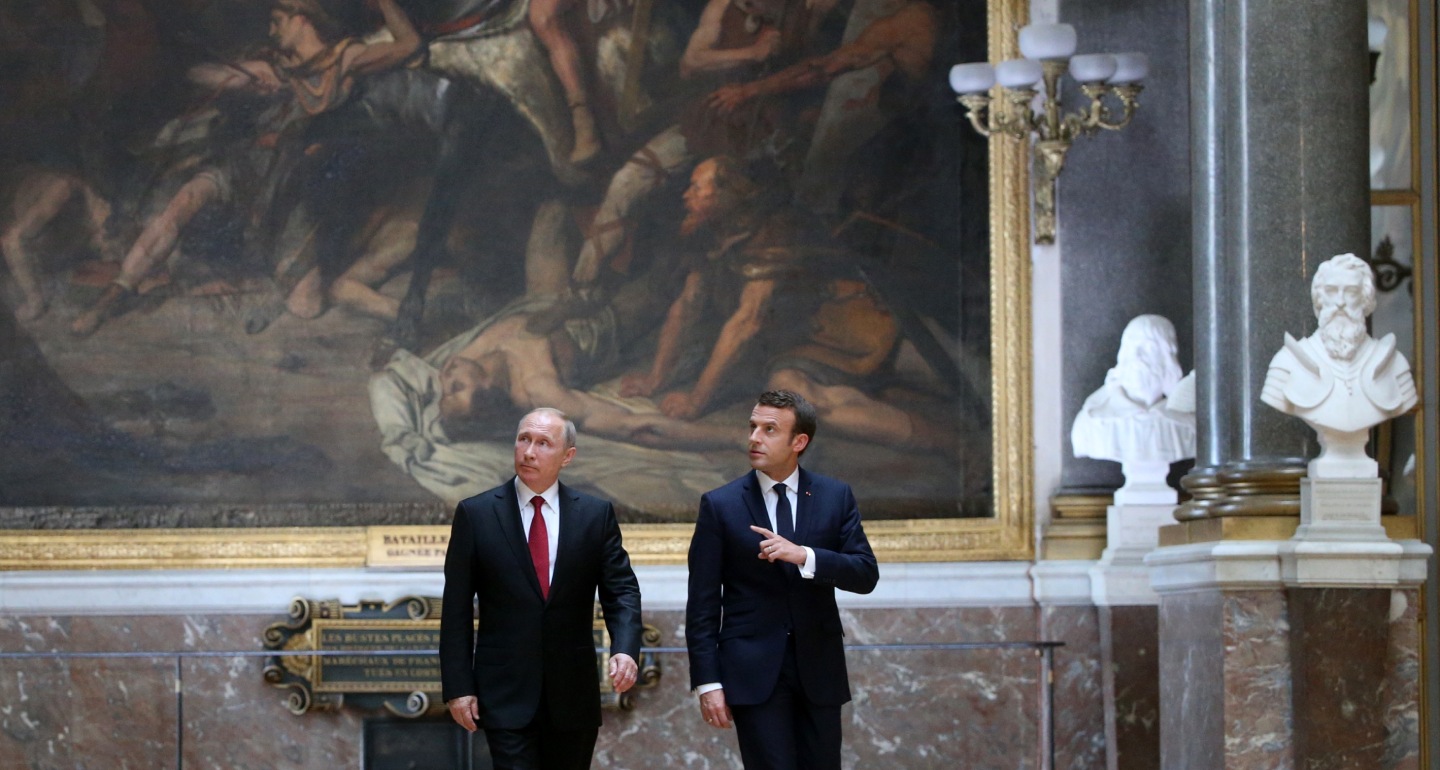
Reestablishing a dialogue with Moscow is not a goal in its own right. The goal is to guarantee the independence of Ukraine and the peace and security of Europe.
Arkady Moshes

By fueling the arguments of both supporters and opponents of Armenian Prime Minister Nikol Pashinyan, Azerbaijan wants to ensure he is re-elected with a weaker mandate.

Bashir Kitachaev
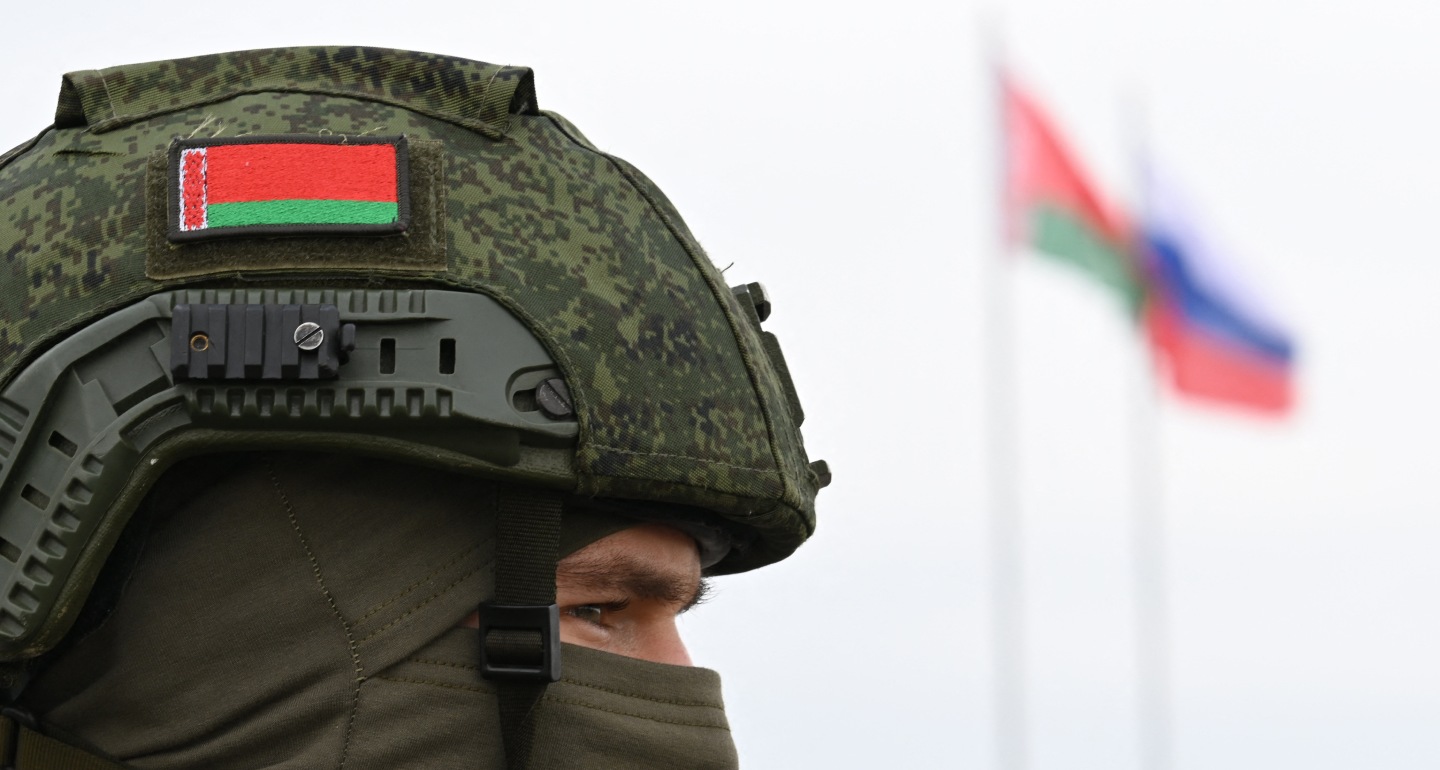
By reminding the world that Lukashenko is a threat to NATO and Ukraine, Kyiv is trying to return the focus to why the Belarusian regime needs to be contained rather than rewarded.

Artyom Shraibman

The demands of the Kremlin’s war in Ukraine, demographic problems, and public hostility toward Central Asians mean Russia does not have enough workers.

Salavat Abylkalikov