

Research
- +10
Rosa Balfour, Frances Z. Brown, Yasmine Farouk, …
{
  "authors": [
    "Moisés Naím"
  ],
  "type": "legacyinthemedia",
  "centerAffiliationAll": "",
  "centers": [
    "Carnegie Endowment for International Peace"
  ],
  "collections": [],
  "englishNewsletterAll": "",
  "nonEnglishNewsletterAll": "",
  "primaryCenter": "Carnegie Endowment for International Peace",
  "programAffiliation": "",
  "programs": [],
  "projects": [],
  "regions": [
    "North America",
    "United States",
    "Middle East"
  ],
  "topics": [
    "Political Reform",
    "Foreign Policy",
    "Religion"
  ]
}
Source: Getty
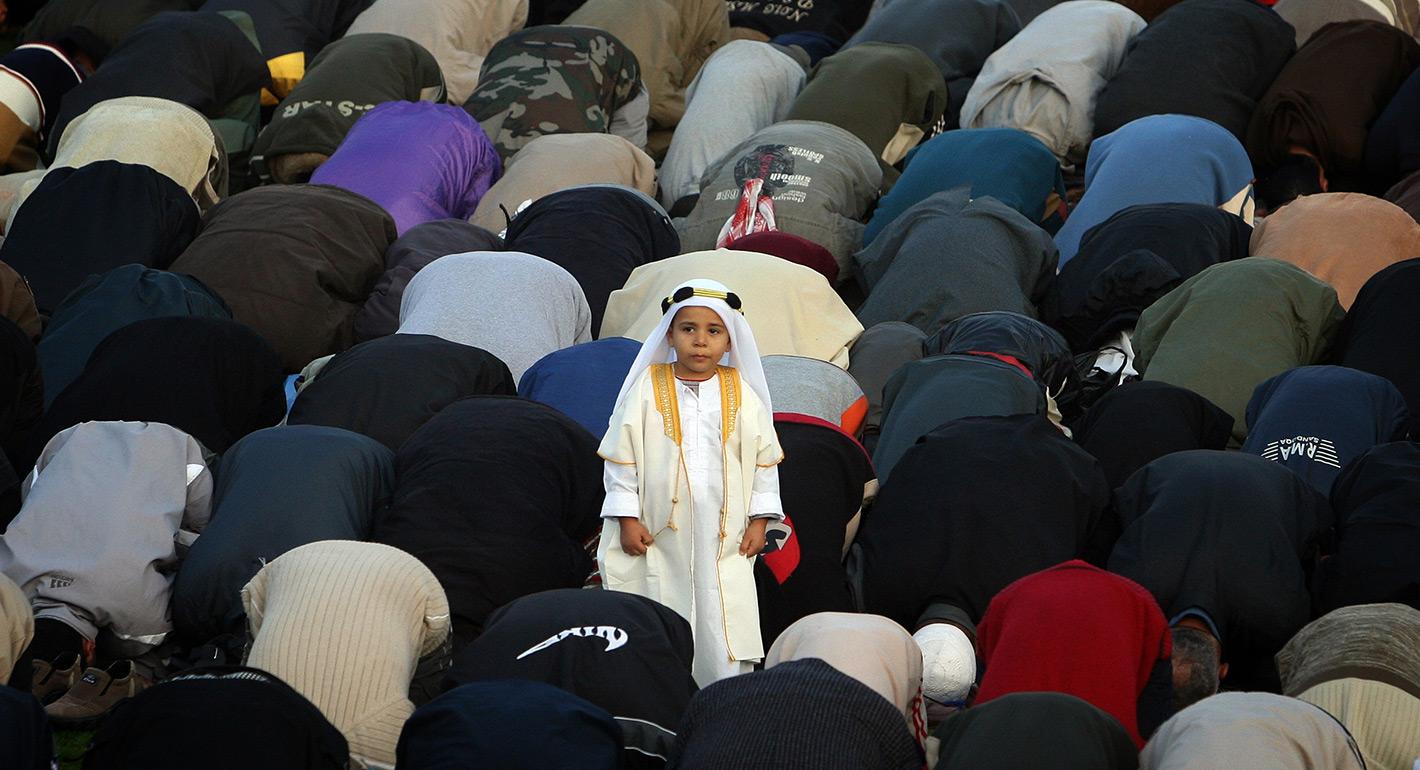
We need to better understand Islam and its current circumstances, practices and demographic outlook, and this is not just important for fighting terrorism.
Source: El País
That was the question posed on the cover of Newsweek magazine after the terrorist attacks of September 11, 2001. The headline nodded to the fact that all the perpetrators were Muslims with a deep hatred of the US and the West. The attacks provoked a massive military response from the US and its allies, as well as an intense debate about the causes of this hatred and how to confront it. The debate popularized the theory of a "clash of civilizations," suggesting that, in the new century, religion and culture – not ideologies like communism and capitalism – would be the primary sources of international conflict. This attack pitting Islam and the West was seen as evidence of this new world view.
In this century Islam will mold many of humanity’s most critical issues
But now we know that this theory was wrong. Instead of a clash between civilizations, what we really have is bloody clash within a civilization. And that civilization is Islam. The vast majority of the victims of terrorism worldwide are innocent Muslims murdered or wounded by radicalized Muslims. The attacks of Islamist terrorists against Europeans and Americans have been serious and remain a real threat. And the recent attack on the mosque in New Zealand is part of a new criminal activism by white supremacists. But the number of victims of Islamic terrorism in the US and Europe is significantly lower than the deaths caused by these terrorists in Muslim countries.
In order to successfully confront this terrorism, we need to better understand Islam and its current circumstances, practices and demographic outlook. This is not just important for fighting terrorism. In this century Islam will mold many of humanity’s most critical issues, from the fight against poverty to mass migration, and from the future of Africa and the Middle East to how to prepare hundreds of millions of young new workers for a workplace defined by the digital revolution. Sadly, it is also possible that new tragedies like those that have already occurred in Syria and Yemen and with the Rohingya people of Myanmar may occur.
Today there are 1.8 billion Muslims and they are the world’s fastest growing religious group. By the end of this century there will be more Muslims than Christians in the world, and by 2050, 10% of Europeans will be Muslims.
Now more than ever we need to fully understand Islam, its problems and its promise
Until the late 1990s, analysis of the role of Islam in economic performance had been mostly left to theologians, sociologists and political scientists. Today, however, more and more economists are applying the latest theories and methods to help us understand Islam’s impact. Timur Kuran, a professor at Duke University, has just published a comprehensive review of the relationship between Islam and the economy. The scope of this work is vast and impossible to summarize but the full text is in The Journal of Economic Literature.
One of the most critical questions is whether Islam retards economic development since countries with a predominantly Muslim population are, on average, poorer than the rest of the world. In 2017, the average income per person of the 57 member nations of the Organization of Islamic Cooperation (OIC) was $11,073 while that average for the rest of the world was $18,796. Moreover, in countries with Muslim majorities, life expectancies are lower and illiteracy higher. In countries such as India, where there are many different religions, Muslims tend to be the poorest group. The relative poverty of Muslims occurs both in countries where they are a minority and in those where they constitute the largest religious group. Nonetheless, Professor Kuran warns that although these data are suggestive, “On the whole, cross-country research on whether Islam harms growth is inconclusive.” After all, he correctly notes, the economies of the poor countries of South Asia and Latin America also suffer from a chronically mediocre economic performance.
Today there are 1.8 billion Muslims and they are the world’s fastest growing religious group
This review of scientific articles published since 1997 reveals other interesting results. For example, those who make the annual pilgrimage to Mecca bring home attitudes that favor economic growth and greater tolerance towards non-Muslims. Individuals whose mothers fasted while pregnant with them during Ramadan have shorter lives, poorer health, less mental acuity, lower educational attainment and poorer work performance. Islamic charities tend to favor the middle class over the poor. The rules that govern so-called "Islamic finance" have little effect on the financial behavior of Muslims. And the rulers of Muslim countries have contributed to the persistence of authoritarianism “by treating Islam as an instrument of governance.”
The study includes the explanations and data that support these conclusions as well as many other surprising findings. We need more and better studies of this kind. Now more than ever we need to fully understand Islam, its problems and its promise.

Distinguished Fellow
Moisés Naím is a distinguished fellow at the Carnegie Endowment for International Peace, a best-selling author, and an internationally syndicated columnist.
Recent Work



Rosa Balfour, Frances Z. Brown, Yasmine Farouk, …
Moisés Naím
Carnegie does not take institutional positions on public policy issues; the views represented herein are those of the author(s) and do not necessarily reflect the views of Carnegie, its staff, or its trustees.

If the Russian-speaking community in Latvia cannot articulate their interests without being seen as disloyal, they could end up embracing a pro-Kremlin agenda.

Sergejs Potapkins

Russia’s ruling party would have benefited from Putin appearing as its distant patron, but as an active frontman imposing his views on the public, he has done nothing but harm both the party’s election campaign and the ruling system overall.

Andrey Pertsev

In the tenth year of his presidency, President Mirziyoyev’s system is becoming even more personalized than that of his predecessor Karimov.

Galiya Ibragimova
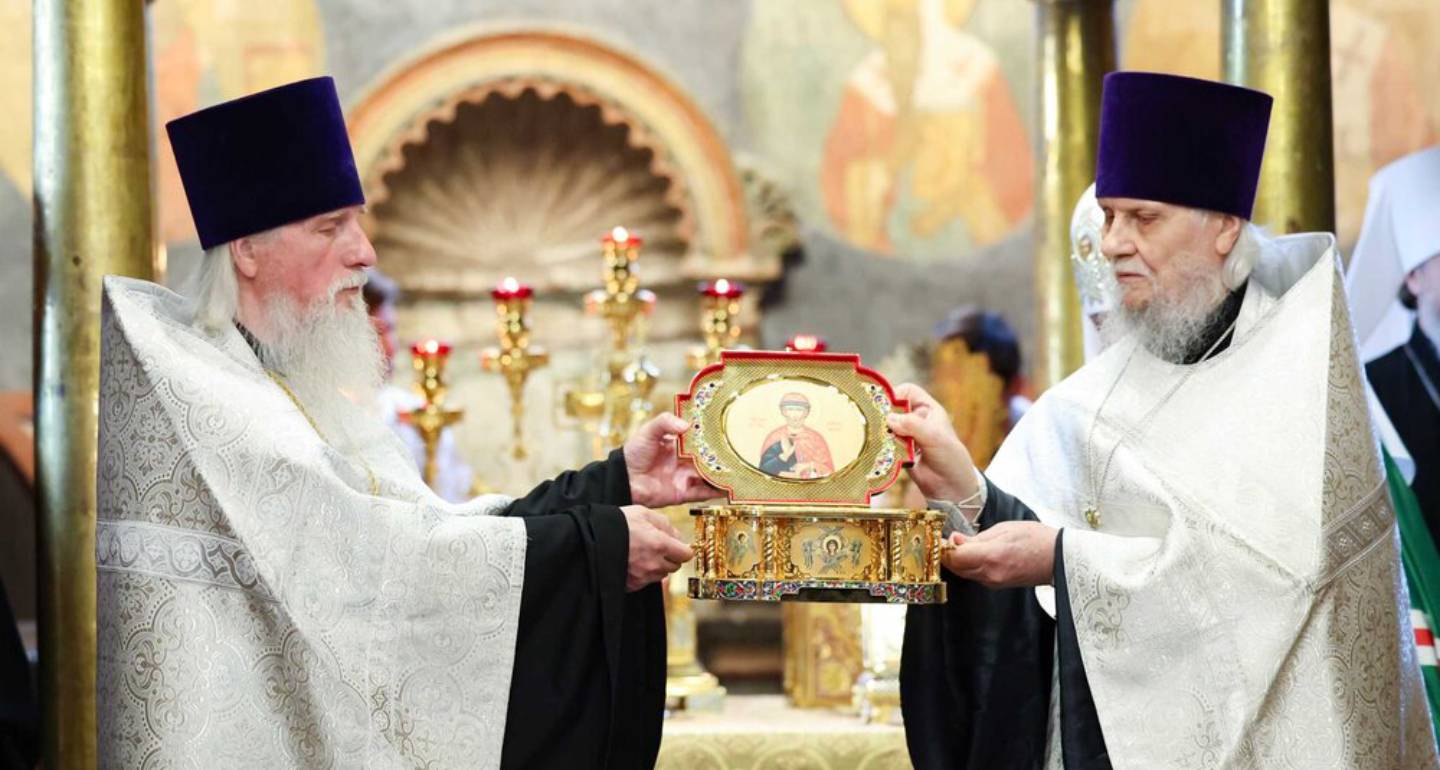
The recent uncovering of Dmitry Donskoy’s relics in the Cathedral of the Archangel is yet another attempt by the Russian Orthodox Church to help the state solve its problems. However, parroting the state’s version of Russian history leaves the Church with no message except “patriotism.”
Alexander Zanemonets

With the growth in points of friction between the great powers, organizations like the SCO will continue to play a role in the strategic adaptation of the smaller powers caught between them.

Temur Umarov