

Report
- +9
Richard Youngs, Erik Jones, Dan Baer, …
{
  "authors": [
    "Richard Youngs"
  ],
  "type": "other",
  "centerAffiliationAll": "dc",
  "centers": [
    "Carnegie Endowment for International Peace",
    "Carnegie Europe"
  ],
  "collections": [],
  "englishNewsletterAll": "democracy",
  "nonEnglishNewsletterAll": "",
  "primaryCenter": "Carnegie Europe",
  "programAffiliation": "DCG",
  "programs": [
    "Democracy, Conflict, and Governance"
  ],
  "projects": [
    "Civic Research Network"
  ],
  "regions": [
    "Middle East",
    "Asia",
    "Europe"
  ],
  "topics": [
    "Foreign Policy",
    "Democracy",
    "Political Reform"
  ]
}
Source: Getty
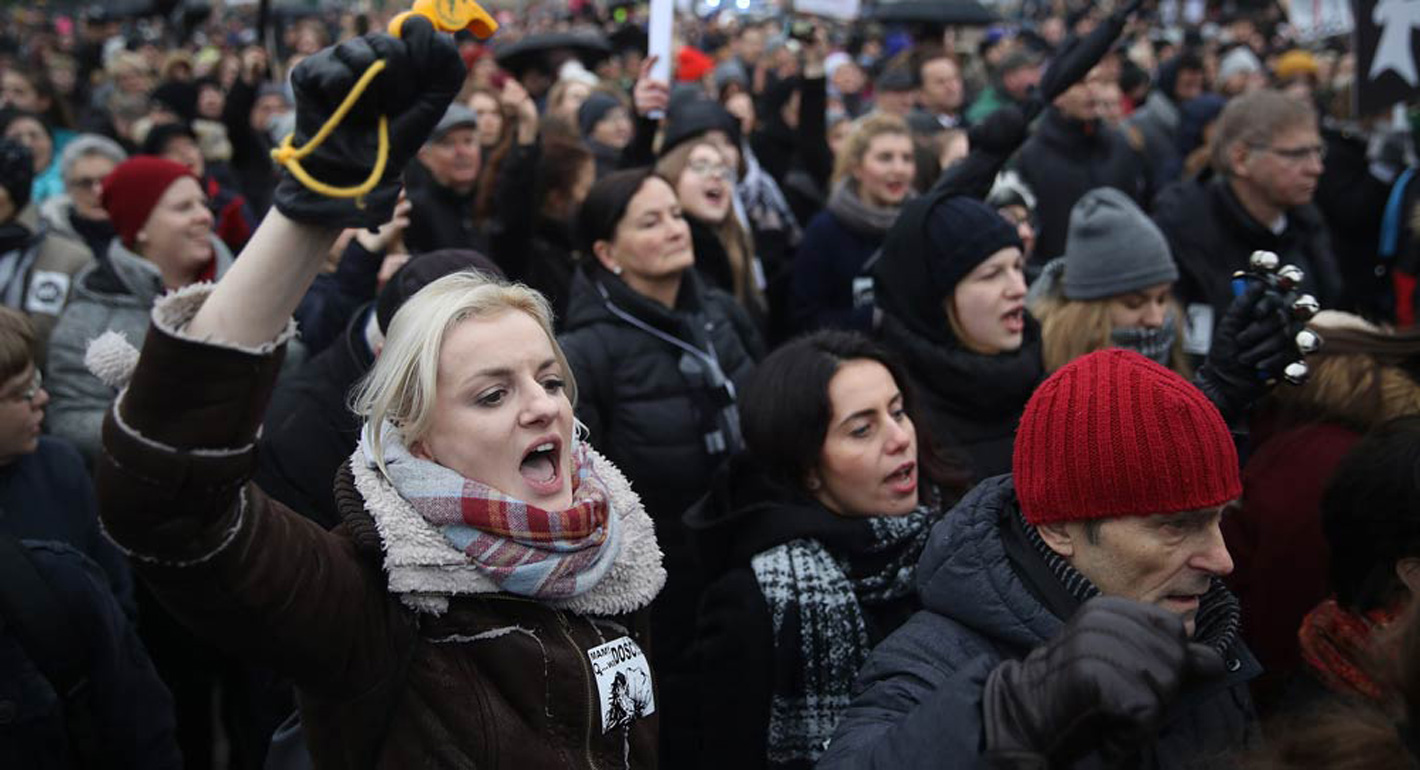
Protests like the ones in Hong Kong have proliferated around the world in recent years. But can they lead to lasting change?
Source: WorldAffairs
Protesters have recently flood downtown Hong Kong, winning concessions and even adding to their demands. Experts say protests like these have proliferated around the world in recent years. But can they lead to lasting change? On this episode of WorldAffairs, Richard Youngs discusses his new book, Civic Activism Unleashed: New Hope or False Dawn for Democracy?, and what the explosion of global civic activism says about the state of citizen discontent.

Senior Fellow, Democracy, Conflict, and Governance Program
Richard Youngs is a senior fellow in the Democracy, Conflict, and Governance Program, based at Carnegie Europe. He works on EU foreign policy and on issues of international democracy.
Recent Work
Richard Youngs, Erik Jones, Dan Baer, …

Richard Youngs, Thomas Carothers
Carnegie does not take institutional positions on public policy issues; the views represented herein are those of the author(s) and do not necessarily reflect the views of Carnegie, its staff, or its trustees.

In the discussions made possible by the State Duma election campaign, one question is being asked more and more loudly. “What next?”

Andrey Pertsev

When faced with fuel shortages in the past, Central Asian governments could always count on additional supplies from Moscow. That safety net no longer exists.

Galiya Ibragimova

Two divergent trends—Putin’s hardline vision of how to prosecute the war in Ukraine, and a growing desire for change in Russia—could tear the regime apart.

Tatiana Stanovaya
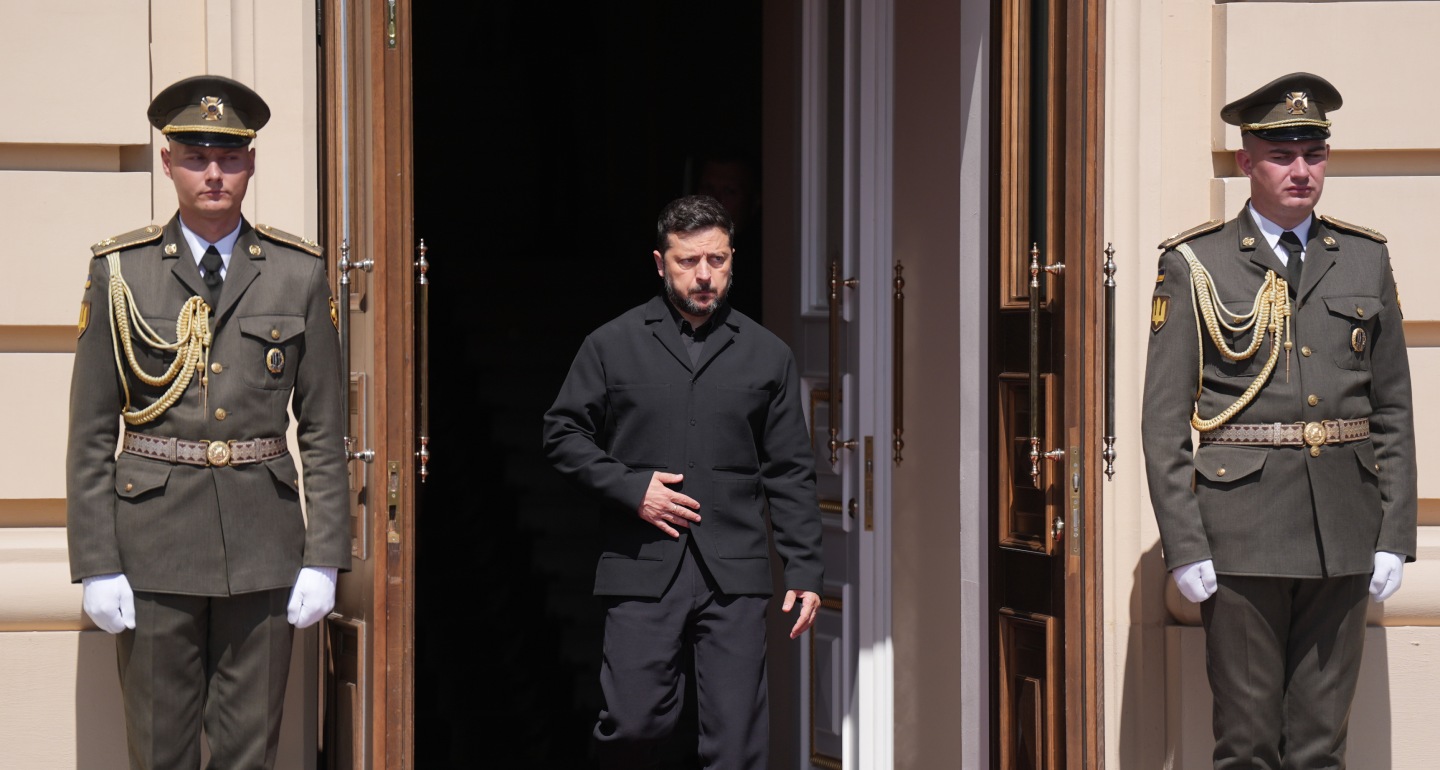
Ultimately, Zelensky sided neither with the reform camp nor with the military establishment as such, but with political control.

Balázs Jarábik
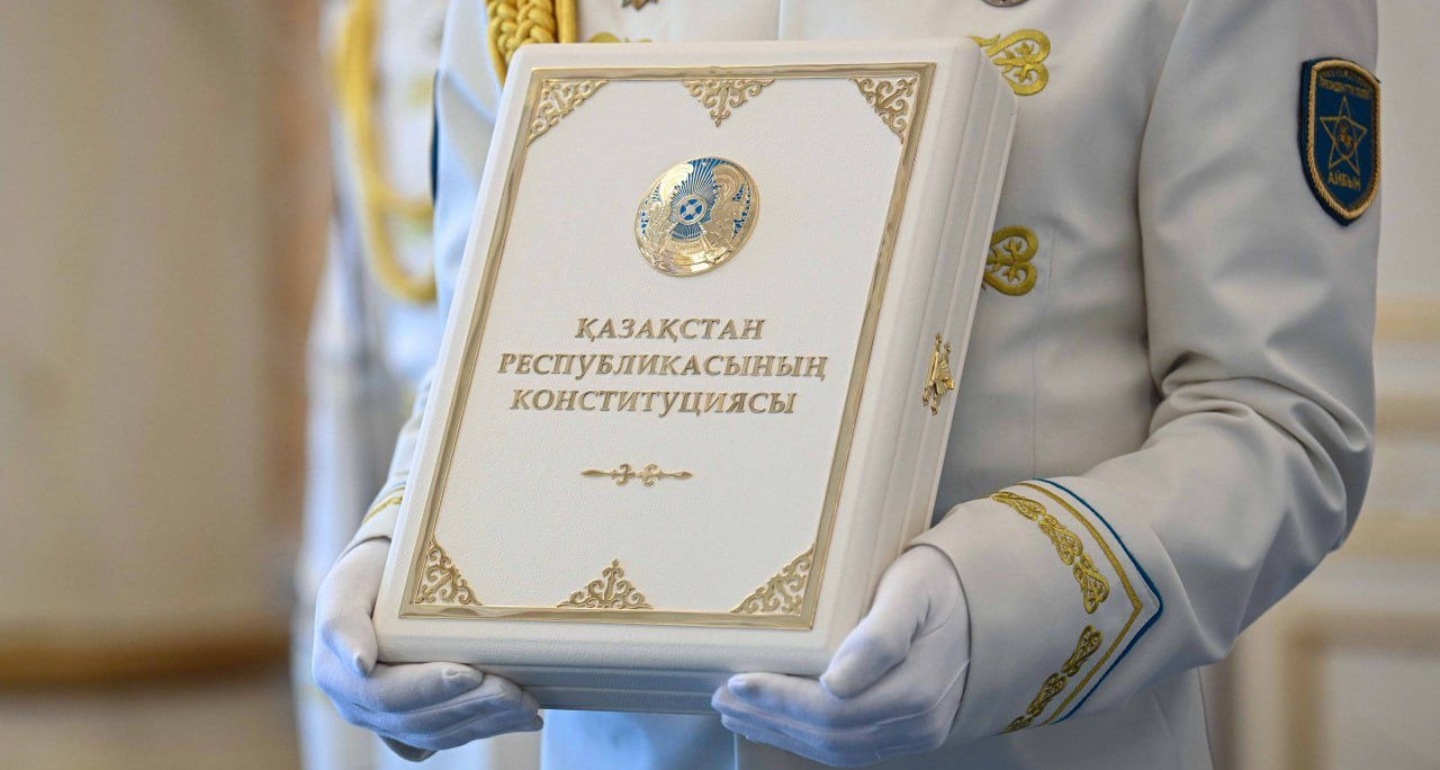
Tokayev’s predecessor, Nursultan Nazarbayev, outlined arrangements for a power transition too soon and in too much detail, ultimately losing control over the process. Tokayev is determined not to meet the same fate.

Temur Umarov