

Commentary
Jamie Kwong, Toby Dalton
{
  "authors": [
    "Toby Dalton"
  ],
  "type": "other",
  "centerAffiliationAll": "dc",
  "centers": [
    "Carnegie Endowment for International Peace"
  ],
  "collections": [
    "Korean Peninsula"
  ],
  "englishNewsletterAll": "ctw",
  "nonEnglishNewsletterAll": "",
  "primaryCenter": "Carnegie Endowment for International Peace",
  "programAffiliation": "NPP",
  "programs": [
    "Nuclear Policy"
  ],
  "projects": [],
  "regions": [
    "East Asia",
    "South Korea",
    "Japan"
  ],
  "topics": [
    "Nuclear Policy"
  ]
}
Source: Getty
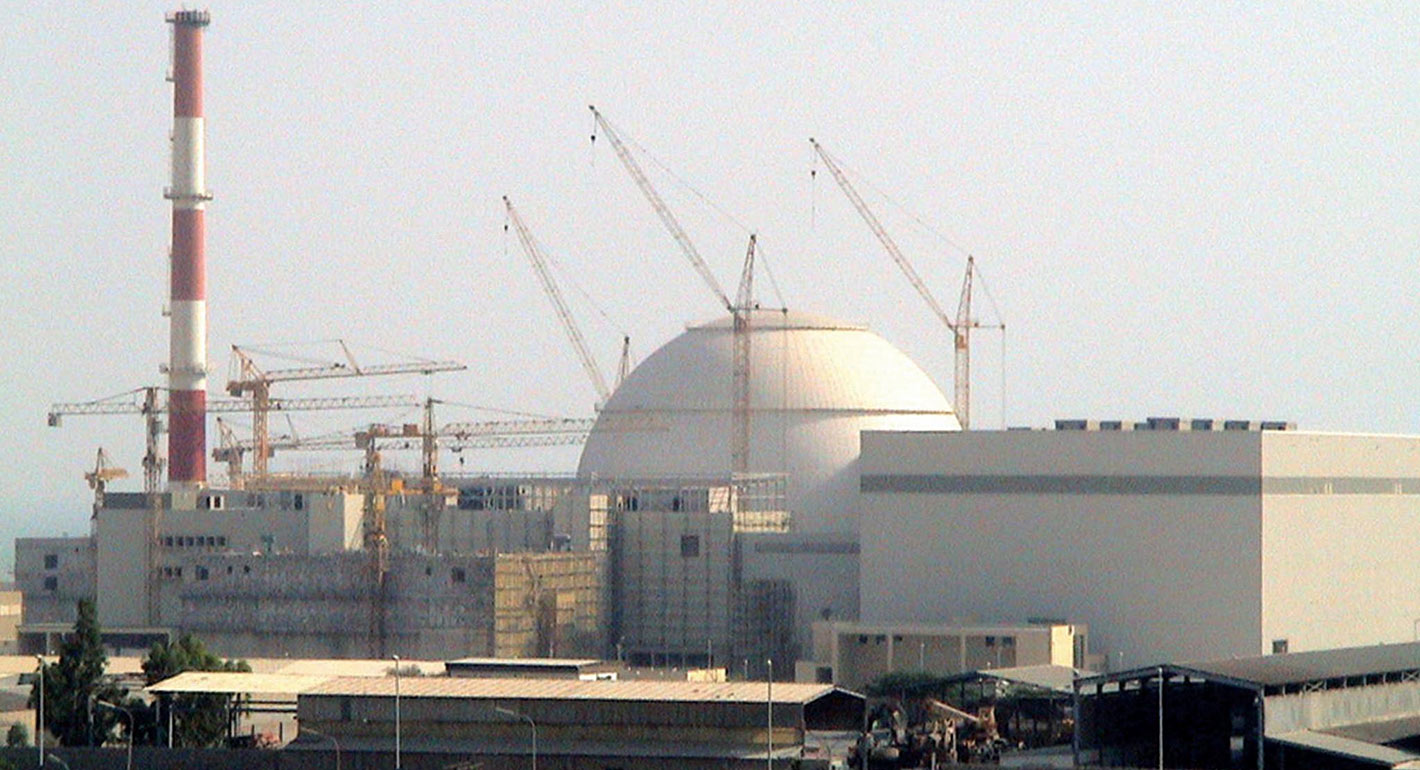
Japan and South Korea have long been identified as likely cases of future nuclear weapon proliferation. Why have leaders of both states eschewed the pursuit of nuclear weapons?
Source: Wilson Center
Western analysts have long identified South Korea and Japan as likely cases of future nuclear weapon proliferation. Recent scholarship on the region backs up this concern, and with obvious reason. In light of increasing nuclear threats from North Korea, and the fact that both Japan and South Korea have advanced nuclear-energy programs, both of the latter states have the motive and means to develop nuclear weapons. Yet, until now, leaders of both states have eschewed decisions to develop nuclear weapons, and have not taken other preliminary steps that would translate nuclear latency into more active hedging. Why is this the case? What does this imply for the study of nuclear latency and hedging? And what are possible policy implications for states seeking to manage nuclear latency among advanced nuclear energy powers?
Keeping a broader definition of nuclear latency and hedging in mind, what indicators should analysts focus on regarding Japan and South Korea? How much weight should be accorded technical factors relating to nuclear capability versus broader political-security issues tied to possible proliferation intent? Historical context is important, of course. The Japanese government on several occasions has ordered studies on the question of nuclear acquisition. Public reporting on these studies suggests that in each instance, there has been no decision to pursue the matter further. Meanwhile, South Korea had active ambitions and even plans to develop nuclear weapons in the 1970s. By the early 1980s, U.S. pressure and issues surrounding the change of regimes had stopped these efforts, but subsequent revelations of unsafeguarded research on plutonium and highly enriched uranium in the 1990s and early 2000s, respectively, created suspicions that Seoul’s nuclear-weapon interest had never gone away entirely. Nevertheless, both countries are signatories to the NPT and are in compliance with their myriad institutional and treaty obligations. Japan remains committed to operating a closed nuclear fuel cycle, while South Korea continues work to develop an industrial reprocessing capability, all under integrated IAEA safeguards. They are also active participants in numerous international efforts to promote effective nonproliferation, nuclear security, and nuclear safety practices. Yet, as noted at the outset, both states’ technical capabilities and the difficult security environment in East Asia drives regular speculation and even prognostication that one of them may transition its nuclear program toward weapon hedging or even outright acquisition. The reasons for such speculation are many and varied, but are worth exploring in some detail.

Senior Fellow and Co-director, Nuclear Policy Program
Toby Dalton is a senior fellow and co-director of the Nuclear Policy Program at the Carnegie Endowment. An expert on nonproliferation and nuclear energy, his work addresses regional security challenges and the evolution of the global nuclear order.
Recent Work

Jamie Kwong, Toby Dalton

Ariel (Eli) Levite, Toby Dalton
Carnegie does not take institutional positions on public policy issues; the views represented herein are those of the author(s) and do not necessarily reflect the views of Carnegie, its staff, or its trustees.
The truth is that Japan’s government is seeking a degree of reengagement but at a vastly reduced level than under Abe. Most significantly, Japan has shown no willingness to ease sanctions.

James D.J. Brown
Tokyo would have to surmount a lot of obstacles—not least Western sanctions—if it wanted to return Russian oil imports to even modest pre-2022 volumes.

Vladislav Pashchenko
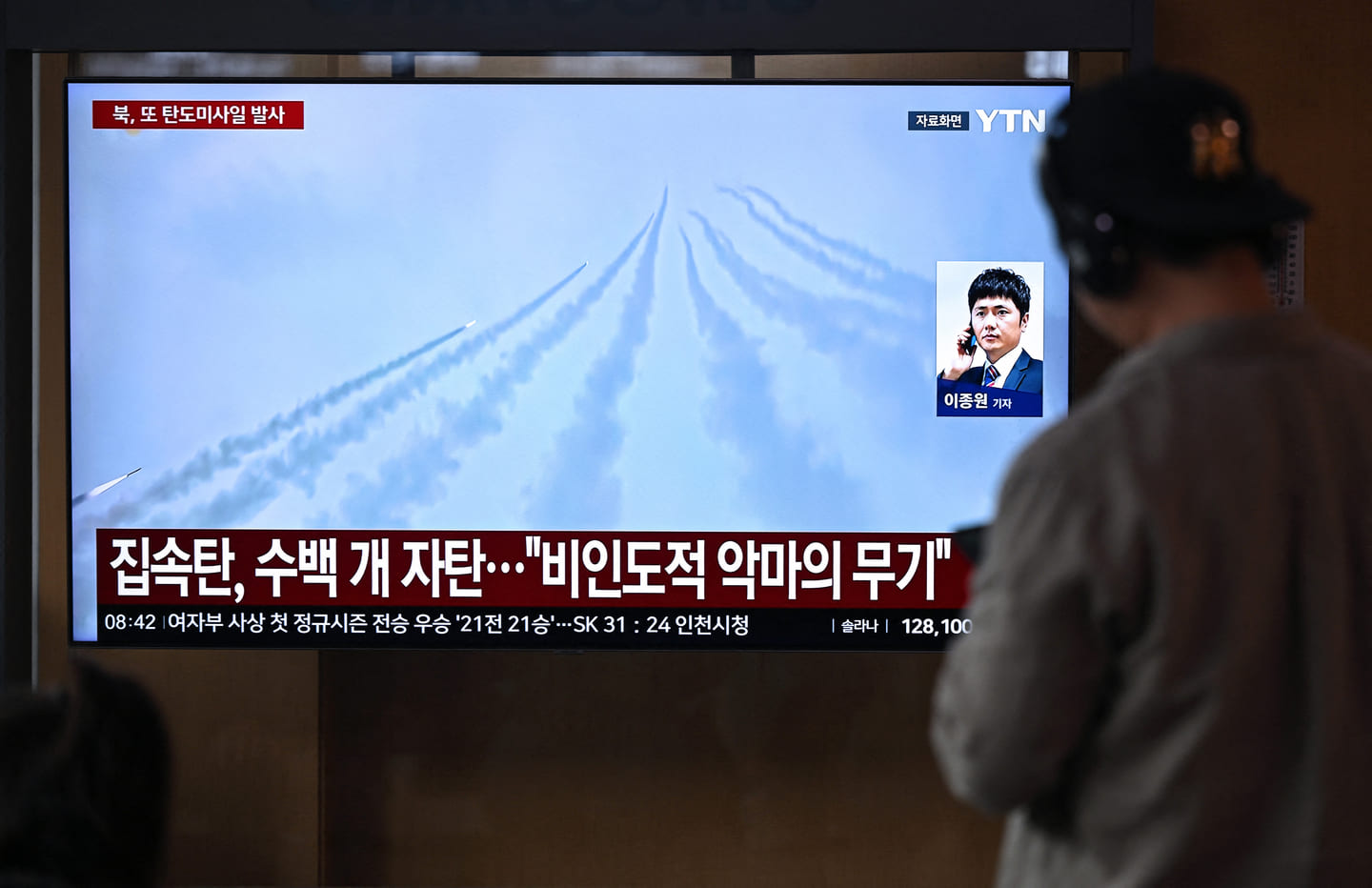
Troubled by the growing salience of nuclear debates in East Asia, Moscow has responded in its usual way: with condemnation and threats. But by exacerbating insecurity, Russia is forcing South Korea and Japan to consider radical security options.
James D.J. Brown
For Putin, upgrading Russia’s nuclear forces was a secondary goal. The main aim was to gain an advantage over the West, including by strengthening the nuclear threat on all fronts. That made growth in missile arsenals and a new arms race inevitable.

Maxim Starchak
For a real example of political forces engaged in the militarization of society, the Russian leadership might consider looking closer to home.
James D.J. Brown