

Commentary
- +11
Cornelius Adebahr, Dan Baer, Rosa Balfour, …
{
  "authors": [
    "Erik Brattberg"
  ],
  "type": "legacyinthemedia",
  "centerAffiliationAll": "",
  "centers": [
    "Carnegie Endowment for International Peace"
  ],
  "collections": [],
  "englishNewsletterAll": "",
  "nonEnglishNewsletterAll": "",
  "primaryCenter": "Carnegie Endowment for International Peace",
  "programAffiliation": "",
  "programs": [],
  "projects": [],
  "regions": [
    "North America",
    "United States",
    "Western Europe"
  ],
  "topics": [
    "Foreign Policy"
  ]
}
Source: Getty
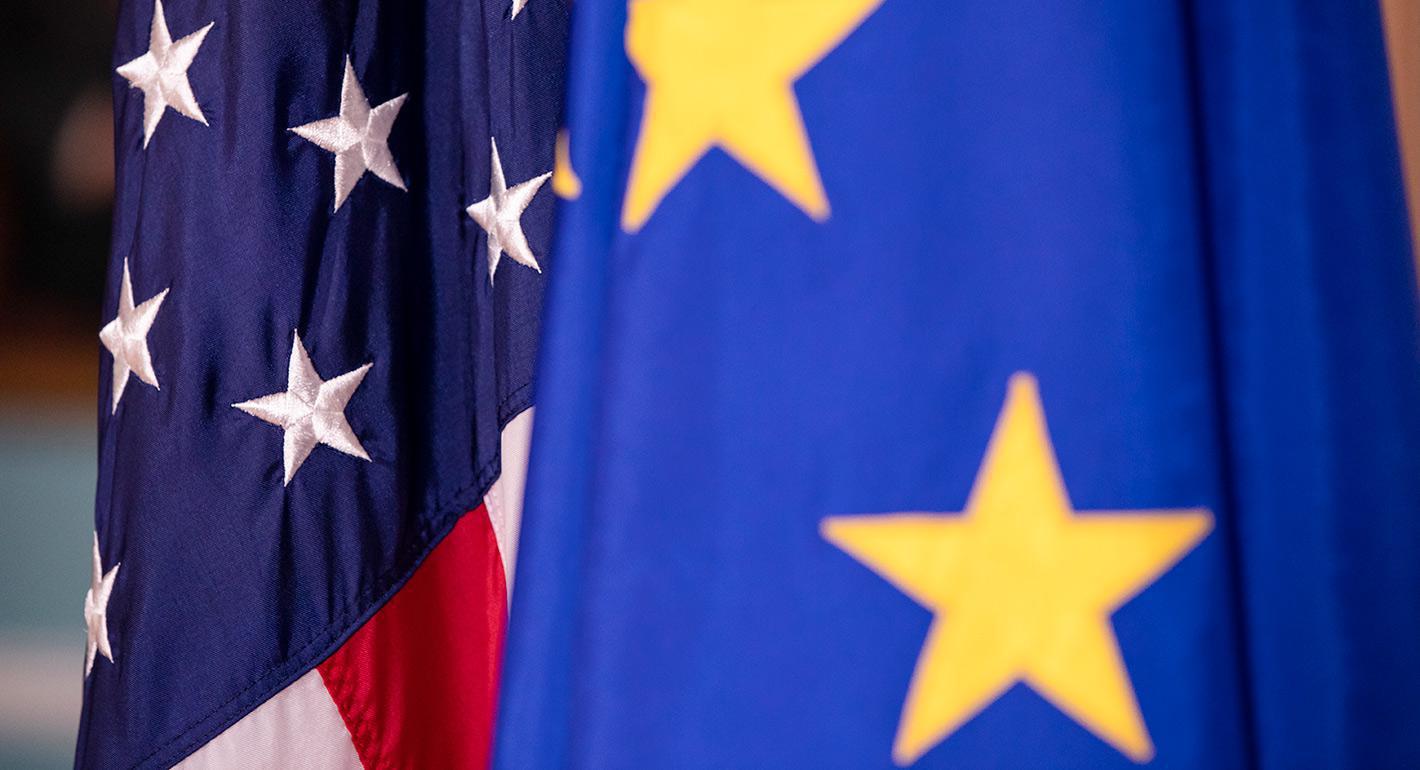
Having already deteriorated significantly since President Donald Trump assumed office in 2017, the transatlantic relationship is now at risk of being further weakened during the coronavirus.
Source: Confrontations Europe
The Covid-19 pandemic is challenging international cooperation. This is notably the case of the already damaged relationship between the EU and the United States, since Donald Trump halted travels from Europe to US on March 11. Is the coronavirus crisis going to durably dash an already overstretched transatlantic link ? Read senior analyst Erik Brattberg’s insights.
Having already deteriorated significantly since President Donald Trump assumed office in 2017, the transatlantic relationship is now at risk of being further weakened during the coronavirus. Rather than serving as an impetus to restore the battered relationship between Washington and European capitals, the presence of the global pandemic is accelerating already existing negative transa-tlantic trends. If Trump is reelected in November, he will likely continue to double down on his “America First” foreign policy, skepticism of multilateralism, and trade protectionism, giving rise to further European disaffection with his administration’s leadership.
This article was originally published in Confrontations Europe.

Former Director, Europe Program, Fellow
Erik Brattberg was director of the Europe Program and a fellow at the Carnegie Endowment for International Peace in Washington. He is an expert on European politics and security and transatlantic relations.
Recent Work


Cornelius Adebahr, Dan Baer, Rosa Balfour, …

Erik Brattberg, Philippe Le Corre, Paul Stronski, …
Carnegie does not take institutional positions on public policy issues; the views represented herein are those of the author(s) and do not necessarily reflect the views of Carnegie, its staff, or its trustees.

With the growth in points of friction between the great powers, organizations like the SCO will continue to play a role in the strategic adaptation of the smaller powers caught between them.

Temur Umarov

When faced with fuel shortages in the past, Central Asian governments could always count on additional supplies from Moscow. That safety net no longer exists.

Galiya Ibragimova
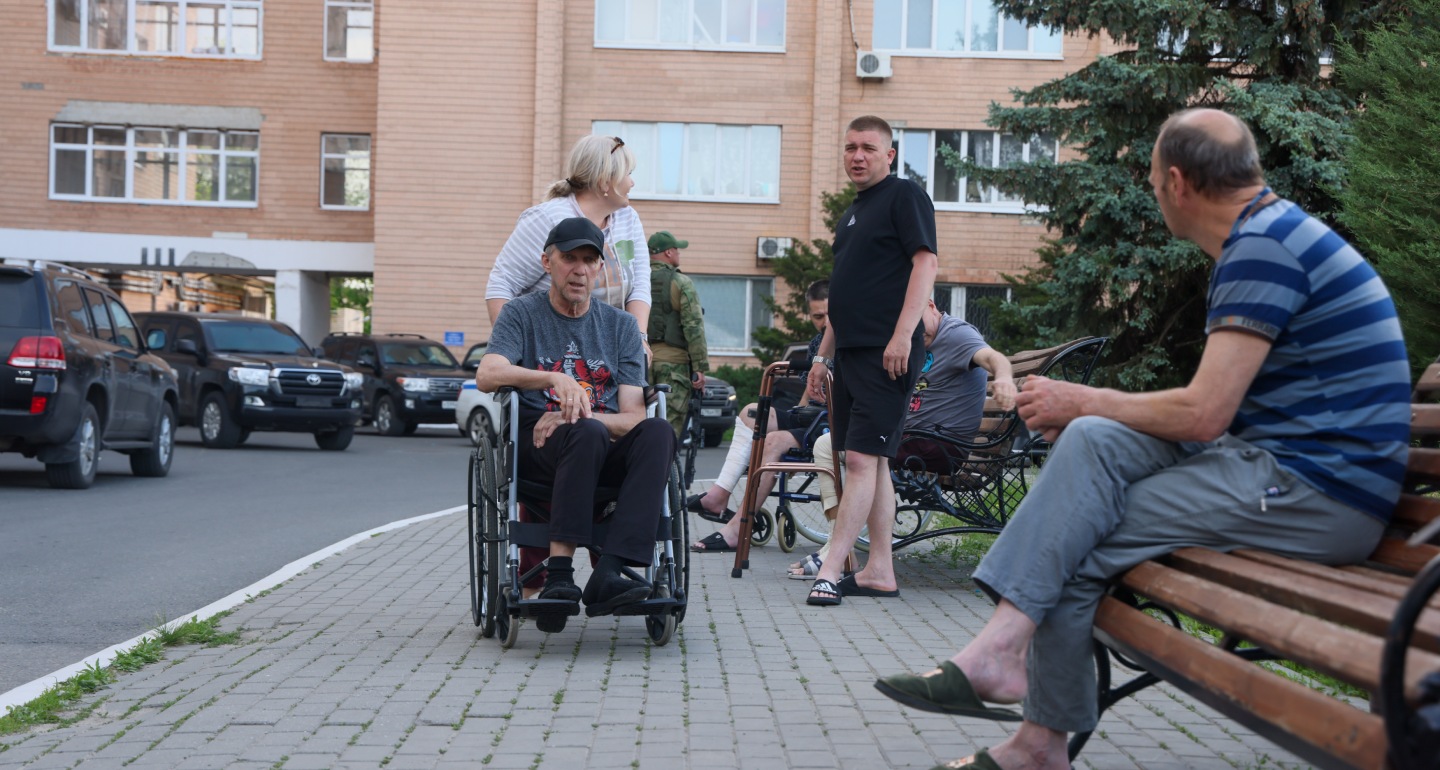
Despite unhappiness on the ground, Moscow is determined to use both carrot and stick to ensure there is record support for United Russia in occupied Ukraine.

Konstantin Skorkin
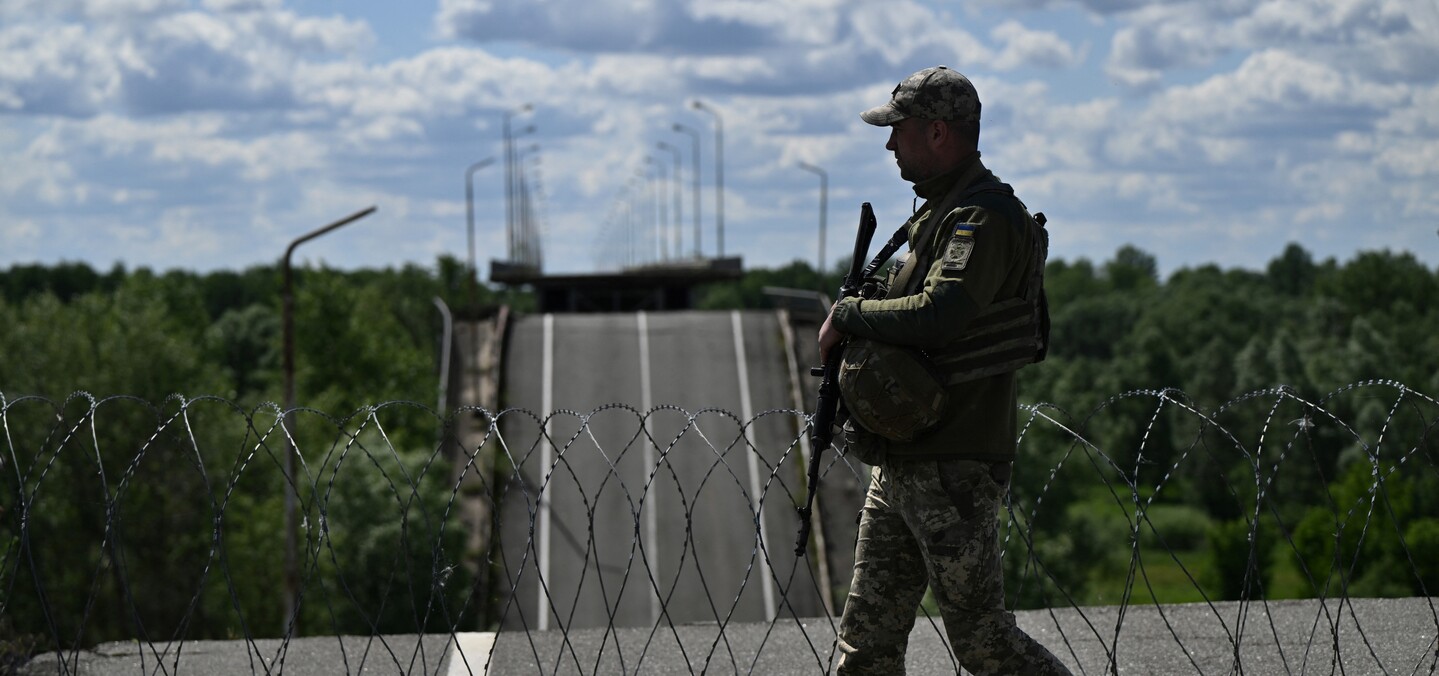
The recent damage inflicted by Ukrainian drones and missiles on Russia has made Belarus aware of its own vulnerabilities—and surprisingly amenable to Kyiv’s demands.

Artyom Shraibman
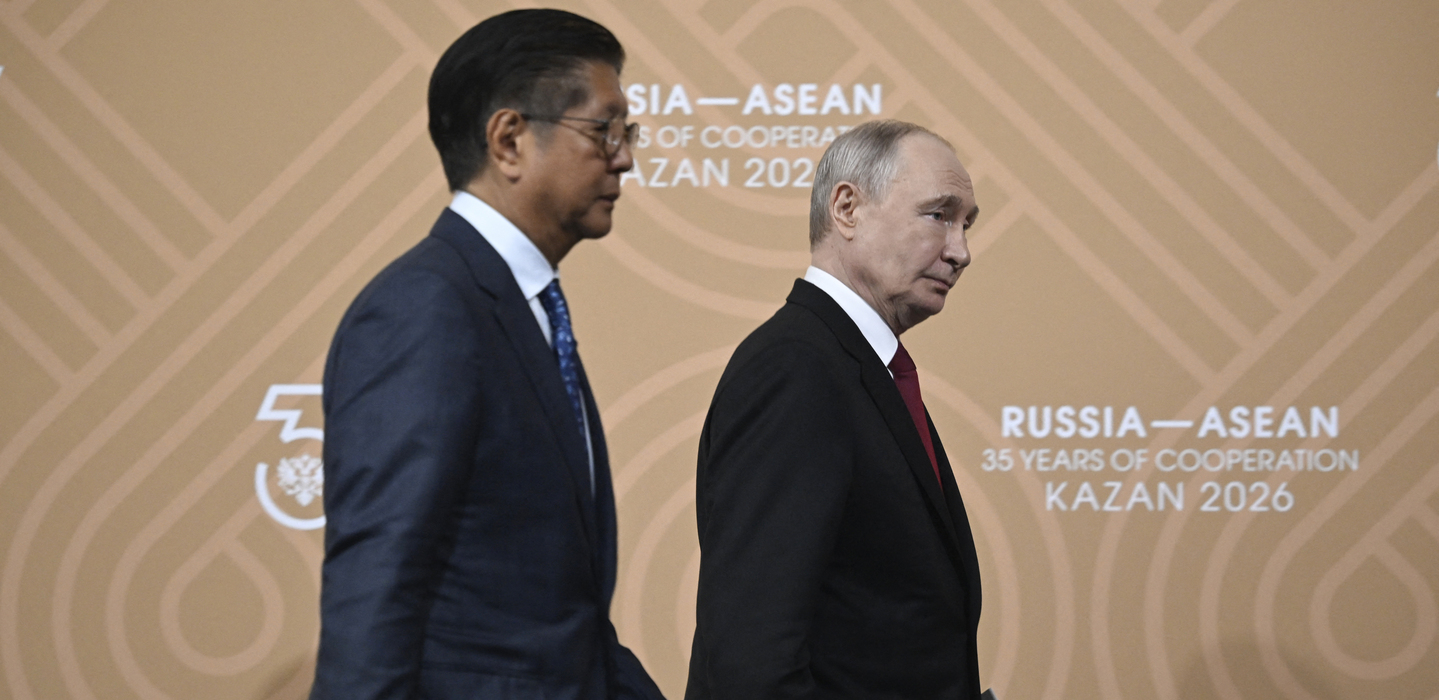
Russia looks set to reap economic benefits from closer ties with Southeast Asian countries that are keen to find reliable energy suppliers and diversify trade ties.

Alexander Gabuev