

Other
- +18
James M. Acton, Saskia Brechenmacher, Cecily Brewer, …
{
  "authors": [
    "Tong Zhao"
  ],
  "type": "other",
  "centerAffiliationAll": "",
  "centers": [
    "Carnegie Endowment for International Peace",
    "Carnegie China"
  ],
  "collections": [],
  "englishNewsletterAll": "",
  "nonEnglishNewsletterAll": "",
  "primaryCenter": "Carnegie China",
  "programAffiliation": "",
  "programs": [],
  "projects": [],
  "regions": [],
  "topics": [
    "Arms Control",
    "Security"
  ]
}
Source: Getty
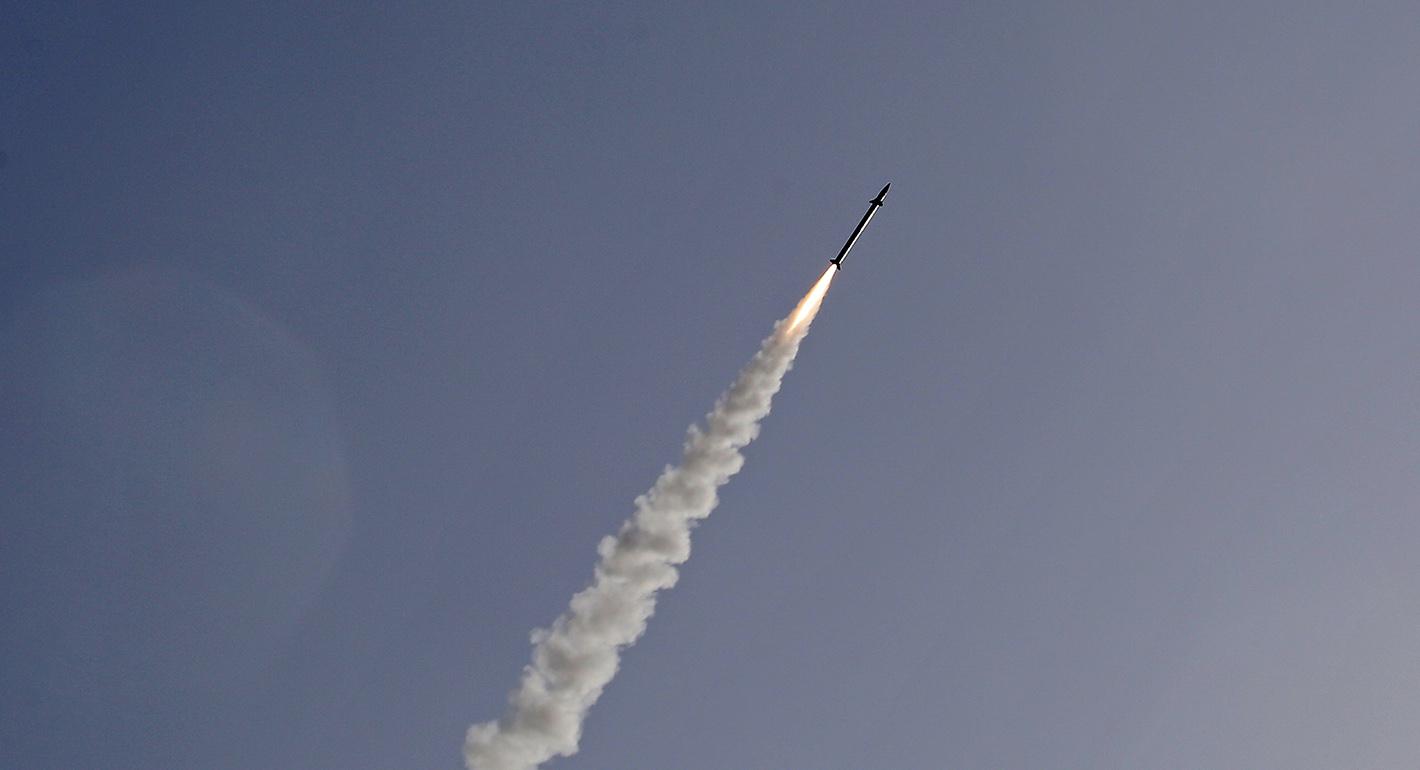
The international debate about nuclear risk has catalogued many different kinds of risk and danger. But two stand out as especially salient: the risk of the nuclear arms race and the risk of employment of nuclear weapons arising out of a conventional conflict.
Source: Center for Global Security Research, Lawrence Livermore National Laboratory
The international debate about nuclear risk has catalogued many different kinds of risk and danger. But two stand out as especially salient: the risk of the nuclear arms race and the risk of employment of nuclear weapons arising out of a conventional conflict. The five nuclear weapon states (NWS) have a special responsibility to contain these risks. They also have a responsibility to try to manage the risk posed by nuclear proliferation. Constructive action by the five is both necessary and possible. But they face many challenges to such action, including the limits on their ability to cooperate given their wariness of each other.
This essay explores four areas to focus improved NWS cooperation to reduce nuclear risk. These include efforts to:
Prevent decoupling of NWS nuclear policy communities
Frame principles for cooperative nuclear risk reduction
Address areas of concern about future strategic military balances
Elevate and deepen existing dialogues

Senior Fellow with the Nuclear Policy Program and Carnegie China
Tong Zhao is a senior fellow with the Nuclear Policy Program and Carnegie China, Carnegie’s East Asia-based research center on contemporary China. Formerly based in Beijing, he now conducts research in Washington on strategic security issues.
Recent Work


James M. Acton, Saskia Brechenmacher, Cecily Brewer, …
Tong Zhao
Carnegie does not take institutional positions on public policy issues; the views represented herein are those of the author(s) and do not necessarily reflect the views of Carnegie, its staff, or its trustees.

With the growth in points of friction between the great powers, organizations like the SCO will continue to play a role in the strategic adaptation of the smaller powers caught between them.

Temur Umarov

Two divergent trends—Putin’s hardline vision of how to prosecute the war in Ukraine, and a growing desire for change in Russia—could tear the regime apart.

Tatiana Stanovaya

Andrey Melnichenko’s essay offers no answer to the fundamental question of how, under any kind of negotiated settlement, Europe can protect itself from the Russian ressentiment that is inevitable in all scenarios except for an outright victory for Putin.

Leonid Bershidsky
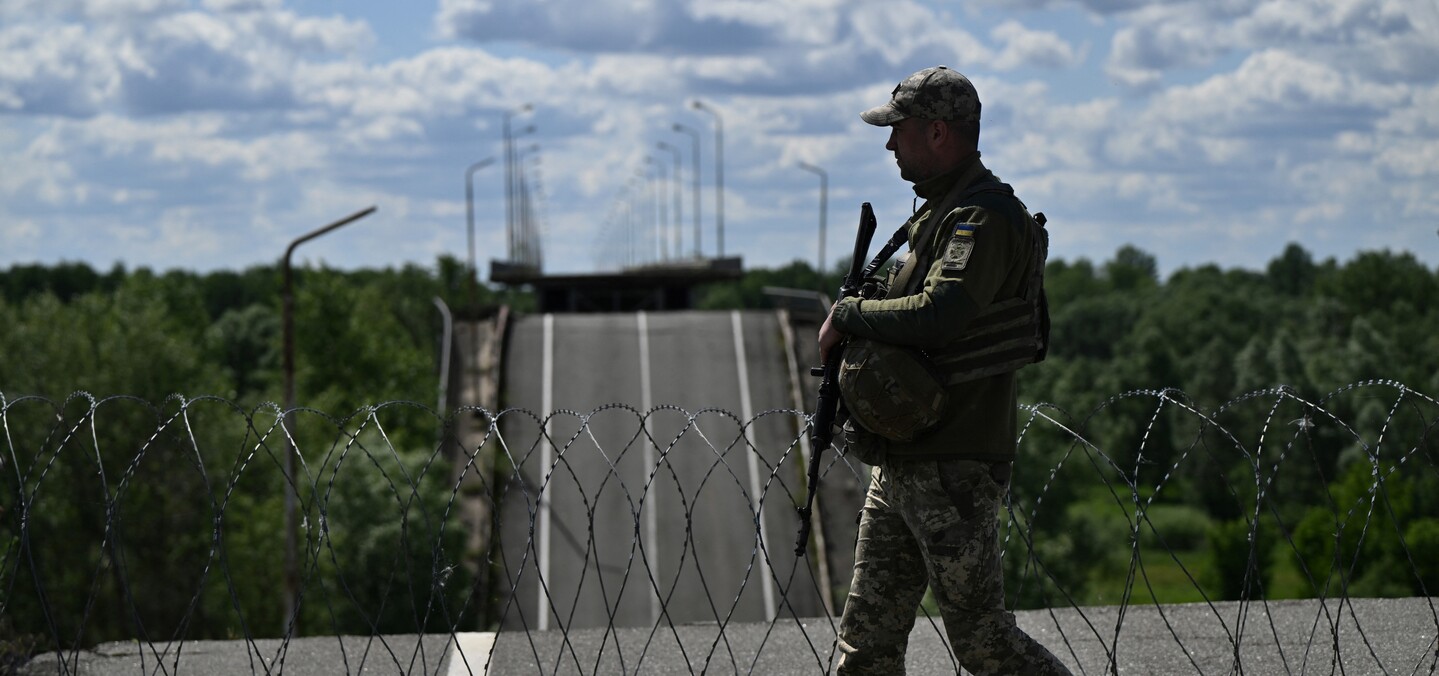
The recent damage inflicted by Ukrainian drones and missiles on Russia has made Belarus aware of its own vulnerabilities—and surprisingly amenable to Kyiv’s demands.

Artyom Shraibman
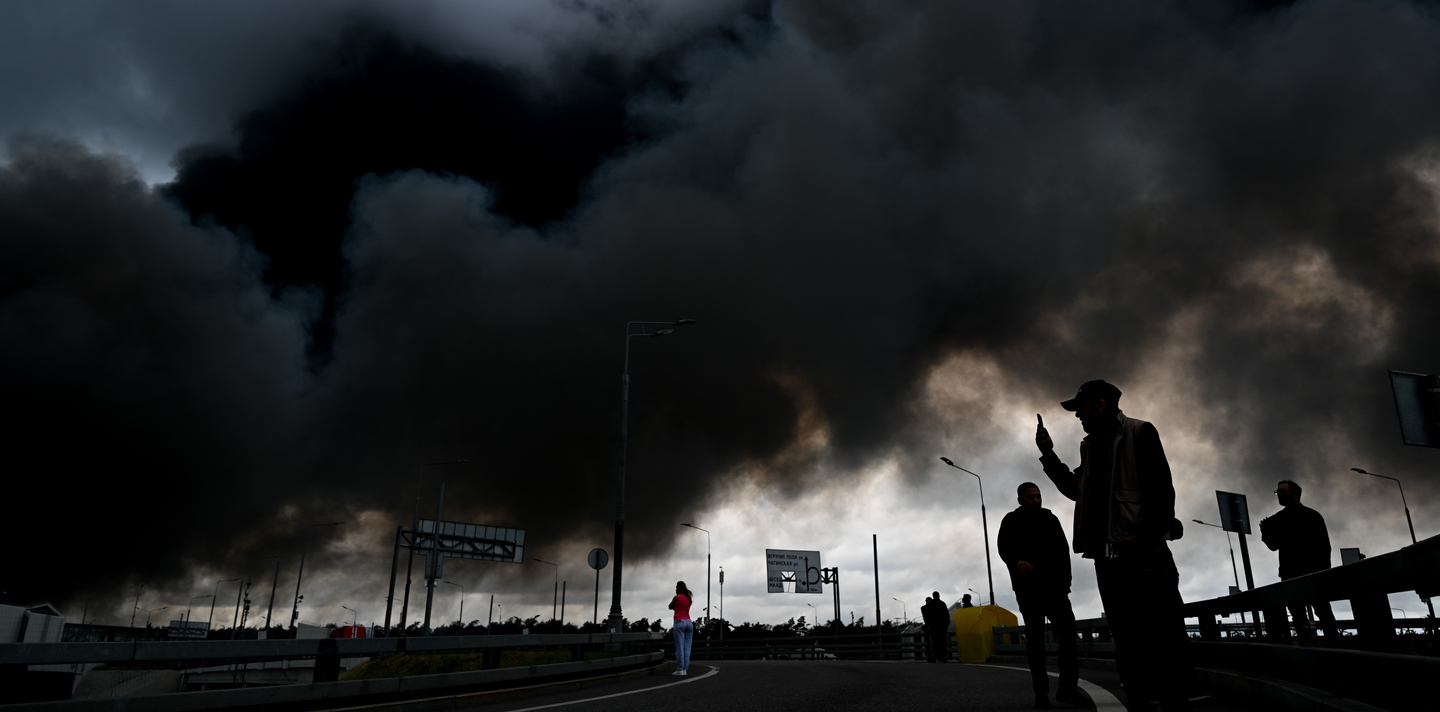
It is not a phenomenon unique to Russia that the public of a country at war (even the aggressor) enduring airstrikes will not overturn its government but rather show solidarity with it and blame its woes on the enemy.
Vladislav Gorin