

Commentary
H. A. Hellyer
{
  "authors": [
    "H. A. Hellyer"
  ],
  "type": "legacyinthemedia",
  "centerAffiliationAll": "dc",
  "centers": [
    "Carnegie Endowment for International Peace"
  ],
  "collections": [],
  "englishNewsletterAll": "menaTransitions",
  "nonEnglishNewsletterAll": "",
  "primaryCenter": "Carnegie Endowment for International Peace",
  "programAffiliation": "MEP",
  "programs": [
    "Middle East"
  ],
  "projects": [],
  "regions": [
    "Southeast Asia",
    "Eastern Europe",
    "Western Europe"
  ],
  "topics": [
    "Security",
    "Foreign Policy"
  ]
}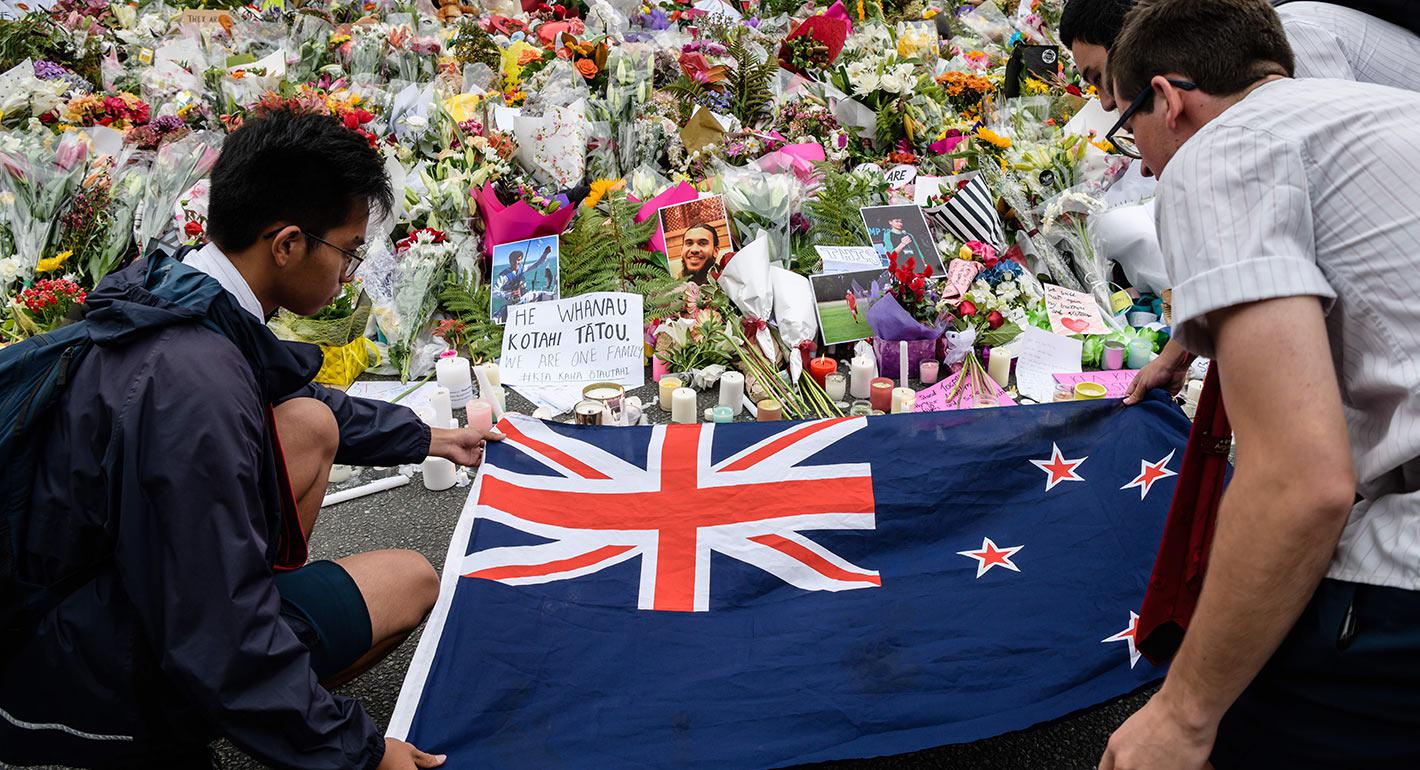
Source: Getty
The ideas of European Identitarians, an extremist far-right movement, affect and impact the politics of so much of the western world, and beyond.
Source: National
Brenton Tarrant, the terrorist of the New Zealand Christchurch massacre who killed 51 people in different mosques last year, was sentenced to life in prison without parole today. The verdict will no doubt provide some solace and closure to the survivors of the attacks, as well as to families of the victims. However, the phenomenon that produced him continues, and the question remains: how long will it continue before we address not simply the end result of this kind of bigotry, but the causes of it?
It is not as though this was the first time such a massacre took place. Almost a decade ago, a Norwegian Islamophobic white supremacist carried out one of the brutal terrorist attacks on European soil in recent history. Anders Behring Breivik detonated a bomb in Oslo, murdering 8 people; he then went to a youth camp, and killed another 69. His motivations were all clearly laid out in the manifesto he deliberately left for people to find. He was a bigot who hated Muslims, lauded white supremacy, and viewed himself as a soldier in a new crusade to save western civilisation.
Former Nonresident Scholar, Middle East Program
Dr. H.A. Hellyer was a nonresident scholar at the Carnegie Endowment for International Peace. He serves as a senior associate fellow at the Royal United Services Institute for Defence and Security Studies in London, and as a Cambridge University fellow.
Recent Work
H. A. Hellyer
H. A. Hellyer
Carnegie does not take institutional positions on public policy issues; the views represented herein are those of the author(s) and do not necessarily reflect the views of Carnegie, its staff, or its trustees.

Andrey Melnichenko’s essay offers no answer to the fundamental question of how, under any kind of negotiated settlement, Europe can protect itself from the Russian ressentiment that is inevitable in all scenarios except for an outright victory for Putin.

Leonid Bershidsky

Despite unhappiness on the ground, Moscow is determined to use both carrot and stick to ensure there is record support for United Russia in occupied Ukraine.

Konstantin Skorkin
The recent damage inflicted by Ukrainian drones and missiles on Russia has made Belarus aware of its own vulnerabilities—and surprisingly amenable to Kyiv’s demands.

Artyom Shraibman
It is not a phenomenon unique to Russia that the public of a country at war (even the aggressor) enduring airstrikes will not overturn its government but rather show solidarity with it and blame its woes on the enemy.
Vladislav Gorin
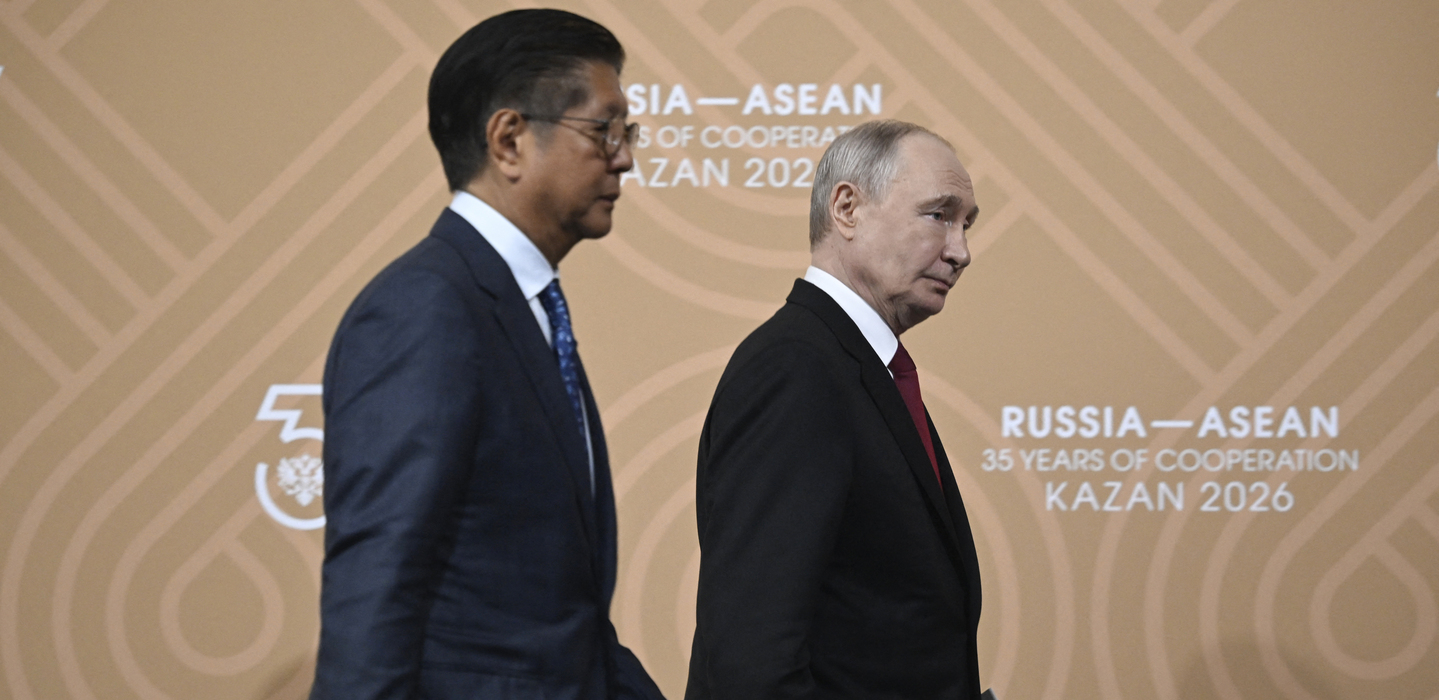
Russia looks set to reap economic benefits from closer ties with Southeast Asian countries that are keen to find reliable energy suppliers and diversify trade ties.

Alexander Gabuev