

Q&A
Dara Massicot, Aaron David Miller, Andrew S. Weiss
{
  "authors": [
    "Aaron David Miller"
  ],
  "type": "legacyinthemedia",
  "centerAffiliationAll": "",
  "centers": [
    "Carnegie Endowment for International Peace"
  ],
  "collections": [],
  "englishNewsletterAll": "",
  "nonEnglishNewsletterAll": "",
  "primaryCenter": "Carnegie Endowment for International Peace",
  "programAffiliation": "",
  "programs": [],
  "projects": [],
  "regions": [
    "North America",
    "United States",
    "Middle East",
    "Israel"
  ],
  "topics": [
    "Foreign Policy"
  ]
}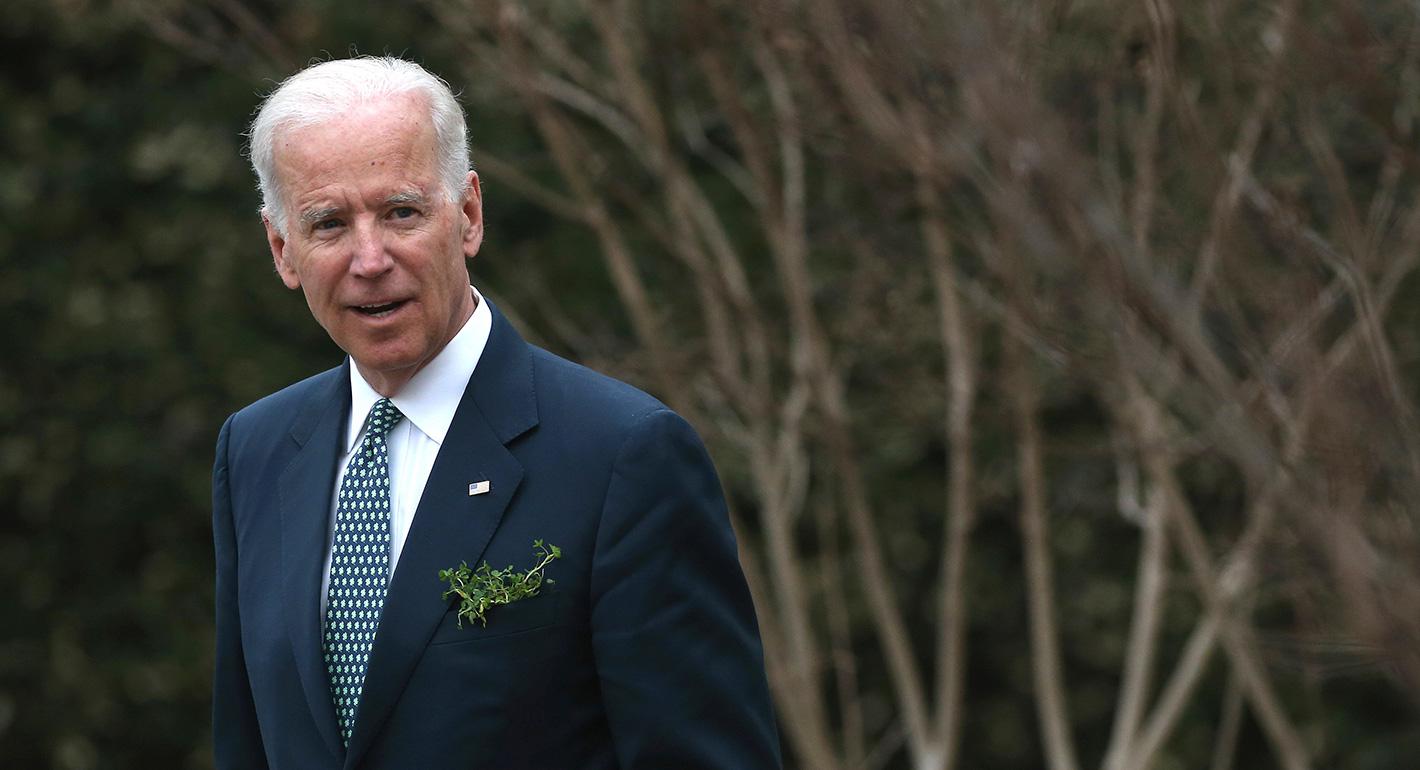
Source: Getty
Anyone who believes that the Biden-Netanyahu relationship is headed for a train wreck ought to lie down and wait quietly until the feeling passes.
Source: CNN
Frustrated by the lecture he'd received on the history of the Arab-Israeli conflict during his first meeting with Israeli Prime Minister Benjamin Netanyahu in 1996, President Bill Clinton exploded to aides afterward -- "Who's the f***ing superpower here?"
Fast forward to May 2011. This time, Netanyahu lectured President Barack Obama (or so it was characterized by PBS) about the Middle East peace process, stunning aides and the press corps with the fact that an Israeli prime minister would talk to a US president in such fashion. But Netanyahu was so impressed with the encounter that he turned it into a campaign ad.
Two American presidents, one Israeli prime minister and a level of diplomatic chutzpah unprecedented in the history of the US-Israeli relationship.
And yet, despite the tensions of the Clinton and particularly the Obama years, Netanyahu emerged unscathed, giving up very little to Palestinians or restricting settlements -- and gaining much, especially on US military assistance. Indeed, by 2015, blatantly casting his lot with Republicans in opposing the Iran nuclear deal, Netanyahu had already set the stage for his four-year honeymoon with Donald Trump.
So, why should Netanyahu be afraid of Joe Biden?
The short answer is he shouldn't.

Senior Fellow, American Statecraft Program
Aaron David Miller is a senior fellow at the Carnegie Endowment for International Peace, focusing on U.S. foreign policy.
Recent Work
Dara Massicot, Aaron David Miller, Andrew S. Weiss



Sophia Besch, Eric Ciaramella, Steve Feldstein, …
Carnegie does not take institutional positions on public policy issues; the views represented herein are those of the author(s) and do not necessarily reflect the views of Carnegie, its staff, or its trustees.

Without a ceasefire with Ukraine on attacking each other’s energy infrastructure—to which the Kremlin is unlikely to agree—the diesel agreement between Putin and Trump is largely for show, rather than representing a genuine increase in the volumes of Russian diesel on the global market.

Sergey Vakulenko

Despite a new textbook, an influx of Russian teachers and managers, and an end to the teaching of Ukrainian, the Kremlin is unlikely to have “reprogrammed” locals.

Konstantin Skorkin

Cargo traffic through Russia’s Northern Sea Route has increased because of the disruption caused by the conflict in the Middle East, the Ukraine war, and U.S.-China tensions.

Mikhail Korostikov

Trump has promised Belarus a massive potash deal. But Minsk is seeking something greater: restored Western transit and greater room for maneuver from Russia.

Balázs Jarábik

Minsk clearly expected the dialogue with Washington to yield more results, in particular the lifting of EU sanctions and permission to export potash.

Artyom Shraibman