
• Research
  • Politika
  • About
Carnegie Russia Eurasia center logoCarnegie lettermark logo
  • Donate
{
  "authors": [
    "Francis Fukuyama"
  ],
  "type": "legacyinthemedia",
  "centerAffiliationAll": "dc",
  "centers": [
    "Carnegie Endowment for International Peace"
  ],
  "collections": [],
  "englishNewsletterAll": "democracy",
  "nonEnglishNewsletterAll": "",
  "primaryCenter": "Carnegie Endowment for International Peace",
  "programAffiliation": "DCG",
  "programs": [
    "Democracy, Conflict, and Governance"
  ],
  "projects": [],
  "regions": [],
  "topics": [
    "Climate Change"
  ]
}
REQUIRED IMAGE

REQUIRED IMAGE

In The Media

How to Think about Climate Policy

With regard to the first issue, some learning has taken place. There seems to be general recognition that punitive policies to reduce emissions don’t generally work. This is why cap-and-trade was implemented in Europe and in US states like California in preference to the economists’ favorite carbon tax solution.

Link Copied
By Francis Fukuyama
Published on Jan 17, 2023

American Purpose

About the Author

Francis Fukuyama

Former Nonresident Scholar, Democracy, Conflict, and Governance Program

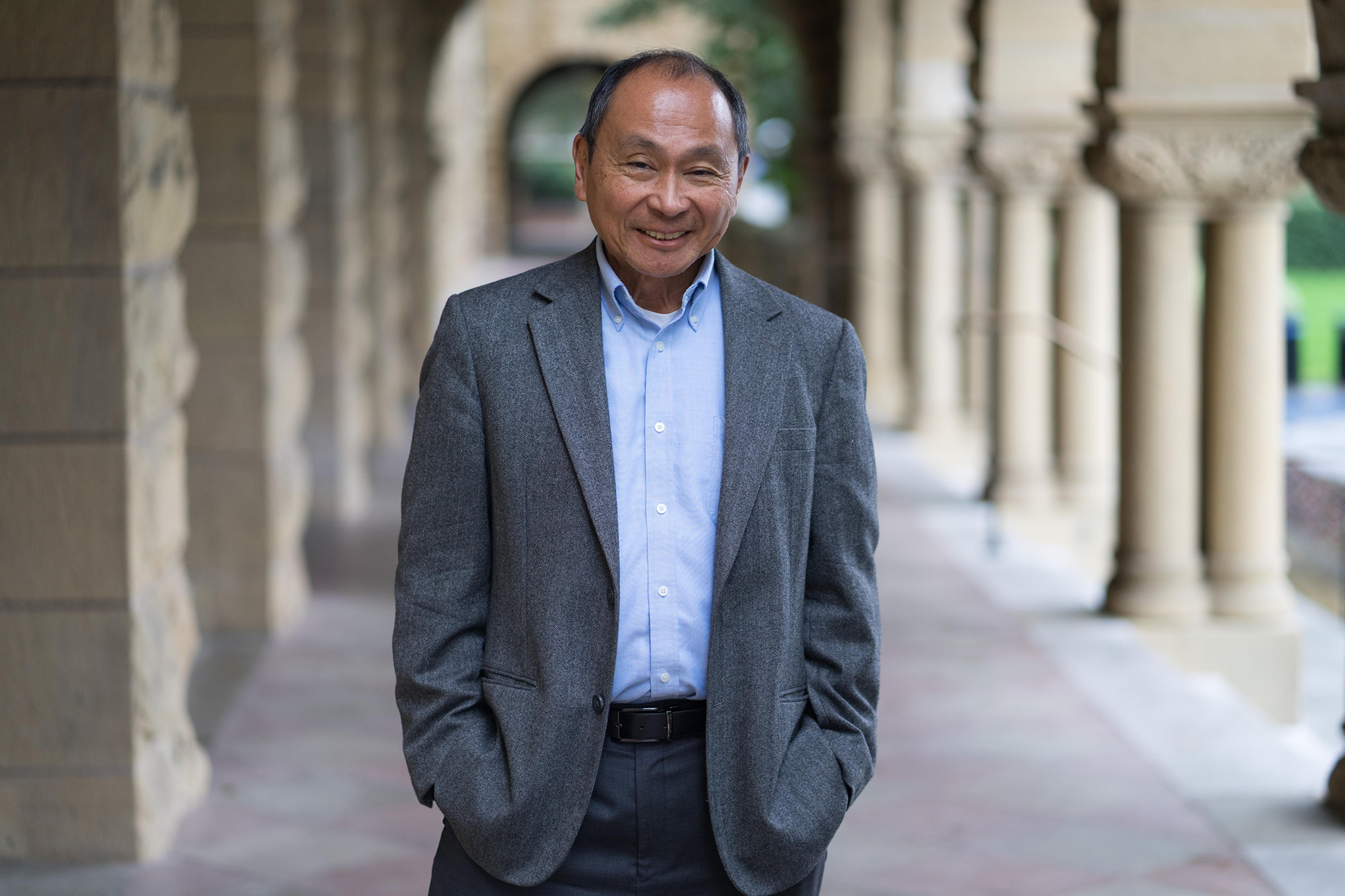
Francis Fukuyama was a nonresident scholar in Carnegie’s Democracy, Conflict, and Governance Program, where his research focuses on democratization and international political economy.

Francis Fukuyama
Former Nonresident Scholar, Democracy, Conflict, and Governance Program
Francis Fukuyama
Climate Change

Carnegie does not take institutional positions on public policy issues; the views represented herein are those of the author(s) and do not necessarily reflect the views of Carnegie, its staff, or its trustees.

More Work from Carnegie Russia Eurasia Center

  • Commentary
    Carnegie Politika
    Russia Is Exporting Its Fuel Crisis to Central Asia

    When faced with fuel shortages in the past, Central Asian governments could always count on additional supplies from Moscow. That safety net no longer exists.

      Galiya Ibragimova

  • Commentary
    Carnegie Politika
    Building Mini-Refineries Will Not Solve Russia’s Gasoline Crisis

    Official discussions about mini oil refineries are unlikely to come to anything—but the mere fact they’re happening reveals the regime is failing to deliver a functioning economy.  

      • Sergey Vakulenko

      Sergey Vakulenko

  • Commentary
    Carnegie Politika
    Could the Iran War Push Japan to Restore Russian Oil Imports?

    Tokyo would have to surmount a lot of obstacles—not least Western sanctions—if it wanted to return Russian oil imports to even modest pre-2022 volumes.

      Vladislav Pashchenko

  • Commentary
    Carnegie Politika
    Russia’s Coal Industry Is Running on Borrowed Time

    Powerful lobbyists and inertia led to Russia’s coal-mining sector missing an excellent opportunity to solve its structural problems.

      Alexey Gusev

  • Commentary
    Carnegie Politika
    What’s Having More Impact on Russian Oil Export Revenues: Ukrainian Strikes or Rising Prices?

    Although Ukrainian strikes have led to a noticeable decline in the physical volume of Russian oil exports, the rise in prices has more than made up for it.

      • Sergey Vakulenko

      Sergey Vakulenko

Get more news and analysis from
Carnegie Russia Eurasia Center
Carnegie Russia Eurasia logo, white
  • Research
  • Politika
  • About
  • Experts
  • Events
  • Contact
  • Privacy
  • For Media
Get more news and analysis from
Carnegie Russia Eurasia Center
© 2026 Carnegie Endowment for International Peace. All rights reserved.