

Commentary
Japan’s long-term security policy is driven by concerns about China, and there is little appetite for (or interest in) pursuing a confrontation with Moscow.
James D.J. Brown
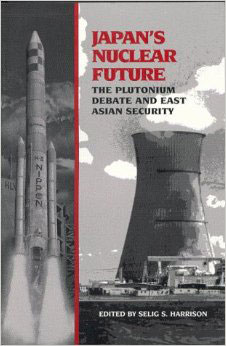
Japan's policy of basing its nuclear power program on reprocessed plutonium has aroused widespread suspicion, especially in neighboring East Asian countries, that Japan is secretly planning to develop nuclear weapons.
Source: Washington, DC: Carnegie Endowment for International Peace, 1996

Summary
Japan's policy of basing its nuclear power program on reprocessed plutonium has aroused widespread suspicion, especially in neighboring East Asian countries, that Japan is secretly planning to develop nuclear weapons. This book presents the views of a leading Japanese proponent of the reprocessing policy, Atsuyuki Suzuki, Professor of Nuclear Engineering at Tokyo University; a leading critic, Jinzaburo Takagi, Director of the Citizens Nuclear Information Center; and Taewoo Kim, a South Korean specialist who warns that the Japanese nuclear program could lead Seoul to pursue a reprocessing capability of its own.
An introductory essay by Selig S. Harrison analyzes the history of the domestic debate in Japan over the acquisition of nuclear weapons and assesses the possibility of a Japanese nuclear weapons program.
This unique and important book provides the international community with unprecedented access to a range of sophisticated Asian views on the possibility that Japan may convert its nuclear-energy programme to a nuclear-weapons programme... Harrison pulls no punches [and] no one has been as ambitiously comprehensive in offering policy options to enhance nuclear safety in the region.
-Survival, The IISS Quarterly
Carnegie does not take institutional positions on public policy issues; the views represented herein are those of the author(s) and do not necessarily reflect the views of Carnegie, its staff, or its trustees.

Japan’s long-term security policy is driven by concerns about China, and there is little appetite for (or interest in) pursuing a confrontation with Moscow.

James D.J. Brown
The truth is that Japan’s government is seeking a degree of reengagement but at a vastly reduced level than under Abe. Most significantly, Japan has shown no willingness to ease sanctions.
James D.J. Brown
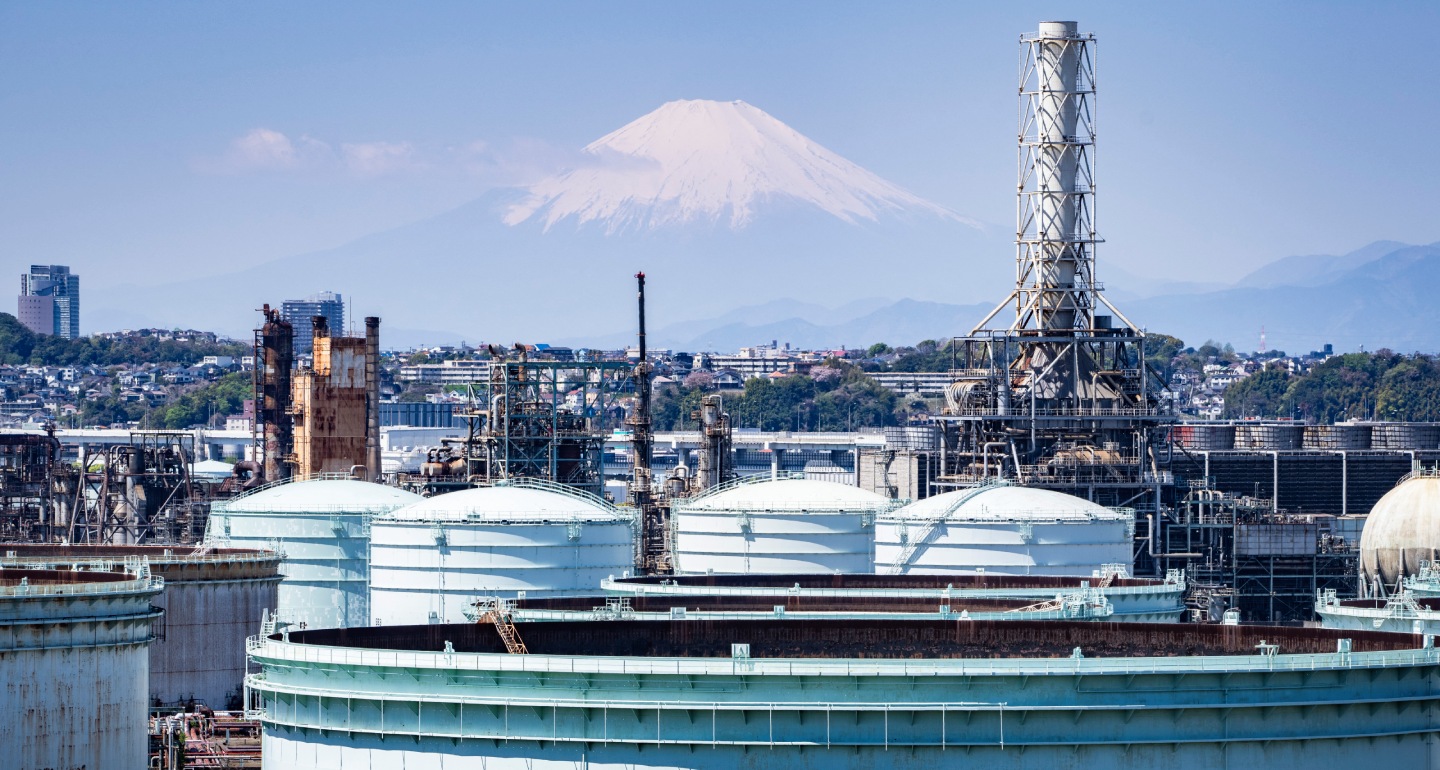
Tokyo would have to surmount a lot of obstacles—not least Western sanctions—if it wanted to return Russian oil imports to even modest pre-2022 volumes.

Vladislav Pashchenko
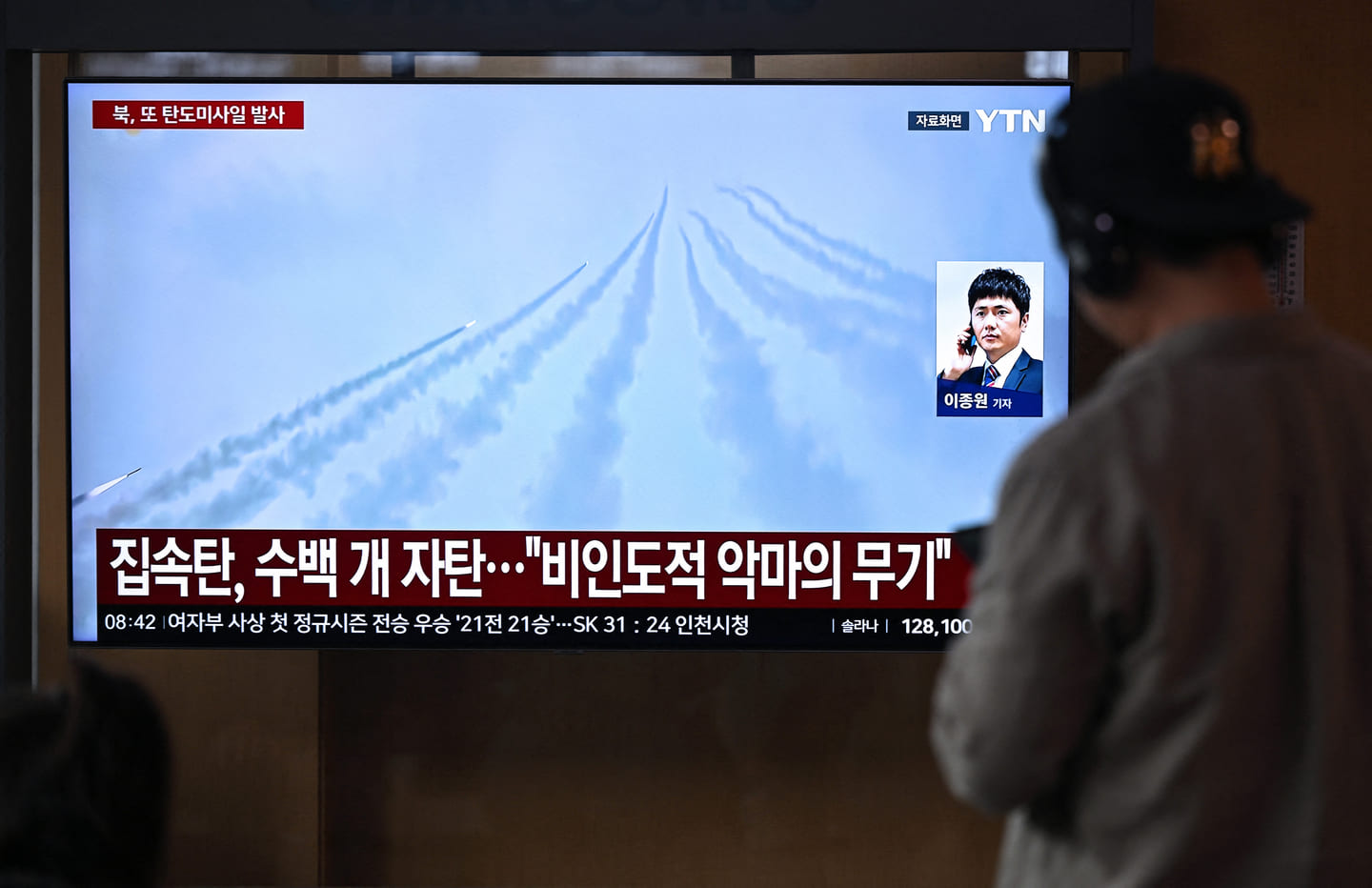
Troubled by the growing salience of nuclear debates in East Asia, Moscow has responded in its usual way: with condemnation and threats. But by exacerbating insecurity, Russia is forcing South Korea and Japan to consider radical security options.
James D.J. Brown
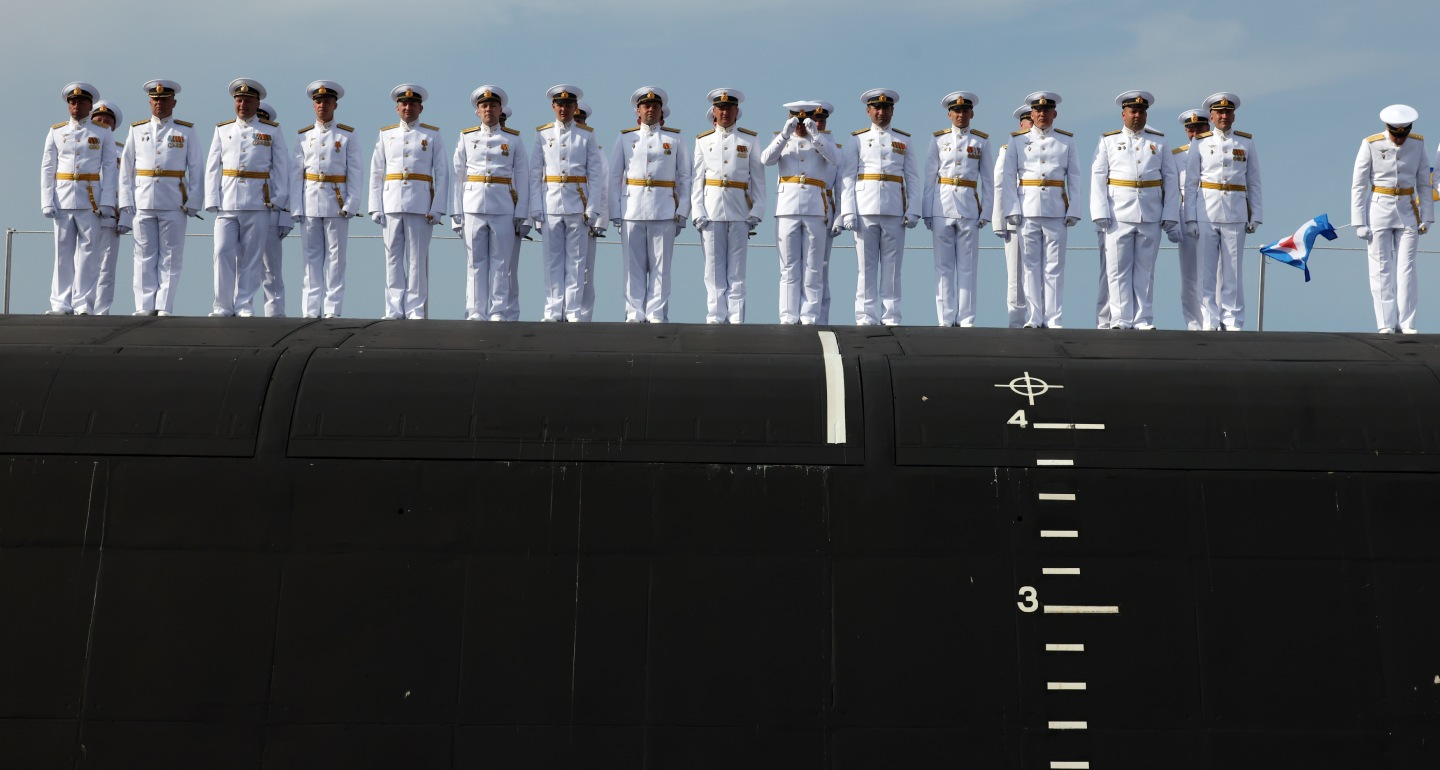
For Putin, upgrading Russia’s nuclear forces was a secondary goal. The main aim was to gain an advantage over the West, including by strengthening the nuclear threat on all fronts. That made growth in missile arsenals and a new arms race inevitable.

Maxim Starchak