

Report
- +2
George Perkovich, Jessica Tuchman Mathews, Joseph Cirincione, …

REQUIRED IMAGE
China is slowly modernizing its strategic nuclear forces. Chinese doctrine is centered around the maintenance of a "limited nuclear deterrent" capable of launching a retaliatory strike after an adversary’s nuclear attack.
Source: Carnegie
China is slowly modernizing its strategic nuclear forces. Chinese doctrine is centered around the maintenance of a "limited nuclear deterrent" capable of launching a retaliatory strike after an adversary’s nuclear attack. The design and deployment of China’s nuclear forces have been shaped by two key concerns: the survival of a second strike capability and the potential deployment of missile defense systems.
Second Strike. China currently has the capability to strike U.S. cities with its force of approximately 20 long-range Dong Feng-5 missiles, each armed with a 4- to 5-megaton thermonuclear warhead. However, the preparation time for these liquid fueled ICBMs, the lack of hardened missile silos, and a lack of mobility have raised some concern in the Chinese leadership about the ability of these forces to survive a first strike. Additionally, its sea-based force (currently only one Xia submarine armed with 12 medium-range ballistic missiles) does not pose a credible threat to either Moscow or Washington. The Xia has never sailed outside China’s territorial waters and is considered vulnerable to modern anti-submarine warfare techniques. By comparison, the United States maintains 5,500 strategic warheads on its land- and sea-based missiles.
Missile Defense. Chinese concerns over the Strategic Defense Initiative, announced by President Ronald Reagan in 1983, reportedly spurred plans to develop multiple warhead technology. The first test of a multiple warhead missile took place in September 1984. While similar tests have been conducted on several missile types since then, no missile currently deployed is thought to carry multiple independently-targeted re-entry vehicles (MIRVs). Chinese concerns over possible deployment of missile defenses in Japan or Taiwan are too recent for their impact on these programs to be ascertained.
Probable Results of Chinese Force Modernization
By 2010, China hopes to have completed an upgrade of its forces. The planned improvements include:
ICBMs: The replacement of the aging force of DF-5's (and potentially the DF-4's) with two new missiles.
Exact deployment numbers are unknown, but some experts estimate that China could field between 50-70 MIRVed, solid-fueled ICBMs (DF-31s and DF-41s) by 2010, both mobile and in hardened silos, equipped with various penetration aids to defeat missile defenses.
SLBMs: While China plans to deploy 4-6 of its second generation submarines (the 09-4) it is likely that no more than three will actually be deployed by 2010. Each submarine could be armed with 12 JL-2 SLBMs, with a range of 8,000 km and potential MIRV capability. The JL-2 is based on the DF-31 missile and has been under development since the 1980s.
Strategic Bombers: The H-6 is China's current medium-range bomber. Based on the Soviet Tu-16 Badger of 1950s vintage, it has a range of 3,000 km. While the Chinese air force flight-tested a more modern bomber, the H-7, in 1988, most experts believe that it will not have a nuclear role and that only 20 will be built. It is unlikely that China will invest substantial resources in it's airborne nuclear capability unless it is able to purchase the T-22M Backfire from Russia (although China is reportedly developing an air launched cruise missile).
The Worst Case Scenario
Should Chinese concerns about their security situation substantially increase, and if military modernization were given preference over economic modernization, China would be more likely to increase the number of deployed warheads rather than embark on a crash program to produce new, more advanced systems than those cited above.
While the exact size of China's fissile material stock is unknown, analysts estimate that China currently has between 1 and 2 tons of weapons-grade plutonium and between 9 and 13.5 tons of highly enriched uranium in its nuclear weapons. There may be an additional 2 to 6 tons of weapons-grade plutonium and between 15 and 25 tons of highly enriched uranium available to produce between 300 and 1,000 additional warheads.
Compiled by Junior Fellow Matt Rice and Project Director Joseph Cirincione.

Former Senior Associate, Director for NonProliferation
Recent Work


George Perkovich, Jessica Tuchman Mathews, Joseph Cirincione, …
Joseph Cirincione
Carnegie does not take institutional positions on public policy issues; the views represented herein are those of the author(s) and do not necessarily reflect the views of Carnegie, its staff, or its trustees.
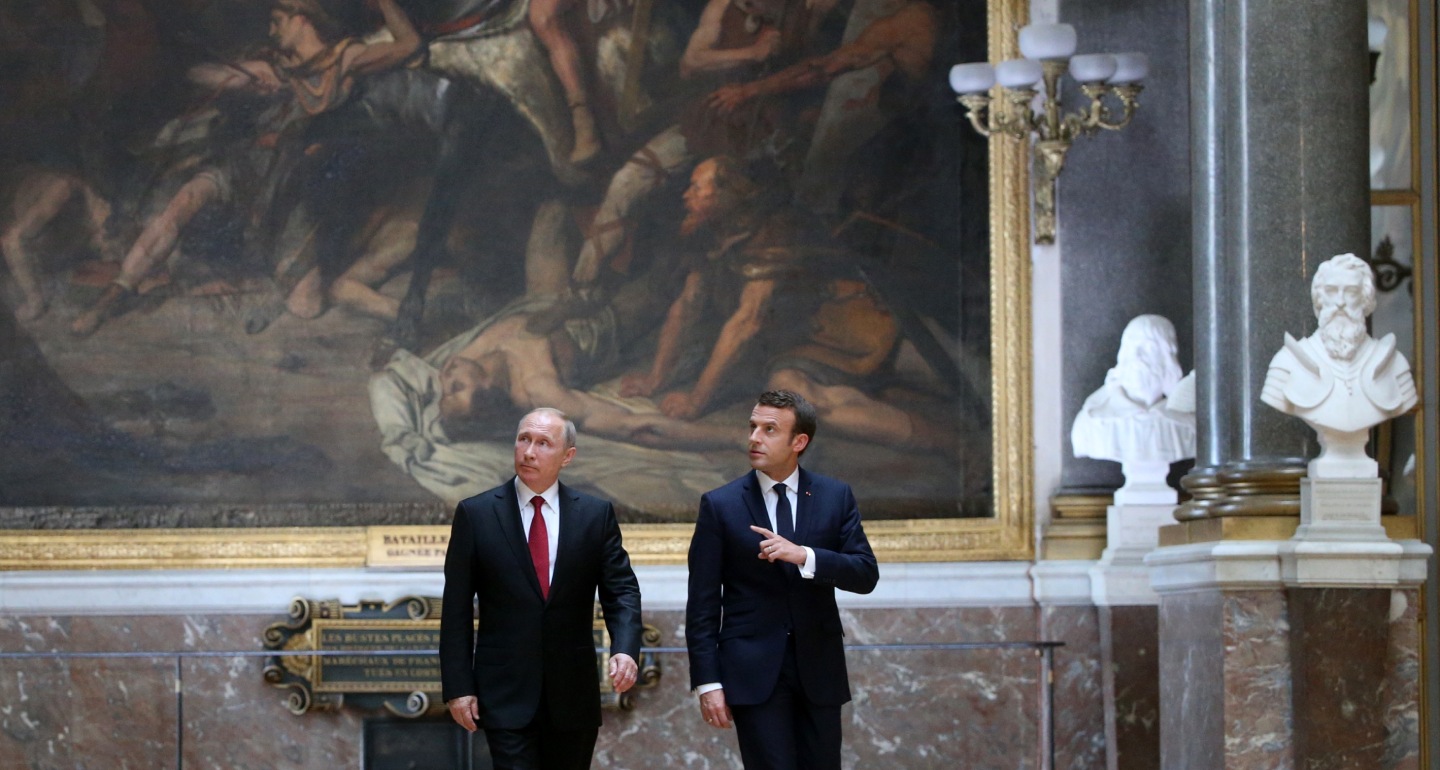
Reestablishing a dialogue with Moscow is not a goal in its own right. The goal is to guarantee the independence of Ukraine and the peace and security of Europe.
Arkady Moshes
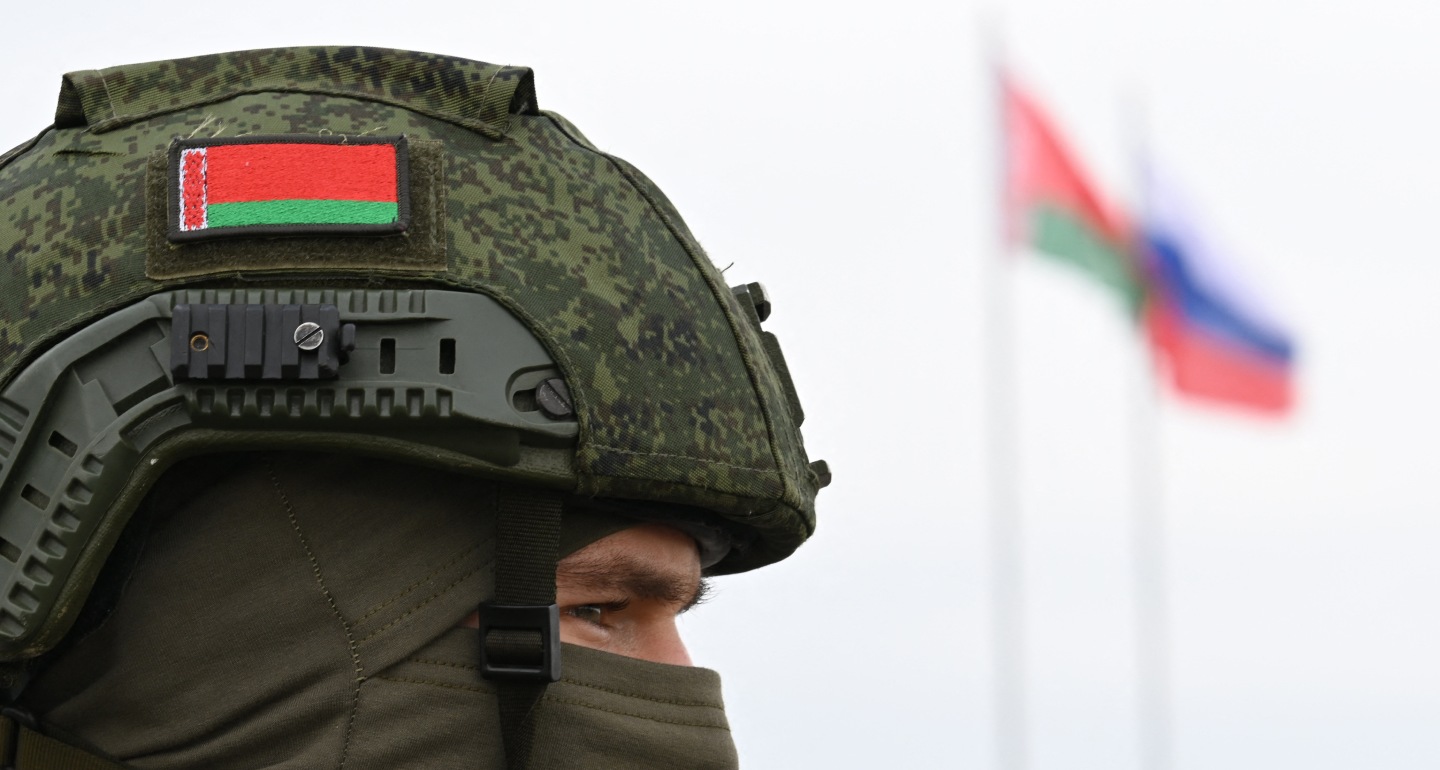
By reminding the world that Lukashenko is a threat to NATO and Ukraine, Kyiv is trying to return the focus to why the Belarusian regime needs to be contained rather than rewarded.

Artyom Shraibman
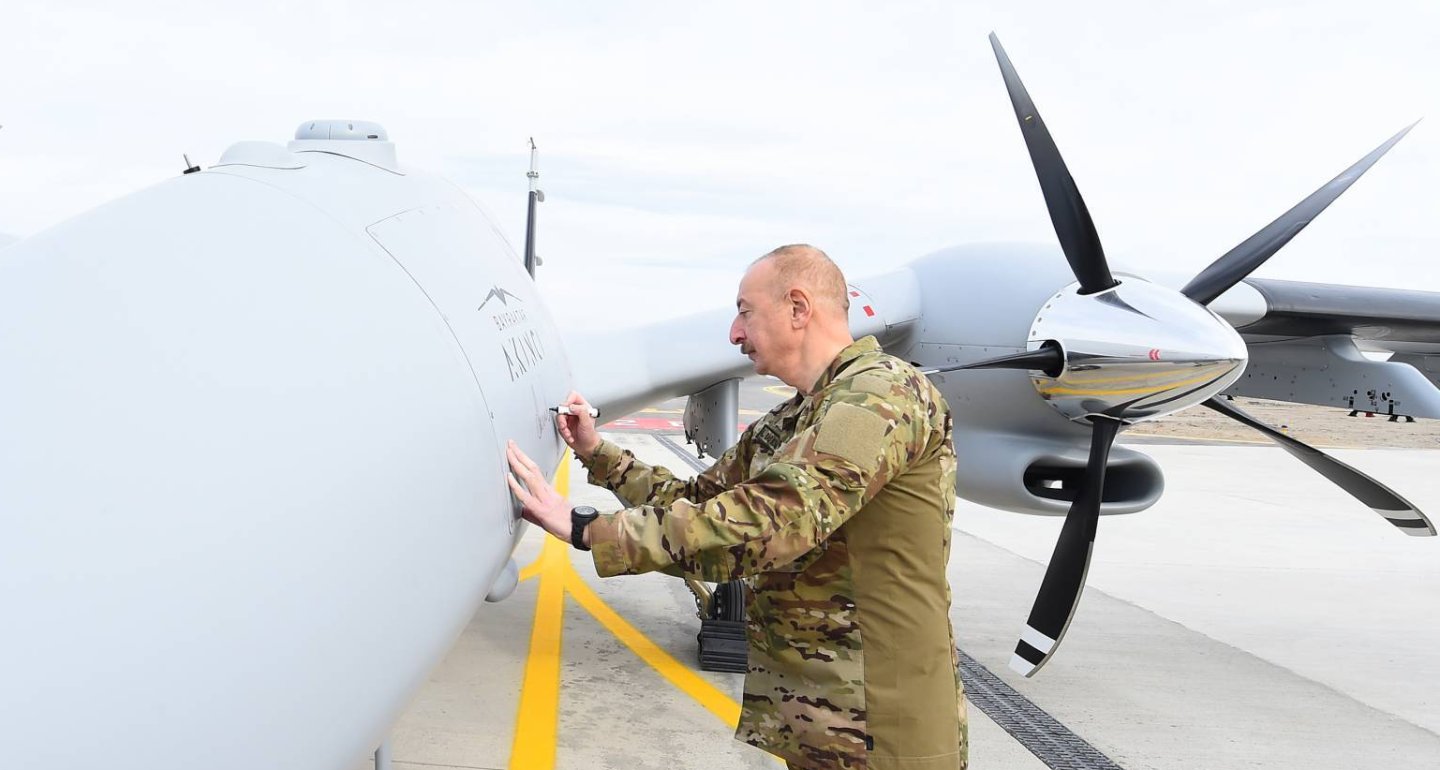
Baku’s backing for Ukraine is less about confronting Russia than about quietly broadening the mix of partners it relies on.

Zaur Shiriyev
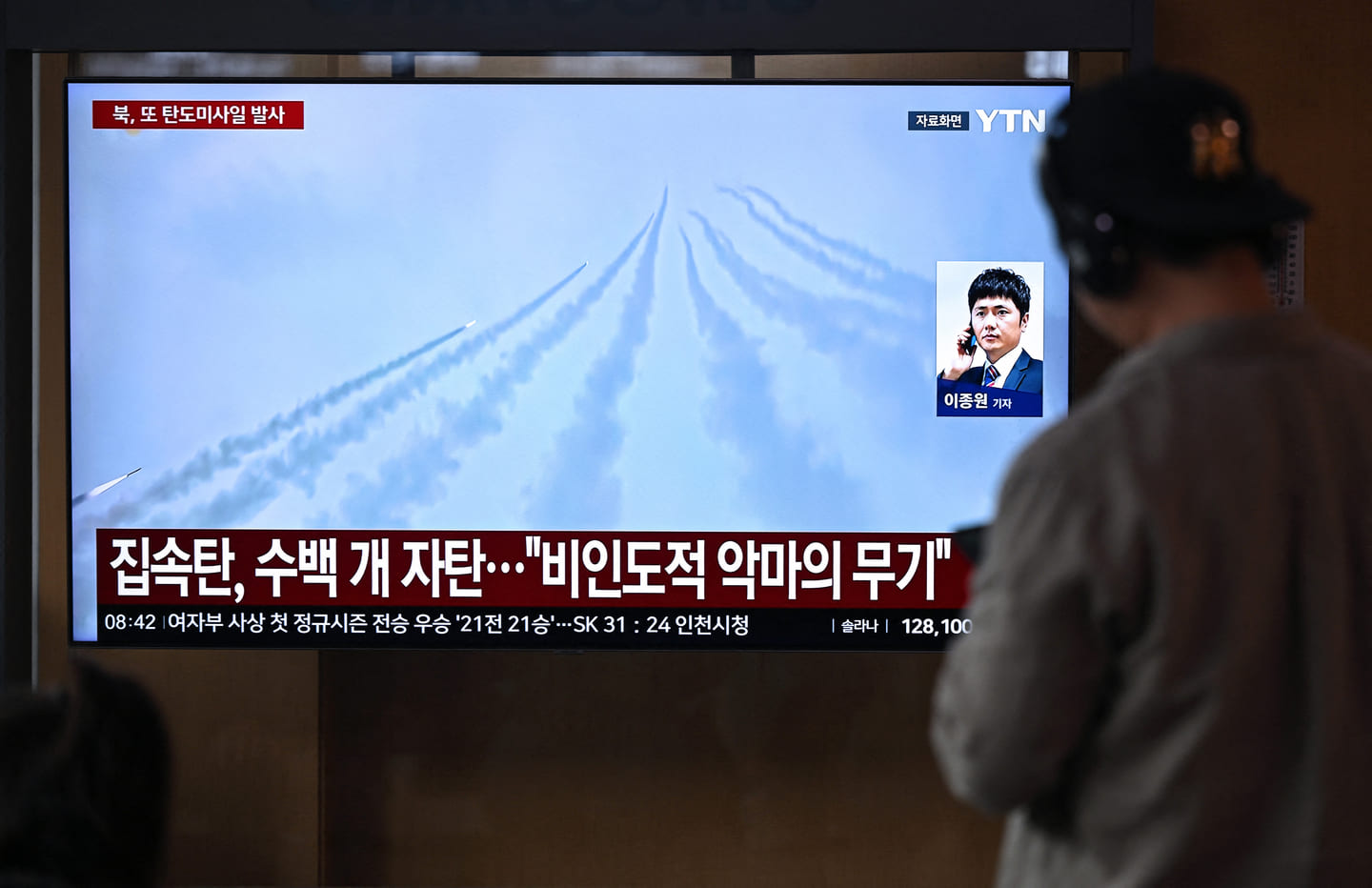
Troubled by the growing salience of nuclear debates in East Asia, Moscow has responded in its usual way: with condemnation and threats. But by exacerbating insecurity, Russia is forcing South Korea and Japan to consider radical security options.

James D.J. Brown
If the regime in Tehran survives, it could be obliged to hand Moscow significant political influence in exchange for supplies of weapons and humanitarian aid.

Nikita Smagin