

Report
- +2
George Perkovich, Jessica Tuchman Mathews, Joseph Cirincione, …

REQUIRED IMAGE
Source: Lawyers Alliance for World Security
Former Senior Associate, Director for NonProliferation
Recent Work
George Perkovich, Jessica Tuchman Mathews, Joseph Cirincione, …
Joseph Cirincione
Carnegie does not take institutional positions on public policy issues; the views represented herein are those of the author(s) and do not necessarily reflect the views of Carnegie, its staff, or its trustees.
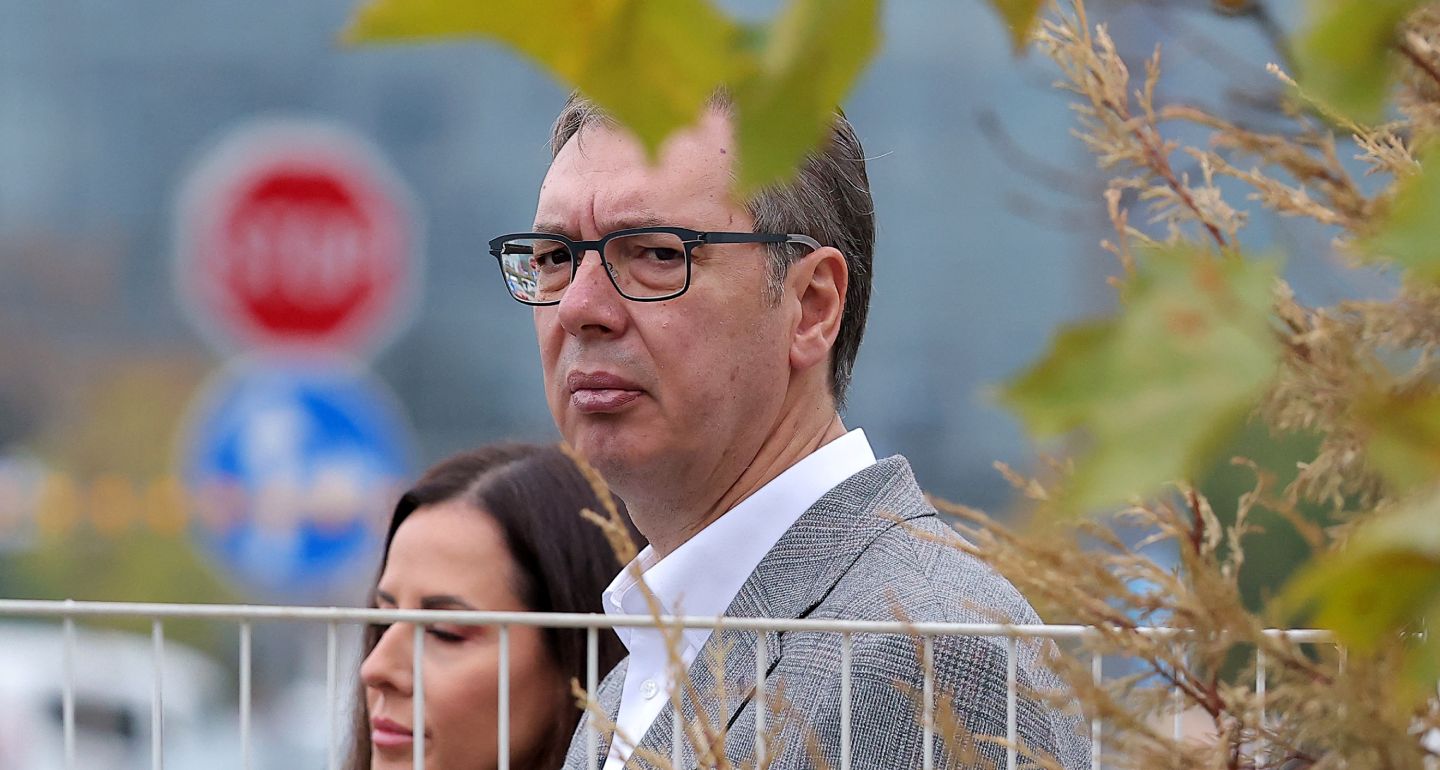
The new Serbian leadership may have promised to keep on cooperating with Russia, but soon they will have to make a choice between fighting corruption and sealing lucrative deals with Moscow. The two are mutually exclusive, even if the new leaders in Belgrade haven’t yet realized it.
Maksim Samorukov
Japan’s long-term security policy is driven by concerns about China, and there is little appetite for (or interest in) pursuing a confrontation with Moscow.
James D.J. Brown
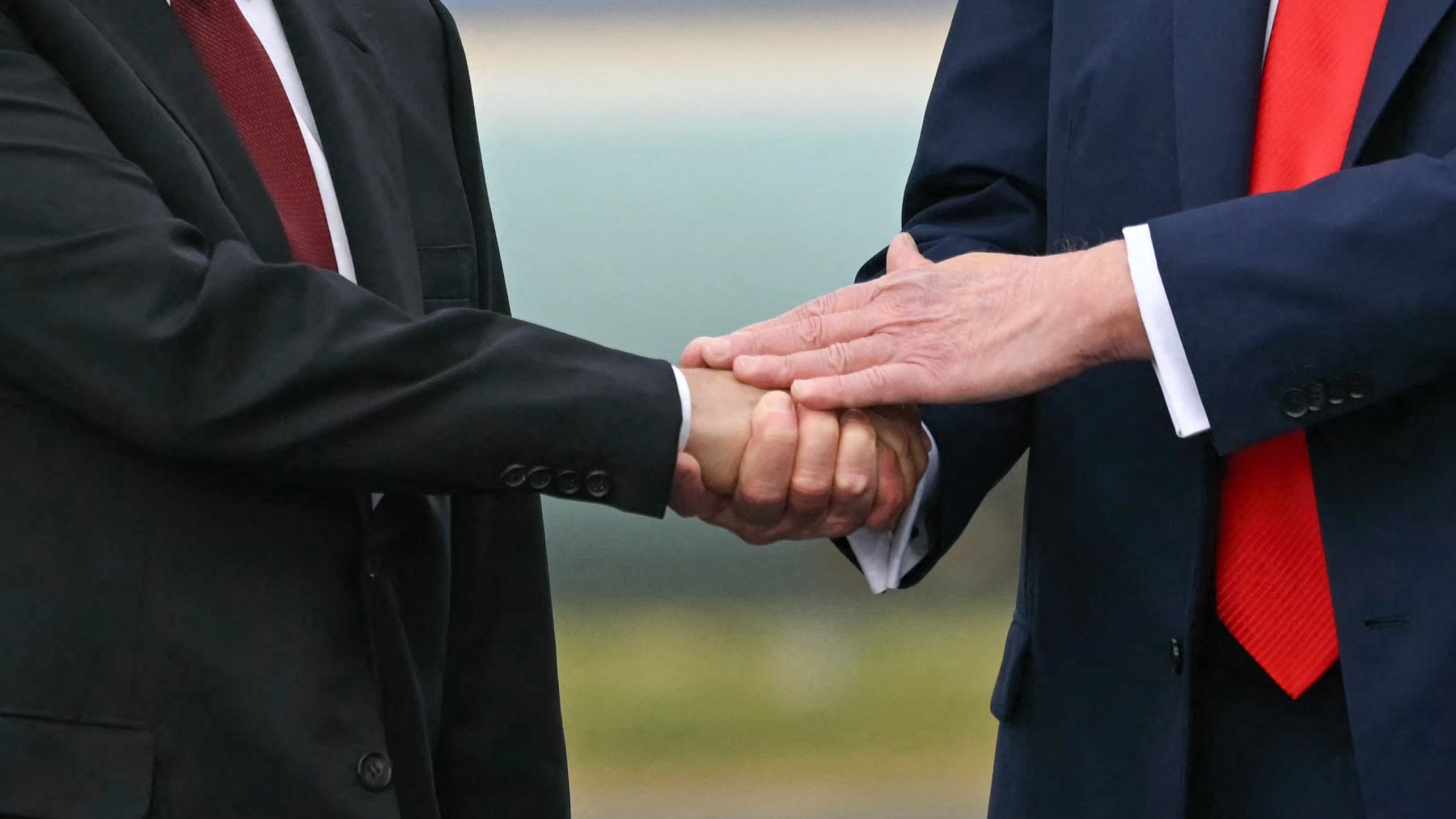
Without a ceasefire with Ukraine on attacking each other’s energy infrastructure—to which the Kremlin is unlikely to agree—the diesel agreement between Putin and Trump is largely for show, rather than representing a genuine increase in the volumes of Russian diesel on the global market.
Sergey Vakulenko
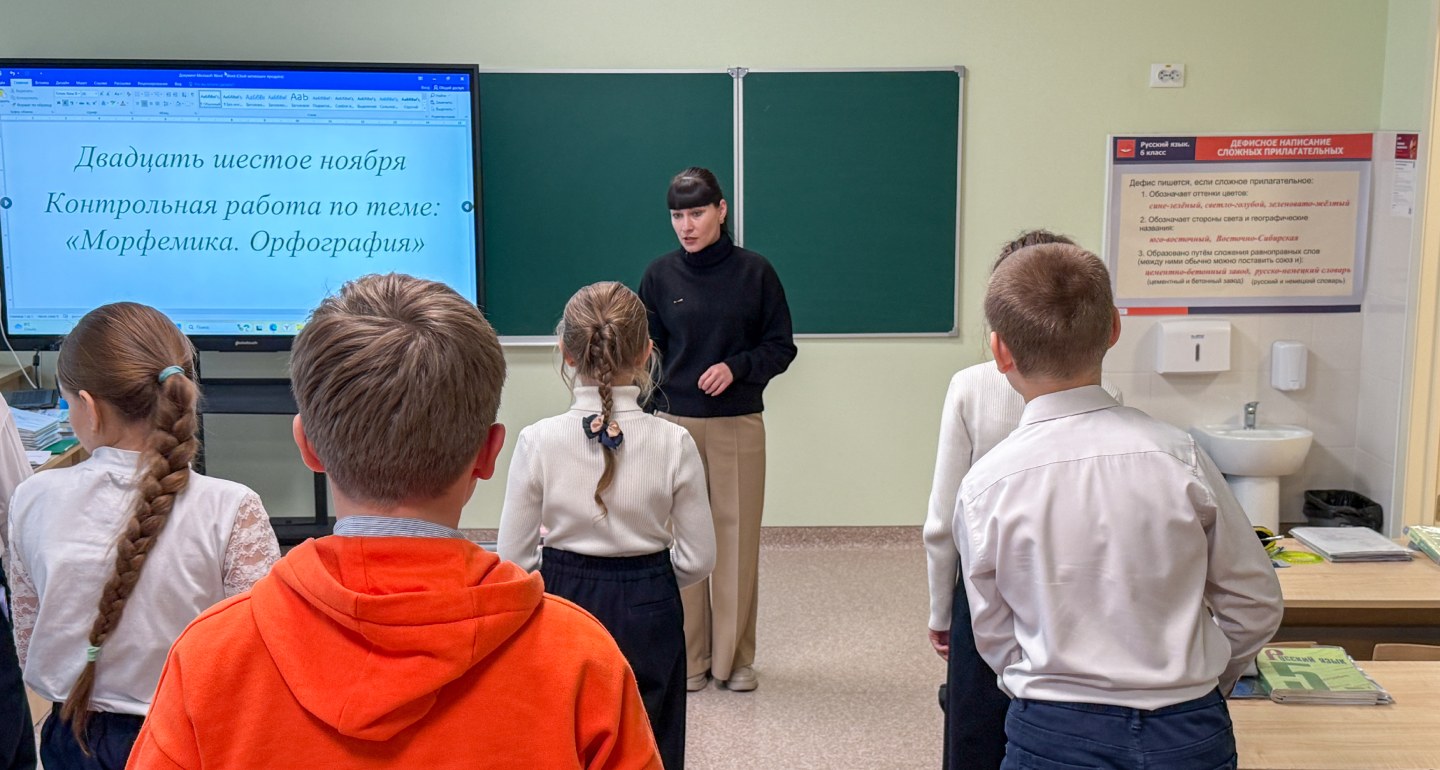
Despite a new textbook, an influx of Russian teachers and managers, and an end to the teaching of Ukrainian, the Kremlin is unlikely to have “reprogrammed” locals.

Konstantin Skorkin
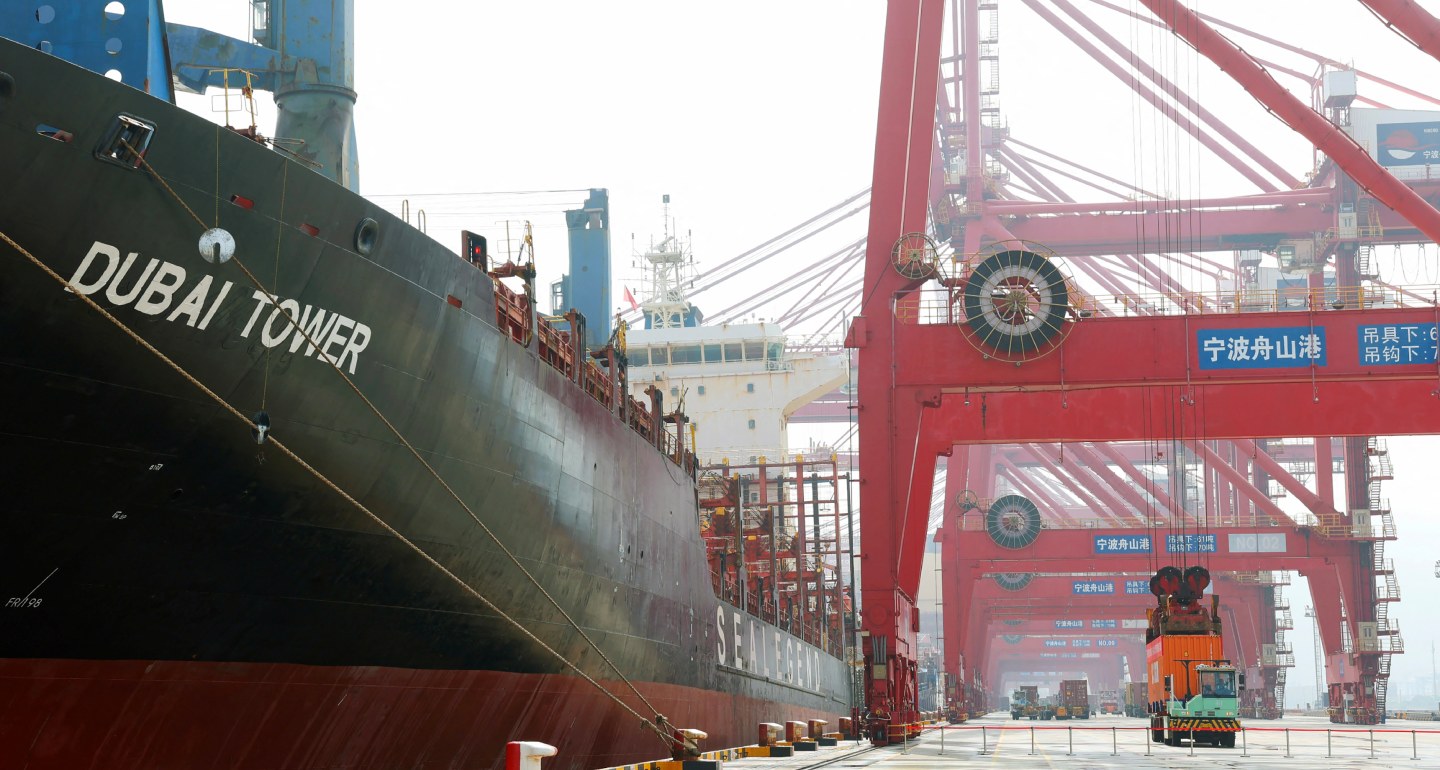
Cargo traffic through Russia’s Northern Sea Route has increased because of the disruption caused by the conflict in the Middle East, the Ukraine war, and U.S.-China tensions.
Mikhail Korostikov