


Report
- +2
George Perkovich, Jessica Tuchman Mathews, Joseph Cirincione, …

REQUIRED IMAGE
Although South Africa has declared its fissile material inventory to the IAEA, it has not revealed the exact figures to the public. Until complete transparency is achieved, questions will remain about South Africa's nuclear weapon complex, its continued enrichment activities, and the true extent of its non-proliferation commitment.
South Africa this month celebrates a decade of peaceful democratic rule. It was also 10 years ago that South Africa completed the dismantlement of its secret nuclear weapon program. South Africa was the first state in the world to give up its nuclear weapon capability voluntarily.
Since 1991 South Africa has made the transition from a threshold nuclear weapon state to become a responsible participant in the nuclear non-proliferation regime. It is the first nation to develop and possess nuclear weapons and then renounce them. In a historic reform of South Africa's politics, President F. W. de Klerk ended the country's decades-long policy of racial separation and brought an end to white minority rule. Democratic elections in April 1994 brought Nelson Mandela to the presidency. Mandela's successor, Thabo Mbeki, remains committed to the Nuclear Non-Proliferation Treaty, which South Africa joined in 1991. The highly enriched weapons-grade uranium produced during the 1970s and 1980s remains in South Africa under IAEA inspection. Despite these positive signs, however, some concerns remain. South Africa is estimated to have about 330 kilograms of weapons-grade uranium and another 55 kilograms of 80 percent enriched uranium.
South Africa has disbanded its former secret biological and chemical warfare programs. It has ratified both the Biological Weapons Convention and the Chemical Weapons Convention.
When South Africa dismantled its advanced, but clandestine, nuclear weapon program to assume a leading role in the movement for nonproliferation, it reflected the immense political changes that took place during the 1990s. On March 24, 1993, President de Klerk disclosed that South Africa had destroyed six nuclear devices that had been produced as part of its secret nuclear weapon program. By 1994 the government had dismantled the entire associated weapon infrastructure under international inspection. South Africa acceded to the NPT on July 10, 1991, concluding a full-scope safeguard agreement with the International Atomic Energy Agency the following September. All its nuclear plants and all previously produced enriched uranium were placed under IAEA safeguards. South Africa became a member of the Zangger Committee in 1993 and of the Nuclear Suppliers Group in 1995. It played a leading role in the establishment of the African Nuclear Weapons Free Zone Treaty (the Treaty of Pelindaba) in 1996, becoming one of the treaty's first members in 1997. South Africa signed the Comprehensive Test Ban Treaty in 1996 and ratified it in 1999. Parallel changes took place with respect to its chemical and biological weapon programs.
Although South Africa has declared its fissile material inventory to the IAEA, it has not revealed the exact figures to the public. Moreover, scientists who had previously worked on the nuclear weapon and missile programs constitute a proliferation risk, and reports indicate that some South African scientists are now working in Middle East countries. Other reports suggest that the Atomic Energy Corporation (AEC) secretly sold China equipment from its dismantled nuclear facilities. Until complete transparency is achieved, questions will remain about South Africa's nuclear weapon complex, its continued enrichment activities, and the true extent of its non-proliferation commitment.
This analysis is excerpted from Deadly Arsenals: Tracking Weapons of Mass Destruction by Joseph Cirincione with Jon Wolfsthal and Miriam Rajkumar.
Additional Resources:

Former Senior Associate, Director for NonProliferation
Recent Work


George Perkovich, Jessica Tuchman Mathews, Joseph Cirincione, …
Joseph Cirincione
Carnegie does not take institutional positions on public policy issues; the views represented herein are those of the author(s) and do not necessarily reflect the views of Carnegie, its staff, or its trustees.
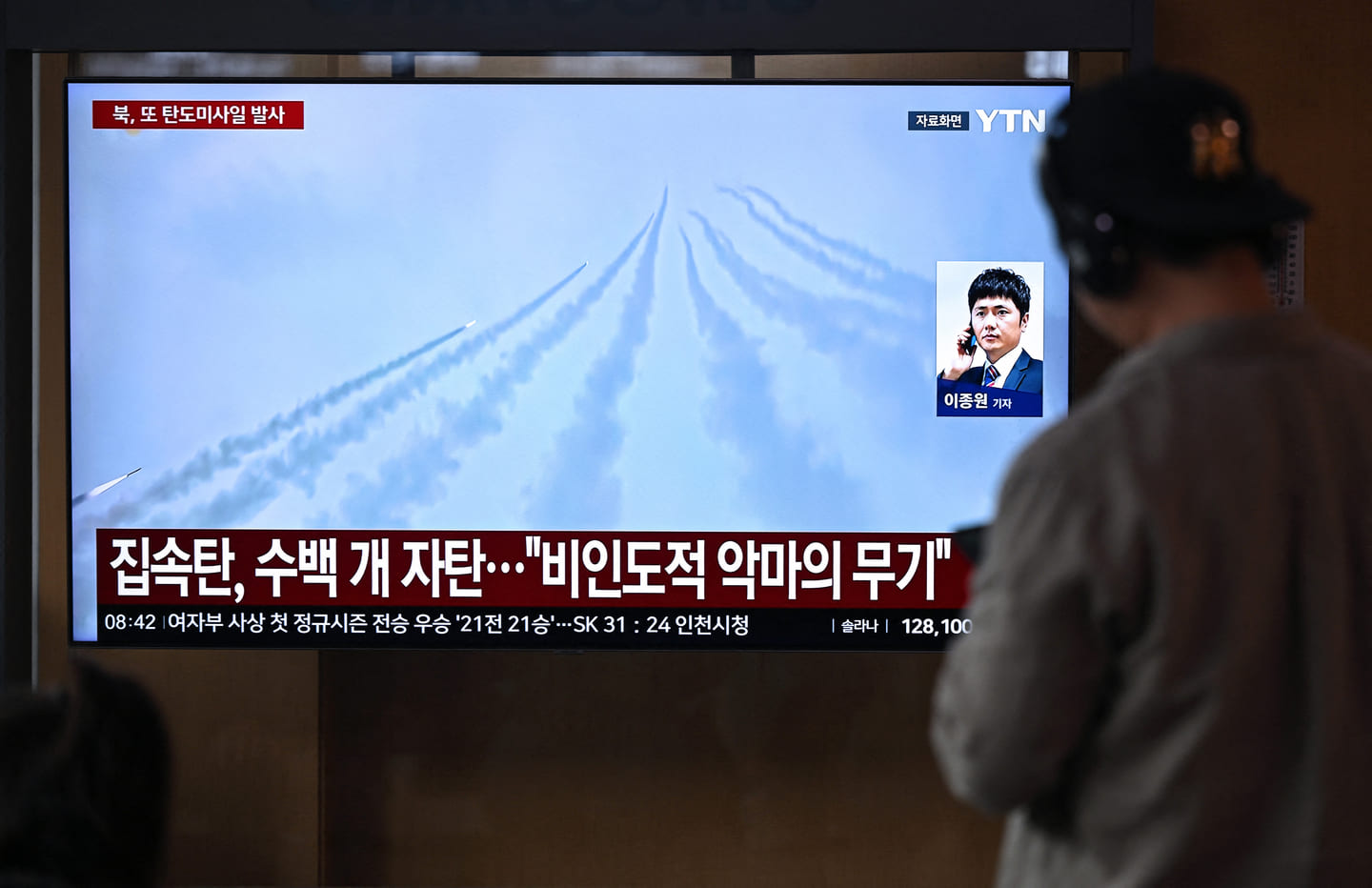
Troubled by the growing salience of nuclear debates in East Asia, Moscow has responded in its usual way: with condemnation and threats. But by exacerbating insecurity, Russia is forcing South Korea and Japan to consider radical security options.

James D.J. Brown
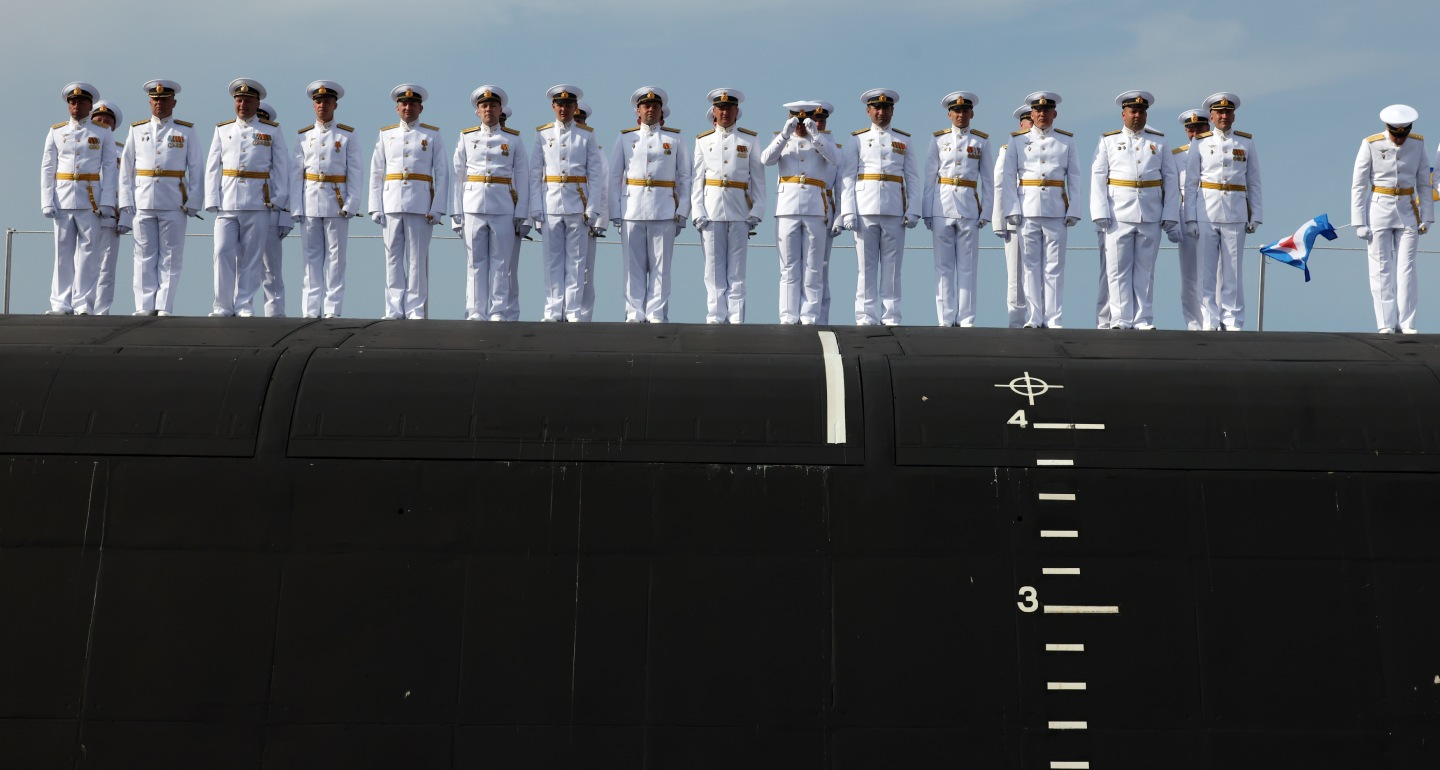
For Putin, upgrading Russia’s nuclear forces was a secondary goal. The main aim was to gain an advantage over the West, including by strengthening the nuclear threat on all fronts. That made growth in missile arsenals and a new arms race inevitable.
Maxim Starchak
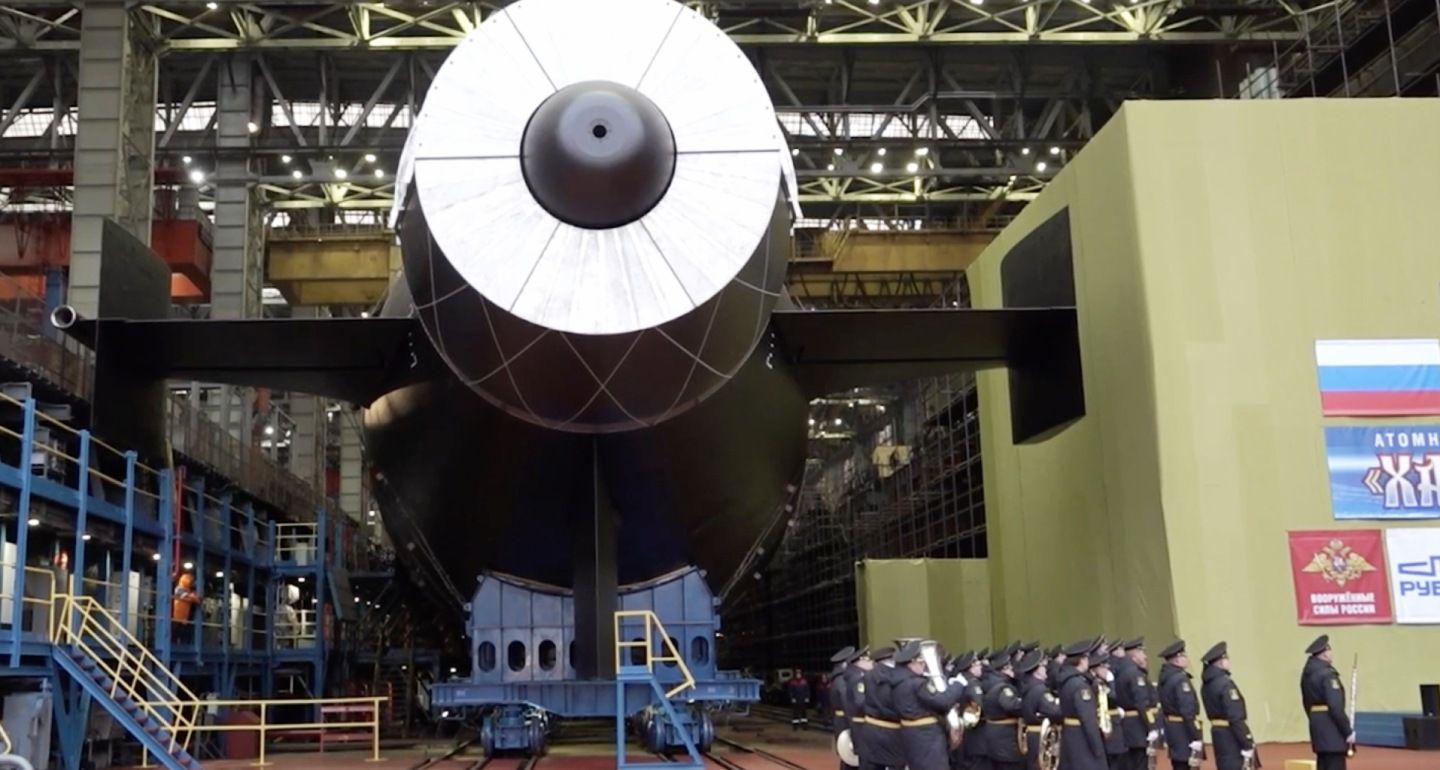
The Kremlin will only be prepared to negotiate strategic arms limitations if it is confident it can secure significant concessions from the United States. Otherwise, meaningful dialogue is unlikely, and the international system of strategic stability will continue to teeter on the brink of total collapse.
Maxim Starchak
The collapse of the Budapest summit is an inevitable result of the Russian system of artificially creating foreign policy crises in order to achieve a desired outcome.

Alexander Baunov
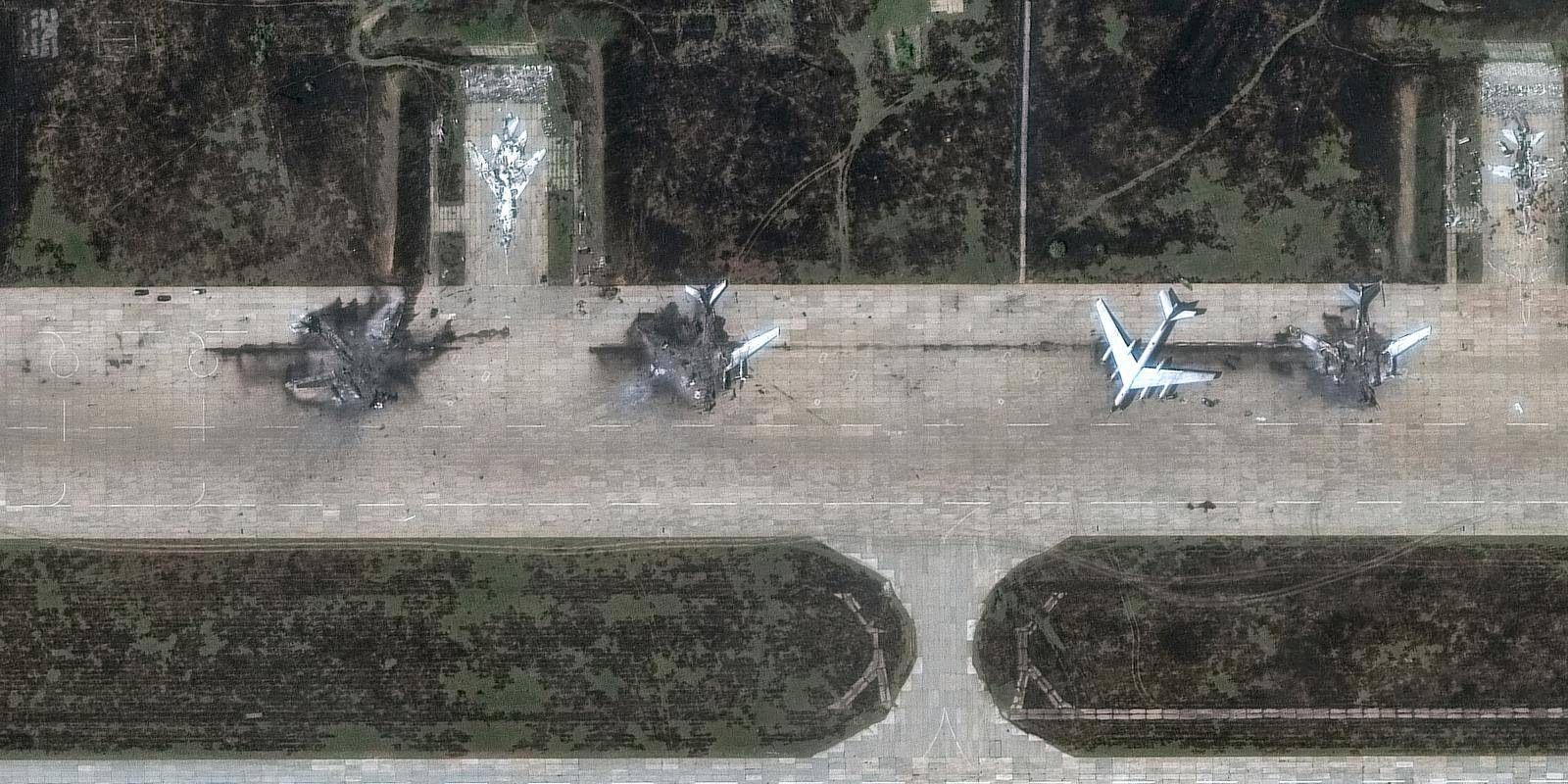
Russia could compensate for “nuclear losses” to its aviation by strengthening other elements of its nuclear triad. At a time when control mechanisms are not functioning, there is a risk of strategic uncertainty emerging over the development trajectory of Russia’s nuclear forces.
Maxim Starchak