

In The Media
Martha Brill Olcott
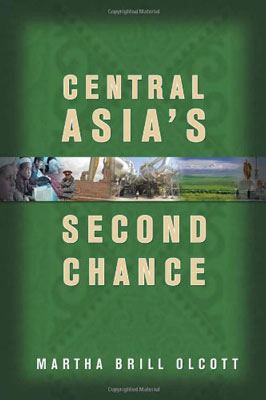
Early hopes for a democratic transition in Central Asia after the fall of the Soviet Union were dashed, but new hope was raised as the global community re-engaged with Central Asia in the wake of 9/11. Martha Brill Olcott explains how the region squandered its "second chance," and what might happen next.
Source: Washington

A leading authority on Central Asia offers a sweeping review of the region’s path from independence to the post-9/11 world. The first decade of independence was disappointing for those who envisioned a straightforward transition from Soviet republics to independent states with market economies and democratic political systems. Leaders excused political failures by pointing to security risks, including the presence of terrorist training camps in Afghanistan.
The situation changed dramatically after 9/11: the camps were largely destroyed and the United States introduced a military presence. More importantly, the international community engaged with these states, to give them a "second chance" to address social and economic problems. But neither the aid-givers nor recipients were willing to approach problems in new ways. Now, terrorists groups are once again making their presence felt, and some states may be becoming global security risks. The book explores how the region squandered its second chance and what might happen next.
About the Author
Martha Brill Olcott, is senior associate in the Russian and Eurasian Program at the Carnegie Endowment. She specializes in the problems of transitions in Central Asia and the Caucasus as well as the security challenges in the Caspian region more generally. Recent publications include Kazakhstan: Unfulfilled Promise (Washington, DC: Carnegie Endowment for International Peace, 2002), Preventing New Afghanistans: A Regional Strategy for Reconstruction (Carnegie Endowment Policy Brief No. 11) and Getting It Wrong: Regional Cooperation and the Commonwealth of Independent States and Russia After Communism (Carnegie Endowment, 1999).
"Olcott has established herself as one of the leading US experts on Central Asia."
—Journal of Peace Research
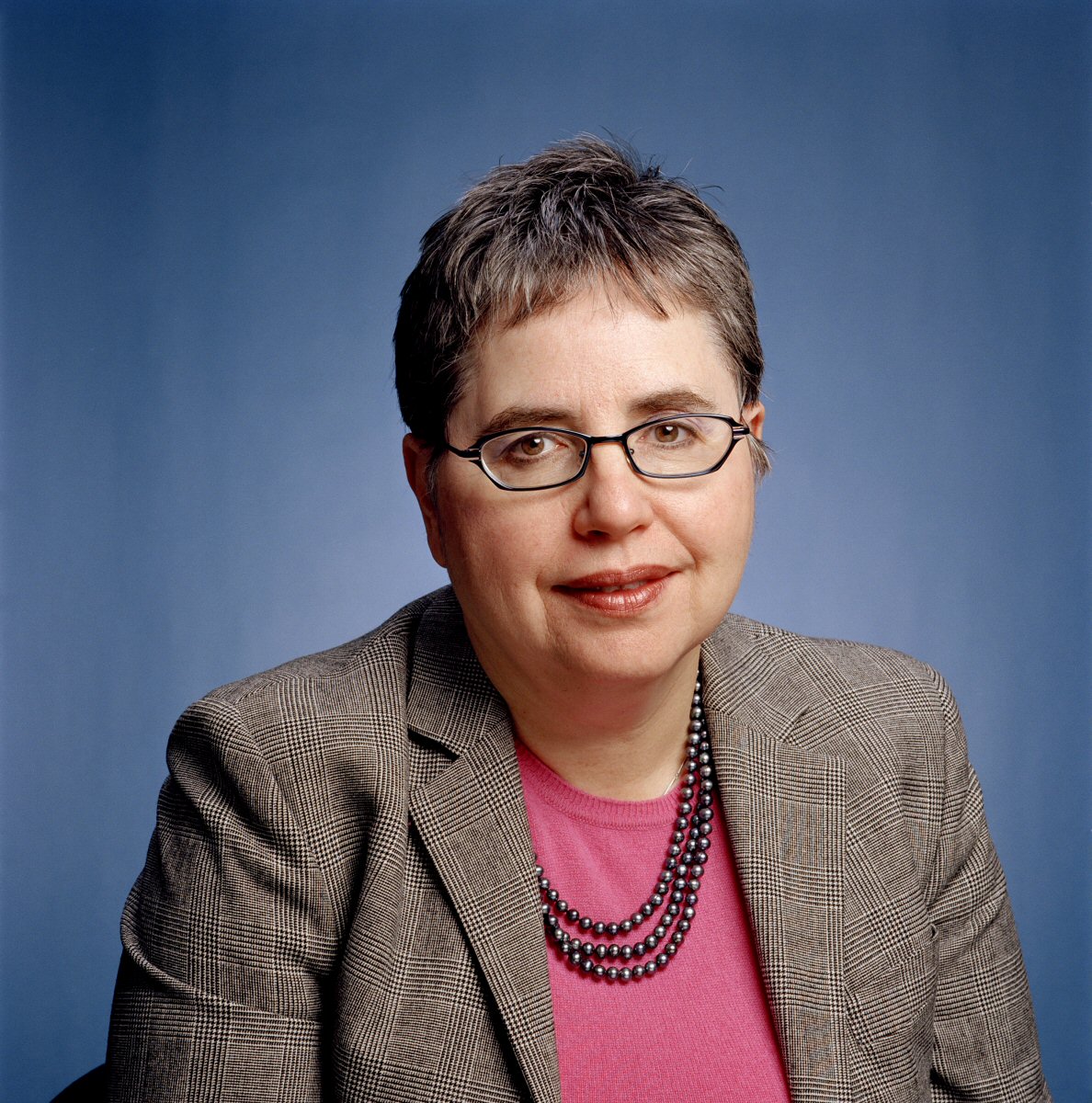
Former Senior Associate, Russia and Eurasia Program and, Co-director, al-Farabi Carnegie Program on Central Asia
Olcott is professor emerita at Colgate University, having taught political science there from 1974 to 2002. Prior to her work at the endowment, Olcott served as a special consultant to former secretary of state Lawrence Eagleburger.
Recent Work
Martha Brill Olcott
Martha Brill Olcott
Carnegie does not take institutional positions on public policy issues; the views represented herein are those of the author(s) and do not necessarily reflect the views of Carnegie, its staff, or its trustees.

In the discussions made possible by the State Duma election campaign, one question is being asked more and more loudly. “What next?”

Andrey Pertsev

While the Nazis rushed ahead in a revolutionary fervor, Russia’s modern crusaders against enemies of the state work methodically, giving their targets time to adjust to restrictions before closing the loopholes.

Leonid Bershidsky

When faced with fuel shortages in the past, Central Asian governments could always count on additional supplies from Moscow. That safety net no longer exists.

Galiya Ibragimova

Reading the purported correspondence of celebrity Ksenia Sobchak sheds light on her role within the system, and how journalism and politics function in Putin’s Russia.
Vladislav Gorin

When political power is concentrated in the hands of a small circle of people, a country invariably ends up with technological stagnation.
Aleksei Kiselev