

Commentary
Not only does the fighting jeopardize regional security, it undermines Russian attempts to promote alternatives to the Western-dominated world order.
Ruslan Suleymanov

REQUIRED IMAGE
Arabs indisputably desire more predictable, responsive, and fair laws, even as the Middle East presents acute challenges to rule-of-law reform. To achieve the most success, the United States should focus less on the performance of courts and concentrate on building a broad social understanding of legal rights and respect for the law’s authority.
Summary
Arabs indisputably desire more predictable, responsive, and fair laws, even as the Middle East presents acute challenges to rule-of-law reform. David M. Mednicoff’s Carnegie Paper argues that to achieve the most success, the United States should focus less on the performance of courts and concentrate on building a broad social understanding of legal rights and respect for the law’s authority. Law school curriculum enhancement, funding of independent local media projects that provide information about law, and collaboration with indigenous human rights groups would help advance these long-term goals of rule-of-law reform.
Legalism Sans Frontieres? U.S. Rule of Law Aid in the Arab World is the latest paper in the Carnegie Endowment’s Rule of Law Series, which provides analyses by experts on rule-of-law development about key questions in the field.
Click on the link above for the full text of this Carnegie Paper.
About the Author
David M. Mednicoff is assistant professor in the Department of Legal Studies and the Center of Public Policy and Administration at the University of Massachusetts-Amherst.
A limited number of print copies are available.
Request a copy
David M. Mednicoff
Carnegie does not take institutional positions on public policy issues; the views represented herein are those of the author(s) and do not necessarily reflect the views of Carnegie, its staff, or its trustees.
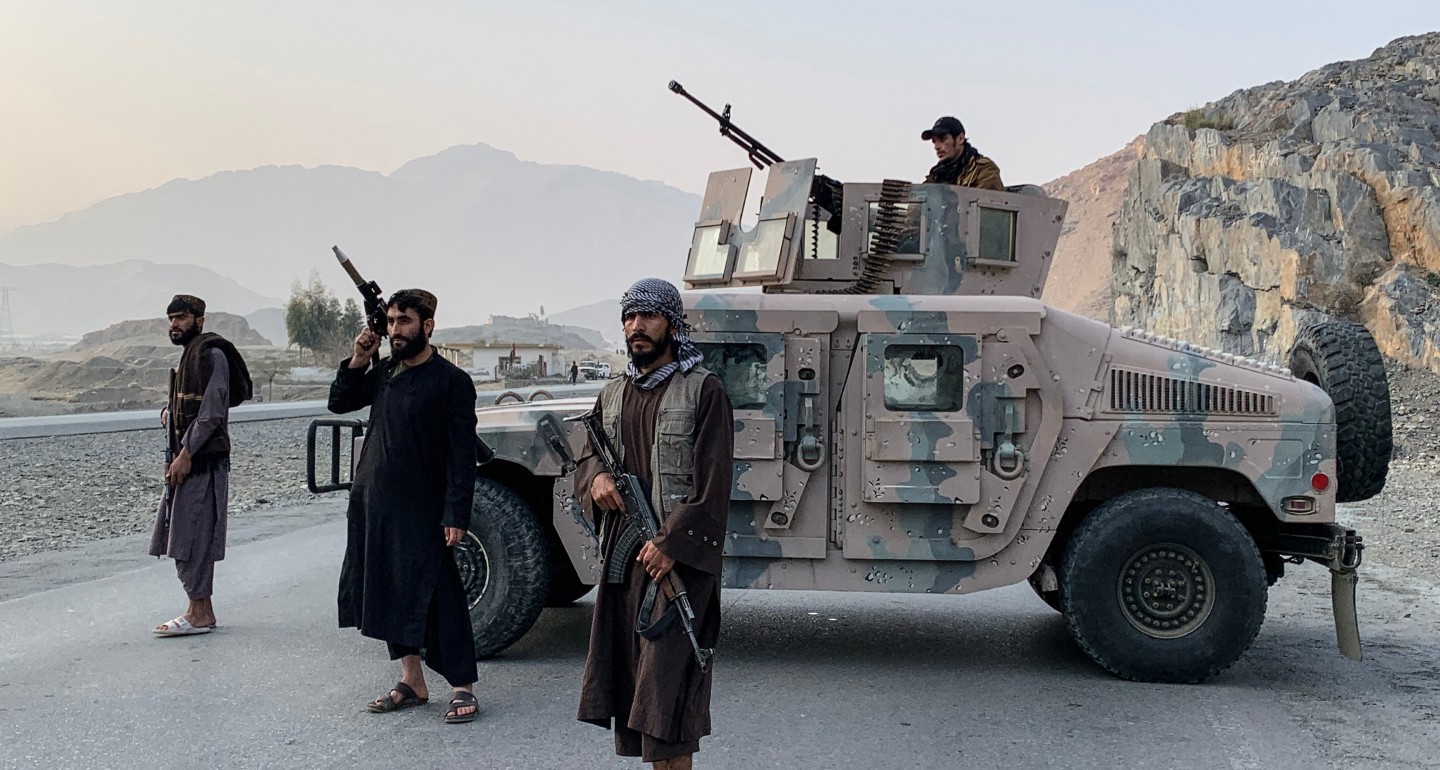
Not only does the fighting jeopardize regional security, it undermines Russian attempts to promote alternatives to the Western-dominated world order.
Ruslan Suleymanov
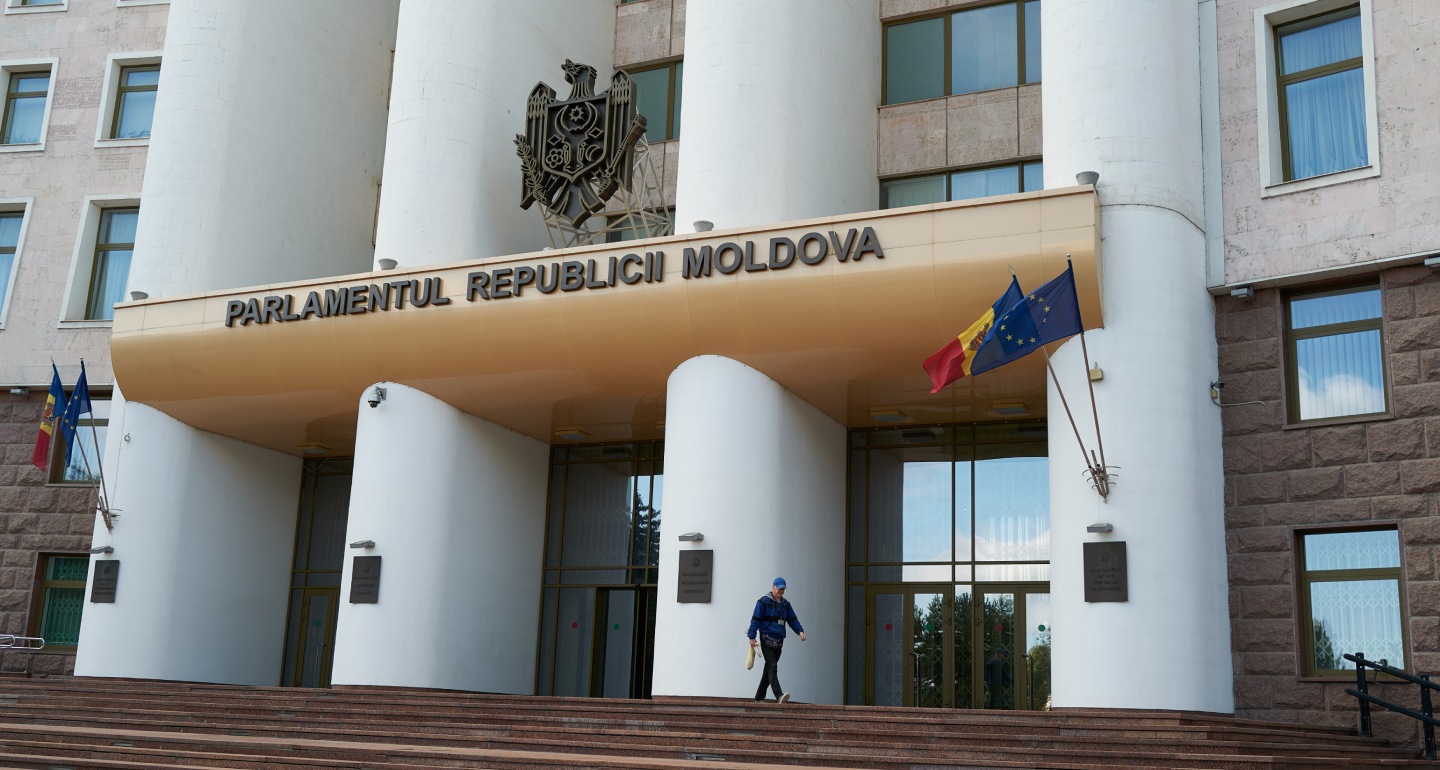
Moldova’s reintegration plan was drawn up to demonstrate to Brussels that Chișinău is serious about the Transnistria issue—and to get the West to react.
Vladimir Solovyov
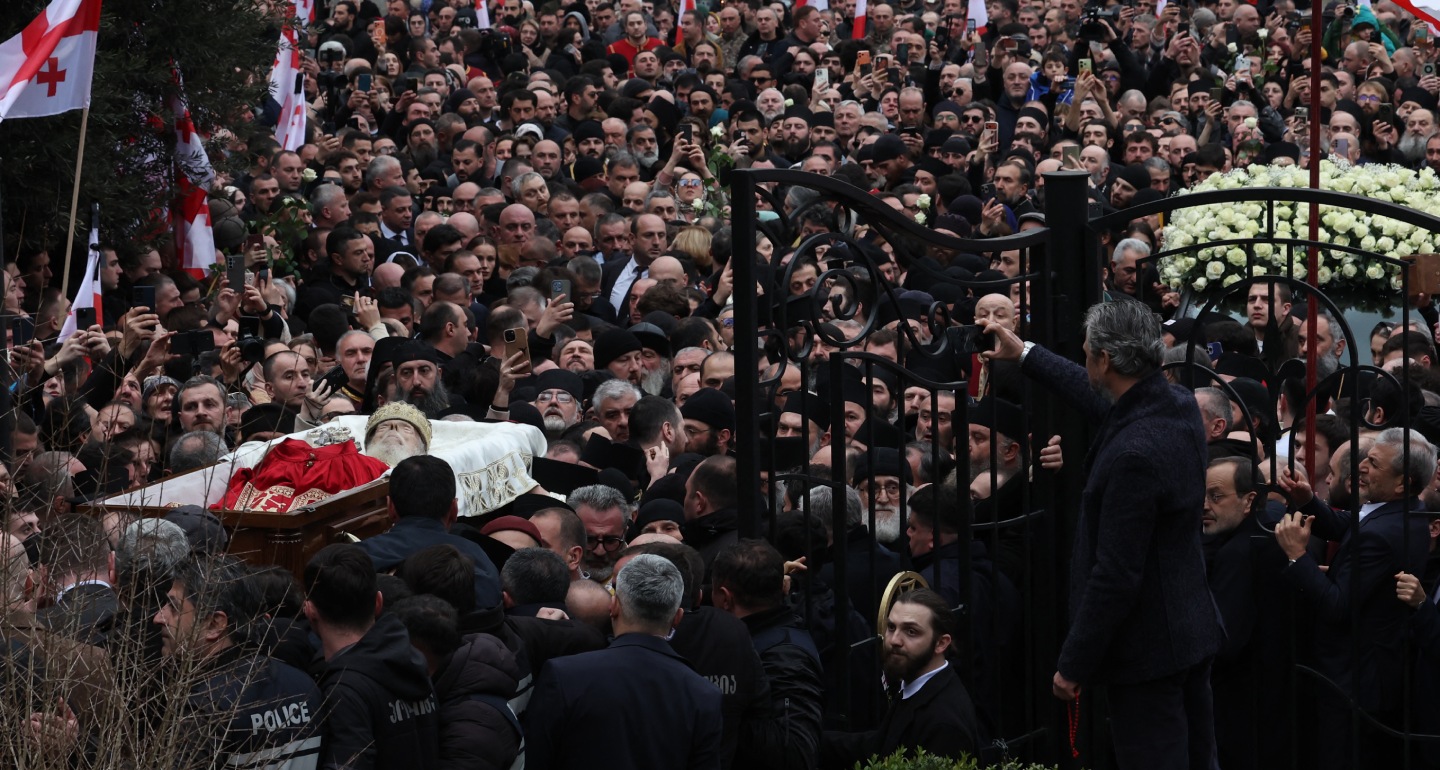
The front-runner to succeed Ilia II, Metropolitan Shio, is prone to harsh anti-Western rhetoric and frequent criticism of “liberal ideologies” that he claims threaten the Georgian state. This raises fears that under his leadership the Georgian Orthodox Church will lose its unifying role and become an instrument of ultraconservative ideology.

Bashir Kitachaev
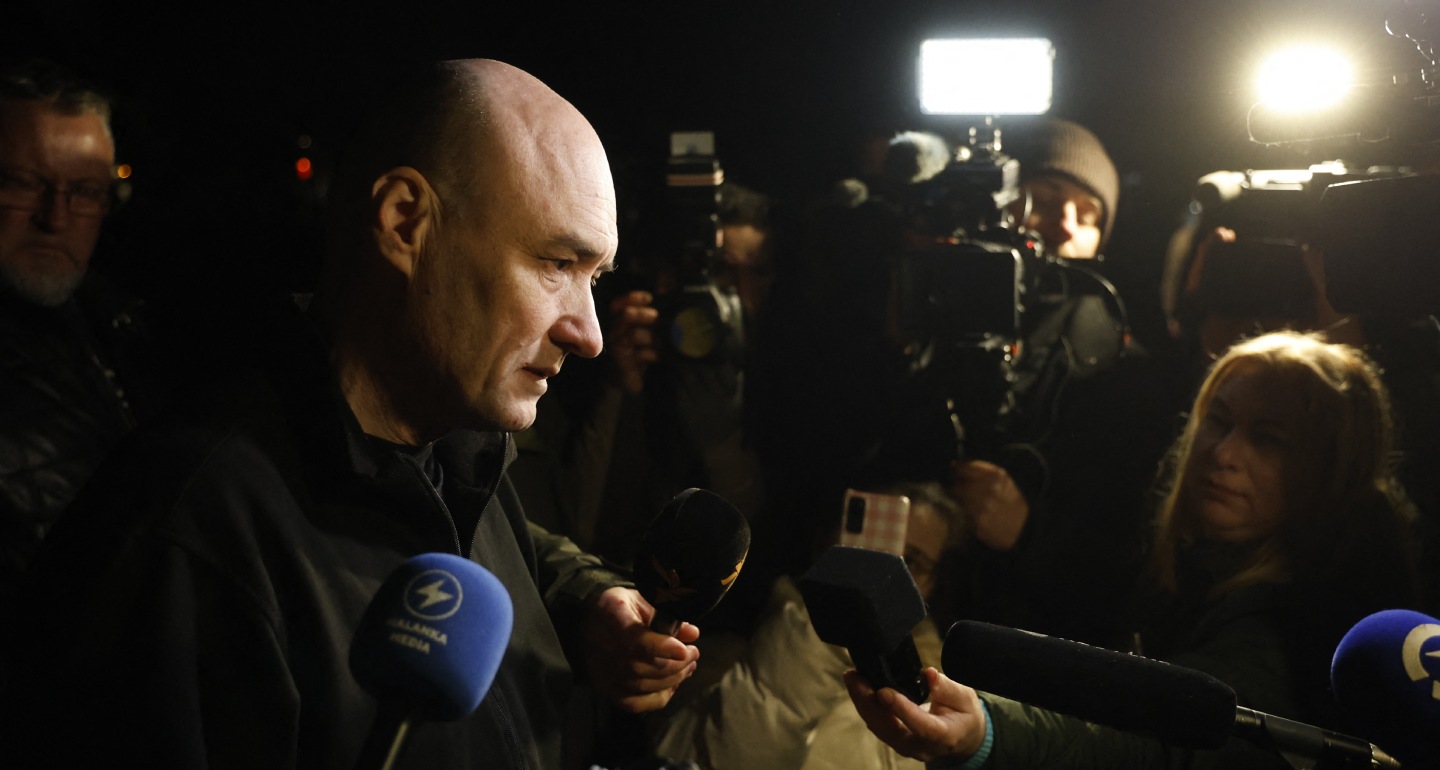
Lukashenko is willing to make big sacrifices for an invitation to Mar-a-Lago or the White House. He also knows that the clock is ticking: he must squeeze as much out of the Trump administration as he can before congressional elections in November leave Trump hamstrung or distracted.

Artyom Shraibman
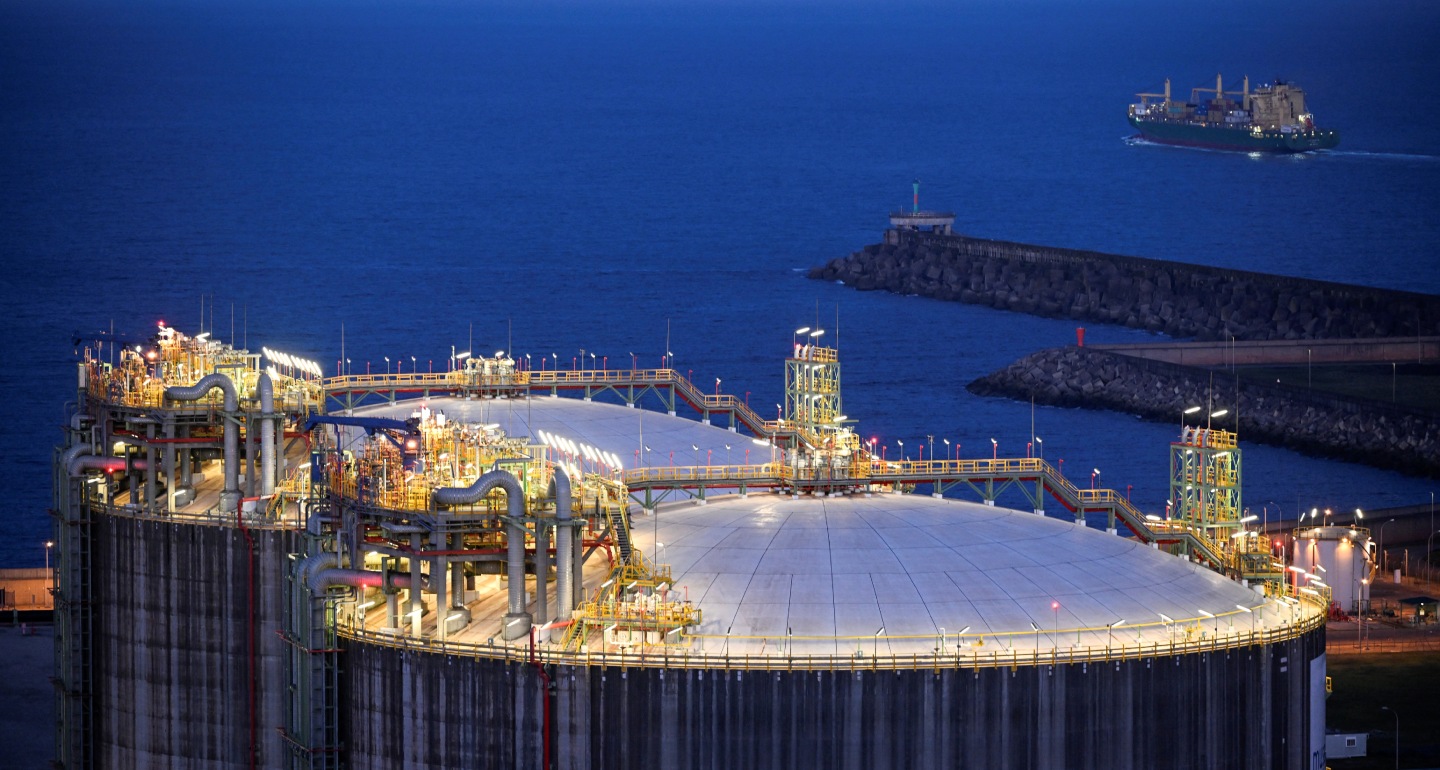
The future trajectory of the U.S.-Iran war remains uncertain, but its impact on global energy trade flows and ties will be far-reaching. Moscow is likely to become a key beneficiary of these changes; the crisis in the Gulf also strengthens Russia’s hand in its relationships with China and India, where advantages might prove more durable.

Sergey Vakulenko