

Commentary
With the growth in points of friction between the great powers, organizations like the SCO will continue to play a role in the strategic adaptation of the smaller powers caught between them.
Temur Umarov
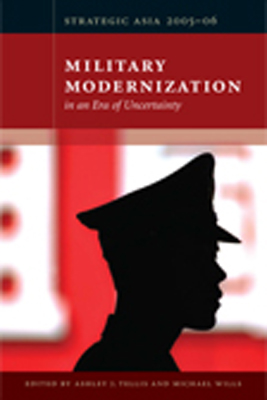
Taiwan’s military is clearly modernizing and will improve in the near- to mid-term. A reorientation away from an army-centric focus has led to such improvements as joint warfighting capabilities among branches of the military and improvements in missile defense systems, front-line military units, and naval defense capabilities.
Source: Strategic Asia 2005-06: Military Modernization in an Era of Uncertainty
In their chapter in Strategic Asia 2005–06: Military Modernization in an Era of Uncertainty, Michael Swaine and Roy Kamphausen argue that Taiwan’s military is clearly modernizing and will improve in the near- to mid-term. A reorientation away from an army-centric focus has led to such improvements as joint warfighting capabilities among branches of the military and improvements in missile defense systems, front-line military units, and naval defense capabilities. Progress has been slow, however, and characterized by a number of deficiencies, including inadequate funding levels, an absence of strategic clarity, often misplaced priorities, and unaddressed vulnerabilities. Deficiencies in Taiwan’s military modernization in large part reflect the influence of Taiwan’s highly dynamic and divisive domestic political, bureaucratic, and social environment; a historical legacy of military-oriented rule; and the vagaries of U.S. political and military assistance.
Through a combination of country, regional, and topical studies, Strategic Asia 2005–06 assesses how Asian states are modernizing their military programs in response to China's rise as a regional power, the war on terrorism, changes in U.S. force posture, the revolution in military affairs, and local security dilemmas. The book is edited by Ashley J. Tellis, senior associate at the Carnegie Endowment for International Peace, and Michael Wills, Strategic Asia program director at the National Bureau of Asian Research.
Strategic Asia 2005–06: Military Modernization in an Era of Uncertainty is available to order from NBR.

Former Senior Fellow, Asia Program
Swaine was a senior fellow at the Carnegie Endowment for International Peace and one of the most prominent American analysts in Chinese security studies.
Roy Kamphausen
Carnegie does not take institutional positions on public policy issues; the views represented herein are those of the author(s) and do not necessarily reflect the views of Carnegie, its staff, or its trustees.

With the growth in points of friction between the great powers, organizations like the SCO will continue to play a role in the strategic adaptation of the smaller powers caught between them.

Temur Umarov

When faced with fuel shortages in the past, Central Asian governments could always count on additional supplies from Moscow. That safety net no longer exists.

Galiya Ibragimova

Despite unhappiness on the ground, Moscow is determined to use both carrot and stick to ensure there is record support for United Russia in occupied Ukraine.

Konstantin Skorkin
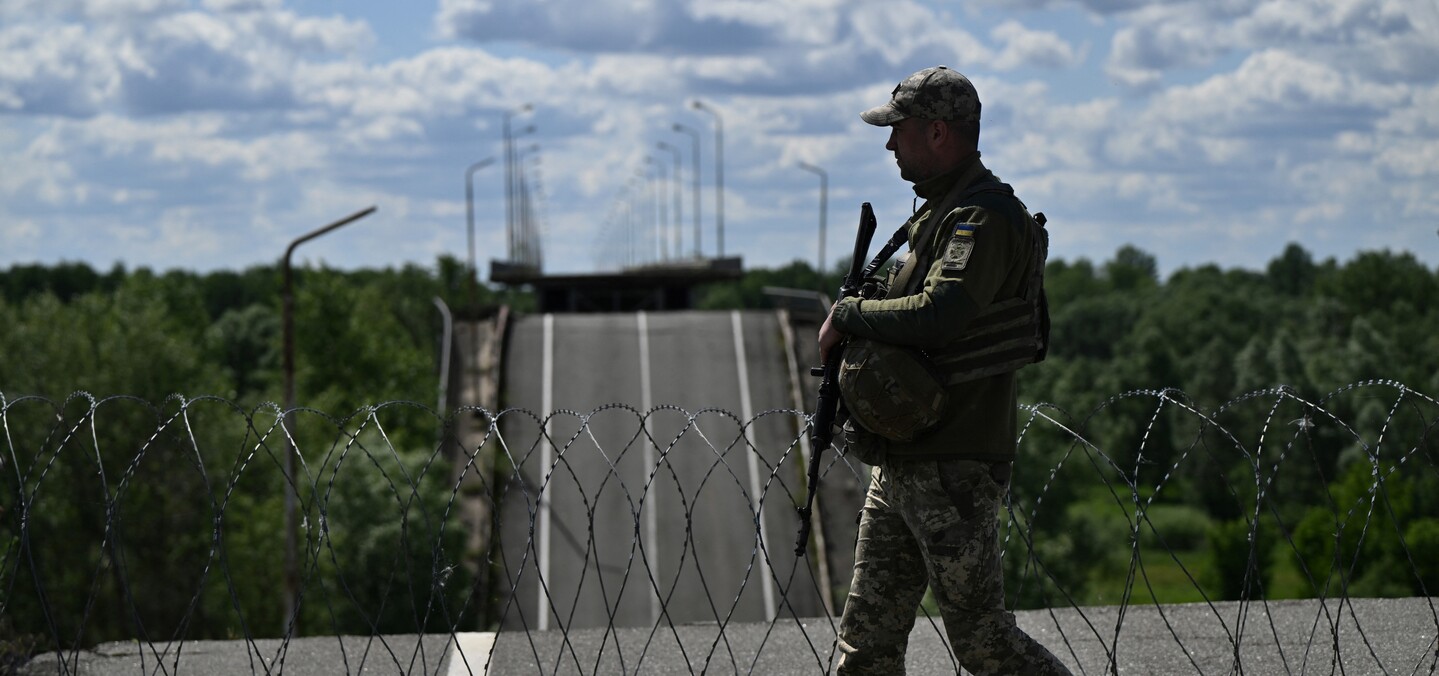
The recent damage inflicted by Ukrainian drones and missiles on Russia has made Belarus aware of its own vulnerabilities—and surprisingly amenable to Kyiv’s demands.

Artyom Shraibman
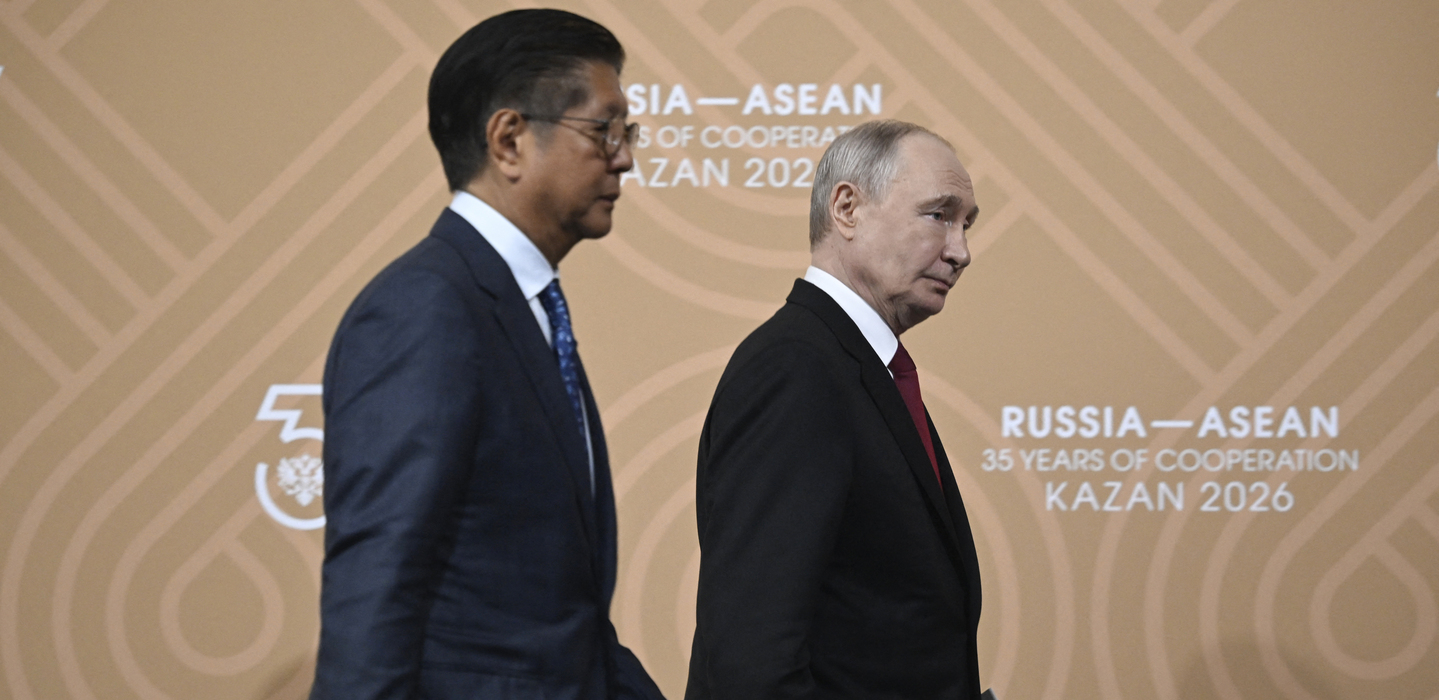
Russia looks set to reap economic benefits from closer ties with Southeast Asian countries that are keen to find reliable energy suppliers and diversify trade ties.

Alexander Gabuev